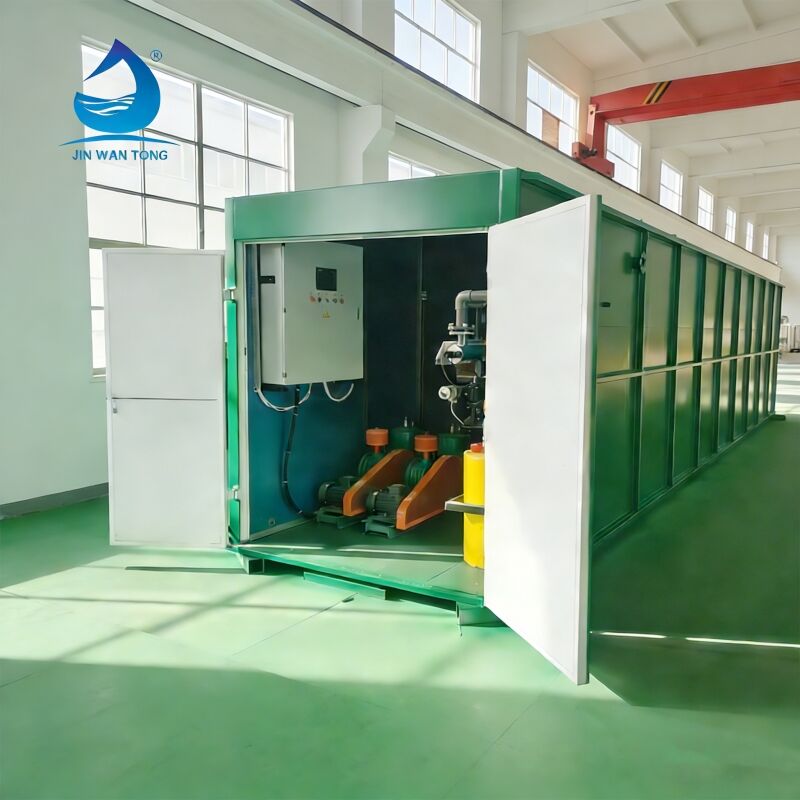
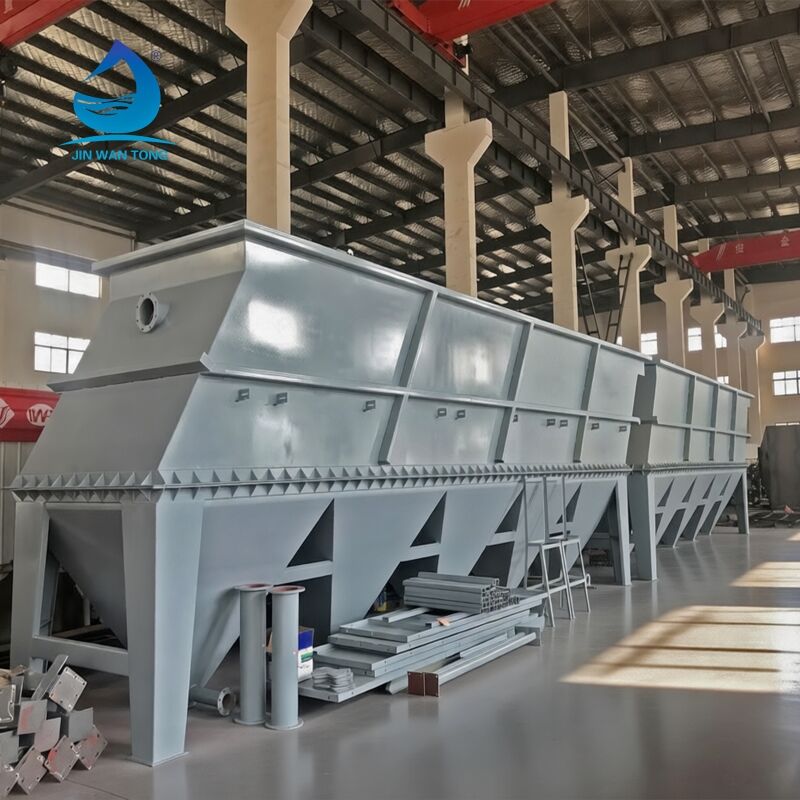
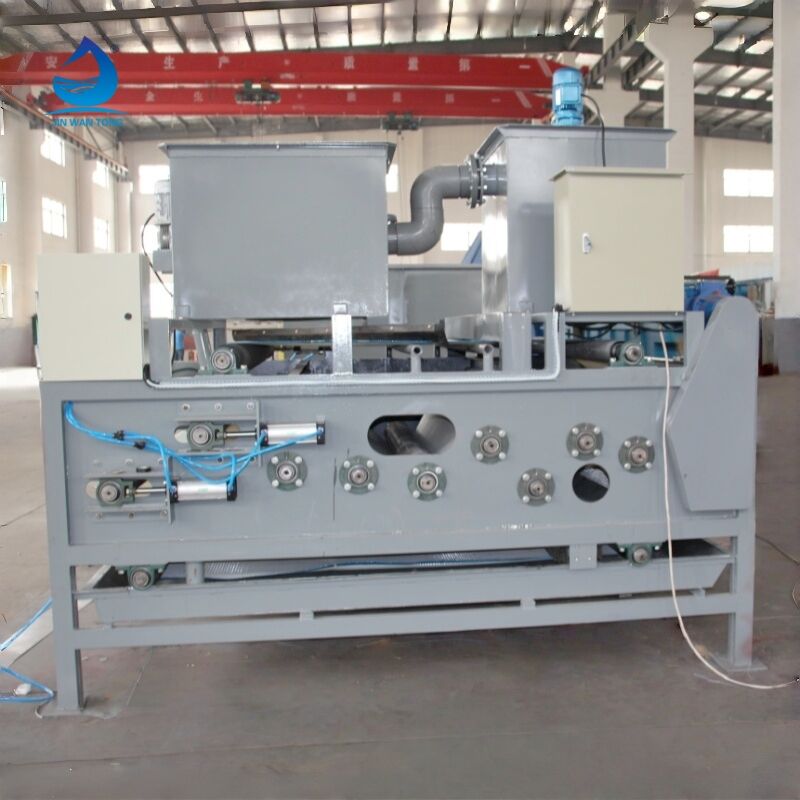
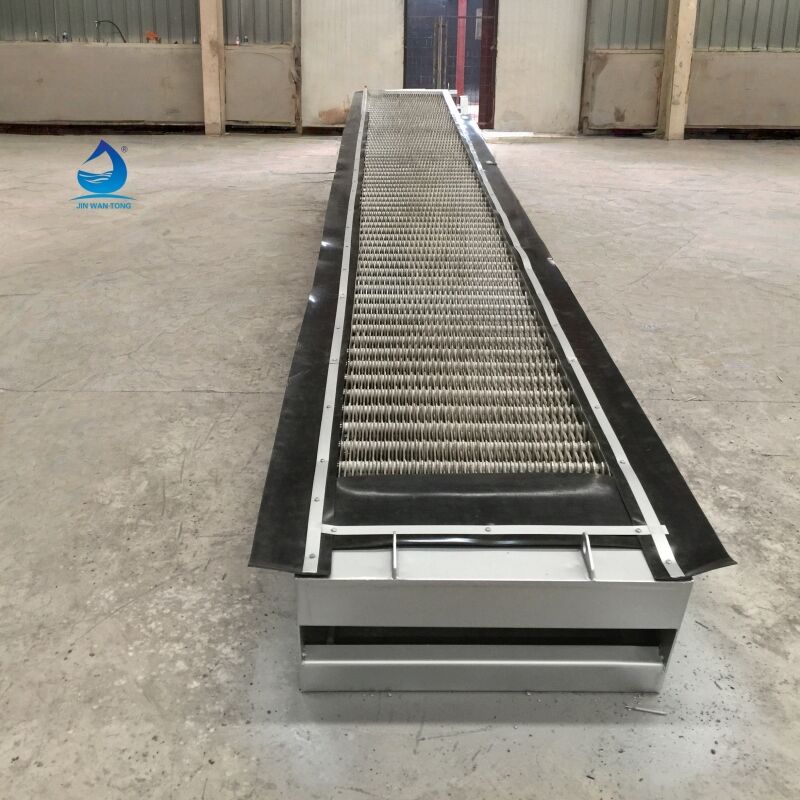
MBBR Wastewater Treatment Systems - Advanced Biological Treatment Technology Solutions

All Categories

Get a Free Quote

Our representative will contact you soon.
Email
Name
Company Name
Message
0/1000

mbbr in wastewater treatment

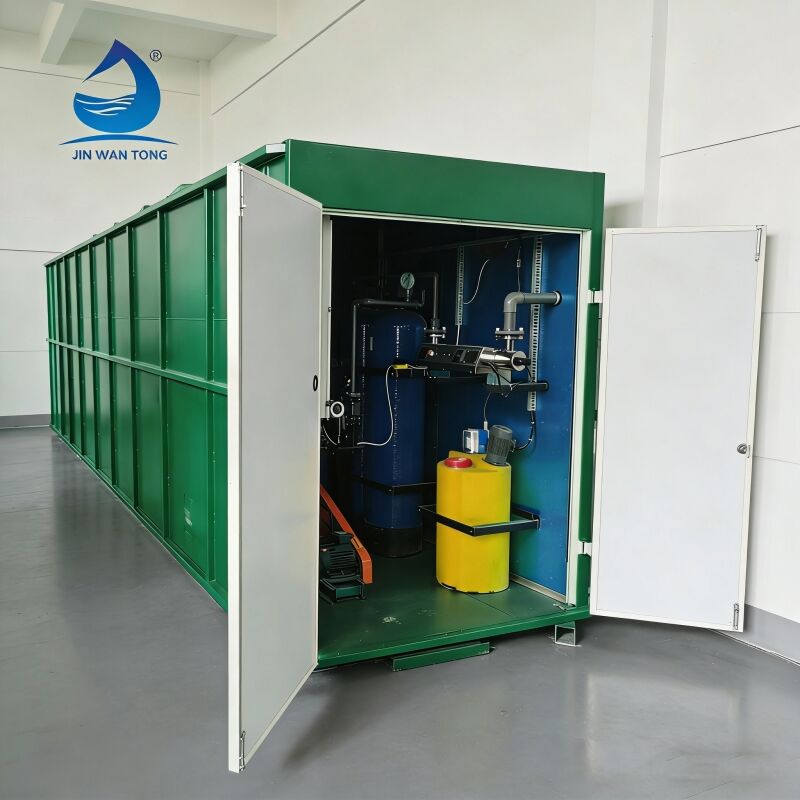
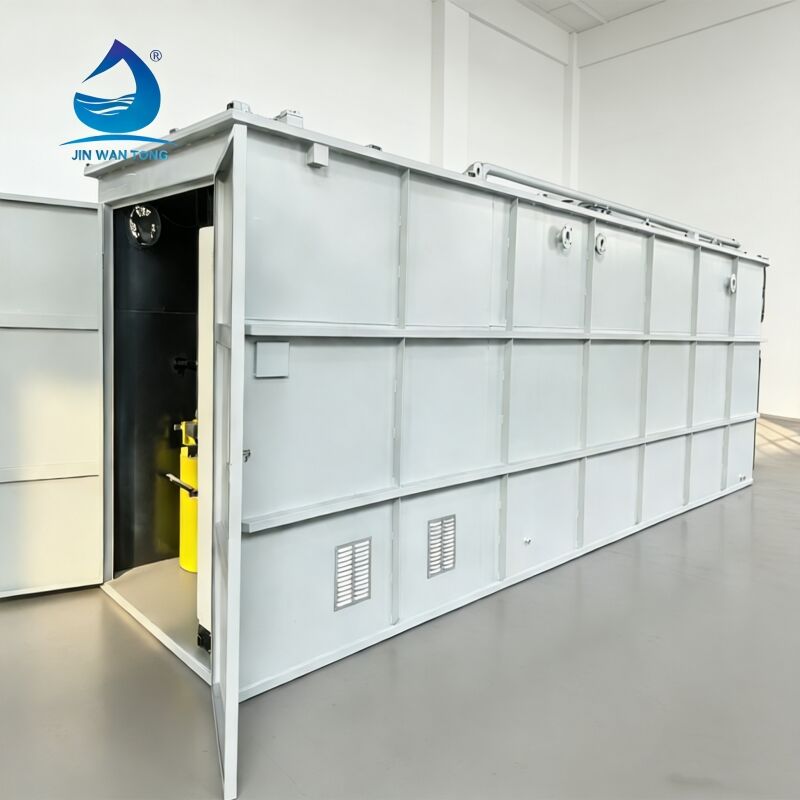
Moving Bed Biofilm Reactor (MBBR) in wastewater treatment represents a revolutionary biological treatment technology that combines the benefits of conventional activated sludge systems with biofilm processes. This innovative approach utilizes specially designed plastic carriers that provide protected surface area for biofilm growth while remaining in constant motion within the reactor. The MBBR in wastewater treatment system operates by allowing microorganisms to attach and grow on these moving carriers, creating a robust biological treatment environment that effectively removes organic pollutants, nitrogen, and phosphorus from various wastewater streams. The main functions of MBBR in wastewater treatment include biological oxygen demand reduction, nitrification, denitrification, and enhanced biological nutrient removal. The technology features high biomass concentration per unit volume, excellent process stability, and superior resistance to shock loads compared to traditional treatment methods. The moving carriers in MBBR systems create optimal conditions for both suspended growth and attached growth processes, maximizing treatment efficiency while minimizing space requirements. Key technological features include self-cleaning biofilm carriers, efficient mixing systems, and advanced aeration technologies that maintain optimal dissolved oxygen levels throughout the treatment process. Applications of MBBR in wastewater treatment span municipal sewage treatment plants, industrial wastewater facilities, aquaculture systems, and decentralized treatment solutions. The technology proves particularly effective for treating high-strength industrial wastewaters from food processing, pharmaceutical manufacturing, and petrochemical industries. MBBR systems demonstrate exceptional performance in cold climate conditions where conventional biological treatment processes often struggle to maintain efficiency.
Popular Products

The advantages of MBBR in wastewater treatment deliver substantial practical benefits that directly impact operational efficiency and cost-effectiveness for facility operators and municipalities. First, MBBR systems require significantly smaller footprints compared to conventional activated sludge processes, making them ideal for space-constrained locations and urban environments where land costs are prohibitive. This compact design allows facilities to achieve higher treatment capacities within existing infrastructure or smaller new installations. Second, MBBR in wastewater treatment provides exceptional process stability and resilience against variable loading conditions, temperature fluctuations, and toxic shock loads that commonly disrupt traditional biological treatment systems. The protected biofilm environment ensures consistent treatment performance even during challenging operational conditions, reducing the risk of process failures and compliance violations. Third, these systems operate with lower energy consumption due to efficient oxygen transfer and reduced mixing requirements, translating directly into lower operational costs and improved sustainability profiles. Fourth, MBBR technology eliminates the need for sludge return systems and reduces excess sludge production by up to 50 percent compared to conventional methods, significantly lowering sludge handling and disposal costs. Fifth, the systems require minimal operator attention and maintenance due to their self-regulating nature and robust design, reducing staffing requirements and operational complexity. Sixth, MBBR in wastewater treatment enables easy capacity upgrades and process modifications without major infrastructure changes, providing flexibility for future expansion or regulatory compliance updates. Seventh, the technology achieves superior effluent quality with consistent removal of biochemical oxygen demand, total suspended solids, nitrogen, and phosphorus compounds. Finally, MBBR systems demonstrate excellent performance across wide temperature ranges and can handle variable hydraulic and organic loading rates without compromising treatment efficiency, making them suitable for diverse geographical locations and seasonal variations.

Practical Tips

Overview of the Agricultural Wastewater Treatment Market

17

Dec

Overview of the Agricultural Wastewater Treatment Market

View More
Global Real-Time Wastewater Treatment Update

17

Dec

Global Real-Time Wastewater Treatment Update

View More
Navigating the Waters: The Role of an Industrial Wastewater Treatment Plant

17

Dec

Navigating the Waters: The Role of an Industrial Wastewater Treatment Plant

View More

Get a Free Quote

Our representative will contact you soon.
Email
Name
Company Name
Message
0/1000

mbbr in wastewater treatment

Superior Space Efficiency and Modular Design Flexibility

Superior Space Efficiency and Modular Design Flexibility

MBBR in wastewater treatment systems excel in space optimization through their innovative design that maximizes biological treatment capacity within minimal infrastructure footprints. Unlike conventional activated sludge systems that require large clarifiers and extensive piping networks, MBBR technology consolidates biological treatment into compact reactor vessels filled with specially engineered biofilm carriers. These carriers provide up to 500 square meters of protected surface area per cubic meter of reactor volume, creating an exceptionally high biomass concentration that enables intensive biological treatment in smaller spaces. The modular nature of MBBR in wastewater treatment allows for flexible system configurations that can be tailored to specific site constraints and treatment requirements. Facilities can install multiple smaller reactors instead of single large basins, providing operational redundancy and enabling phased construction approaches that align with budget cycles and growth projections. This modularity also facilitates easy expansion when treatment demands increase, as additional MBBR units can be integrated seamlessly into existing systems without disrupting ongoing operations. The compact design reduces construction costs associated with excavation, concrete work, and land acquisition, making MBBR particularly attractive for urban installations where real estate values are high. Furthermore, the reduced infrastructure requirements translate into faster project implementation timelines, allowing facilities to achieve compliance objectives more quickly than with traditional treatment approaches. The space-efficient design also enables retrofitting of existing facilities where conventional expansion would be impossible due to site limitations, providing a viable upgrade path for aging infrastructure.
Enhanced Process Stability and Shock Load Resistance

Enhanced Process Stability and Shock Load Resistance

MBBR in wastewater treatment demonstrates exceptional process stability through its unique biofilm-based treatment mechanism that provides superior resistance to operational disruptions and variable loading conditions. The biofilm structure creates a protective environment for microorganisms, shielding them from sudden changes in temperature, pH, toxic compounds, and hydraulic surges that commonly destabilize conventional biological treatment systems. This protection enables MBBR systems to maintain consistent treatment performance even when subjected to industrial discharge events, storm water inflows, or process upsets that would typically require weeks of recovery time in activated sludge systems. The diverse microbial communities within MBBR biofilms include both fast-growing and slow-growing organisms, creating a robust ecosystem capable of adapting to changing substrate conditions while maintaining essential treatment functions. During shock loading events, the biofilm structure preserves critical microbial populations that can rapidly restore full treatment capacity once normal conditions resume. MBBR in wastewater treatment systems also demonstrate superior cold weather performance, as the biofilm provides insulation that maintains biological activity at lower temperatures where suspended growth systems often fail. The moving carriers ensure continuous biofilm renewal and prevent dead zones that can develop in fixed-film systems, maintaining optimal mass transfer conditions throughout the reactor volume. This stability translates into consistent effluent quality that meets regulatory requirements without the need for emergency interventions or bypass operations. The resilience of MBBR technology reduces operational risks and provides peace of mind for facility managers who must ensure continuous compliance with discharge permits while managing variable influent characteristics.
Reduced Operating Costs and Maintenance Requirements

Reduced Operating Costs and Maintenance Requirements

MBBR in wastewater treatment systems deliver substantial long-term cost savings through reduced energy consumption, lower sludge production, and minimal maintenance requirements compared to conventional biological treatment technologies. The efficient oxygen transfer characteristics of MBBR systems result from optimized carrier design and mixing patterns that maximize dissolved oxygen utilization while minimizing energy input requirements. The moving biofilm carriers create turbulence that enhances mass transfer efficiency, allowing systems to operate at lower aeration rates while achieving superior treatment performance. This improved oxygen efficiency can reduce energy consumption by 20 to 30 percent compared to conventional activated sludge processes, representing significant cost savings over the system lifecycle. MBBR technology also produces substantially less excess sludge due to the extended sludge age within biofilm structures and the predation effects that occur in the diverse microbial communities. Reduced sludge production directly translates into lower dewatering, transportation, and disposal costs, which often represent 50 percent or more of total operational expenses in conventional systems. The self-cleaning nature of MBBR carriers eliminates the need for regular backwashing or carrier replacement, reducing both maintenance costs and system downtime. MBBR in wastewater treatment systems operate without the complex mechanical equipment required for conventional systems, such as return activated sludge pumps, waste activated sludge systems, and secondary clarifier mechanisms. This simplified design reduces spare parts inventory requirements and minimizes the specialized technical expertise needed for system operation and maintenance. The robust nature of MBBR carriers, typically manufactured from high-density polyethylene with 15 to 20-year design lives, ensures long-term system reliability without major component replacement costs. Additionally, the consistent performance of MBBR systems reduces the need for chemical additives and process adjustments that add operational complexity and expense to conventional treatment approaches.
MBBR Wastewater Treatment Systems - Advanced Biological Treatment Technology Solutions

Get a Free Quote

Our representative will contact you soon.
Email
Name
Company Name
Message
0/1000