primary sedimentation tank
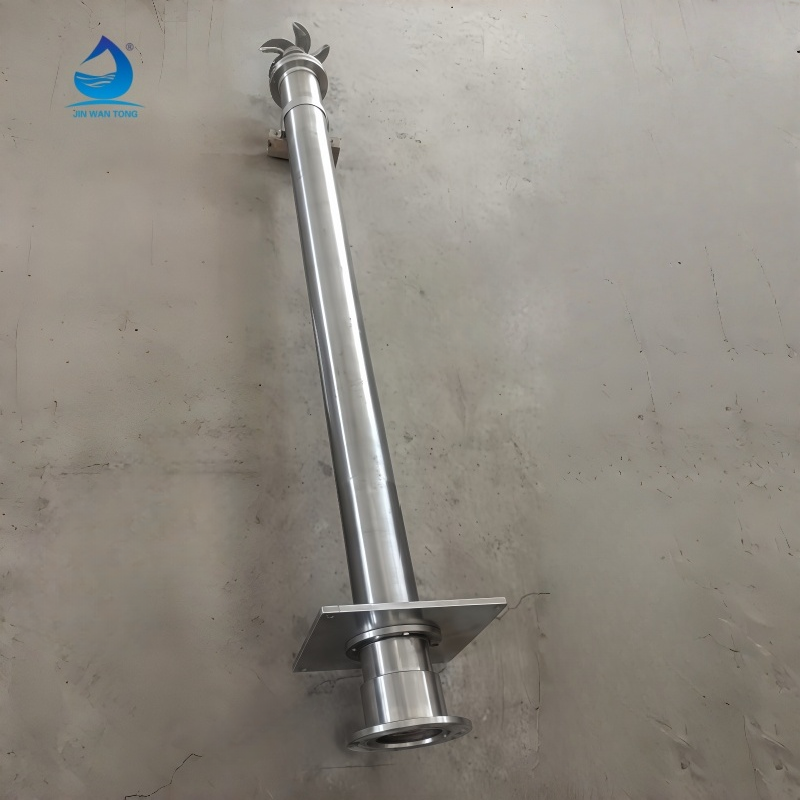
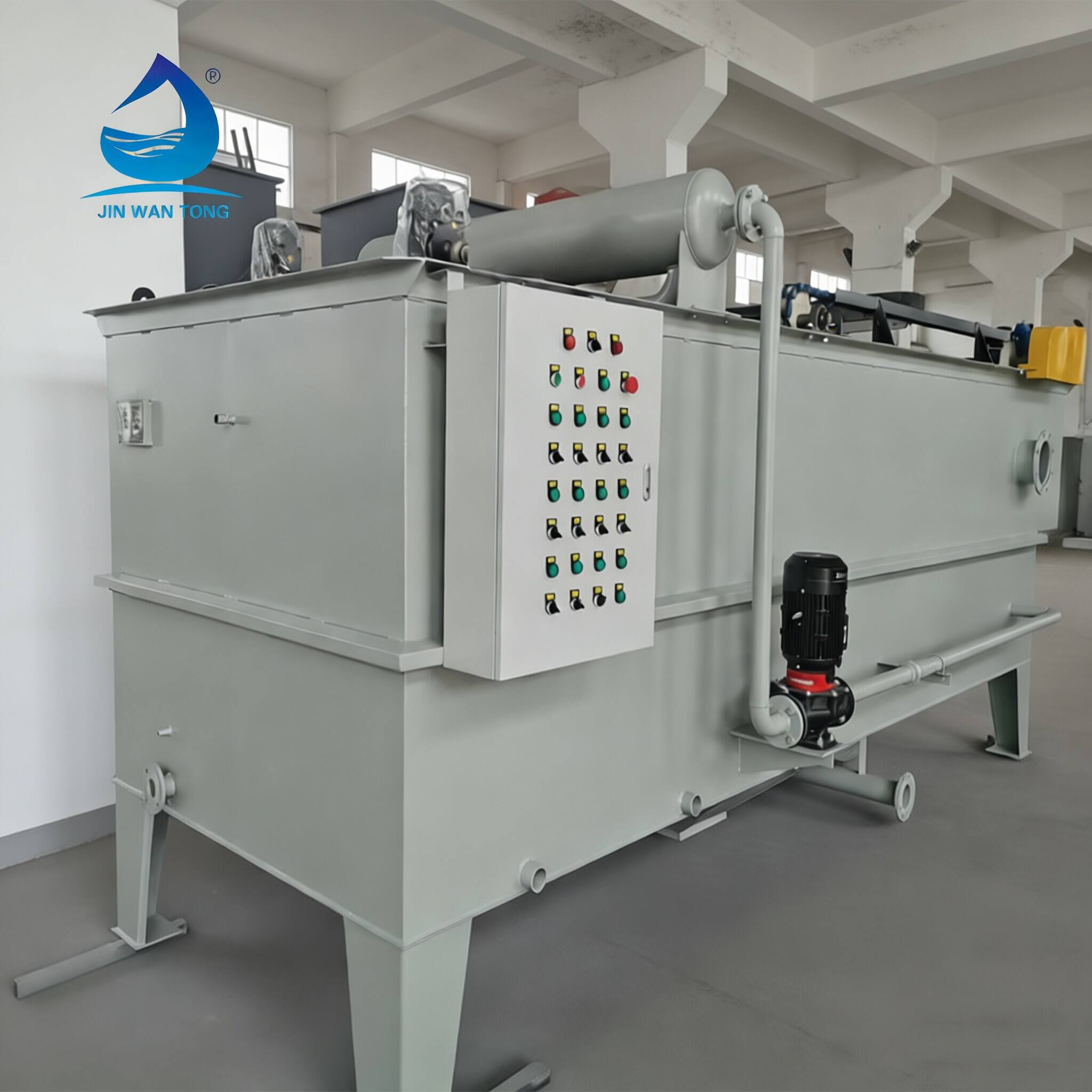
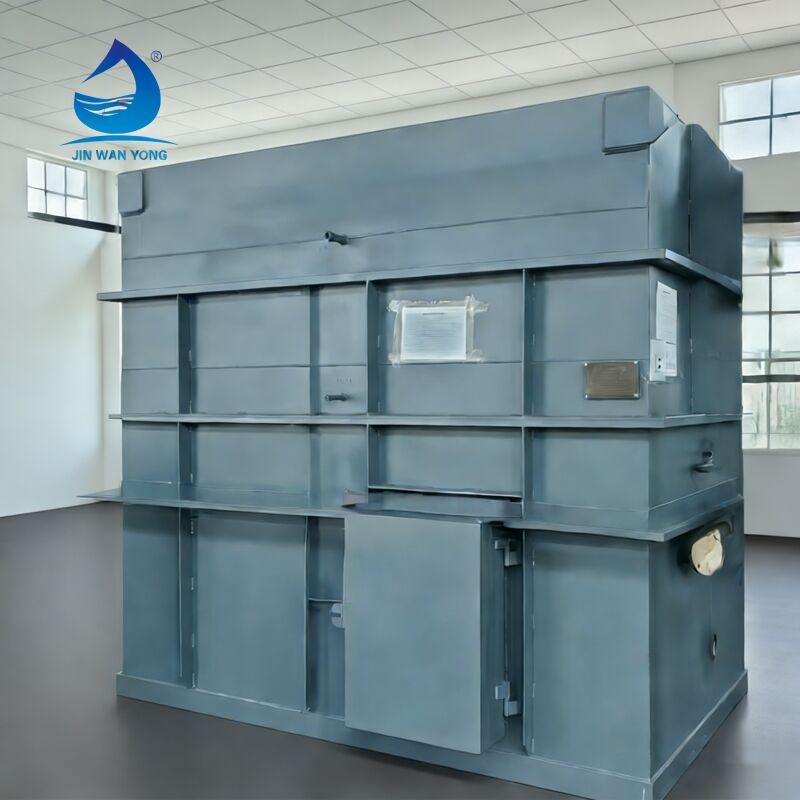
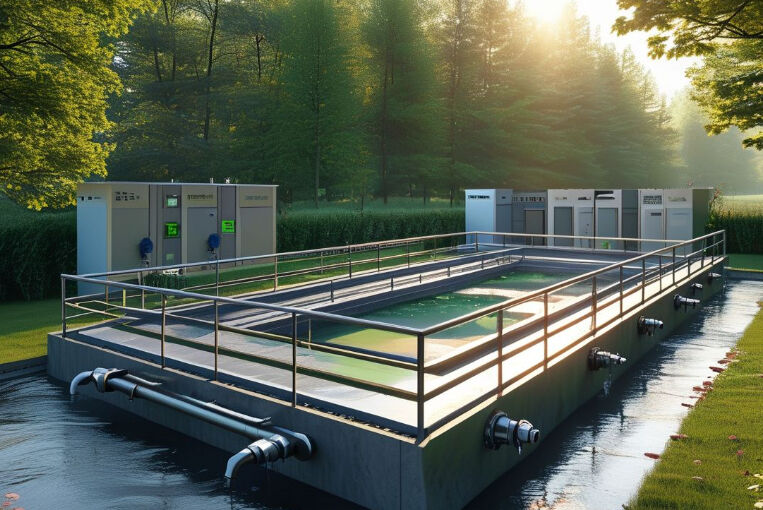
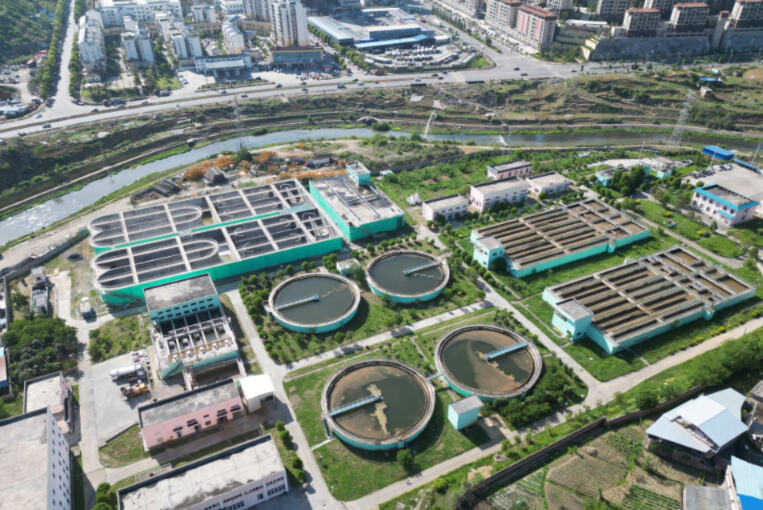
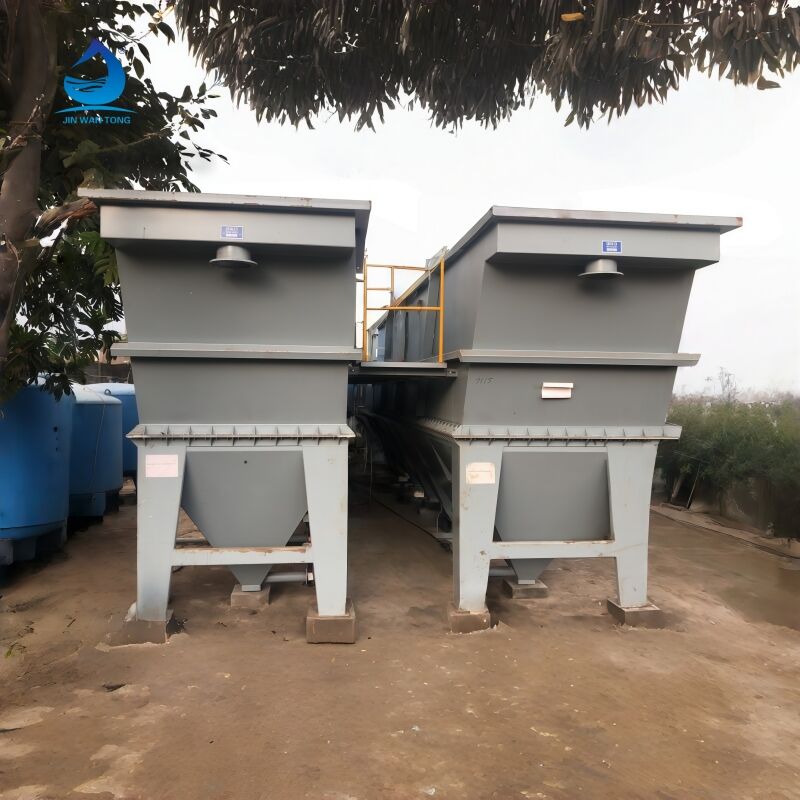
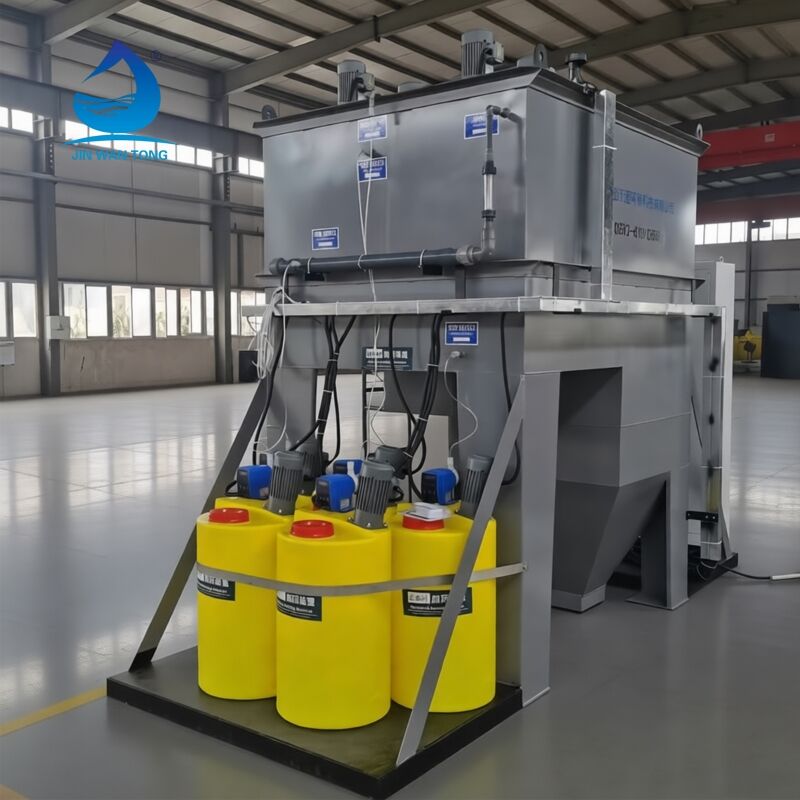
A primary sedimentation tank represents a fundamental component in water and wastewater treatment systems, serving as the first stage of physical treatment in municipal and industrial facilities. This essential infrastructure operates on the principle of gravity separation, allowing suspended particles and organic matter to settle naturally at the bottom while cleaner water flows toward the next treatment phase. The primary sedimentation tank functions by creating optimal conditions for particle settling through controlled flow rates and extended retention times. These rectangular or circular basins typically feature depths ranging from 10 to 15 feet and are designed to maintain hydraulic retention times between 1.5 to 2.5 hours, ensuring maximum removal efficiency. The technological features of modern primary sedimentation tanks include sophisticated inlet and outlet structures that distribute flow evenly across the tank width, preventing short-circuiting and dead zones that could compromise treatment effectiveness. Advanced scraper mechanisms continuously remove accumulated sludge from the tank bottom, while surface skimmers collect floating materials like oils and greases. Temperature control systems maintain optimal settling conditions, and automated monitoring equipment tracks key parameters such as suspended solids removal rates and sludge blanket levels. Primary sedimentation tank applications span across diverse industries including municipal wastewater treatment plants, food processing facilities, chemical manufacturing, pulp and paper mills, and petroleum refineries. In municipal settings, these tanks typically achieve 50-70% suspended solids removal and 25-40% biochemical oxygen demand reduction, significantly reducing the load on downstream biological treatment processes. Industrial applications often require customized designs to handle specific contaminants and flow characteristics unique to each sector. The versatility of primary sedimentation tank technology makes it adaptable to various scales, from small community treatment systems processing thousands of gallons daily to large metropolitan facilities handling hundreds of millions of gallons per day.

 EN
EN