rectangular sedimentation tank
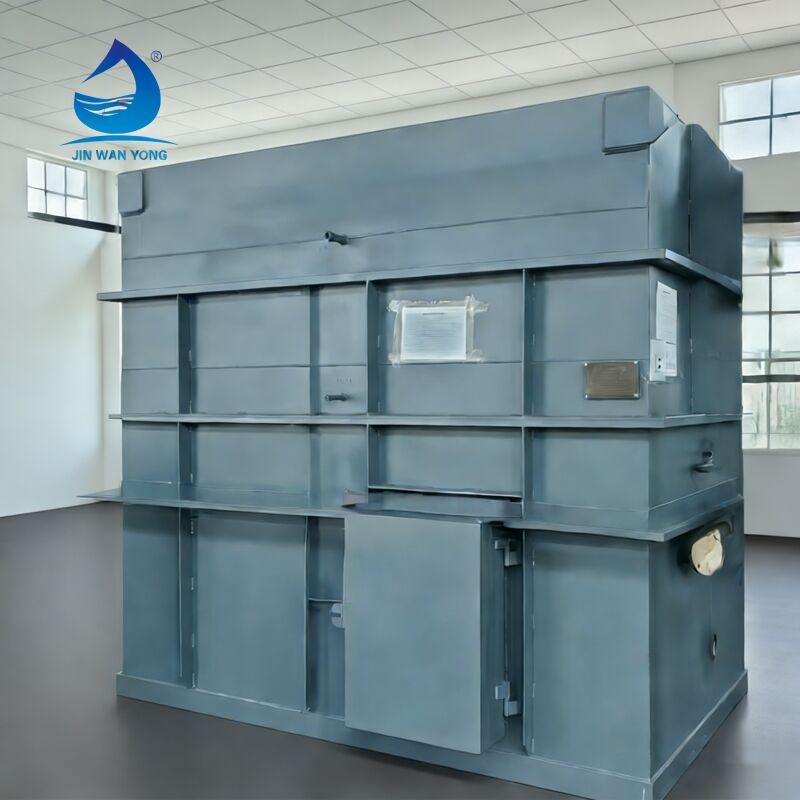
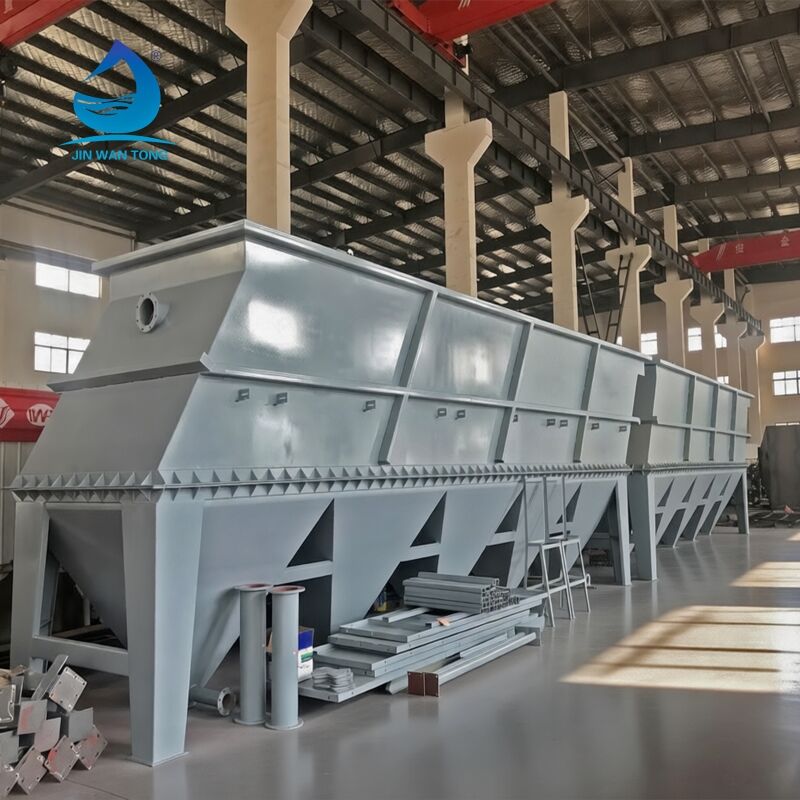
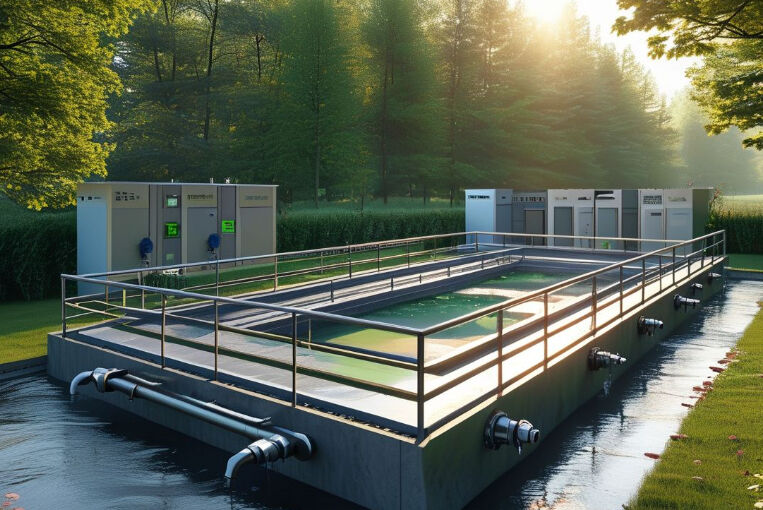
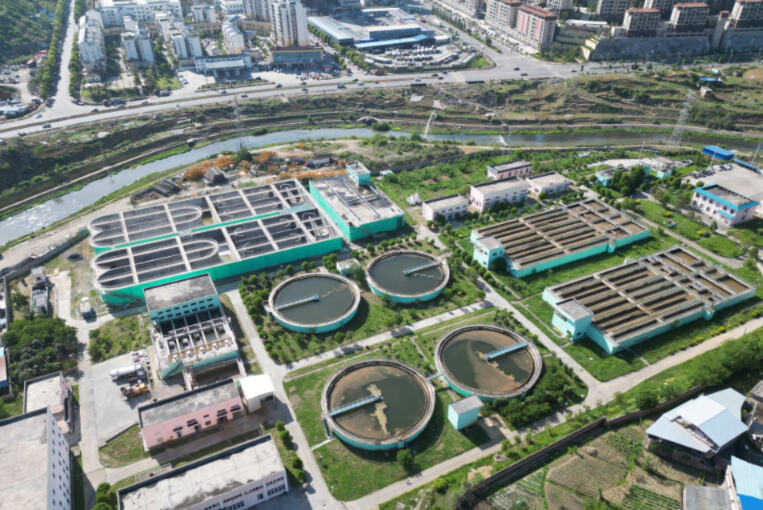
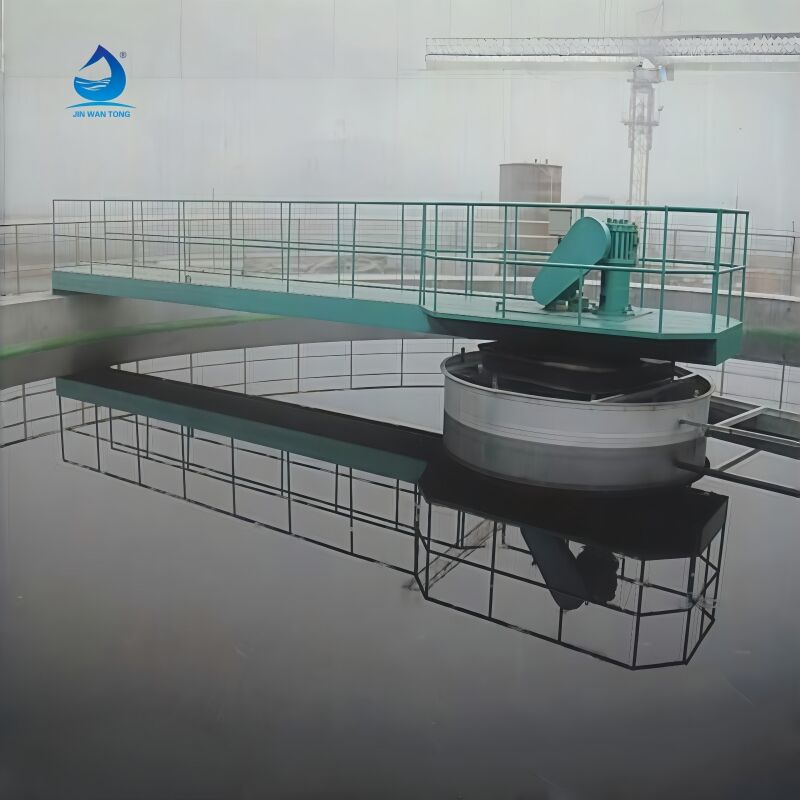
The rectangular sedimentation tank represents a cornerstone technology in water treatment facilities, serving as a critical component for removing suspended solids and clarifying water through gravitational settling processes. This engineered system operates on the fundamental principle of allowing heavier particles to settle naturally while lighter materials remain in suspension, creating clean, clarified effluent suitable for further treatment or discharge. The rectangular sedimentation tank design incorporates specific hydraulic characteristics that optimize settling efficiency while maintaining consistent flow patterns throughout the treatment process. These tanks feature inlet zones designed to distribute incoming water evenly across the tank width, preventing short-circuiting and ensuring uniform particle distribution. The settling zone provides adequate retention time for particles to separate from the water column, while the outlet zone collects clarified water through carefully positioned weirs or collection systems. Modern rectangular sedimentation tank installations incorporate advanced sludge removal mechanisms, including chain and flight collectors or traveling bridge systems that continuously remove settled solids from the tank bottom. The technology proves essential in municipal wastewater treatment plants, industrial water treatment facilities, and drinking water preparation systems. These tanks handle varying flow rates and particle loads while maintaining consistent treatment performance across different operating conditions. The rectangular configuration offers several design advantages over circular alternatives, including easier integration into existing facility layouts and more efficient use of available space. Construction materials typically include reinforced concrete for structural integrity and long-term durability, with specialized coatings applied to prevent corrosion in harsh treatment environments. The rectangular sedimentation tank system requires minimal energy input compared to other treatment technologies, relying primarily on gravity for separation processes. Regular maintenance involves sludge removal, mechanical system inspections, and occasional cleaning of collection mechanisms to ensure optimal performance throughout the operational lifecycle.
 EN
EN