Sludge Sedimentation Tank: Efficient Wastewater Treatment Solutions for Industrial Applications

All Categories

Get a Free Quote

Our representative will contact you soon.
Email
Name
Company Name
Message
0/1000

sludge sedimentation tank

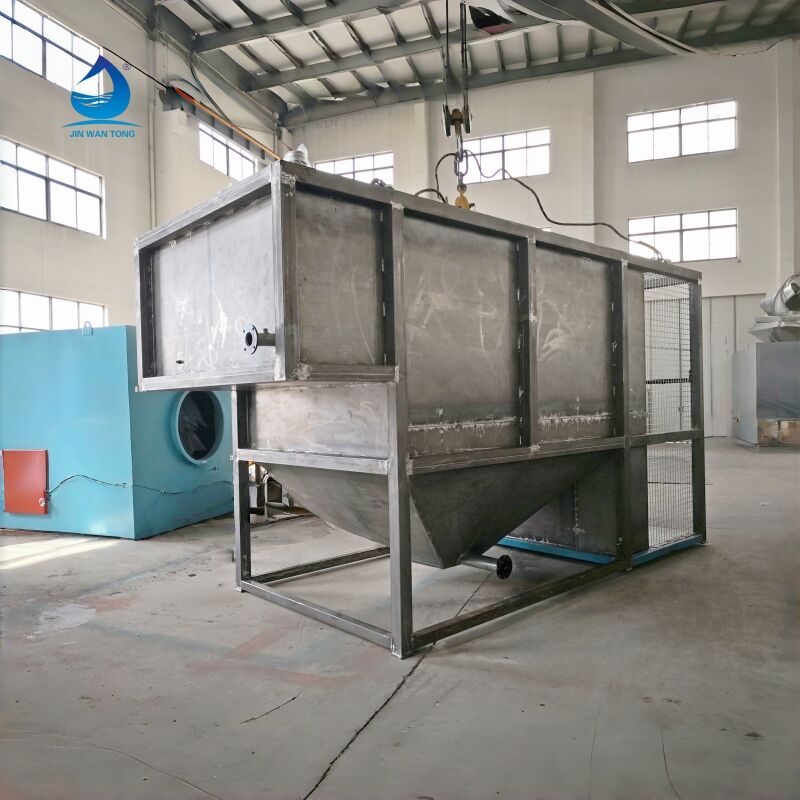
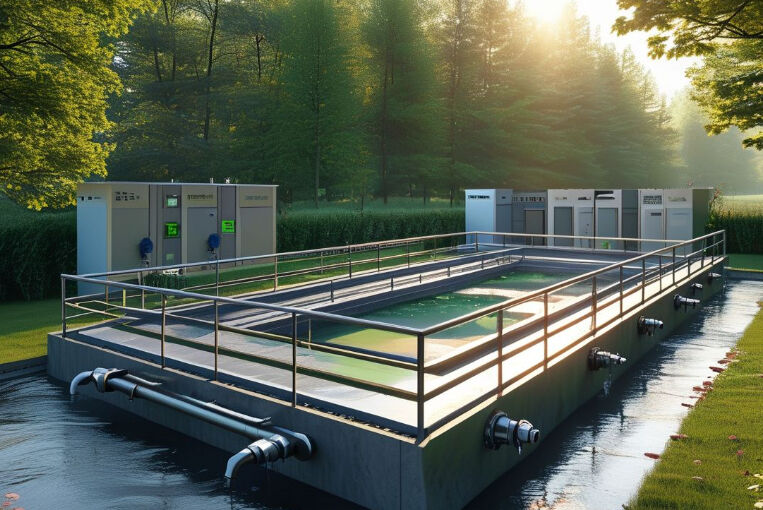
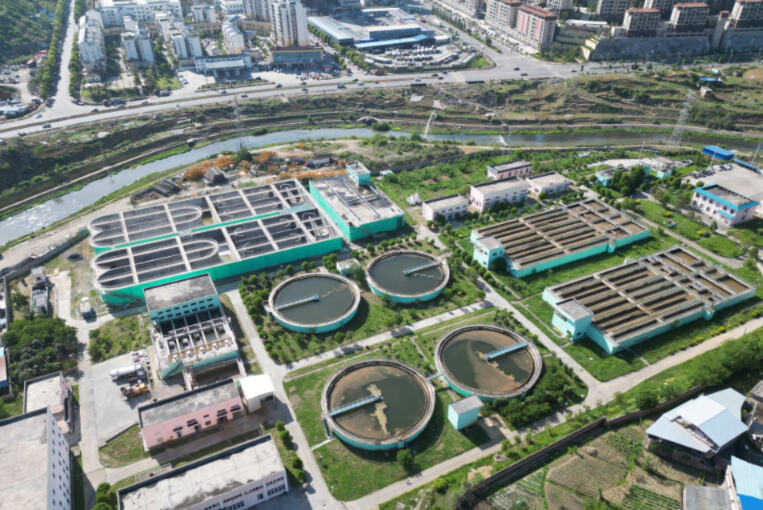
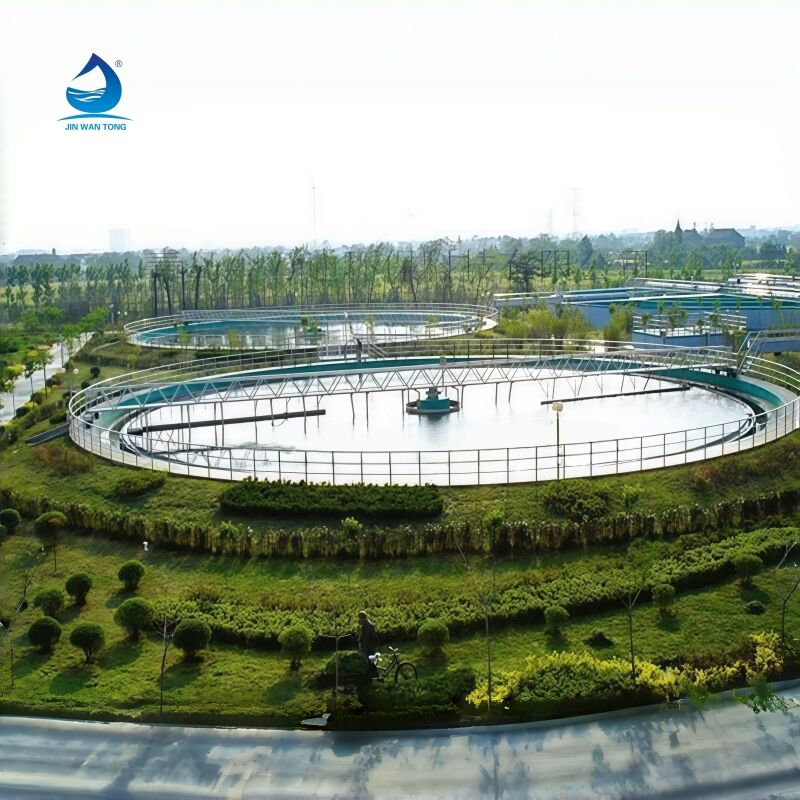
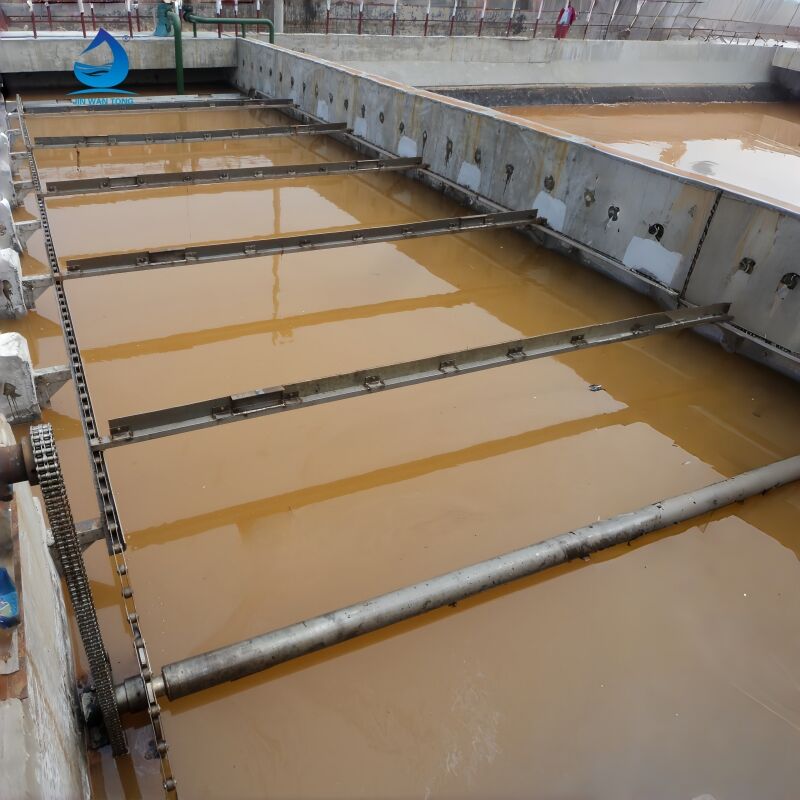
The sludge sedimentation tank represents a crucial component in modern wastewater treatment facilities, designed to efficiently separate solid particles from liquid waste streams through the natural process of gravity settling. This sophisticated treatment system operates as a primary clarification unit where heavier suspended solids gradually settle to the bottom, forming a concentrated sludge layer while allowing cleaner water to overflow from the surface. The sludge sedimentation tank utilizes fundamental principles of physics, specifically the difference in density between water and solid particles, to achieve effective separation without requiring complex mechanical processes. The tank's design typically features a circular or rectangular configuration with optimized dimensions that promote ideal settling conditions. Key technological features include adjustable inlet and outlet systems that control flow rates, ensuring optimal residence time for complete sedimentation. Advanced models incorporate automated sludge removal mechanisms, including rotating scrapers and pumping systems that continuously collect settled solids from the tank bottom. The sludge sedimentation tank also features overflow weirs positioned at precise heights to maintain consistent water levels and prevent turbulence that could disturb the settling process. Temperature control systems and chemical dosing capabilities enhance performance by optimizing conditions for rapid particle aggregation. Modern units integrate monitoring sensors that track turbidity levels, sludge depth, and flow rates, providing real-time data for operational adjustments. Applications span across municipal wastewater treatment plants, industrial facilities processing contaminated water, mining operations managing tailings, and food processing plants handling organic waste streams. The sludge sedimentation tank proves essential in preliminary treatment stages, effectively removing up to 60% of suspended solids before water proceeds to secondary biological treatment processes, making it an indispensable element in comprehensive water purification systems.
New Products

The sludge sedimentation tank delivers exceptional cost-effectiveness by operating without electricity-intensive mechanical components, relying instead on gravity to achieve separation, which significantly reduces operational expenses over time. This system provides substantial energy savings compared to alternative treatment methods, making it an economically viable solution for facilities managing large volumes of wastewater daily. The tank offers remarkable versatility in handling various types of suspended solids, from fine organic particles to heavier inorganic materials, adapting seamlessly to different industrial applications without requiring major modifications. Installation proves straightforward and cost-efficient, as the sludge sedimentation tank requires minimal site preparation and can be constructed using readily available materials, reducing initial capital investment. Maintenance demands remain exceptionally low, with simple cleaning procedures and occasional equipment inspections ensuring long-term reliability without specialized technical expertise. The system demonstrates impressive durability, constructed from corrosion-resistant materials that withstand harsh chemical environments and extreme weather conditions, providing decades of dependable service. Operational flexibility allows facility managers to adjust retention times, flow rates, and chemical dosing parameters to optimize performance for specific waste characteristics and treatment objectives. The sludge sedimentation tank achieves consistent removal efficiencies, typically eliminating 50-70% of suspended solids in primary treatment applications, creating predictable outcomes that facilitate downstream process planning. Environmental benefits include reduced chemical consumption compared to alternative clarification methods, minimizing the ecological impact while maintaining high treatment standards. Scalability represents another significant advantage, as these systems can be easily expanded or reconfigured to accommodate growing treatment demands without disrupting existing operations. The tank's simple design minimizes potential failure points, ensuring reliable operation even in challenging conditions where more complex systems might struggle. Staff training requirements remain minimal due to the straightforward operational principles, reducing labor costs and enabling quick implementation. The sludge sedimentation tank also provides excellent pre-treatment for downstream biological processes, improving their efficiency and extending equipment lifespan by removing materials that could interfere with microbial activity or cause mechanical wear.

Tips And Tricks

Overview of the Agricultural Wastewater Treatment Market

17

Dec

Overview of the Agricultural Wastewater Treatment Market

View More
Global Real-Time Wastewater Treatment Update

17

Dec

Global Real-Time Wastewater Treatment Update

View More
Navigating the Waters: The Role of an Industrial Wastewater Treatment Plant

17

Dec

Navigating the Waters: The Role of an Industrial Wastewater Treatment Plant

View More

Get a Free Quote

Our representative will contact you soon.
Email
Name
Company Name
Message
0/1000

sludge sedimentation tank

Superior Solid-Liquid Separation Efficiency

Superior Solid-Liquid Separation Efficiency

The sludge sedimentation tank excels in achieving remarkable solid-liquid separation efficiency through its scientifically optimized design parameters that maximize settling performance while minimizing operational complexity. The tank's carefully calculated surface area and depth ratios create ideal hydrodynamic conditions that promote rapid particle settling without causing turbulence that could resuspend previously settled materials. Advanced inlet distribution systems ensure uniform flow patterns throughout the tank volume, preventing short-circuiting and dead zones that could compromise treatment effectiveness. The sludge sedimentation tank incorporates sophisticated overflow mechanisms positioned at precise elevations to maintain optimal water levels and residence times, typically ranging from 1.5 to 4 hours depending on waste characteristics and treatment objectives. This extended retention period allows even fine particles to settle completely, achieving removal efficiencies that often exceed 65% for suspended solids in primary treatment applications. The system's ability to handle varying influent loads without performance degradation makes it particularly valuable for industrial facilities experiencing fluctuating waste generation patterns. Temperature stratification within the tank enhances settling by creating density gradients that further accelerate particle deposition, while specialized baffle systems minimize surface turbulence that could interfere with the clarification process. The sludge sedimentation tank's design accommodates chemical addition points where coagulants and flocculants can be introduced to enhance particle aggregation, significantly improving removal of colloidal materials that might otherwise pass through the system. Regular monitoring capabilities built into modern units provide real-time feedback on performance parameters, enabling operators to make immediate adjustments that maintain peak efficiency. The concentrated sludge layer that forms at the tank bottom creates a natural filter bed that captures additional fine particles, providing secondary clarification benefits beyond the primary gravity settling mechanism, ultimately delivering superior water quality improvements that exceed regulatory requirements and reduce treatment costs.
Low-Maintenance Operation with Maximum Reliability

Low-Maintenance Operation with Maximum Reliability

The sludge sedimentation tank stands out for its exceptionally low-maintenance operation, engineered with robust components that deliver maximum reliability while minimizing downtime and service requirements. The system's fundamental reliance on gravity-driven processes eliminates the need for complex mechanical equipment prone to frequent breakdowns, creating a treatment solution that operates continuously with minimal intervention. Constructed using high-grade materials specifically selected for their resistance to corrosion and chemical attack, the sludge sedimentation tank maintains structural integrity even when processing aggressive industrial wastewaters containing acids, bases, or other potentially damaging substances. The tank's simple design philosophy incorporates proven engineering principles that have demonstrated reliability over decades of industrial application, ensuring predictable performance that facility managers can depend upon for critical treatment operations. Automated sludge removal systems integrated within modern units feature heavy-duty mechanisms designed for years of continuous operation, with sealed bearings and corrosion-resistant components that require only periodic lubrication and visual inspection. The sludge sedimentation tank's monitoring systems provide early warning of potential issues through continuous tracking of key performance indicators, enabling preventive maintenance scheduling that prevents costly emergency repairs and unplanned shutdowns. Cleaning procedures remain straightforward and can typically be performed by existing facility personnel without requiring specialized contractors or expensive equipment, reducing ongoing operational costs significantly. The system's modular design allows individual components to be serviced or replaced without shutting down the entire treatment process, maintaining continuous operation even during maintenance activities. Spare parts availability remains excellent due to the standardized components used throughout the industry, ensuring rapid repair times and reasonable replacement costs. The sludge sedimentation tank's proven track record in diverse applications demonstrates its ability to operate reliably in challenging environments, from tropical climates with high humidity to industrial settings with extreme temperature variations. Quality control measures during manufacturing ensure consistent performance across all units, while comprehensive testing protocols verify reliability standards before delivery, providing customers with confidence in their investment and long-term operational success.
Versatile Application Across Multiple Industries

Versatile Application Across Multiple Industries

The sludge sedimentation tank demonstrates remarkable versatility across diverse industrial applications, adapting seamlessly to unique treatment requirements while maintaining consistent performance standards that meet stringent regulatory compliance demands. Municipal wastewater treatment facilities rely heavily on these systems for primary clarification, where the sludge sedimentation tank effectively removes organic solids and debris before biological treatment processes, significantly improving downstream efficiency and reducing operational costs. Industrial applications span numerous sectors, including chemical manufacturing where the tank handles complex waste streams containing various suspended materials, food processing facilities managing organic waste with high solid content, and textile operations dealing with fiber-laden effluents that require effective clarification. Mining operations utilize sludge sedimentation tanks for tailings management, where the system separates valuable minerals from waste materials while producing clarified water suitable for recycling back into processing operations, demonstrating environmental stewardship and resource conservation. Pharmaceutical manufacturing facilities depend on these tanks to manage waste containing active ingredients and processing aids, achieving the high removal efficiencies required to meet strict discharge standards while maintaining cost-effective operations. The sludge sedimentation tank proves equally valuable in petroleum refining applications where oil-water separation combined with solids removal creates multiple treatment challenges that the system addresses through its multi-phase separation capabilities. Paper and pulp industries utilize these tanks to recover fiber materials while clarifying process water for reuse, supporting sustainable manufacturing practices that reduce both waste generation and fresh water consumption. Agricultural processing facilities implement sludge sedimentation tanks to manage seasonal waste loads from crop processing, handling organic materials that vary significantly in characteristics throughout the year while maintaining consistent treatment performance. The system's adaptability extends to emergency response applications where temporary treatment capabilities are needed rapidly, as portable sludge sedimentation tanks can be deployed quickly to address contamination events or provide backup treatment capacity during plant maintenance. Custom modifications allow the tank to accommodate specific industry requirements, including specialized materials of construction, unique inlet/outlet configurations, and integrated chemical feed systems that optimize performance for particular waste characteristics, ensuring optimal treatment results regardless of application complexity.
Sludge Sedimentation Tank: Efficient Wastewater Treatment Solutions for Industrial Applications

Get a Free Quote

Our representative will contact you soon.
Email
Name
Company Name
Message
0/1000