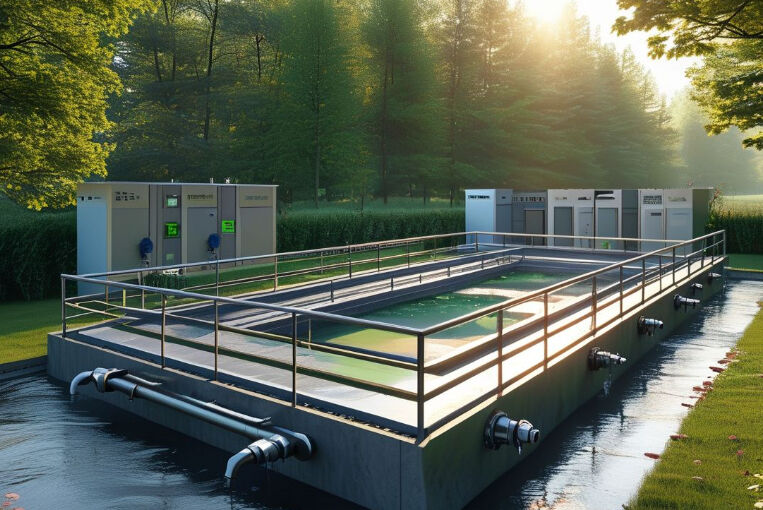
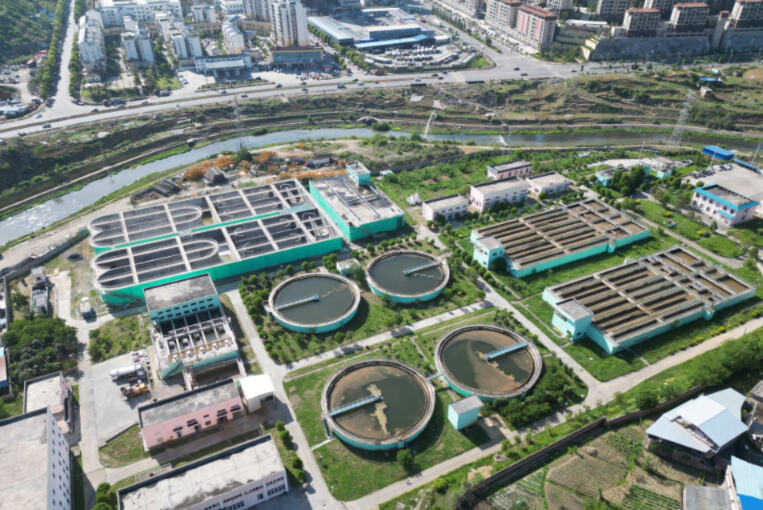
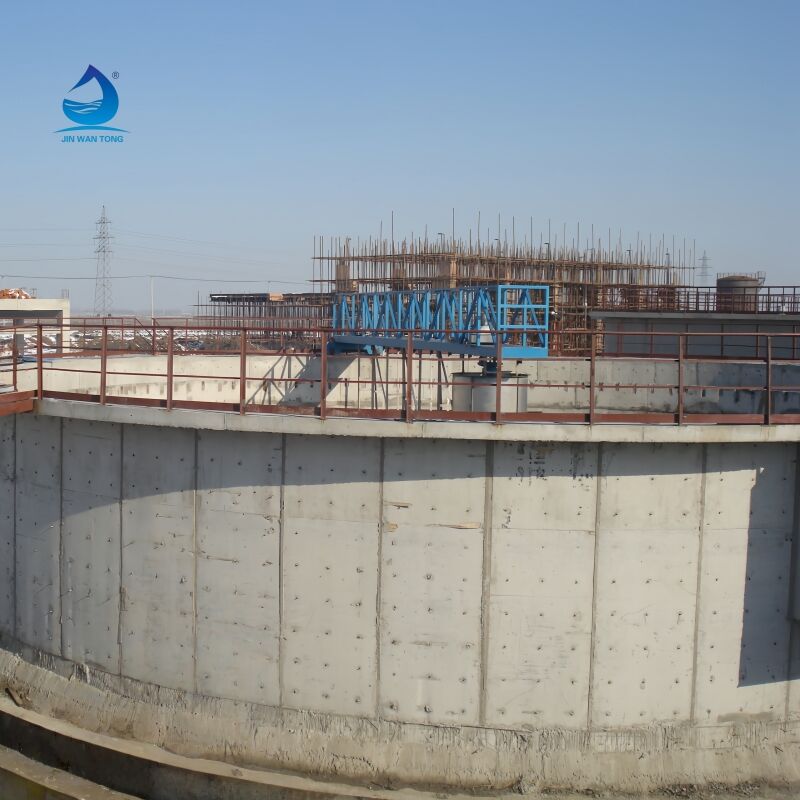
sedimentation tank in sewage treatment plant
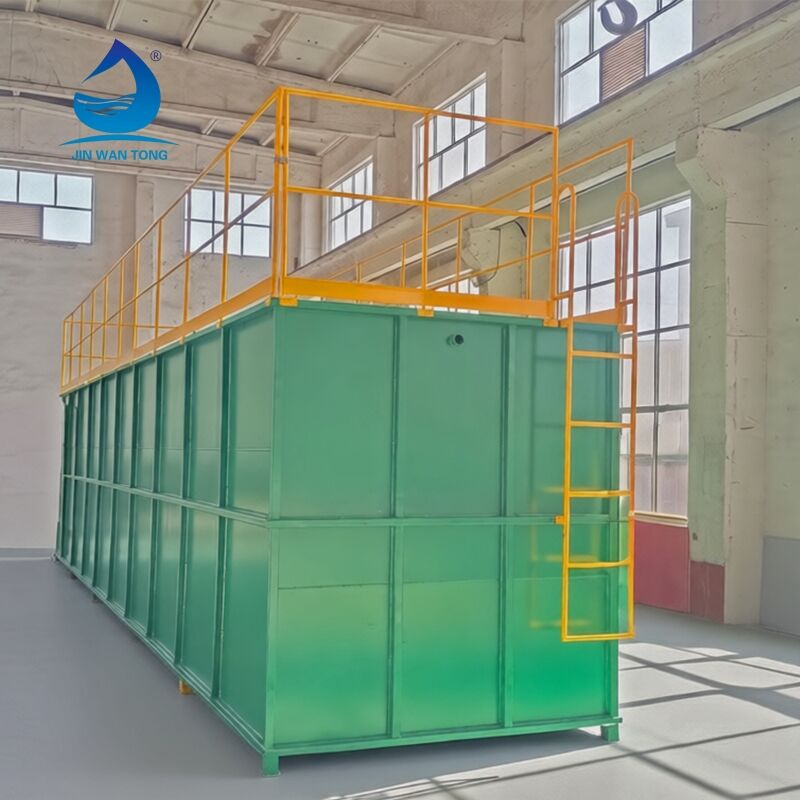
The sedimentation tank in sewage treatment plant represents a fundamental component of wastewater management systems, serving as the cornerstone for effective solid-liquid separation processes. This essential infrastructure operates through gravitational settling principles, where suspended particles naturally descend to the tank bottom while clarified water rises to the surface. The sedimentation tank in sewage treatment plant functions as both primary and secondary clarification units, depending on its position within the treatment sequence. Primary sedimentation tanks remove settleable solids and floating materials from raw wastewater, typically achieving 50-70% suspended solids removal efficiency. Secondary sedimentation tanks follow biological treatment processes, separating activated sludge from treated effluent. The technological design incorporates circular or rectangular configurations, each optimized for specific hydraulic conditions and treatment requirements. Circular sedimentation tanks feature radial flow patterns with rotating scrapers that continuously collect settled sludge toward the center, while rectangular designs utilize longitudinal flow with traveling bridge mechanisms. The sedimentation tank in sewage treatment plant employs sophisticated inlet and outlet structures to minimize turbulence and ensure uniform flow distribution. Weir systems control effluent discharge rates, maintaining optimal hydraulic residence times between 1.5 to 4 hours. Modern installations integrate automated sludge removal systems, reducing manual labor and operational costs. The tank depth typically ranges from 3 to 5 meters, providing adequate settling zones while preventing resuspension of accumulated solids. Surface skimming mechanisms remove floating debris, oils, and scum layers that would otherwise compromise treatment efficiency. The sedimentation tank in sewage treatment plant accommodates various loading rates, with surface overflow rates typically maintained between 20-40 cubic meters per square meter per day. These structures handle diverse wastewater compositions from municipal, industrial, and commercial sources, adapting to fluctuating flow conditions through flexible operational parameters.
 EN
EN