Commercial Sink Grease Traps: Advanced Wastewater Management Solutions for Restaurants

All Categories

Get a Free Quote

Our representative will contact you soon.
Email
Name
Company Name
Message
0/1000

grease trap for commercial sinks

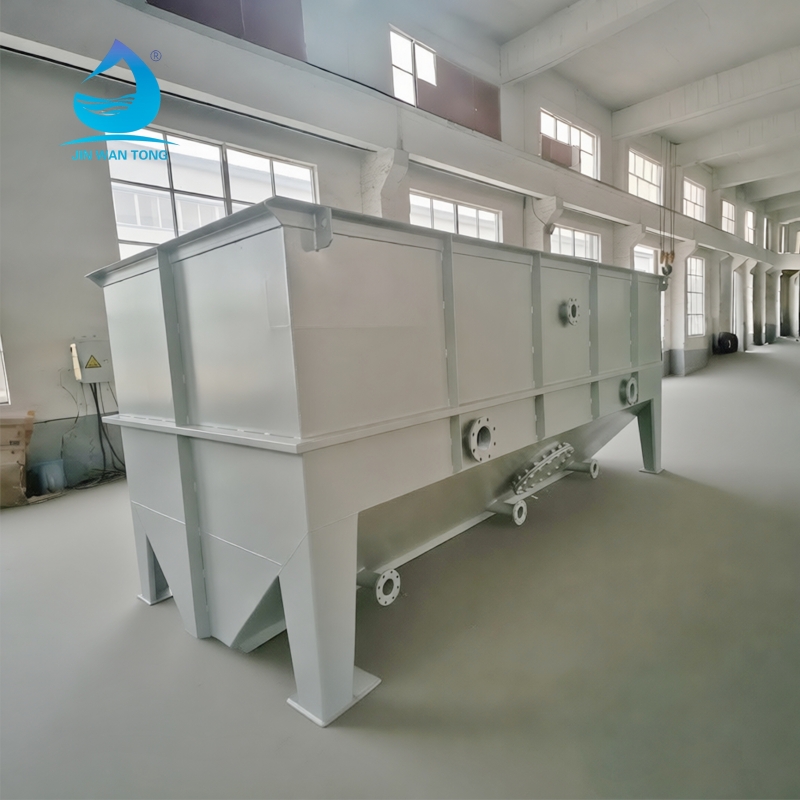
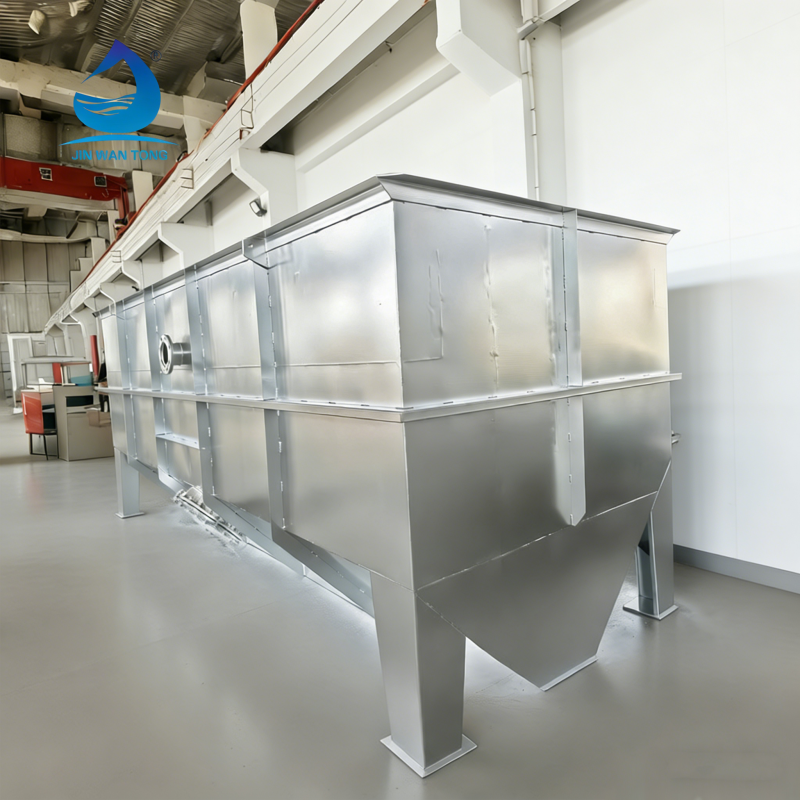
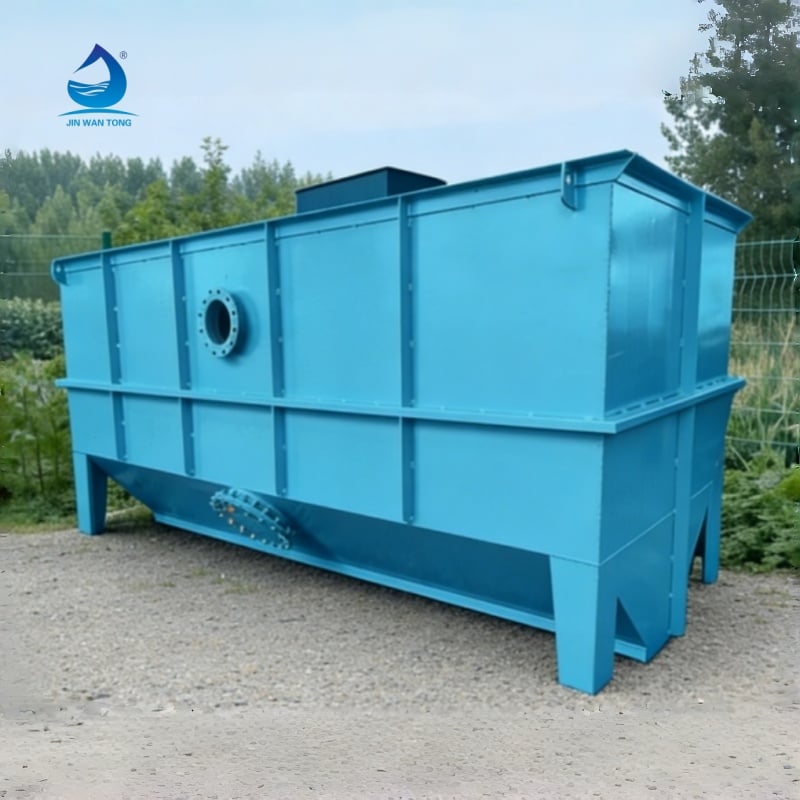
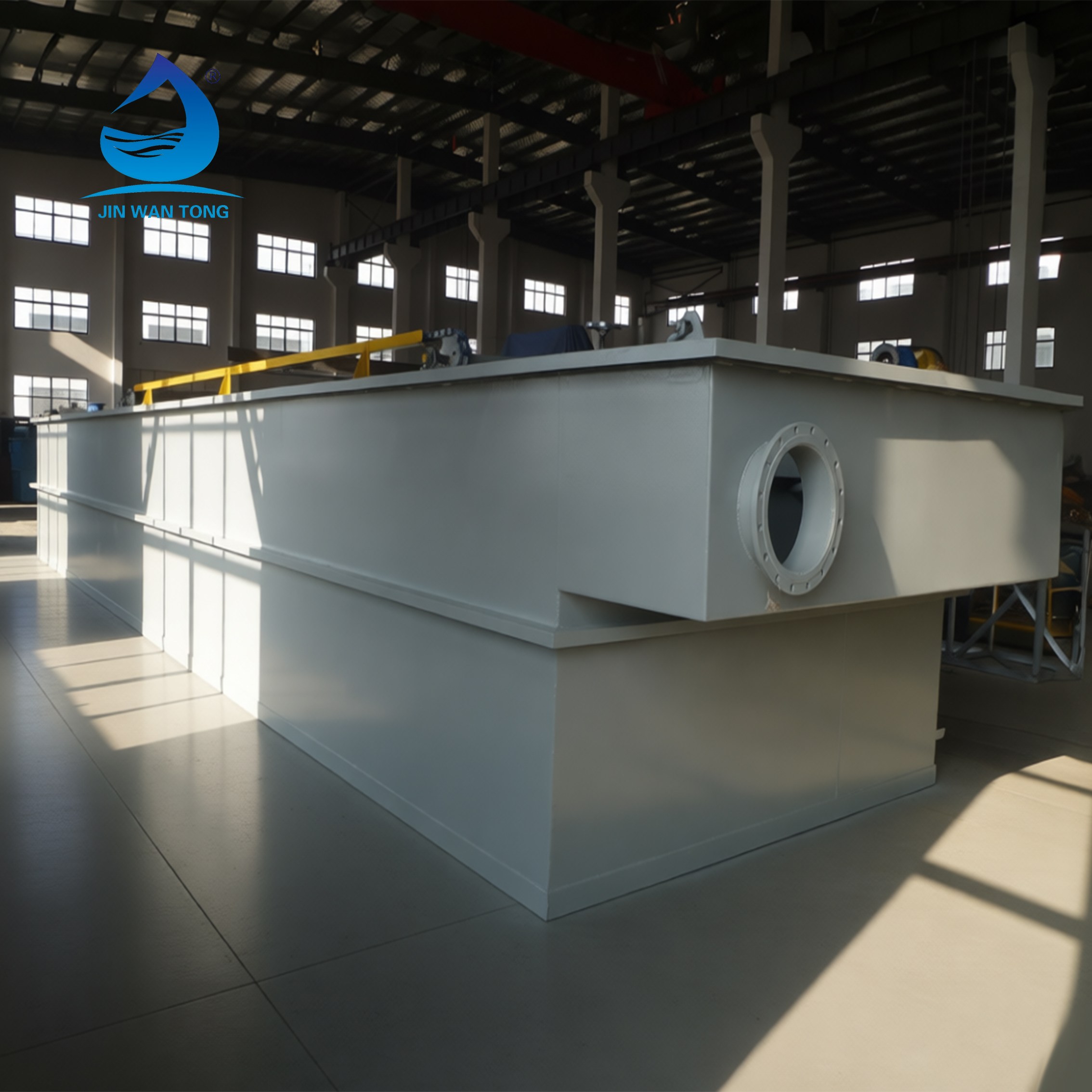
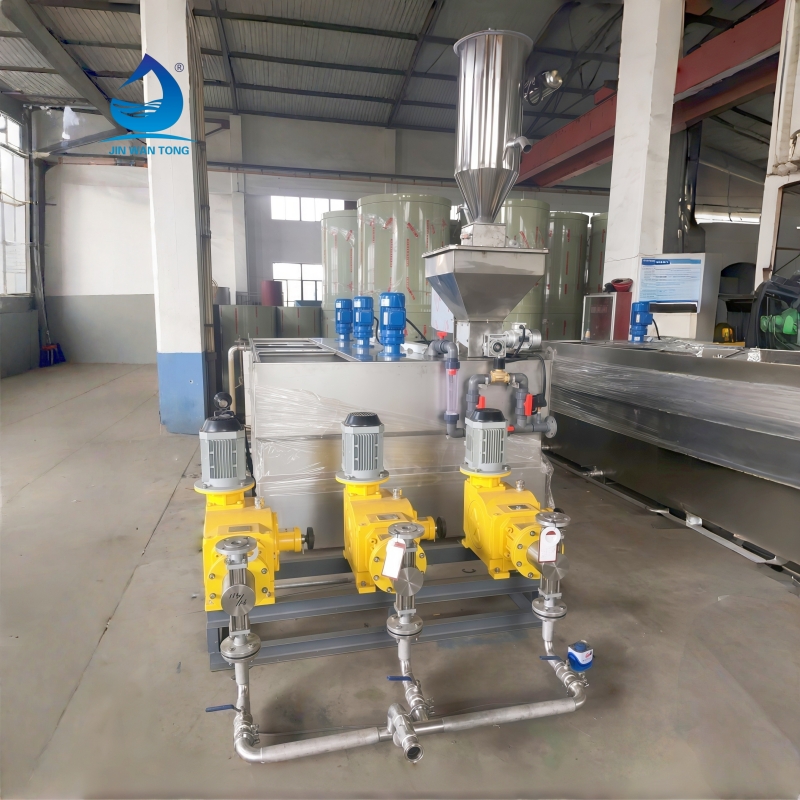
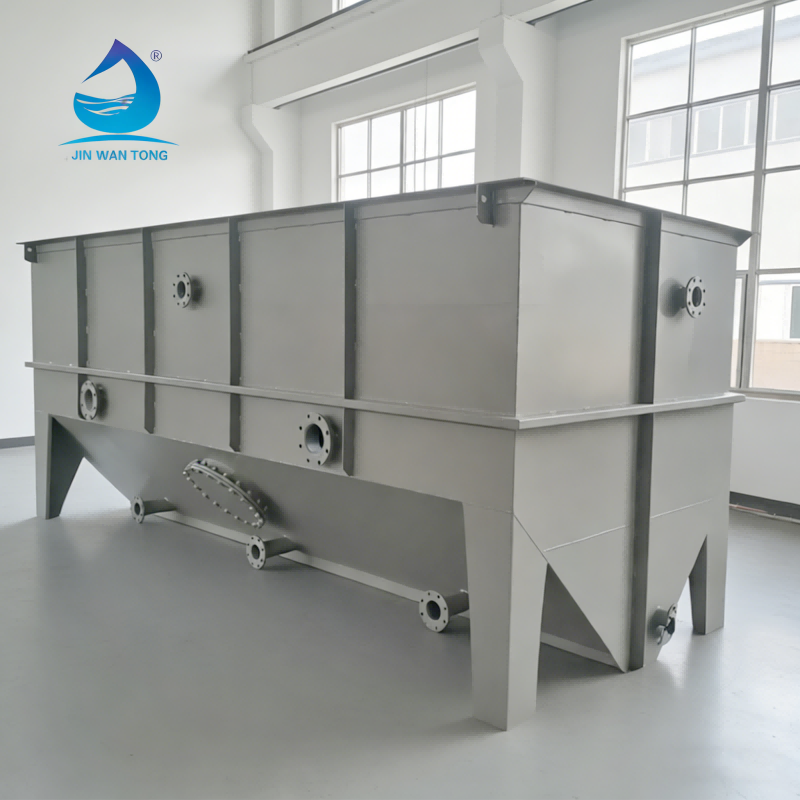
A grease trap for commercial sinks represents an essential wastewater management system designed specifically for restaurants, cafeterias, hotels, and other foodservice establishments. This sophisticated device effectively captures fats, oils, and grease (FOG) before they enter municipal sewer systems, preventing costly blockages and environmental contamination. The grease trap for commercial sinks operates through a simple yet effective gravitational separation process, where wastewater flows through specially designed chambers that allow grease particles to rise to the surface while heavier solids settle at the bottom. Modern commercial sink grease traps incorporate advanced engineering principles, featuring multiple compartments with strategically positioned baffles that maximize separation efficiency. These units typically consist of an inlet pipe, settling chambers, grease storage areas, and an outlet pipe, all constructed from durable materials like stainless steel or high-density polyethylene. The technological features of contemporary grease trap systems include automatic grease removal mechanisms, temperature-resistant components, and corrosion-proof finishes that ensure long-term reliability. Many units now incorporate digital monitoring systems that track grease levels and maintenance schedules, providing real-time data to facility managers. The applications for commercial sink grease traps extend across numerous industries, including fast-food restaurants, full-service dining establishments, institutional kitchens, food processing facilities, and catering operations. These systems prove particularly valuable in high-volume cooking environments where significant amounts of cooking oils and food particles regularly enter drainage systems. Professional-grade grease trap installations for commercial sinks must comply with local plumbing codes and environmental regulations, ensuring proper sizing based on fixture units and flow rates. The installation process typically requires professional expertise to ensure optimal performance and regulatory compliance, with proper venting and accessibility for routine maintenance procedures.

New Product Releases

Commercial establishments investing in quality grease trap systems for their sinks experience numerous operational and financial benefits that significantly impact their bottom line. The primary advantage lies in preventing expensive plumbing emergencies and sewer line blockages that can cost thousands of dollars in repair fees and business interruption. A properly functioning grease trap for commercial sinks eliminates the risk of grease-related pipe obstructions, ensuring smooth wastewater flow and reducing emergency plumber visits during critical business hours. Environmental compliance represents another crucial advantage, as these systems help businesses meet strict municipal wastewater regulations and avoid hefty fines imposed for excessive grease discharge. Many local authorities now mandate grease trap installation for commercial food establishments, making compliance essential for operating licenses and avoiding regulatory penalties. The cost savings extend beyond emergency repairs to include reduced drain cleaning frequency and lower maintenance costs for downstream plumbing infrastructure. Restaurant owners report significant decreases in monthly drain cleaning expenses after installing effective grease trap systems, with some establishments eliminating routine drain cleaning entirely. Improved workplace safety emerges as an unexpected benefit, as grease traps prevent dangerous floor spills caused by backed-up drains and overflowing sinks. Staff members work more efficiently in cleaner environments without the constant threat of slippery surfaces and unpleasant odors associated with grease buildup. Modern grease trap technology offers automated features that minimize labor requirements while maximizing efficiency, allowing staff to focus on core business activities rather than drain maintenance. The reputation benefits cannot be understated, as establishments with properly functioning grease management systems avoid embarrassing health department violations and maintain higher sanitation scores. Insurance providers often recognize businesses with comprehensive grease management systems as lower-risk clients, potentially reducing liability premiums. Long-term property value protection occurs as well-maintained grease trap systems prevent structural damage to building foundations and underground utilities caused by grease infiltration.

Tips And Tricks

Overview of the Agricultural Wastewater Treatment Market

17

Dec

Overview of the Agricultural Wastewater Treatment Market

View More
Global Real-Time Wastewater Treatment Update

17

Dec

Global Real-Time Wastewater Treatment Update

View More
Navigating the Waters: The Role of an Industrial Wastewater Treatment Plant

17

Dec

Navigating the Waters: The Role of an Industrial Wastewater Treatment Plant

View More

Get a Free Quote

Our representative will contact you soon.
Email
Name
Company Name
Message
0/1000

grease trap for commercial sinks

Advanced Multi-Chamber Separation Technology

Advanced Multi-Chamber Separation Technology

The sophisticated engineering behind modern grease trap systems for commercial sinks centers on advanced multi-chamber separation technology that delivers superior performance compared to traditional single-compartment units. This innovative design incorporates multiple interconnected chambers that work synergistically to achieve maximum grease removal efficiency through extended retention time and enhanced particle separation. The first chamber serves as a pre-treatment zone where incoming wastewater undergoes initial settling, allowing larger food particles and debris to separate from the liquid stream before entering subsequent treatment stages. The secondary chamber features specialized baffle systems that create controlled turbulence patterns, promoting optimal grease particle coalescence and surface separation. This multi-stage approach ensures that even the smallest grease particles have sufficient time to rise to the surface, resulting in cleaner effluent discharge and reduced environmental impact. The technological advancement extends to temperature management systems that maintain optimal operating conditions regardless of incoming water temperature fluctuations. Many commercial establishments benefit from the enhanced capacity that multi-chamber designs provide, as these systems can handle higher flow rates without compromising separation efficiency. The modular construction allows for customized configurations based on specific kitchen layouts and waste stream characteristics, ensuring optimal performance for diverse commercial applications. Maintenance requirements become more manageable with compartmentalized designs, as different chambers can be serviced independently without disrupting entire system operation. The durability advantages of multi-chamber grease trap systems include reduced wear on individual components due to distributed workload and improved longevity through specialized materials designed for each chamber's specific function. Professional installation teams can optimize chamber sizing and configuration to match peak flow demands, ensuring consistent performance during busy service periods when grease loads are highest.
Automated Monitoring and Maintenance Systems

Automated Monitoring and Maintenance Systems

Revolutionary automated monitoring technology transforms traditional grease trap maintenance from reactive to proactive management, delivering unprecedented operational efficiency for commercial sink applications. These intelligent systems continuously track grease accumulation levels, water flow rates, and system performance parameters through advanced sensor networks that provide real-time data to facility managers. The automated alert systems notify operators when grease levels approach capacity limits, preventing overflow conditions that could result in costly cleanup and regulatory violations. Digital monitoring interfaces display comprehensive system status information through user-friendly dashboards accessible via mobile devices or computer terminals, enabling remote system oversight and maintenance scheduling optimization. The predictive maintenance capabilities analyze historical performance data to identify optimal cleaning intervals based on actual usage patterns rather than arbitrary time schedules, reducing unnecessary service calls while preventing emergency situations. Temperature sensors monitor incoming water temperatures and automatically adjust system parameters to maintain peak separation efficiency under varying operating conditions. Flow rate monitoring ensures that the grease trap for commercial sinks operates within designed capacity limits, providing early warning when kitchen modifications or increased business volume exceed system capabilities. The data logging features create comprehensive maintenance records that demonstrate regulatory compliance and support insurance claims in case of system-related incidents. Integration capabilities allow these monitoring systems to connect with existing building management platforms, creating centralized control over multiple facility systems. The cost savings associated with automated monitoring include reduced labor costs for manual inspections, optimized service scheduling that minimizes business disruption, and extended equipment lifespan through proper maintenance timing. Advanced systems incorporate machine learning algorithms that continuously improve performance predictions based on facility-specific usage patterns, delivering increasingly accurate maintenance forecasting over time. The professional service benefits extend to maintenance contractors who can plan service routes more efficiently and arrive at facilities with appropriate equipment and materials based on real-time system data.
Eco-Friendly Waste Recovery and Processing

Eco-Friendly Waste Recovery and Processing

Environmental sustainability drives the development of advanced waste recovery systems that transform grease trap operations from simple waste disposal to valuable resource recovery for commercial sink applications. These innovative systems incorporate biological treatment processes that break down organic waste materials naturally, reducing environmental impact while generating useful byproducts for various applications. The aerobic digestion technology employed in modern grease trap systems accelerates natural decomposition processes, significantly reducing solid waste volumes that require disposal and minimizing the carbon footprint associated with waste transportation. Grease recovery systems extract and purify separated fats and oils for conversion into biodiesel fuel, creating revenue streams for commercial establishments while supporting renewable energy initiatives. The closed-loop processing approach ensures that minimal waste materials require landfill disposal, as most separated components undergo beneficial reuse or recycling processes. Water treatment integration allows treated effluent to meet or exceed municipal discharge standards, reducing strain on public wastewater treatment facilities and supporting community environmental goals. The microbial enhancement options introduce beneficial bacteria cultures that accelerate grease breakdown and improve overall system efficiency while maintaining natural biological processes. Energy recovery systems capture biogas produced during anaerobic digestion processes, providing supplemental energy for facility operations or hot water heating applications. The nutrient recovery capabilities extract valuable compounds from food waste components, creating organic fertilizer products suitable for agricultural applications or landscape maintenance. Commercial establishments implementing comprehensive waste recovery systems often qualify for environmental incentives and sustainability certifications that enhance their market reputation and customer appeal. The regulatory advantages include simplified compliance reporting as waste recovery systems typically exceed minimum environmental standards and demonstrate commitment to sustainable business practices. Long-term operational benefits encompass reduced waste disposal costs, potential revenue generation from recovered materials, and improved community relations through demonstrated environmental stewardship. The scalability features allow waste recovery systems to expand with business growth, ensuring continued environmental benefits as operations increase in size and complexity.
Commercial Sink Grease Traps: Advanced Wastewater Management Solutions for Restaurants

Get a Free Quote

Our representative will contact you soon.
Email
Name
Company Name
Message
0/1000