Complete Guide to Sedimentation Tank Types: Efficient Water Treatment Solutions

All Categories

Get a Free Quote

Our representative will contact you soon.
Email
Name
Company Name
Message
0/1000

sedimentation tank types

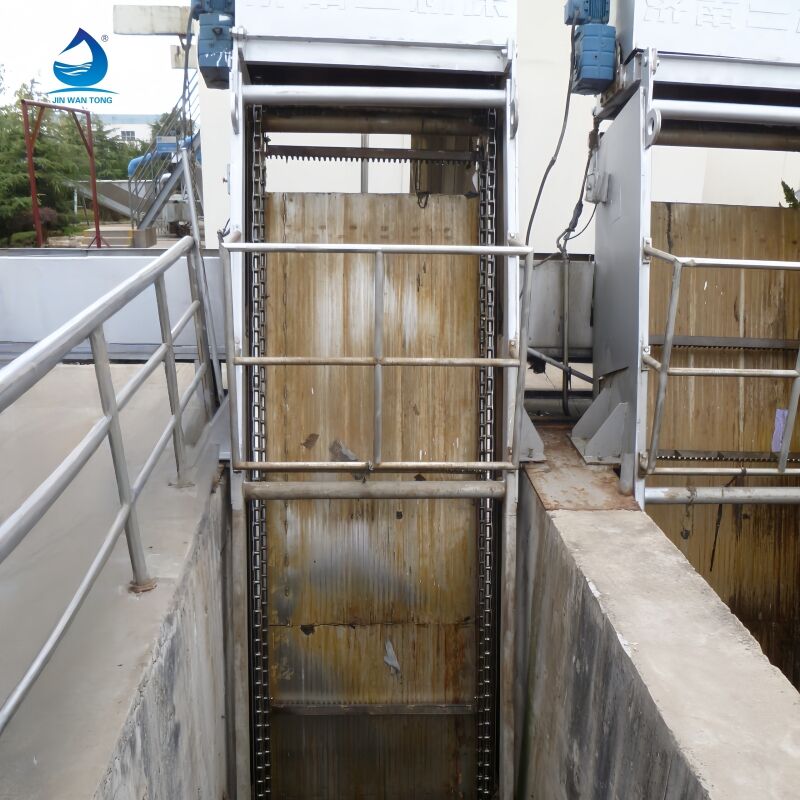
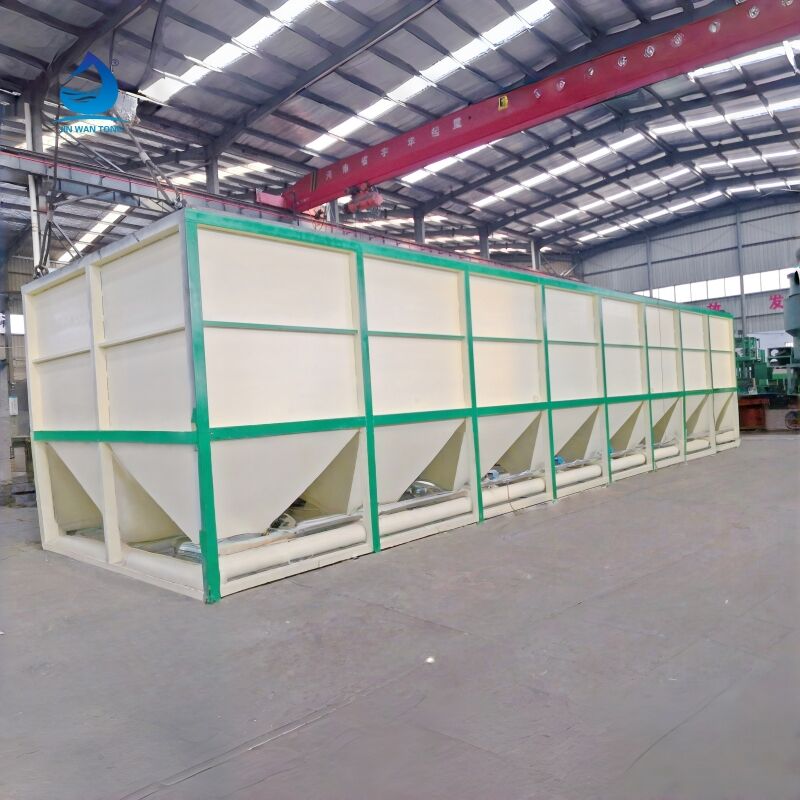
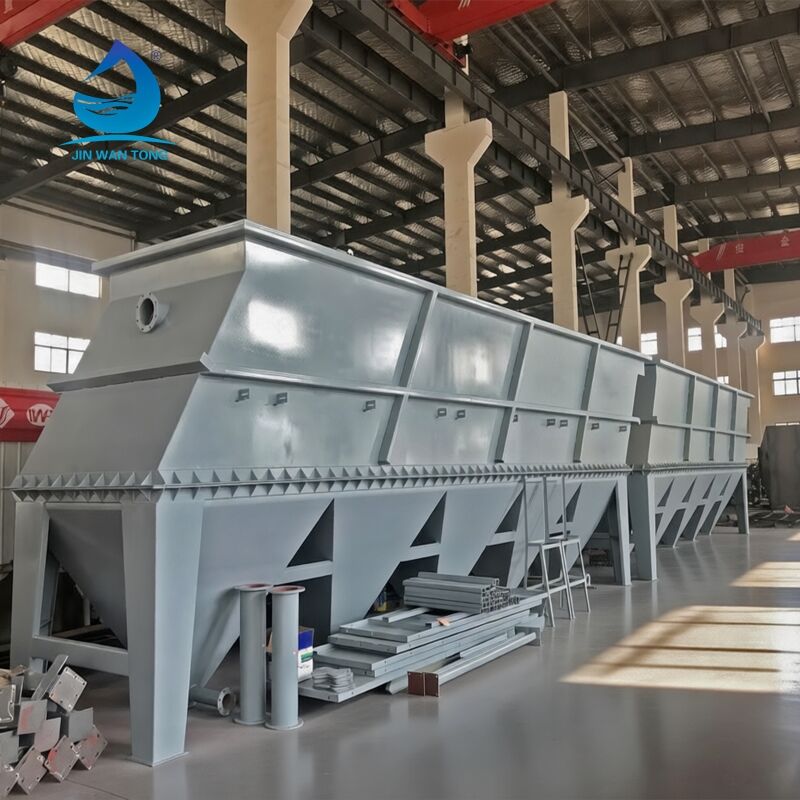
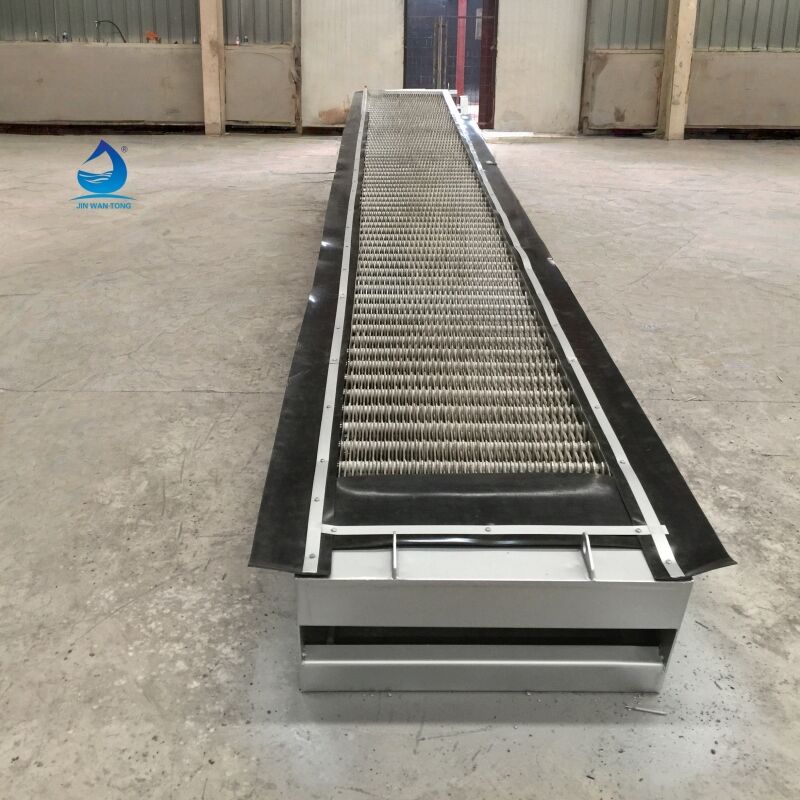
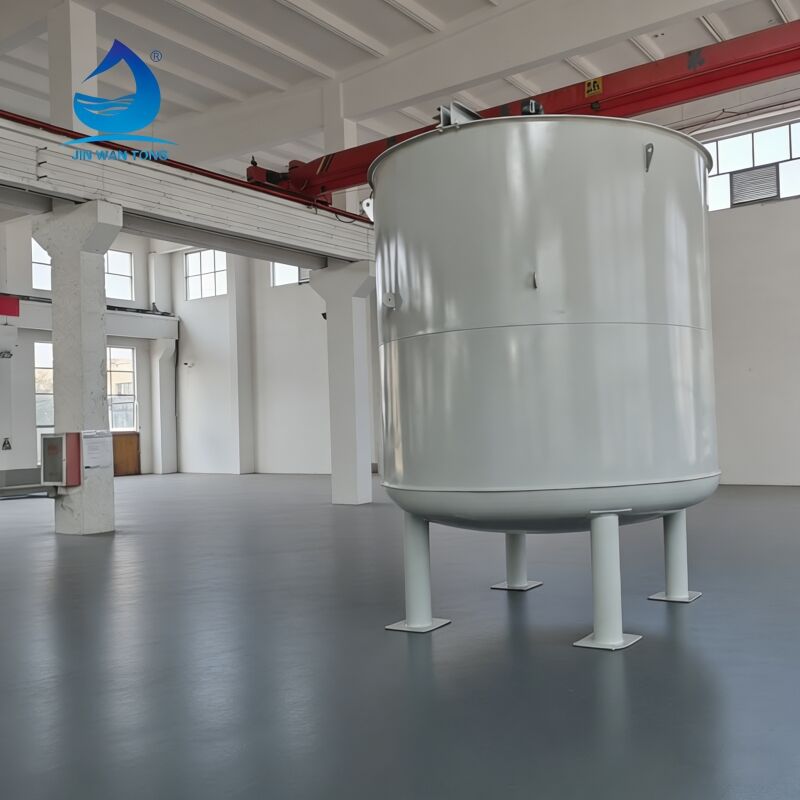
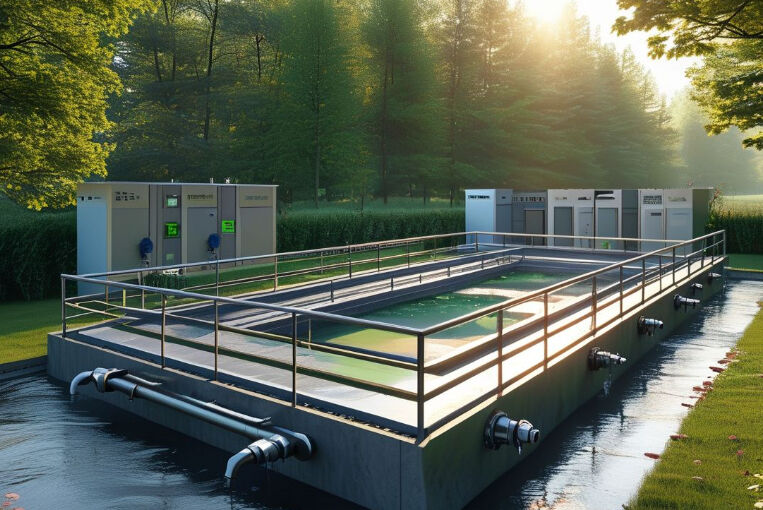
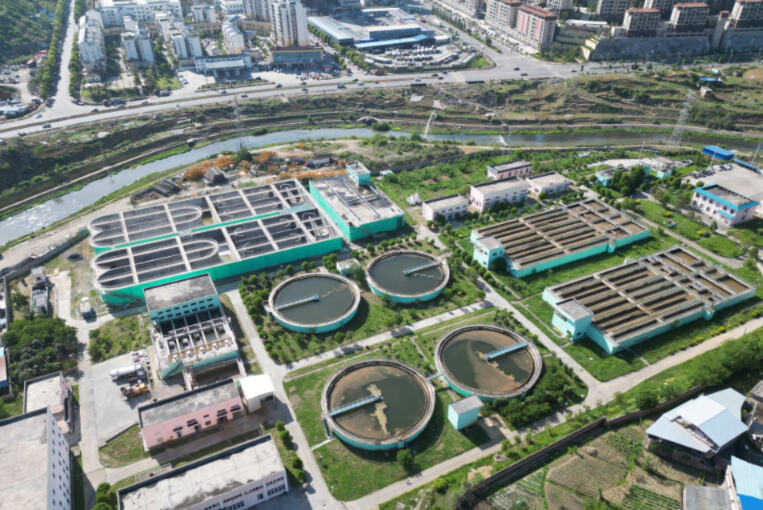
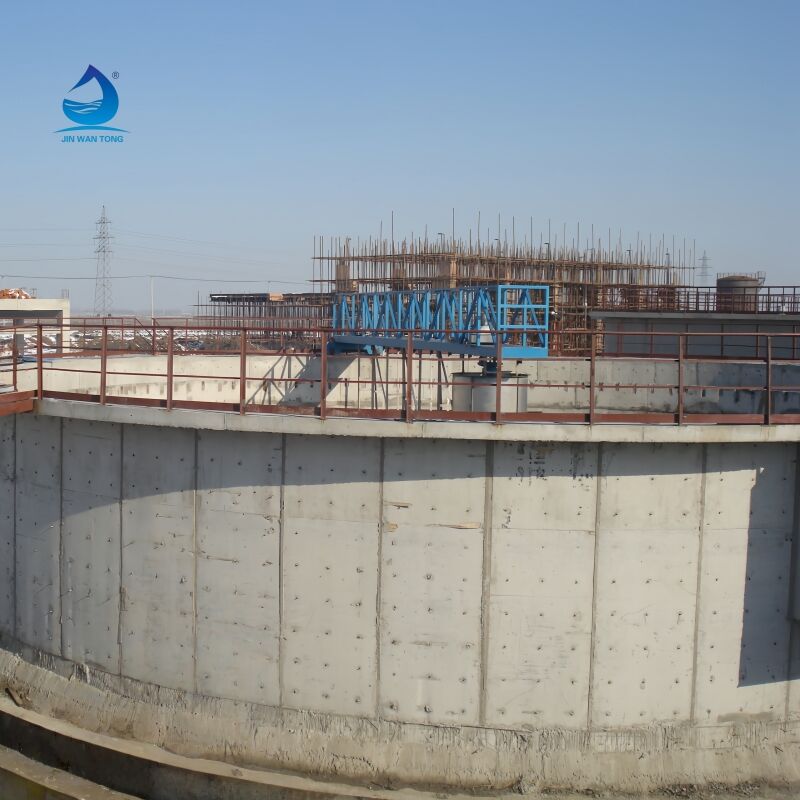
Sedimentation tank types represent essential components in water and wastewater treatment systems, designed to remove suspended solids through gravity separation processes. These specialized structures facilitate the settling of heavier particles while allowing cleaner water to flow forward in the treatment process. Primary sedimentation tank types include rectangular clarifiers, circular clarifiers, and lamella settlers, each engineered to address specific treatment requirements and site constraints. The fundamental function of these sedimentation tank types involves creating optimal conditions for particle settling by reducing water velocity and providing adequate retention time. Modern sedimentation tank types incorporate advanced features such as mechanical scrapers, skimming systems, and sludge removal mechanisms to enhance operational efficiency. Rectangular sedimentation tank types offer excellent performance in linear flow configurations, making them ideal for facilities with space limitations or specific layout requirements. These systems typically feature chain-and-flight mechanisms or traveling bridge collectors for continuous sludge removal. Circular sedimentation tank types utilize radial flow patterns and rotating mechanisms to achieve uniform settling conditions across the entire tank surface. The rotating scrapers in these sedimentation tank types continuously move settled material toward central collection points for efficient removal. Lamella sedimentation tank types employ inclined plates or tubes to increase effective settling area within compact footprints, making them particularly valuable where space optimization is crucial. These innovative sedimentation tank types can achieve significantly higher overflow rates compared to conventional designs while maintaining excellent removal efficiencies. Applications for various sedimentation tank types span municipal water treatment facilities, industrial wastewater processing, mining operations, and environmental remediation projects, demonstrating their versatility across diverse sectors requiring effective solid-liquid separation solutions.

Popular Products

Modern sedimentation tank types deliver exceptional operational benefits that directly impact facility performance and cost-effectiveness. These systems consistently achieve removal efficiencies exceeding 85 percent for suspended solids, significantly reducing downstream treatment burdens and extending equipment lifecycles. The robust construction of contemporary sedimentation tank types ensures decades of reliable service with minimal maintenance requirements, providing excellent return on investment for facility operators. Energy consumption remains remarkably low across all sedimentation tank types since gravity performs the primary separation work, resulting in substantial operational cost savings compared to alternative treatment technologies. Maintenance procedures for these sedimentation tank types involve straightforward inspections and routine component servicing that facility personnel can easily manage without specialized technical expertise. The modular design approach adopted by leading sedimentation tank types allows for seamless capacity expansions as treatment demands increase, protecting initial investments while accommodating future growth requirements. Process flexibility represents another significant advantage of modern sedimentation tank types, enabling operators to adjust retention times, overflow rates, and removal mechanisms to optimize performance for varying influent characteristics. Environmental compliance becomes more achievable with properly designed sedimentation tank types that consistently meet stringent discharge standards while reducing chemical consumption and waste generation. The compact footprint of advanced sedimentation tank types maximizes site utilization efficiency, particularly valuable in urban installations where land costs represent major project constraints. Automated control systems integrated into contemporary sedimentation tank types minimize operator intervention requirements while maintaining optimal performance parameters through continuous monitoring and adjustment capabilities. These systems provide real-time data feedback that enables proactive maintenance scheduling and performance optimization. Installation timelines for prefabricated sedimentation tank types remain significantly shorter than custom-built alternatives, reducing project costs and accelerating facility commissioning schedules. The proven track record of established sedimentation tank types across thousands of installations worldwide provides confidence in long-term performance reliability and technical support availability.

Tips And Tricks

Overview of the Agricultural Wastewater Treatment Market

17

Dec

Overview of the Agricultural Wastewater Treatment Market

View More
Global Real-Time Wastewater Treatment Update

17

Dec

Global Real-Time Wastewater Treatment Update

View More
Navigating the Waters: The Role of an Industrial Wastewater Treatment Plant

17

Dec

Navigating the Waters: The Role of an Industrial Wastewater Treatment Plant

View More

Get a Free Quote

Our representative will contact you soon.
Email
Name
Company Name
Message
0/1000

sedimentation tank types

Superior Solid-Liquid Separation Efficiency

Superior Solid-Liquid Separation Efficiency

The exceptional separation performance of modern sedimentation tank types stems from carefully engineered hydraulic designs that optimize settling conditions for diverse particle characteristics. These systems create controlled flow environments where suspended solids encounter ideal conditions for gravitational settling, achieving removal efficiencies that consistently exceed industry standards. The hydraulic design principles underlying effective sedimentation tank types focus on eliminating short-circuiting and dead zones that compromise treatment performance in conventional systems. Advanced inlet and outlet configurations distribute flow evenly across the entire settling zone, ensuring maximum utilization of available tank volume for particle separation. The retention time optimization achieved by properly designed sedimentation tank types allows even fine particles to settle effectively, resulting in superior effluent quality that reduces downstream treatment requirements. Lamella sedimentation tank types particularly excel in this regard, utilizing inclined plate technology to increase effective settling surface area by up to 10 times compared to conventional horizontal flow designs. This innovative approach enables these sedimentation tank types to handle significantly higher hydraulic loading rates while maintaining excellent removal performance, making them ideal for facilities with limited space or expanding treatment demands. The plate spacing and inclination angles in lamella sedimentation tank types are precisely calculated to optimize settling velocity for target particle sizes, ensuring consistent performance across varying influent conditions. Additionally, the counter-current flow design employed by many advanced sedimentation tank types creates multiple settling opportunities as particles traverse the treatment zone, further enhancing overall removal efficiency. Temperature variations and seasonal changes have minimal impact on properly designed sedimentation tank types due to their inherent process stability and robust hydraulic characteristics. This reliability translates into consistent effluent quality year-round, providing facility operators with confidence in meeting discharge requirements regardless of external conditions. The superior performance of these sedimentation tank types ultimately reduces chemical consumption, minimizes sludge production, and extends the operational life of downstream equipment through improved feed quality.
Cost-Effective Long-Term Operation

Cost-Effective Long-Term Operation

The economic advantages of implementing quality sedimentation tank types extend far beyond initial capital costs, delivering sustained financial benefits throughout their operational lifetime. These systems require minimal energy input since gravity provides the primary separation force, resulting in dramatically lower operating costs compared to alternative treatment technologies such as dissolved air flotation or membrane systems. The mechanical components in well-designed sedimentation tank types operate at low speeds and experience minimal wear, extending service intervals and reducing replacement part requirements. Predictive maintenance programs for these sedimentation tank types can be easily implemented using standard monitoring techniques, allowing operators to schedule maintenance activities during planned outages rather than responding to unexpected failures. The robust construction materials and conservative design factors employed in quality sedimentation tank types ensure operational lifespans exceeding 30 years with proper maintenance, providing exceptional return on investment. Concrete structures in these sedimentation tank types resist chemical attack and physical wear, while protective coatings and cathodic protection systems prevent corrosion of metallic components. The simplicity of operation associated with proven sedimentation tank types reduces training requirements for facility personnel, minimizing staffing costs and operational complexity. Automated control systems available for modern sedimentation tank types optimize performance while reducing operator intervention, further decreasing labor costs and improving process consistency. Energy consumption for sludge handling systems in efficient sedimentation tank types remains minimal due to the concentrated nature of settled solids, reducing pumping and treatment costs. The chemical-free operation of gravity sedimentation tank types eliminates ongoing reagent costs and reduces potential environmental liability associated with chemical storage and handling. Capacity expansion options for modular sedimentation tank types protect initial investments by allowing incremental increases in treatment capacity as demands grow, avoiding costly system replacements. Insurance and regulatory compliance costs decrease with reliable sedimentation tank types due to their proven safety record and environmental compatibility. The standardized designs of established sedimentation tank types ensure ready availability of replacement parts and technical support, minimizing downtime costs and maintenance complexity throughout the system lifecycle.
Exceptional Operational Reliability and Flexibility

Exceptional Operational Reliability and Flexibility

The inherent reliability of properly engineered sedimentation tank types stems from their fundamental reliance on gravity-driven processes that remain unaffected by power fluctuations, equipment failures, or operational variations that can disrupt more complex treatment technologies. This process stability ensures consistent performance even during emergency conditions or temporary equipment outages, providing crucial operational security for critical water treatment applications. The redundant design features commonly incorporated into sedimentation tank types include multiple sludge removal mechanisms, backup power systems for essential components, and emergency overflow provisions that maintain treatment capability under adverse conditions. Operational flexibility represents a key strength of modern sedimentation tank types, allowing facility managers to adjust process parameters such as detention time, overflow rates, and sludge withdrawal schedules to accommodate varying influent characteristics or discharge requirements. Seasonal variations in water quality or flow rates have minimal impact on properly designed sedimentation tank types due to their ability to handle wide ranges of hydraulic and organic loading conditions. The modular configuration options available for contemporary sedimentation tank types enable phased construction approaches that align capital expenditures with actual treatment demands while maintaining design flexibility for future modifications. Process control systems integrated into advanced sedimentation tank types provide real-time monitoring and automatic adjustment capabilities that optimize performance while reducing operator workload and potential for human error. These automated systems can adjust sludge removal frequencies, monitor settling performance, and alert operators to potential issues before they impact treatment quality. The robust mechanical components used in quality sedimentation tank types tolerate occasional overloading or operational upsets without permanent damage, providing operational security during peak flow events or equipment failures in upstream processes. Climate resilience represents another important aspect of reliable sedimentation tank types, with proper design accounting for temperature variations, ice formation potential, and extreme weather events that might affect facility operations. The proven technology foundation of established sedimentation tank types provides confidence in long-term performance based on decades of successful installations across diverse applications and geographic regions. Technical support networks for standard sedimentation tank types ensure rapid response to operational questions or maintenance needs, minimizing downtime and maintaining optimal performance throughout the system lifecycle.
Complete Guide to Sedimentation Tank Types: Efficient Water Treatment Solutions

Get a Free Quote

Our representative will contact you soon.
Email
Name
Company Name
Message
0/1000