Secondary Sedimentation Tank Solutions - Advanced Wastewater Treatment Technology

All Categories

Get a Free Quote

Our representative will contact you soon.
Email
Name
Company Name
Message
0/1000

secondary sedimentation tank

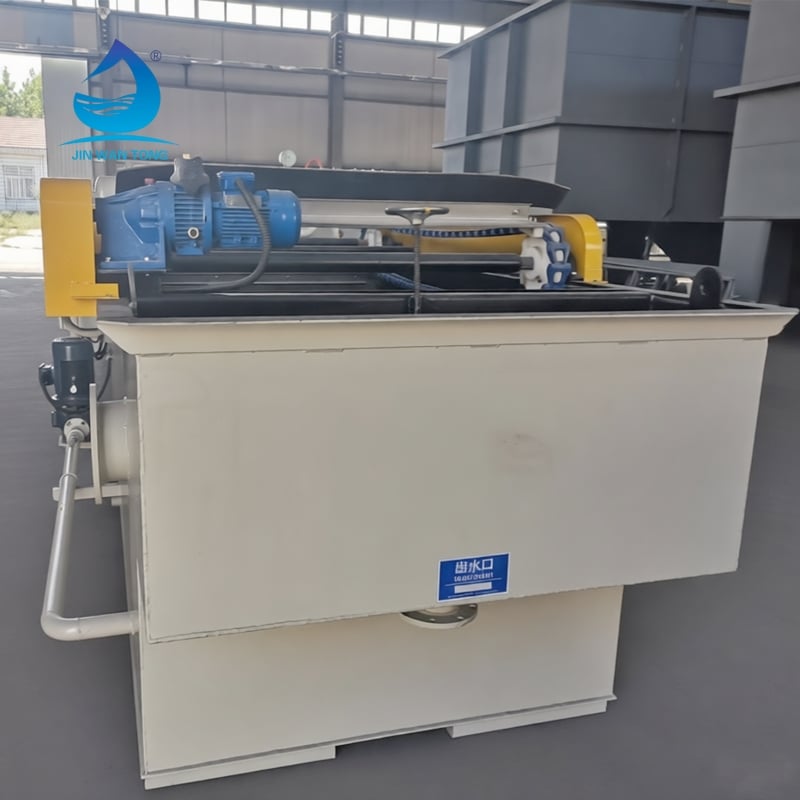
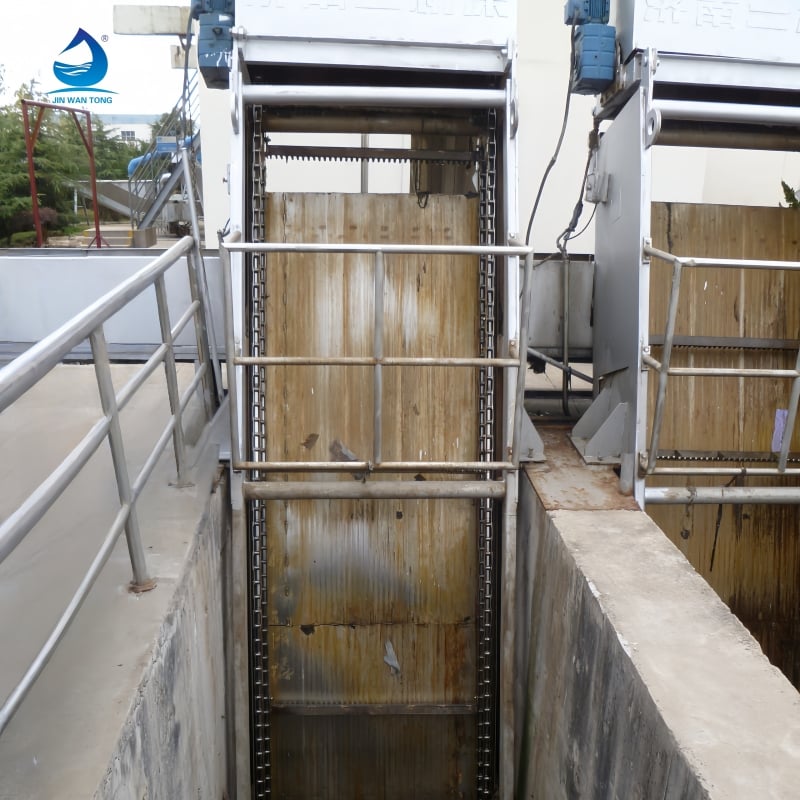
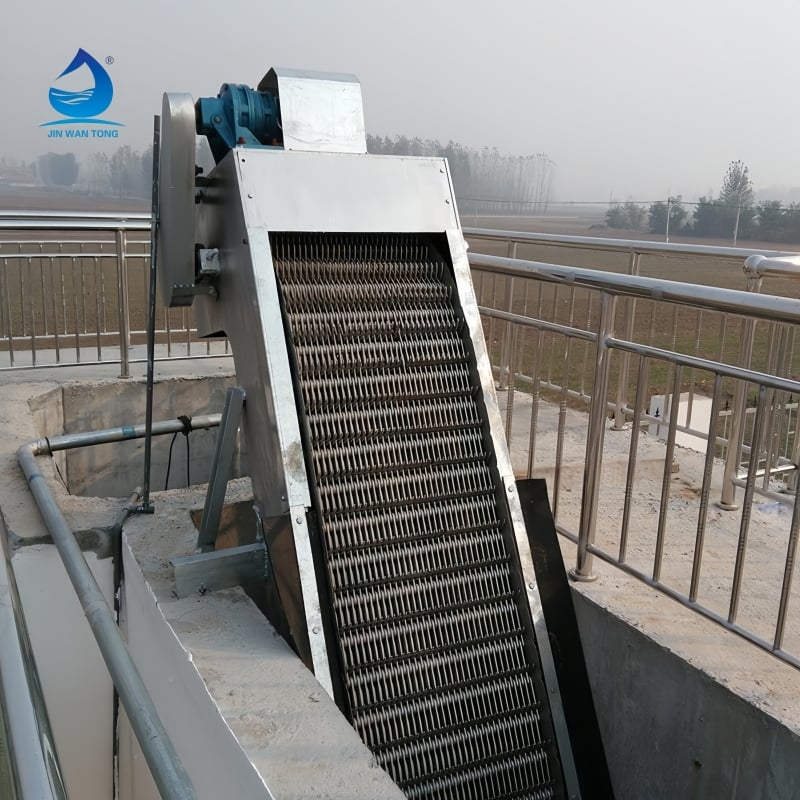
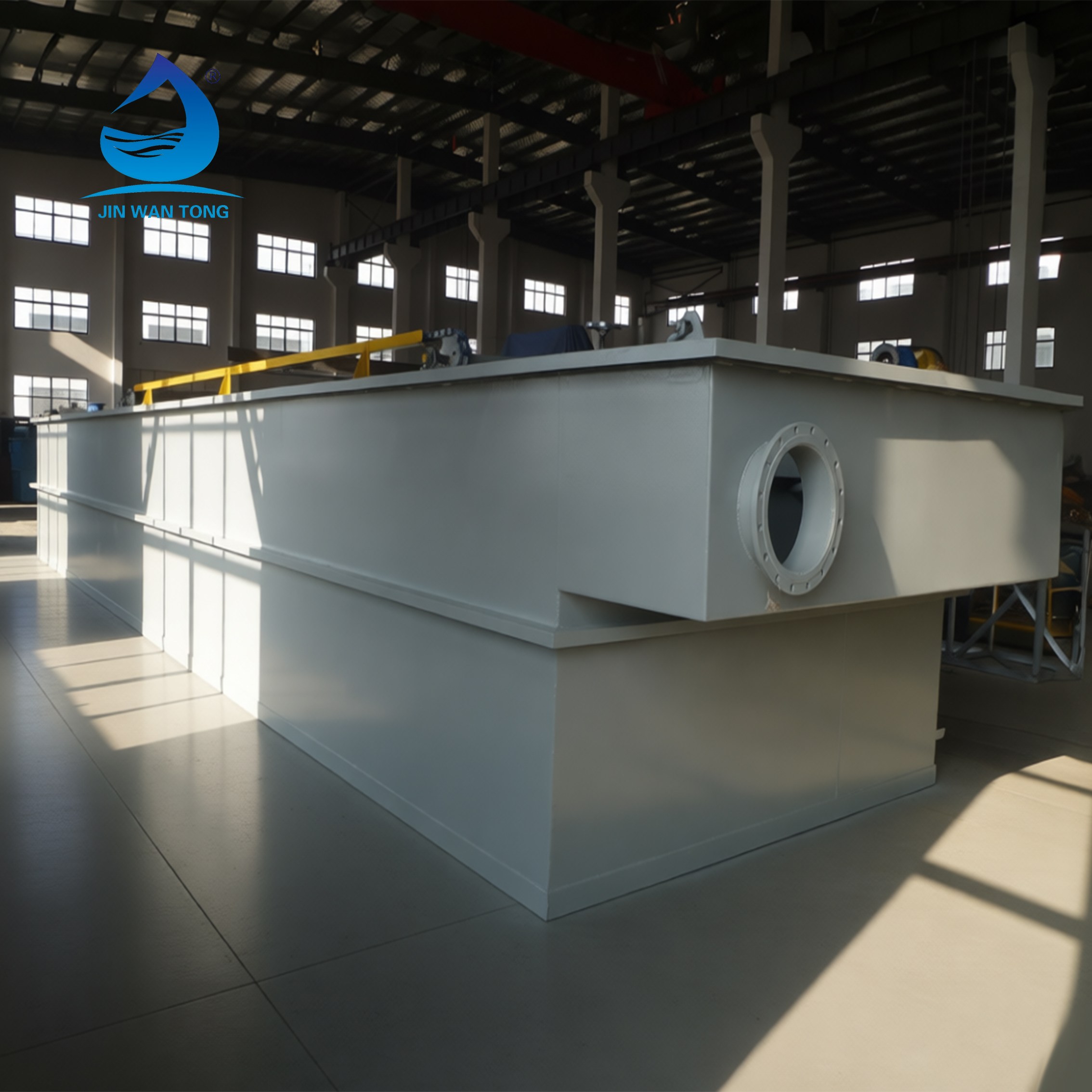
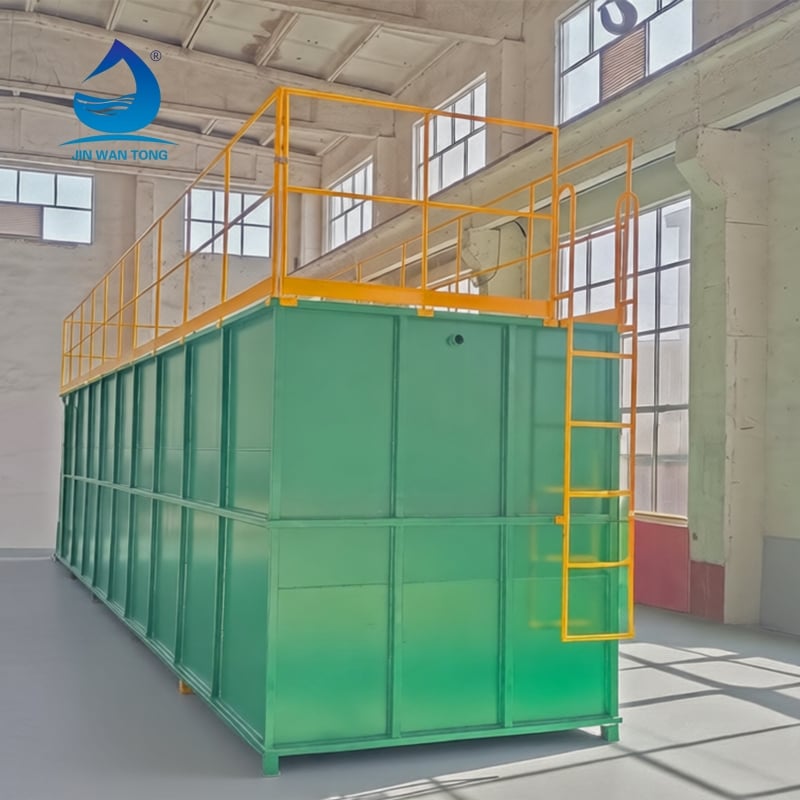
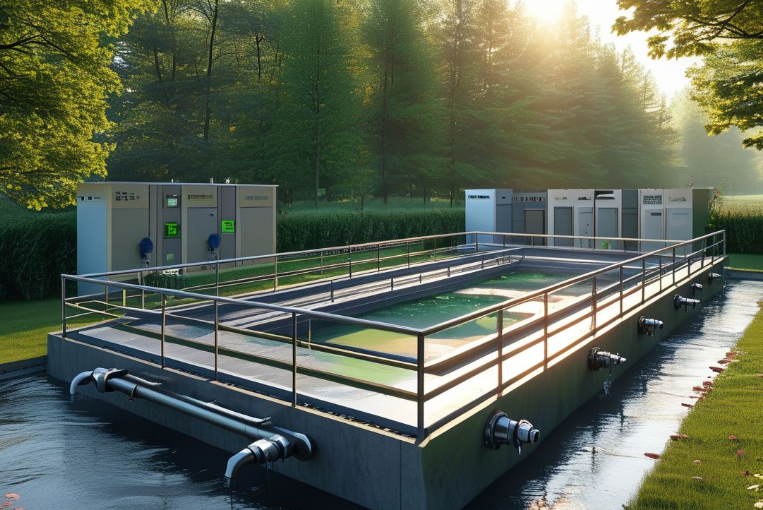
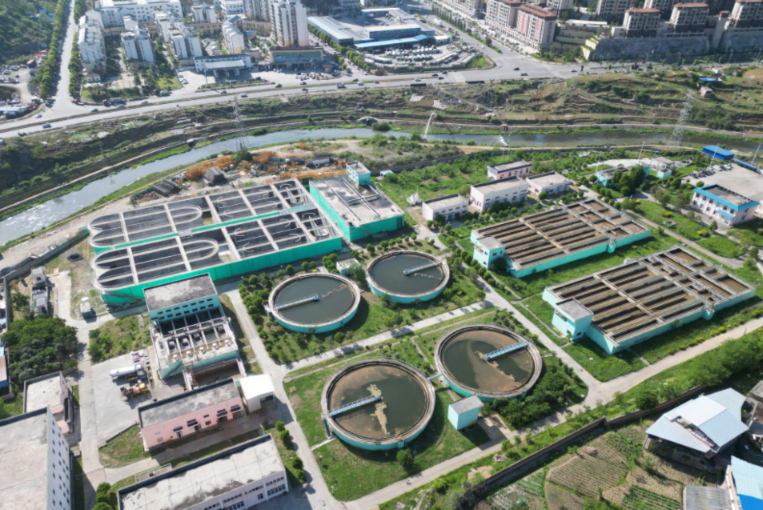
The secondary sedimentation tank serves as a critical component in wastewater treatment facilities, designed to separate activated sludge from treated effluent through gravity settling processes. This essential infrastructure follows the biological treatment stage, where microorganisms have consumed organic pollutants, creating a mixed liquor that requires separation. The secondary sedimentation tank employs physical settling principles to achieve this separation, allowing heavier solids to settle at the bottom while cleaner water rises to the top for discharge or further treatment. Modern secondary sedimentation tank designs incorporate sophisticated features such as adjustable weirs, mechanical scrapers, and optimized hydraulic flow patterns to maximize efficiency. The tank typically features a circular or rectangular configuration, with inlet distribution systems that promote uniform flow distribution and minimize short-circuiting. Internal mechanisms include rotating scrapers that continuously move settled sludge toward collection points, preventing anaerobic conditions and maintaining optimal performance. Temperature control systems and pH monitoring capabilities ensure consistent operation across varying environmental conditions. The secondary sedimentation tank integrates seamlessly with upstream biological reactors and downstream filtration systems, creating a comprehensive treatment chain. Advanced control systems monitor turbidity levels, sludge blanket depth, and overflow rates to maintain optimal separation efficiency. Key technological features include variable speed drives for scraper mechanisms, automated sludge withdrawal systems, and real-time monitoring sensors that provide continuous performance feedback. Applications span municipal wastewater treatment plants, industrial facilities, and decentralized treatment systems where reliable solid-liquid separation is paramount. The secondary sedimentation tank proves indispensable for achieving regulatory compliance while minimizing operational costs and environmental impact through consistent, reliable performance in diverse operating conditions.

New Products

The secondary sedimentation tank delivers exceptional operational benefits that directly translate into cost savings and improved treatment performance for facility operators. This proven technology reduces operational expenses by minimizing energy consumption compared to alternative separation methods, as gravity-based settling requires no external energy input beyond basic mechanical components. Maintenance requirements remain minimal due to the robust, straightforward design that eliminates complex filtration media or high-pressure systems prone to frequent failures. The secondary sedimentation tank consistently produces high-quality effluent that meets stringent discharge standards, protecting facilities from costly regulatory violations and associated penalties. Operators benefit from simplified control procedures, as the secondary sedimentation tank responds predictably to flow variations and load changes without requiring constant adjustments or specialized technical expertise. Installation costs prove economical compared to membrane systems or advanced filtration technologies, while the long service life of properly maintained units provides excellent return on investment over decades of operation. The secondary sedimentation tank adapts readily to capacity expansions, allowing facilities to accommodate growth without complete system replacement. Process flexibility enables operators to handle varying influent characteristics and seasonal fluctuations effectively, maintaining consistent performance across diverse conditions. Sludge handling becomes more manageable, as concentrated solids from the secondary sedimentation tank require less dewatering compared to other separation methods, reducing disposal costs and transportation requirements. Environmental benefits include reduced chemical consumption, lower carbon footprint, and minimal noise generation during operation. The secondary sedimentation tank supports sustainable operations by enabling effective sludge recycling, which maintains optimal biomass levels in biological treatment processes while minimizing waste generation. Real-time monitoring capabilities allow operators to optimize performance continuously, preventing issues before they impact effluent quality or system efficiency. This proactive approach reduces emergency maintenance costs and ensures reliable compliance with environmental regulations, protecting both public health and natural resources while maintaining operational profitability.

Practical Tips

Overview of the Agricultural Wastewater Treatment Market

17

Dec

Overview of the Agricultural Wastewater Treatment Market

View More
Global Real-Time Wastewater Treatment Update

17

Dec

Global Real-Time Wastewater Treatment Update

View More
Navigating the Waters: The Role of an Industrial Wastewater Treatment Plant

17

Dec

Navigating the Waters: The Role of an Industrial Wastewater Treatment Plant

View More

Get a Free Quote

Our representative will contact you soon.
Email
Name
Company Name
Message
0/1000

secondary sedimentation tank

Advanced Settling Efficiency Technology

Advanced Settling Efficiency Technology

The secondary sedimentation tank incorporates cutting-edge hydraulic design principles that maximize settling efficiency through optimized flow patterns and residence time distribution. This sophisticated approach ensures uniform velocity profiles throughout the tank volume, eliminating dead zones and short-circuiting that can compromise separation performance. The engineered inlet distribution system creates laminar flow conditions that promote optimal particle settling while preventing resuspension of previously settled solids. Specialized baffle configurations guide flow patterns to maximize contact time between mixed liquor and quiescent settling zones, enabling even fine particles to achieve complete separation. The secondary sedimentation tank design incorporates computational fluid dynamics modeling to optimize internal geometry, ensuring maximum utilization of available volume while maintaining ideal settling velocities. Variable overflow weir systems automatically adjust to maintain consistent effluent quality despite fluctuating influent flows, preventing hydraulic overloading that could compromise treatment effectiveness. Advanced scraper mechanisms with variable speed control adapt to changing sludge characteristics and loading conditions, preventing excessive compaction while ensuring complete solids removal. The secondary sedimentation tank features integrated density current control systems that prevent thermal stratification and maintain uniform temperature distribution, crucial for consistent biological activity and settling performance. Specialized surface skimming equipment removes floating materials and foam that could interfere with settling processes or impact effluent aesthetics. The innovative design includes automated sludge blanket monitoring systems that provide real-time feedback on settling performance, enabling operators to optimize withdrawal rates and prevent sludge bulking conditions. These technological advances result in superior clarification performance, with typical suspended solids removal rates exceeding ninety-five percent while maintaining low turbidity levels in the final effluent. The secondary sedimentation tank delivers consistent performance across varying seasonal conditions and loading scenarios, providing reliable treatment that protects downstream processes and ensures regulatory compliance.
Intelligent Process Control Integration

Intelligent Process Control Integration

The secondary sedimentation tank features state-of-the-art automation and control systems that optimize performance while reducing operational complexity and labor requirements. This intelligent integration includes sophisticated sensors that continuously monitor key parameters such as sludge blanket depth, effluent turbidity, flow rates, and solids concentration throughout the treatment process. Advanced SCADA systems collect and analyze this data in real-time, automatically adjusting operational parameters to maintain optimal settling conditions and prevent process upsets. The secondary sedimentation tank control system incorporates predictive algorithms that anticipate changes in influent characteristics and proactively adjust scraper speeds, sludge withdrawal rates, and return activated sludge flow to maintain stable operation. Automated alarm systems immediately alert operators to any deviation from normal operating ranges, enabling rapid response to prevent compliance violations or equipment damage. The integrated control platform provides comprehensive data logging and trending capabilities that support regulatory reporting requirements while identifying optimization opportunities for improved efficiency and cost reduction. Remote monitoring capabilities allow facility managers to oversee secondary sedimentation tank performance from off-site locations, reducing staffing requirements while maintaining operational oversight. The control system interfaces seamlessly with existing plant automation infrastructure, eliminating the need for separate control platforms or specialized training for maintenance personnel. Advanced diagnostics continuously monitor equipment health, predicting maintenance needs before failures occur and scheduling interventions during planned downtime to minimize operational disruptions. The secondary sedimentation tank automation includes adaptive control strategies that learn from historical performance data, continuously improving operational efficiency and effluent quality over time. Energy optimization algorithms minimize power consumption by automatically adjusting mechanical equipment operation based on actual process requirements rather than fixed schedules. This intelligent approach reduces operational costs while extending equipment life through optimized operating conditions and preventive maintenance scheduling that maximizes the return on investment for secondary sedimentation tank installations.
Sustainable Environmental Performance

Sustainable Environmental Performance

The secondary sedimentation tank exemplifies sustainable wastewater treatment technology through its environmentally responsible design and resource-efficient operation that minimizes ecological impact while maximizing treatment effectiveness. This eco-friendly approach eliminates the need for chemical coagulants or flocculants in most applications, reducing chemical consumption and associated environmental risks while lowering operational costs. The secondary sedimentation tank operates using natural gravity settling processes that require minimal energy input, significantly reducing the carbon footprint compared to mechanical separation alternatives such as dissolved air flotation or membrane filtration systems. Biogas capture capabilities integrated into covered secondary sedimentation tank designs enable facilities to recover methane for beneficial use, converting a potential greenhouse gas emission into renewable energy that offsets facility power requirements. The robust construction materials and corrosion-resistant coatings ensure decades of reliable service life, minimizing the environmental impact associated with frequent equipment replacement and disposal. Optimized sludge handling reduces waste volumes requiring disposal, as the concentrated solids from the secondary sedimentation tank contain higher dry matter content that improves subsequent dewatering efficiency and reduces transportation costs for biosolids management. The secondary sedimentation tank supports circular economy principles by enabling effective nutrient recovery from settled biosolids, which can be processed for beneficial use as soil amendments or fertilizer products. Water reclamation capabilities allow treated effluent to meet stringent reuse standards for irrigation, industrial cooling, or groundwater recharge applications, reducing demand on freshwater resources. The secondary sedimentation tank design incorporates habitat-friendly features such as wildlife corridors and native vegetation zones that support local ecosystems while providing natural screening and aesthetic enhancement. Noise control measures ensure minimal acoustic impact on surrounding communities, while odor management systems prevent nuisance conditions that could affect nearby residents. Advanced monitoring systems track environmental performance metrics, providing documentation for sustainability reporting and environmental management system compliance while identifying opportunities for continuous improvement in resource efficiency and environmental protection through optimized secondary sedimentation tank operation.
Secondary Sedimentation Tank Solutions - Advanced Wastewater Treatment Technology

Get a Free Quote

Our representative will contact you soon.
Email
Name
Company Name
Message
0/1000