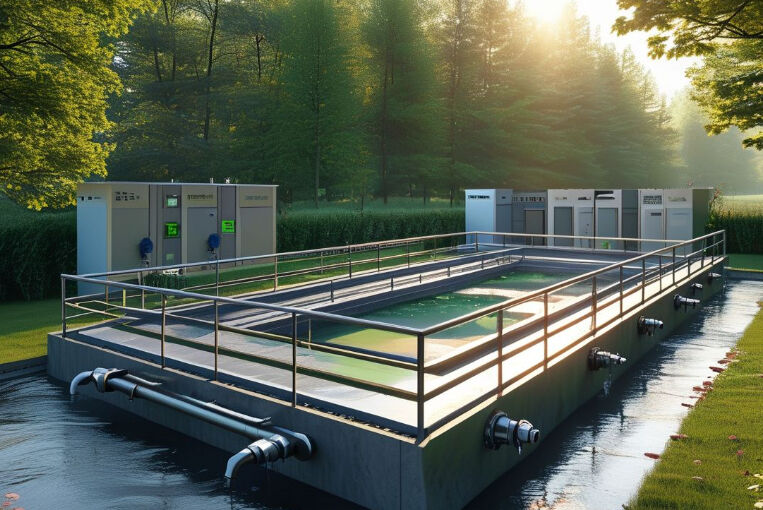
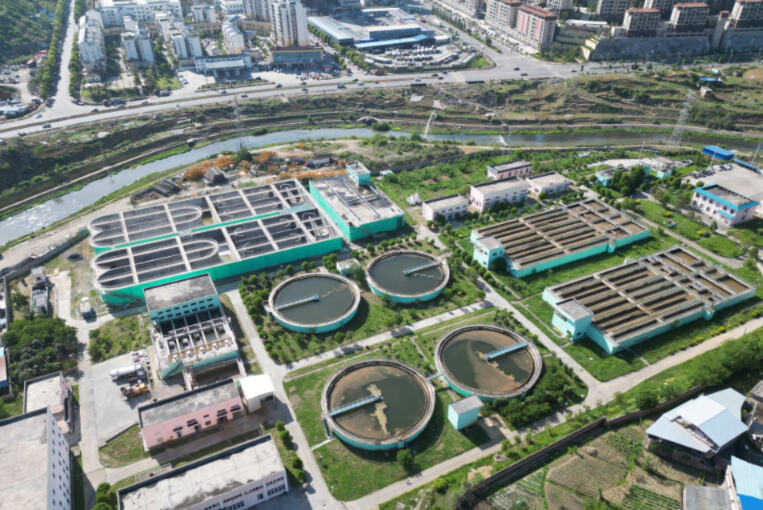
sewage treatment plant sbr process
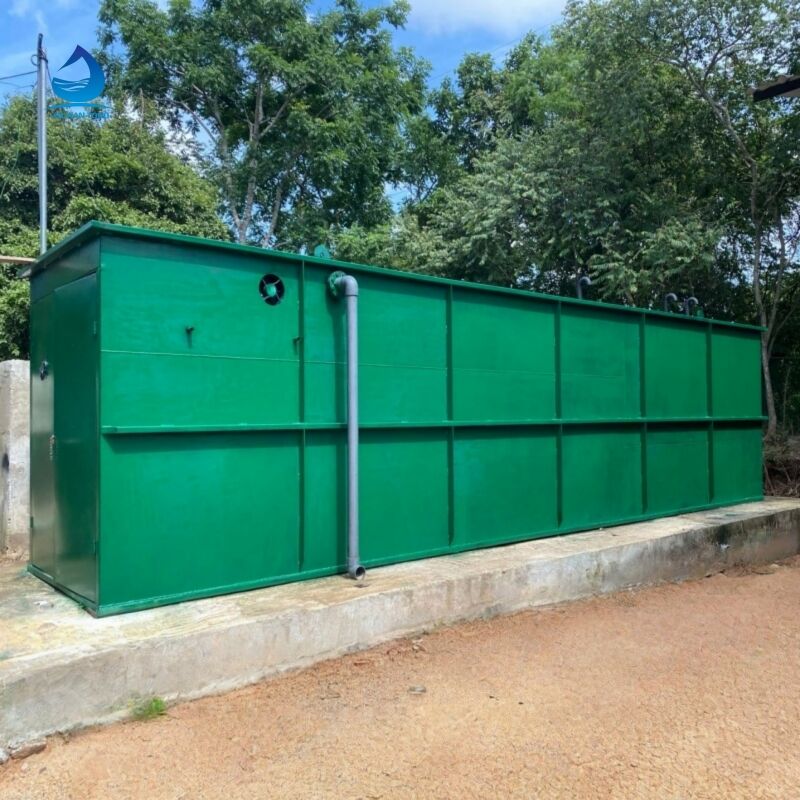
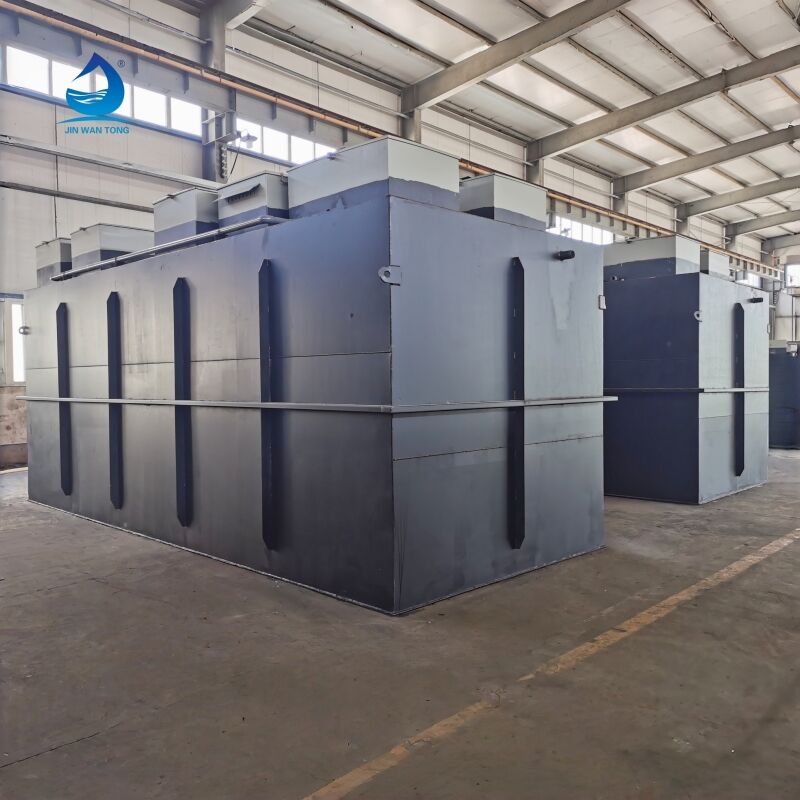
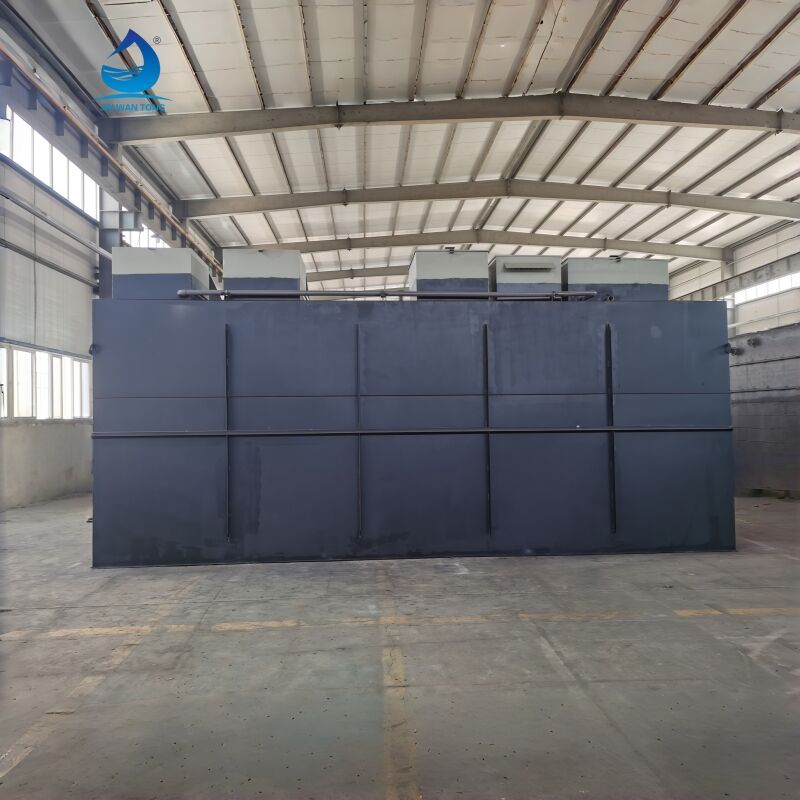
The sewage treatment plant SBR process represents a revolutionary approach to wastewater management that combines biological treatment methods within a single reactor system. SBR stands for Sequencing Batch Reactor, which operates through a carefully orchestrated sequence of fill, react, settle, and decant phases. This innovative sewage treatment plant SBR process eliminates the need for separate primary and secondary clarifiers, making it an exceptionally space-efficient solution for municipal and industrial applications. The main functions of this system include removing organic pollutants, nitrogen compounds, and phosphorus from wastewater through controlled biological processes. During the fill phase, raw wastewater enters the reactor where microorganisms begin breaking down organic matter. The react phase involves aeration to promote biological oxidation and nitrification processes. Settlement occurs when aeration stops, allowing treated water to separate from activated sludge. Finally, the decant phase removes clarified effluent from the reactor. The sewage treatment plant SBR process incorporates advanced technological features including programmable logic controllers, automated valve systems, and sophisticated monitoring equipment. These components ensure optimal treatment performance while minimizing operator intervention. The process can handle varying influent loads and concentrations, making it highly adaptable to different operational conditions. Applications range from small community systems to large metropolitan facilities, with particular effectiveness in areas where land availability is limited. The sewage treatment plant SBR process also excels in treating industrial wastewater with specific characteristics, including food processing, pharmaceutical manufacturing, and chemical production facilities. This versatility stems from the ability to modify operational parameters such as cycle timing, aeration patterns, and biomass concentrations to meet specific treatment objectives and discharge requirements.
 EN
EN