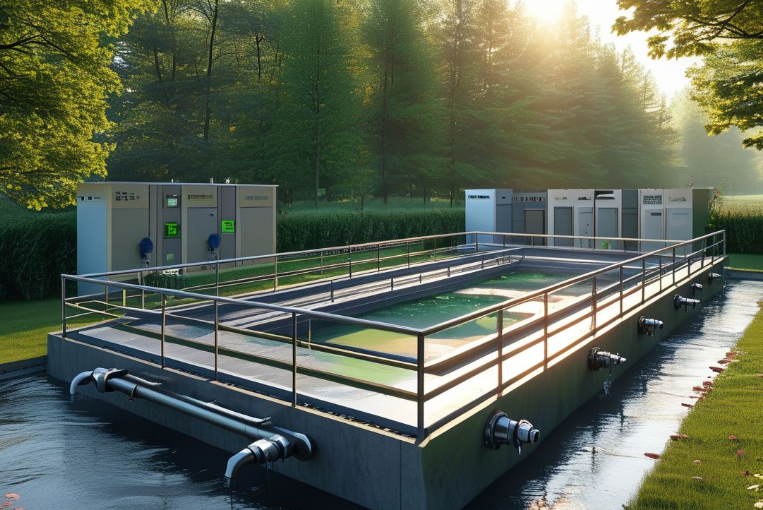
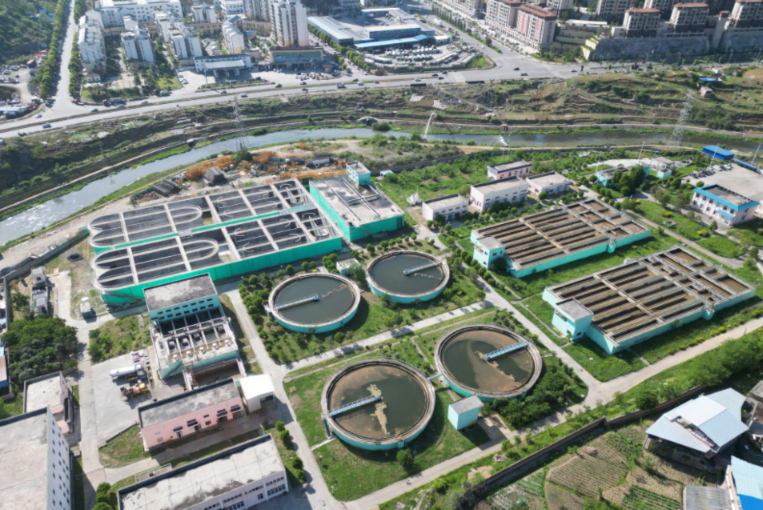
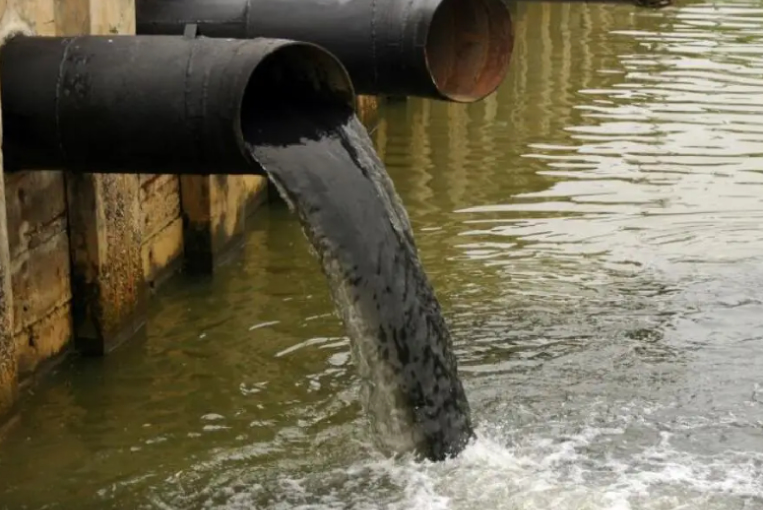
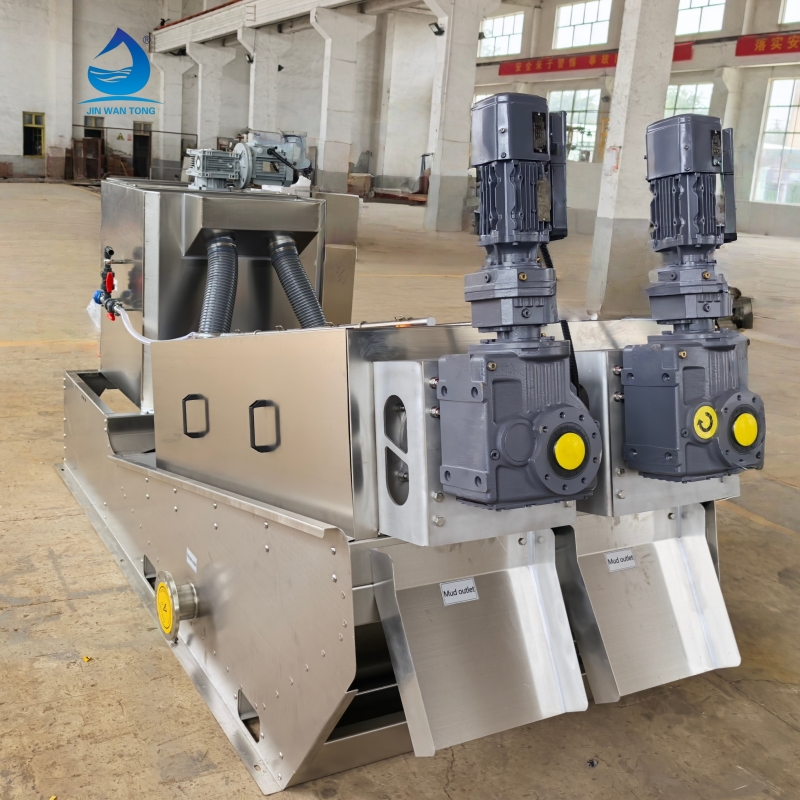
A sludge dewatering machine for sale is used to reduce the water content and volume of sludge generated from wastewater treatment processes. In many municipal and industrial plants, sludge contains a high percentage of water, making it expensive to store, transport and dispose of. Dewatering equipment removes part of the free water and converts liquid or semi-liquid sludge into a more manageable sludge cake.
The basic working process usually includes sludge feeding, chemical conditioning, flocculation, mechanical dewatering, filtrate collection and sludge cake discharge. Before entering the machine, sludge is often mixed with polymer such as PAM to form stronger flocs. These flocs make it easier for water to separate from solids during pressing or filtration.
A typical process is:
Sludge Tank → Polymer Dosing → Flocculation → Dewatering Machine → Sludge Cake + Filtrate
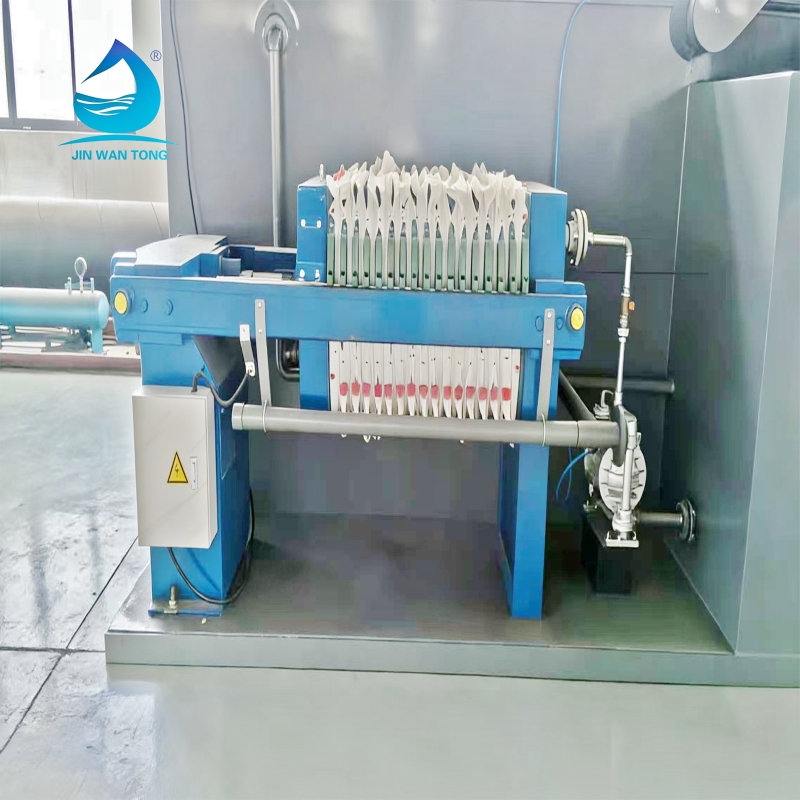
Common sludge dewatering equipment includes screw press dewatering machines, belt filter presses, plate and frame filter presses, chamber filter presses and centrifuges. Different machine types are suitable for different sludge characteristics and operation requirements. Screw press machines are often used for continuous operation, compact layout and easier maintenance. Filter presses may achieve lower cake moisture in some applications but usually require batch operation. Belt presses are suitable for continuous treatment but need washing water and regular belt maintenance. Centrifuges offer high capacity but may involve higher power consumption and maintenance requirements.
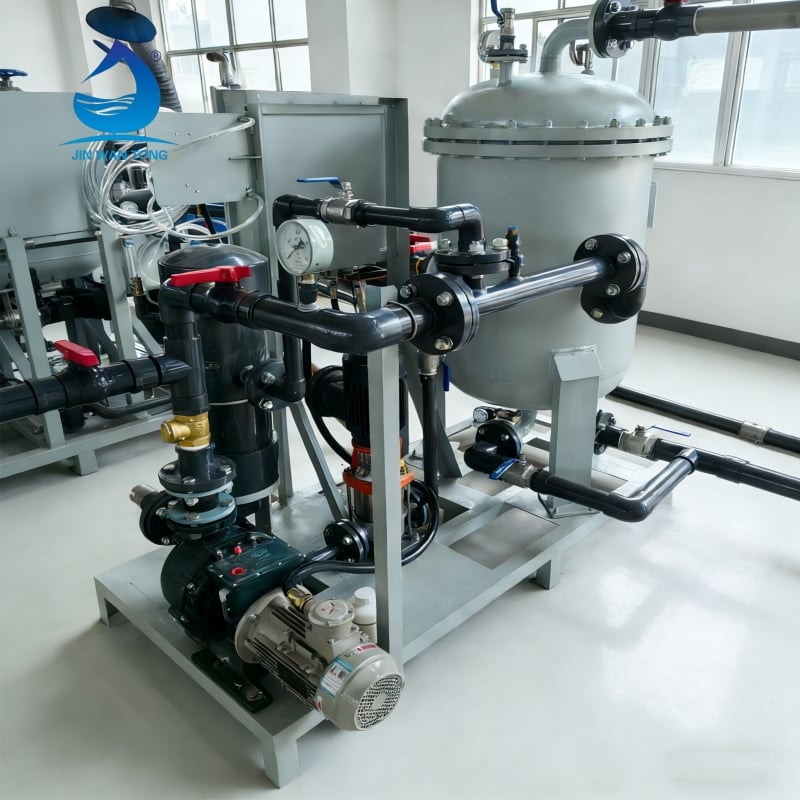
A complete sludge dewatering system may include a sludge feed pump, polymer preparation and dosing unit, flocculation tank, dewatering machine body, screw shaft or filter structure, filtrate collection system, sludge cake outlet, control cabinet, valves, sensors and optional conveyor. For industrial sludge, material selection is important because the sludge may contain oil, chemicals, salts, abrasive particles or corrosive components.
For buyers, choosing the right sludge dewatering machine should not depend only on price or nominal capacity. Key selection factors include sludge source, daily sludge volume, solids content, organic or inorganic composition, pH value, oil content, viscosity, operating hours, required cake moisture, polymer consumption, installation space and disposal method. If the equipment is not matched to the sludge properties, problems such as wet sludge cake, high chemical consumption, clogging, unstable operation or low throughput may occur.
Sludge dewatering machines are commonly installed after DAF systems, clarifiers, sedimentation tanks, biological treatment units and chemical precipitation systems. The separated filtrate is usually returned to the wastewater treatment process, while the sludge cake is transported for landfill, incineration, composting or further disposal according to local regulations.
It is important to note that sludge dewatering reduces sludge volume but does not remove hazardous substances. If sludge contains heavy metals, toxic chemicals or regulated pollutants, disposal must follow local environmental requirements.
Qingdao Jinwantong provides sludge dewatering machines and supporting wastewater treatment equipment for different project needs. To receive a quotation, please send sludge source, daily sludge volume, solids content, target moisture, site layout, power requirement and project location.
Qingdao Jinwantong provides industrial sewage treatment equipment for global clients. Our MBR, DAF, STP, and oil-water separation systems ensure compliance with national discharge standards. Trusted across 6 continents. Contact us today.
43,Cangnan Road, Cangma Town, Qingdao, Shandong, China
Copyright © 2026 Qingdao Jinwantong Environmental Science And Technology Co., Ltd. All rights reserved. Privacy Policy
 EN
EN