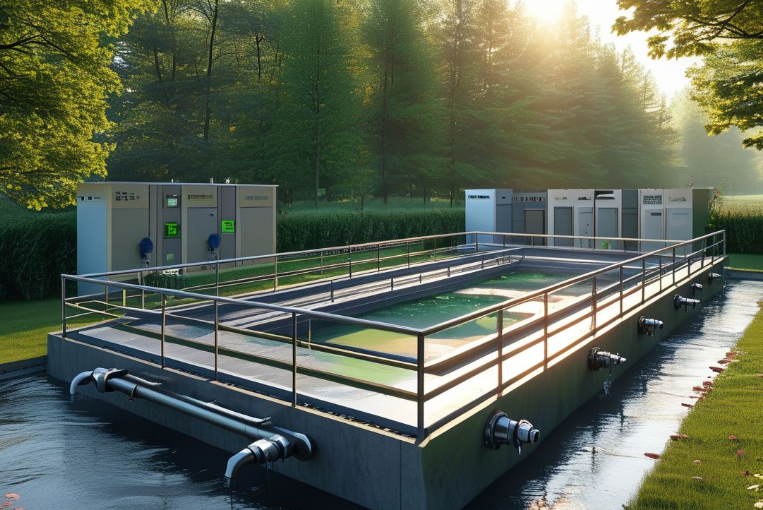
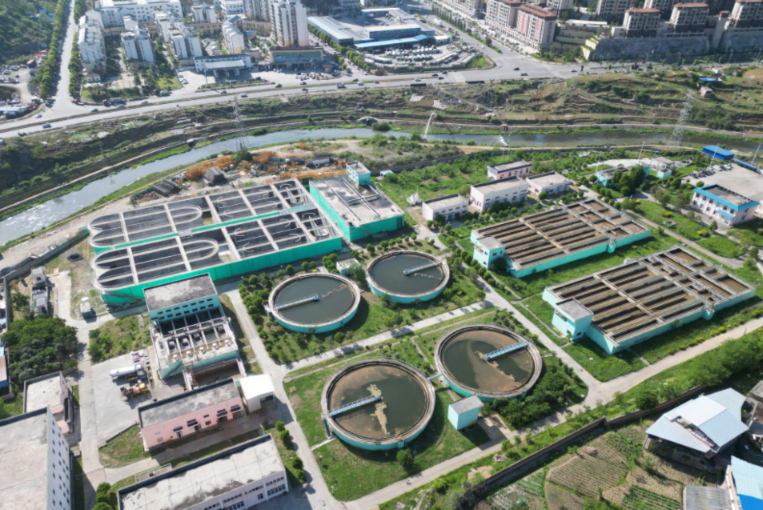
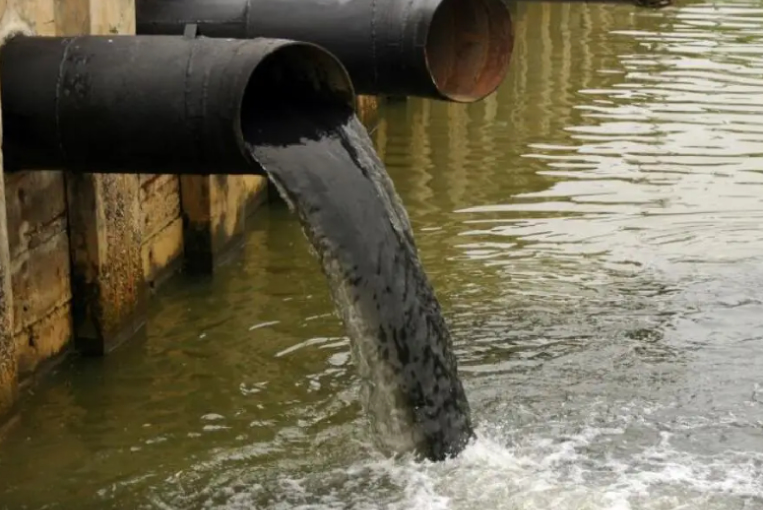
A dosing system for wastewater treatment plant is an essential chemical feeding unit used to add specific chemicals into water or sludge treatment processes at a controlled rate. In wastewater treatment, chemical dosing directly affects coagulation efficiency, pH stability, phosphorus removal, disinfection performance and sludge dewatering results.
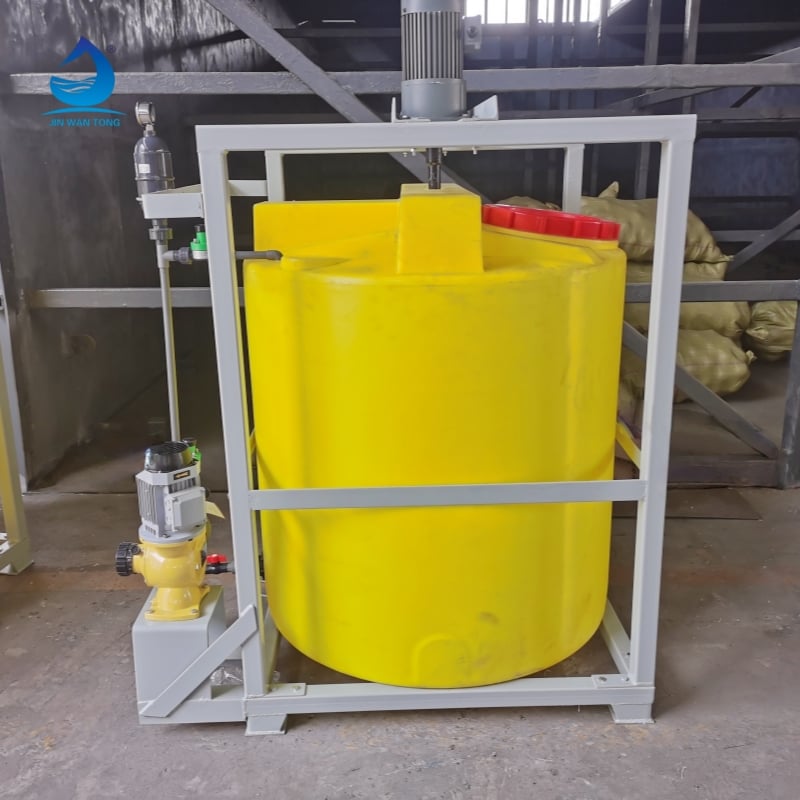
The basic function of a dosing system is to store, prepare and deliver chemicals accurately. Depending on the process, common chemicals may include PAC, PAM, lime, sodium hydroxide, sulfuric acid, sodium hypochlorite, coagulants, flocculants, antiscalants, defoamers and sludge conditioning agents. Each chemical requires suitable tank material, pump type, mixing method and safety design.
A typical dosing system includes:
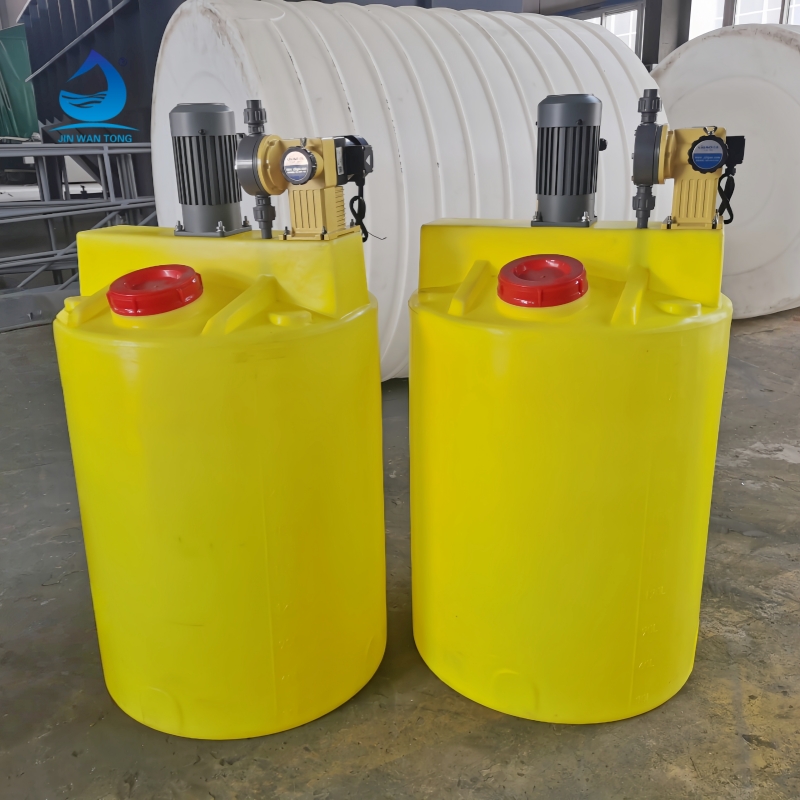
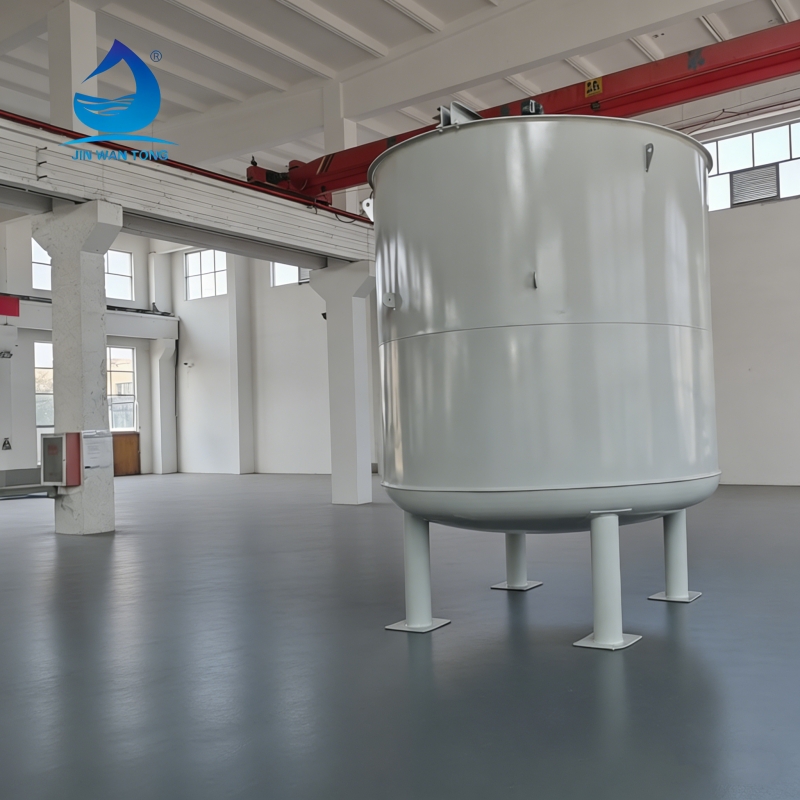
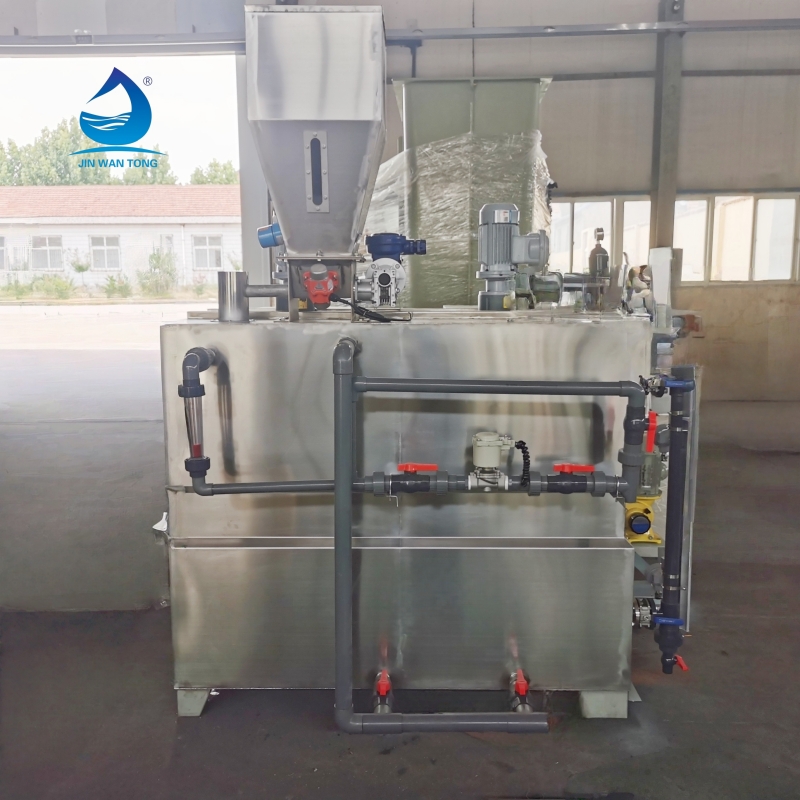
Chemical Storage / Preparation → Mixing → Metering Pump → Dosing Pipeline → Injection Point → Process ReactionThe main components usually include a chemical solution tank, agitator, metering pump, dosing pipeline, valves, calibration column, level gauge, flowmeter, pressure gauge, safety valve and electric control cabinet. For powder chemicals such as PAM, an automatic polymer preparation unit may be used to complete powder feeding, dissolving, aging and dosing. For liquid chemicals, a simpler storage and metering pump system may be sufficient.
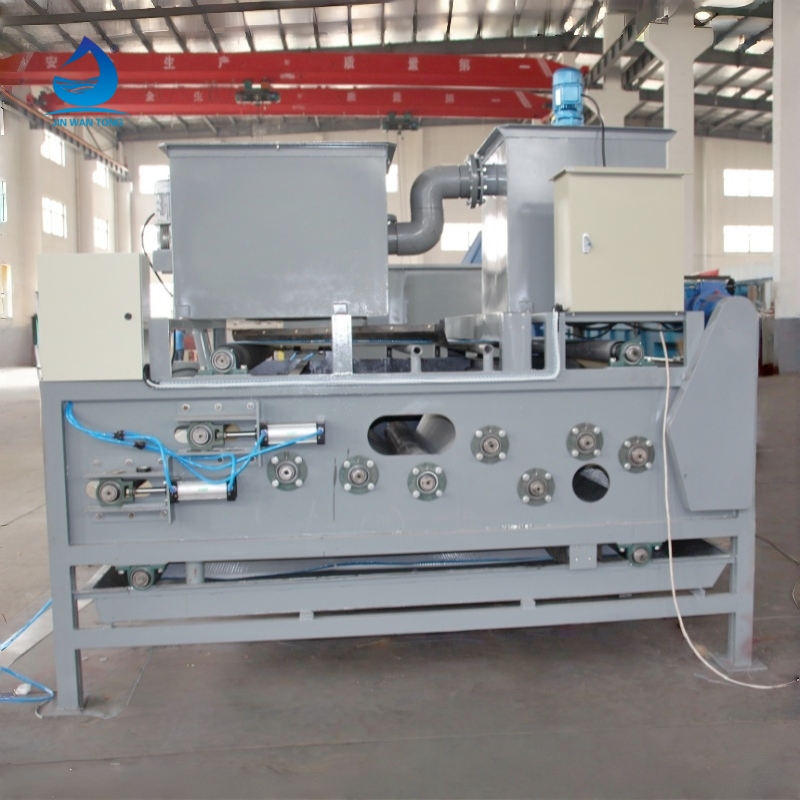
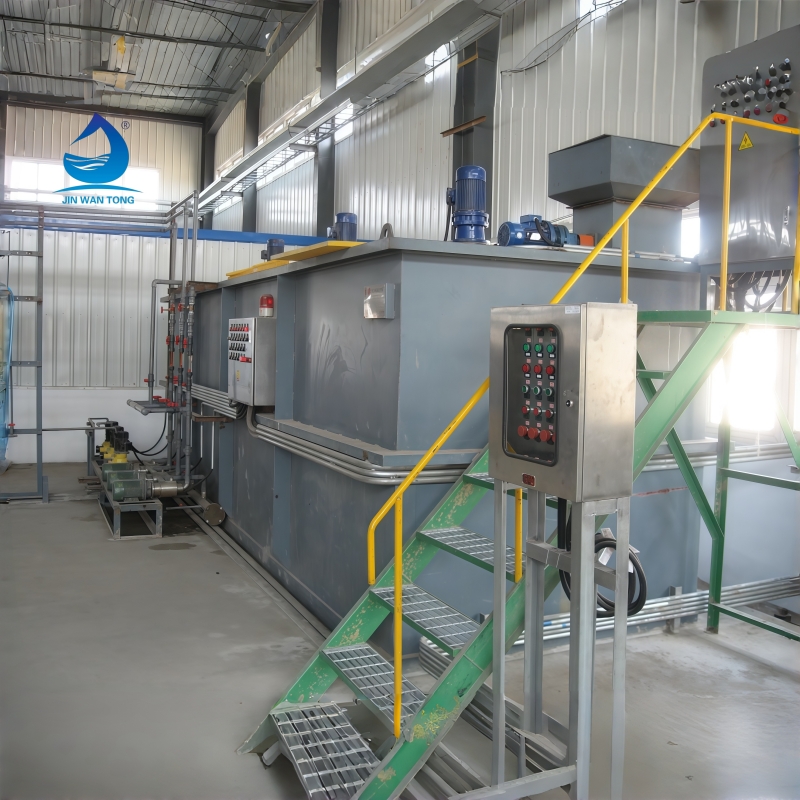
In a wastewater treatment plant, dosing systems are commonly used before DAF machines or clarifier tanks for coagulation and flocculation. They are also used for pH correction before biological treatment, phosphorus precipitation in municipal wastewater, disinfection before discharge, and sludge conditioning before filter press or screw press dewatering. Correct dosing improves treatment stability and helps reduce downstream equipment problems.
For B2B buyers, selecting a dosing system should not be based only on pump flow. Important parameters include wastewater flow rate, chemical type and concentration, required dosage, dosing accuracy, operating hours, number of dosing points, tank capacity, corrosion resistance, control signal, automation level, installation space and maintenance access. Material selection is also important because acids, alkalis and oxidants may require PE, PP, PVC, stainless steel or special anti-corrosion components.
A dosing system can be manual, semi-automatic or automatic. Manual systems are simple and cost-effective for small plants, while automatic systems can adjust dosing according to flow rate, pH, ORP or other online monitoring data. This helps reduce chemical waste and improves process control.
However, dosing systems are not standalone treatment solutions. They support chemical reaction and process control, but treatment performance also depends on proper mixing, reaction time, upstream water quality and downstream separation equipment. Overdosing may increase cost and sludge volume, while underdosing may lead to poor treatment results.
Qingdao Jinwantong provides customized dosing systems and complete wastewater treatment equipment. Buyers can send chemical type, dosage, treatment capacity, process purpose, control requirements and site layout for technical selection and quotation.
Qingdao Jinwantong provides industrial sewage treatment equipment for global clients. Our MBR, DAF, STP, and oil-water separation systems ensure compliance with national discharge standards. Trusted across 6 continents. Contact us today.
43,Cangnan Road, Cangma Town, Qingdao, Shandong, China
Copyright © 2026 Qingdao Jinwantong Environmental Science And Technology Co., Ltd. All rights reserved. Privacy Policy
 EN
EN