A filter press can be automated to reduce manual plate pulling, shorten sludge discharge time, stabilize dewatering cycles, and lower labor cost. This guide helps B2B buyers decide when an automatic filter press is worth the investment and which automation features bring real operating value.
Why Filter Press Automation Matters for B2B Buyers
A filter press is often limited not by filtration alone, but by the time spent between cycles. In many wastewater plants, operators lose valuable time on plate opening, cake discharge, cloth cleaning, checking leakage, and preparing the next batch.
For B2B buyers, the real question is not simply whether a filter press machine can be automated. The better question is: which parts should be automated to reduce labor, improve daily capacity, and control long-term operating cost?
Manual operation may be acceptable for small plants with low sludge volume. However, for municipal WWTPs, industrial wastewater plants, mining slurry projects, food factories, textile mills, chemical plants, and centralized sludge treatment stations, labor-intensive operation can become a bottleneck. An automatic filter press can help standardize operation and reduce dependence on experienced workers.
The main value of filter press automation includes:
|
|
|
| Operating Pain Point |
Automation Benefit |
Business Result |
| Manual plate pulling is slow |
Automatic plate shifting |
Shorter discharge time |
| Labor cost is high |
Fewer operators needed |
Lower operating expense |
| Cloth clogging reduces flow |
Automatic cloth washing |
More stable filtration |
| Manual operation varies |
PLC control |
Consistent cycle performance |
| Site is dirty after discharge |
Drip tray and guided cake discharge |
Cleaner working environment |
A well-designed automated filter press improves both productivity and site management, especially when the plant runs every day or in multiple shifts.
What Parts of a Filter Press Can Be Automated?
A filter press can be automated in several practical areas, and each feature should solve a specific operating problem. Buyers do not always need the highest configuration; they need the right configuration for sludge type, labor cost, cycle frequency, and site layout.
Common automation options include automatic hydraulic closing, automatic pressure holding, automatic plate shifting, automatic drip tray, automatic cloth washing, automatic feeding control, cake conveyor linkage, and PLC control. A PLC controlled filter press can coordinate pumps, valves, pressure sensors, cycle time, alarms, and safety protection.
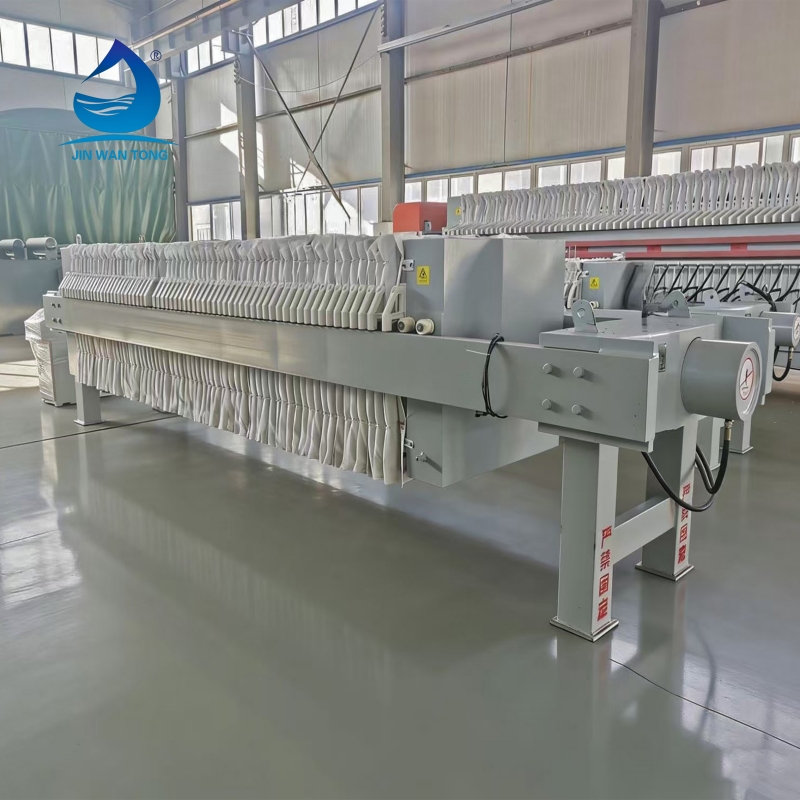
The most common upgrade is automatic plate shifting. An automatic plate shifting filter press opens plates one by one after filtration, allowing sludge cake to fall more quickly and reducing operator workload. For large machines, this single feature can significantly reduce manual labor.
Automatic cloth washing is valuable when sludge contains fine particles, oil, sticky organic matter, or chemical precipitates. It helps maintain cloth permeability and reduces the frequency of manual washing. However, if the sludge is easy to release and the plant runs only occasionally, this feature may not be necessary.
|
|
|
| Automation Feature |
Main Function |
Best Application |
| Automatic hydraulic closing |
Opens and closes plates safely |
Most medium and large systems |
| Automatic plate shifting |
Reduces manual pulling |
Daily or multi-batch operation |
| Automatic cloth washing |
Prevents cloth blockage |
Sticky or fine-particle sludge |
| Automatic drip tray |
Collects filtrate dripping |
Clean workshop requirement |
| PLC control |
Standardizes cycle process |
Plants needing stable operation |
| Conveyor linkage |
Moves cake automatically |
High-volume sludge handling |
This is why sludge dewatering equipment should be selected as a complete operating system, not only as a mechanical frame.
How an Automatic Filter Press Reduces Labor
An automatic filter press reduces labor by replacing repetitive manual work with controlled mechanical actions. In a manual system, workers may need to pull plates, remove cake, wash cloth, monitor pressure, and restart the next cycle. These tasks are physically demanding and time-consuming.
In an automated system, the operator mainly monitors the process, checks alarms, removes abnormal blockage, and manages sludge cake collection. This reduces the number of workers required per shift and makes operation less dependent on individual experience.
For plants with rising labor costs, limited operators, or difficult working environments, a sludge filter press with automation can provide a clear advantage. It also improves safety because workers spend less time near moving plates, wet sludge, slippery ground, and pressurized pipelines.
A practical labor evaluation should include:
1. How many batches are processed per day?
2. How many workers are needed for plate opening and cake discharge?
3. How long does each discharge step take?
4. Is night-shift operation required?
5. Is sludge sticky, smelly, hazardous, or difficult to clean?
6. Can reduced labor offset higher equipment investment?
If the answer shows high manual workload, an industrial filter press with automatic plate shifting and PLC control is usually easier to justify.
How Filter Press Automation Shortens Dewatering Cycles
A filter press cycle includes feeding, filtration, pressure holding, plate opening, cake discharge, cloth cleaning, closing, and preparation for the next batch. Automation does not always make the water pass through the cloth faster, but it can reduce non-filtration time.
This difference matters. If a plant saves 15–30 minutes per batch through faster discharge and cleaning, daily treatment capacity can increase without buying another machine. In high-volume projects, this can be more valuable than simply choosing a larger filter press machine.
A stable automatic cycle also reduces waiting time caused by operator delay. For example, the system can stop feeding when the target pressure is reached, hold pressure for a set time, open plates automatically, and prepare for the next cycle with fewer manual decisions.
For wastewater sludge dewatering, cycle stability is important because sludge quality may change with production, chemical dosing, or upstream treatment conditions. Automation helps keep each batch more consistent, which supports predictable cake dryness and filtrate quality.
When Should Buyers Choose an Automatic Filter Press?
An automatic filter press is most suitable when sludge volume is medium to high, labor cost is significant, or the plant needs reliable daily operation. It is also useful when sludge is difficult to discharge, cloth cleaning is frequent, or site cleanliness is important.
Small plants may choose a semi-automatic model to control investment cost. A fully automatic system may not be necessary if sludge volume is low and operators are available. However, for industrial ETPs, mining wastewater, chemical sludge, textile sludge, and large WWTP projects, higher automation can reduce hidden costs over time.
Buyers should choose automation based on real operating conditions:
|
|
| Plant Condition |
Recommended Configuration |
| Small sludge volume, low labor cost |
Manual or semi-automatic filter press |
| Daily operation, medium capacity |
Automatic plate shifting |
| High labor cost, large machine size |
Automatic filter press with PLC |
| Sticky or fine-particle sludge |
Add automatic cloth washing |
| Clean site requirement |
Add drip tray and cake conveyor |
| Multi-shift operation |
Full filter press automation |
The goal is not to buy the most complex solid liquid separation equipment, but to buy the most practical system for actual workload.
What Mistakes Should Be Avoided in Filter Press Automation?
A filter press automation project can fail if buyers focus only on reducing labor and ignore sludge behavior. Automation cannot fully compensate for poor chemical conditioning, wrong filter cloth, undersized chamber volume, or unsuitable feeding pressure.
One common mistake is over-automation. If the sludge volume is small, expensive automatic washing and conveying may not generate enough return. Another mistake is under-automation. Large machines with manual plate pulling can create long downtime and worker fatigue.
Buyers should also avoid comparing quotations without checking included components. One dewatering filter press quotation may include PLC, hydraulic station, automatic plate shifting, cloth washing, drip tray, feed pump, and control cabinet, while another may only include the main machine. These are not equal offers.
Maintenance should also be considered. An automated filter press requires proper support for sensors, hydraulic components, electrical controls, filter cloth replacement, and operator training. A reliable supplier should provide technical guidance, commissioning support, and spare parts availability.
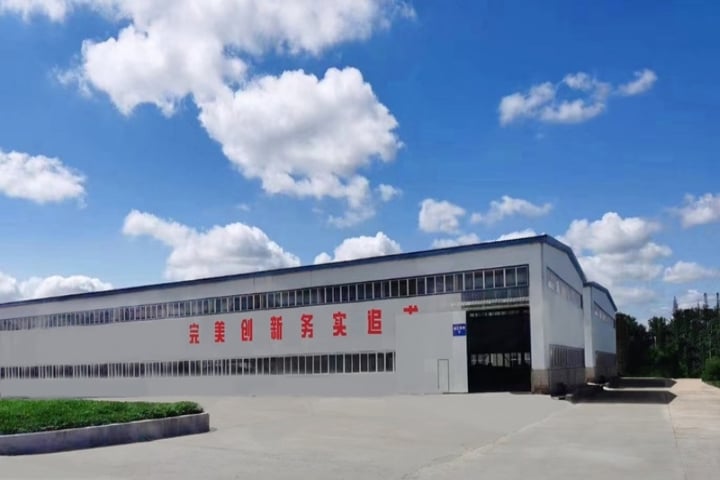
Qingdao
Jinwantong Environmental Science And Technology Co., Ltd. provides customized sludge dewatering equipment and wastewater treatment solutions for industrial and municipal projects. The company can match automation level with sludge type, treatment capacity, site layout, labor requirements, and downstream sludge disposal method.
How to Evaluate ROI for an Automated Filter Press
A filter press upgrade should be evaluated by total operating cost, not only purchase price. Automation usually increases initial investment, but it can reduce labor hours, improve daily throughput, reduce downtime, and make sludge handling more predictable.
To evaluate ROI, buyers should compare current manual operation with the expected automatic operation. Important factors include labor cost per shift, number of batches per day, discharge time per batch, maintenance downtime, filter cloth cleaning frequency, and disposal cost caused by unstable cake moisture.
For example, if an automatic plate shifting system saves 20 minutes per batch and the plant runs six batches per day, the saved time can support higher throughput or fewer overtime hours. If automatic cloth washing keeps filtration speed stable, the plant may avoid frequent stoppages and maintain consistent production wastewater treatment.
A filter press for sludge dewatering becomes more valuable when the entire line is considered, including dosing, feeding, cake discharge, filtrate return, and control system integration.
Conclusion
A filter press can be automated to reduce labor, shorten discharge time, improve cycle stability, and lower long-term operating cost. The best automatic filter press configuration depends on sludge volume, cake discharge difficulty, labor cost, automation needs, and maintenance support.
If you are upgrading from a manual filter press or planning a new industrial filter press system, share your sludge type, daily capacity, site layout, and labor conditions with Qingdao Jinwantong. Our team can help recommend a practical automation level for efficient and stable sludge dewatering.
 EN
EN

 Hot News