Advanced Wastewater Treatment Systems: Revolutionary Technology for Superior Water Quality and Environmental Protection

All Categories

Get a Free Quote

Our representative will contact you soon.
Email
Name
Company Name
Message
0/1000

advanced wastewater treatment systems

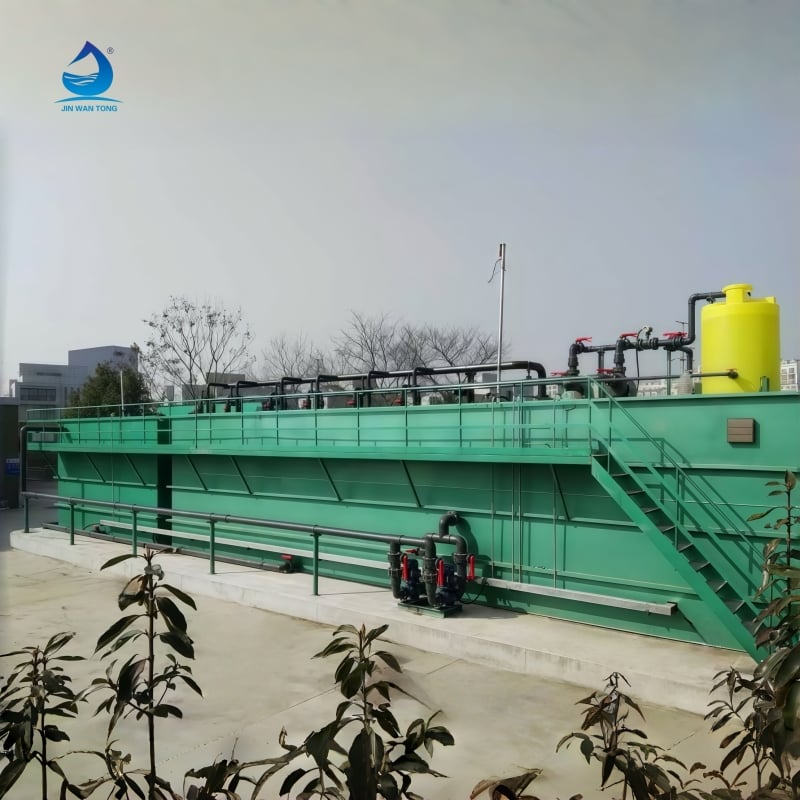
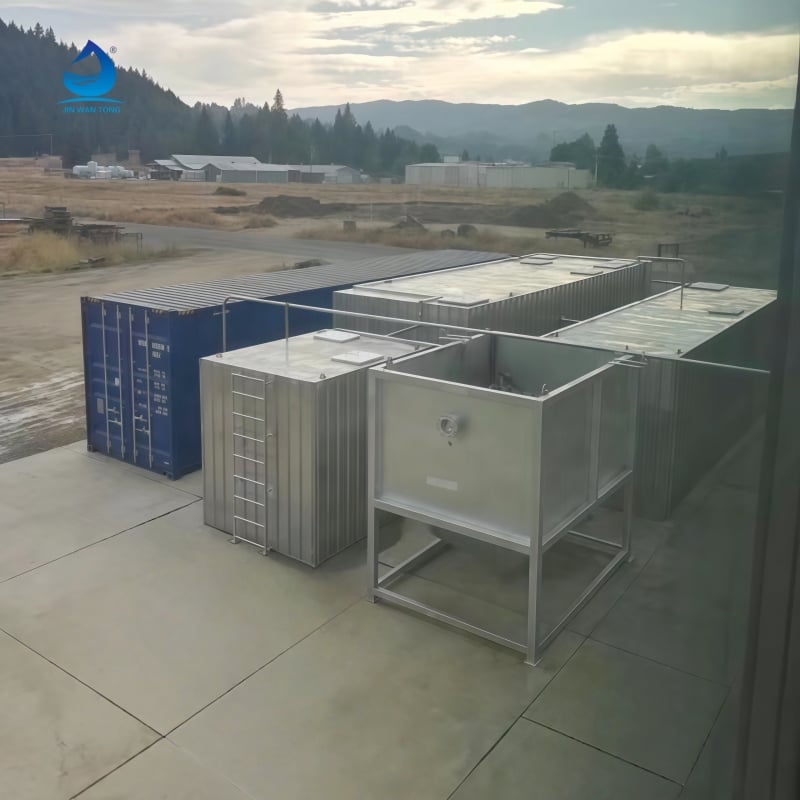
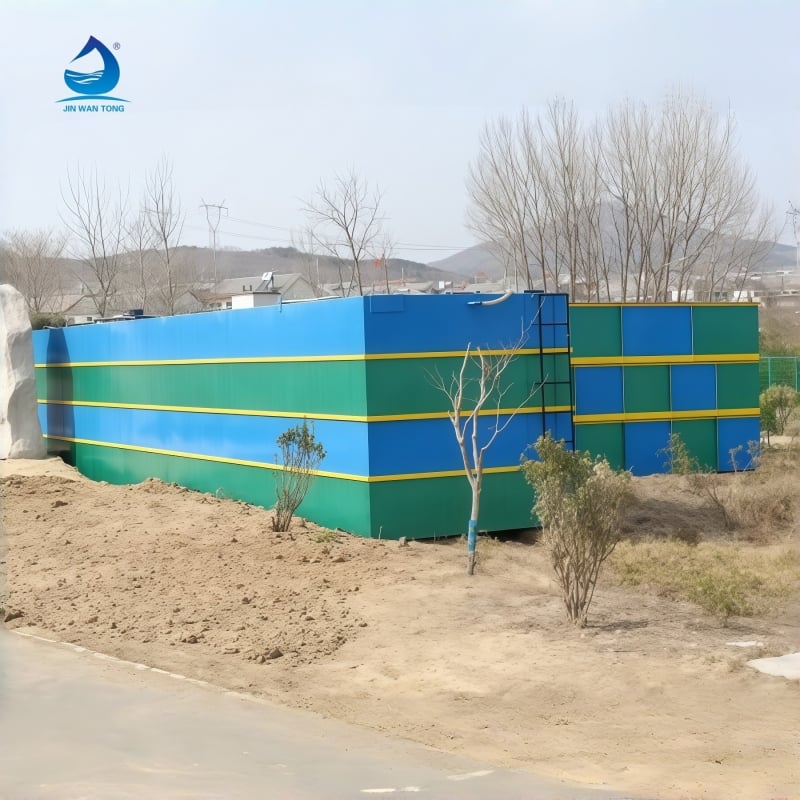
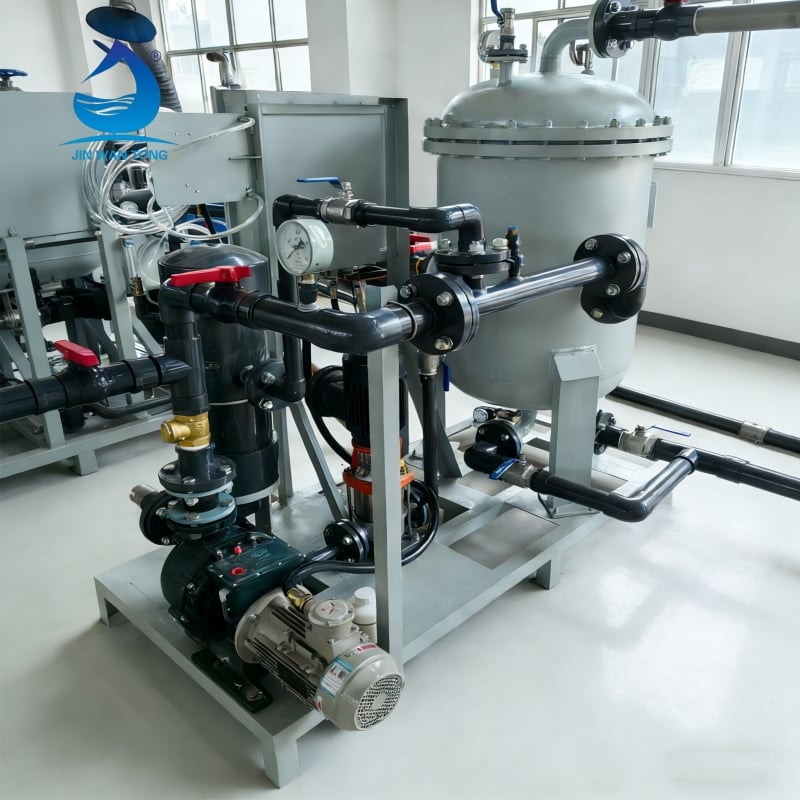
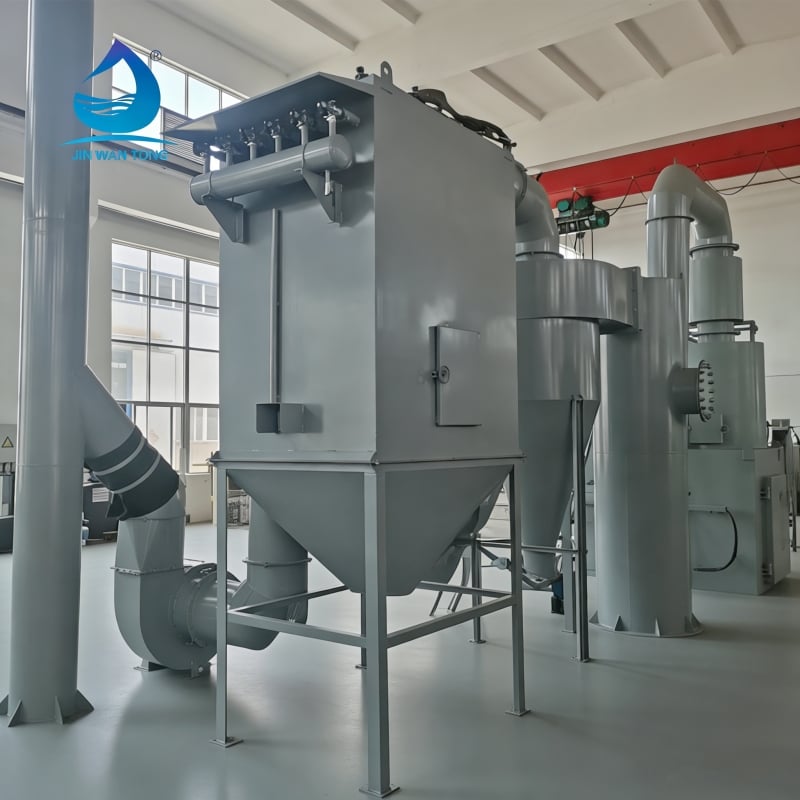
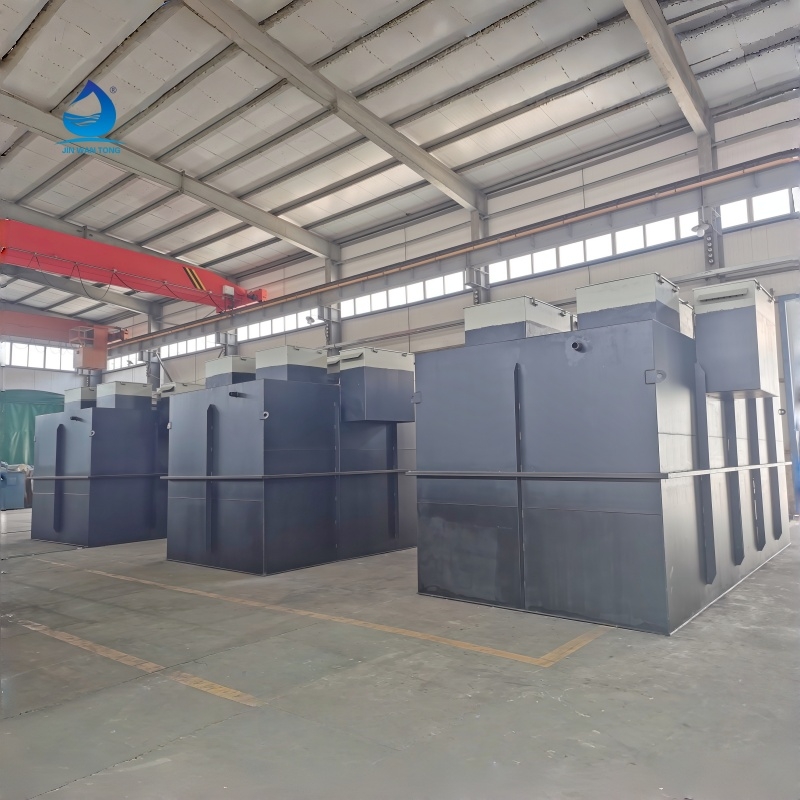
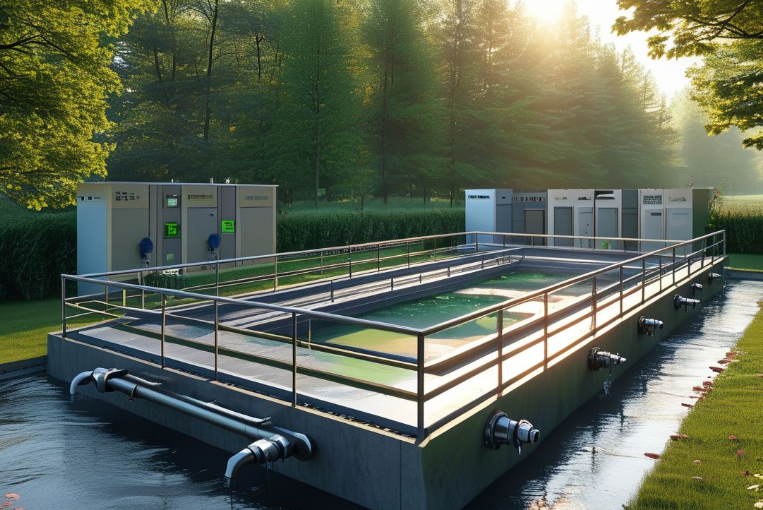
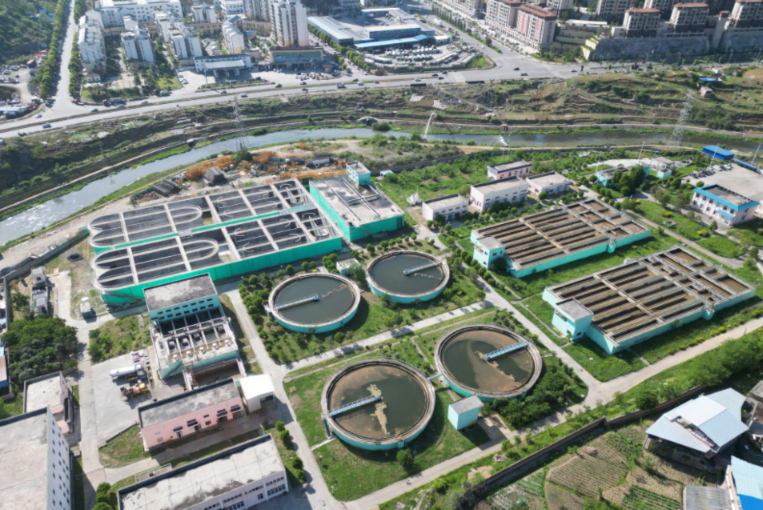
Advanced wastewater treatment systems represent cutting-edge technology designed to remove contaminants and pollutants from wastewater beyond what conventional treatment methods can achieve. These sophisticated systems employ multiple treatment stages and innovative processes to ensure water meets the highest quality standards for safe discharge or reuse. The main functions of advanced wastewater treatment systems include removing suspended solids, dissolved organic matter, nutrients like nitrogen and phosphorus, heavy metals, pharmaceuticals, and other emerging contaminants that traditional systems cannot effectively eliminate. These systems utilize various technological features including membrane bioreactors, reverse osmosis, advanced oxidation processes, biological nutrient removal, and disinfection technologies. The integration of these technologies creates a comprehensive treatment solution that produces high-quality effluent suitable for various applications. Technologically, advanced wastewater treatment systems incorporate automated monitoring and control systems that optimize performance while reducing operational costs. Smart sensors continuously monitor water quality parameters, allowing real-time adjustments to treatment processes. This automation ensures consistent treatment efficiency and reduces the need for manual intervention. The systems often feature modular designs that allow for scalability and customization based on specific treatment requirements. Applications for advanced wastewater treatment systems span across municipal facilities, industrial operations, hospitals, pharmaceutical manufacturing, food processing plants, and residential developments. Municipalities use these systems to comply with stringent environmental regulations while protecting local water bodies. Industrial facilities implement them to treat process wastewater and reduce environmental impact. The technology proves essential in areas facing water scarcity, where treated wastewater can be recycled for non-potable uses such as irrigation, cooling, and industrial processes. Additionally, advanced wastewater treatment systems play crucial roles in groundwater protection and maintaining ecosystem health by preventing contaminated water from entering natural water sources.

New Product Recommendations

Advanced wastewater treatment systems deliver exceptional water quality that surpasses regulatory requirements and environmental standards. These systems remove up to 99% of contaminants, producing effluent clean enough for direct reuse in many applications. This superior treatment capability protects public health and environmental resources while ensuring compliance with increasingly strict discharge regulations. Organizations using these systems avoid costly fines and regulatory penalties associated with non-compliance. The technology significantly reduces operational costs through automated processes that minimize labor requirements and optimize chemical usage. Smart monitoring systems prevent over-dosing of treatment chemicals, reducing waste and operational expenses. Energy-efficient designs incorporate variable speed drives and optimized aeration systems that lower electricity consumption compared to conventional treatment methods. Many advanced wastewater treatment systems generate biogas during the treatment process, creating renewable energy that offsets operational costs. The systems require minimal maintenance due to robust construction and automated self-cleaning mechanisms, further reducing long-term operational expenses. Environmental benefits include substantial reduction in carbon footprint through energy recovery and efficient treatment processes. These systems eliminate harmful pollutants that would otherwise contaminate soil and water resources, protecting local ecosystems and wildlife. The technology supports sustainable development goals by enabling water reuse and reducing demand on freshwater resources. Advanced wastewater treatment systems help organizations achieve environmental certifications and demonstrate corporate responsibility. Flexibility represents another key advantage, as modular designs allow systems to expand or adapt to changing treatment requirements. This scalability protects initial investments while accommodating future growth or regulatory changes. The compact footprint of many systems makes them suitable for space-constrained locations where conventional treatment plants cannot fit. Remote monitoring capabilities enable operators to manage multiple facilities from centralized locations, improving efficiency and response times. The technology provides reliable performance under varying influent conditions, maintaining consistent effluent quality regardless of seasonal changes or operational fluctuations. Investment in advanced wastewater treatment systems often qualifies for government incentives and grants, reducing initial capital costs while supporting long-term sustainability goals.

Tips And Tricks

Overview of the Agricultural Wastewater Treatment Market

17

Dec

Overview of the Agricultural Wastewater Treatment Market

View More
Global Real-Time Wastewater Treatment Update

17

Dec

Global Real-Time Wastewater Treatment Update

View More
Navigating the Waters: The Role of an Industrial Wastewater Treatment Plant

17

Dec

Navigating the Waters: The Role of an Industrial Wastewater Treatment Plant

View More

Get a Free Quote

Our representative will contact you soon.
Email
Name
Company Name
Message
0/1000

advanced wastewater treatment systems

Revolutionary Membrane Bioreactor Technology

Revolutionary Membrane Bioreactor Technology

Membrane bioreactor technology represents the cornerstone of modern advanced wastewater treatment systems, combining biological treatment with physical membrane separation to achieve unprecedented treatment efficiency. This innovative approach integrates activated sludge processes with ultrafiltration or microfiltration membranes, creating a hybrid system that delivers superior performance compared to conventional treatment methods. The membrane component acts as a physical barrier that retains all suspended solids and bacteria while allowing treated water to pass through, eliminating the need for secondary clarifiers and dramatically improving effluent quality. This technology consistently produces water that meets or exceeds the most stringent discharge standards, making it ideal for applications where high-quality effluent is essential. The biological component utilizes specially selected microorganisms that break down organic pollutants and nutrients, while the membrane ensures complete separation of treated water from biomass. This configuration allows for higher biomass concentrations in the reactor, leading to more efficient treatment in smaller spaces. The system operates at longer sludge retention times, promoting the growth of slow-growing microorganisms that can degrade complex compounds, including pharmaceuticals and industrial chemicals that conventional systems cannot effectively remove. Operational advantages include reduced sludge production, elimination of bulking issues, and consistent performance regardless of temperature fluctuations or shock loads. The compact design requires significantly less space than conventional treatment plants, making it perfect for urban environments or industrial facilities with limited land availability. Maintenance requirements are minimal due to automated backwashing systems that prevent membrane fouling, and the modular nature allows for easy expansion or replacement of components. Energy consumption is optimized through advanced aeration systems and variable speed pumps that adjust operation based on real-time demand. The technology supports various operational modes, including continuous flow and batch processing, providing flexibility to match specific treatment requirements and influent characteristics.
Intelligent Process Control and Monitoring Systems

Intelligent Process Control and Monitoring Systems

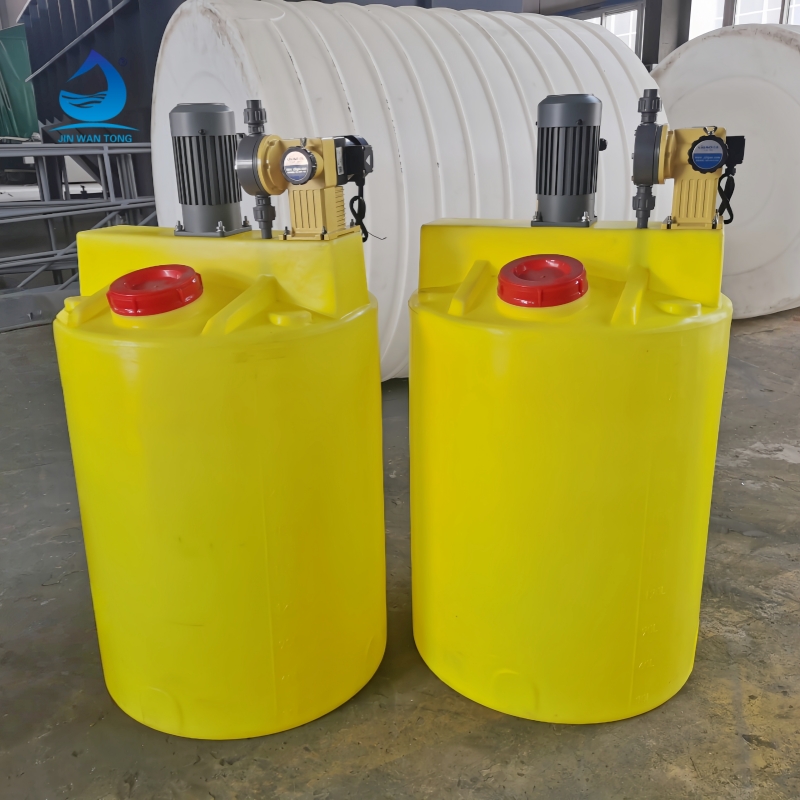
Intelligent process control and monitoring systems form the technological backbone of advanced wastewater treatment systems, utilizing artificial intelligence and machine learning algorithms to optimize treatment performance while minimizing operational costs. These sophisticated control systems continuously monitor hundreds of parameters including pH, dissolved oxygen, turbidity, conductivity, temperature, and nutrient levels, making real-time adjustments to maintain optimal treatment conditions. The integration of smart sensors throughout the treatment process provides unprecedented visibility into system performance, enabling predictive maintenance and preventing equipment failures before they occur. Advanced algorithms analyze historical data patterns to predict influent characteristics and automatically adjust treatment parameters, ensuring consistent effluent quality regardless of variations in incoming wastewater. The systems feature user-friendly interfaces that allow operators to monitor and control multiple treatment processes from centralized locations, reducing staffing requirements while improving response times to operational issues. Automated chemical dosing systems precisely control the addition of coagulants, flocculants, and disinfectants based on real-time water quality measurements, eliminating waste and reducing chemical costs. Remote monitoring capabilities enable 24/7 system oversight through mobile devices and web-based platforms, providing instant alerts when parameters exceed preset limits or maintenance is required. Data logging and reporting functions automatically generate compliance reports and performance summaries, simplifying regulatory reporting and supporting continuous improvement initiatives. The systems incorporate advanced safety features including emergency shutdown procedures and failsafe mechanisms that protect equipment and ensure environmental compliance during abnormal conditions. Machine learning algorithms continuously improve system performance by identifying optimization opportunities and recommending operational adjustments based on historical performance data. Integration with existing facility management systems allows for coordinated operation with other infrastructure components, optimizing overall facility efficiency. The technology supports multiple communication protocols, enabling seamless integration with supervisory control and data acquisition systems. Cybersecurity features protect against unauthorized access while ensuring data integrity and system reliability in increasingly connected industrial environments.
Comprehensive Contaminant Removal and Water Recovery

Comprehensive Contaminant Removal and Water Recovery

Comprehensive contaminant removal capabilities distinguish advanced wastewater treatment systems from conventional technologies, employing multiple treatment mechanisms to eliminate virtually all pollutants and enable safe water recovery for various reuse applications. These systems utilize sequential treatment processes including physical separation, biological degradation, chemical oxidation, and membrane filtration to address the complete spectrum of contaminants found in municipal and industrial wastewater. The multi-barrier approach ensures removal of traditional pollutants such as suspended solids, organic matter, and nutrients, while also targeting emerging contaminants including pharmaceuticals, personal care products, endocrine disrupting compounds, and microplastics that pose growing environmental and health concerns. Advanced oxidation processes generate powerful hydroxyl radicals that break down persistent organic compounds and disinfect treated water simultaneously, eliminating pathogens including viruses, bacteria, and parasites that resist conventional disinfection methods. Specialized treatment modules target specific contaminant categories, with ion exchange systems removing dissolved metals and salts, while activated carbon adsorption eliminates trace organics and improves taste and odor characteristics. The technology achieves remarkable removal efficiencies, typically exceeding 99% for most contaminants, producing high-quality effluent suitable for direct potable reuse applications when combined with appropriate monitoring and validation protocols. Water recovery rates often exceed 95%, dramatically reducing wastewater volumes requiring disposal while generating valuable water resources for industrial processes, irrigation, and groundwater recharge. The systems incorporate multiple disinfection technologies including ultraviolet irradiation, ozonation, and chlorine dioxide to ensure pathogen destruction while minimizing disinfection byproduct formation. Nutrient recovery systems capture phosphorus and nitrogen from wastewater streams, converting waste products into valuable fertilizers that support circular economy principles. Real-time monitoring of treatment performance validates contaminant removal efficiency and ensures consistent water quality, providing confidence for regulators and end users. The technology supports various water reuse applications including industrial cooling, landscape irrigation, toilet flushing, and fire protection systems, reducing demand on freshwater resources while providing economic benefits through reduced water and sewer costs.
Advanced Wastewater Treatment Systems: Revolutionary Technology for Superior Water Quality and Environmental Protection

Get a Free Quote

Our representative will contact you soon.
Email
Name
Company Name
Message
0/1000