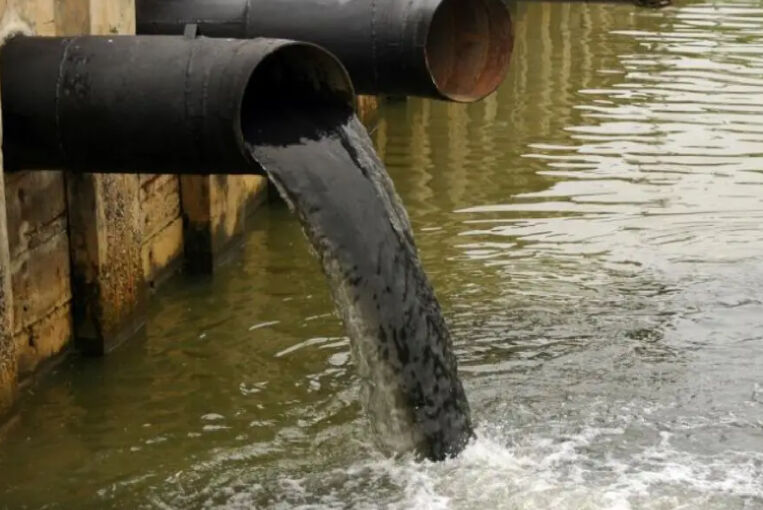
Advanced Wastewater Treatment Solutions - Superior Water Purification Technology

All Categories

Get a Free Quote

Our representative will contact you soon.
Email
Name
Company Name
Message
0/1000

advanced wastewater treatment

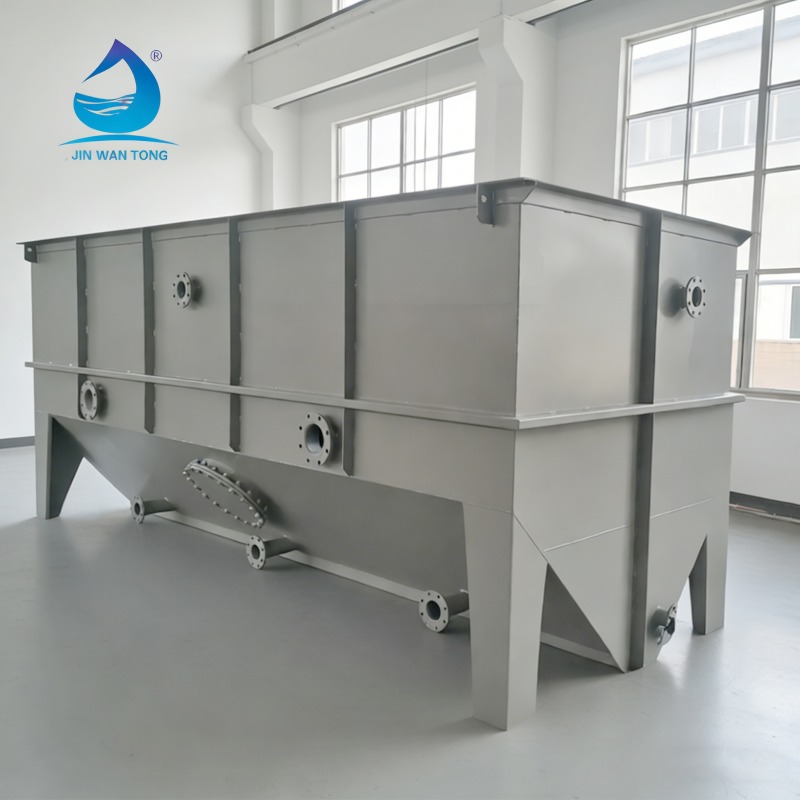
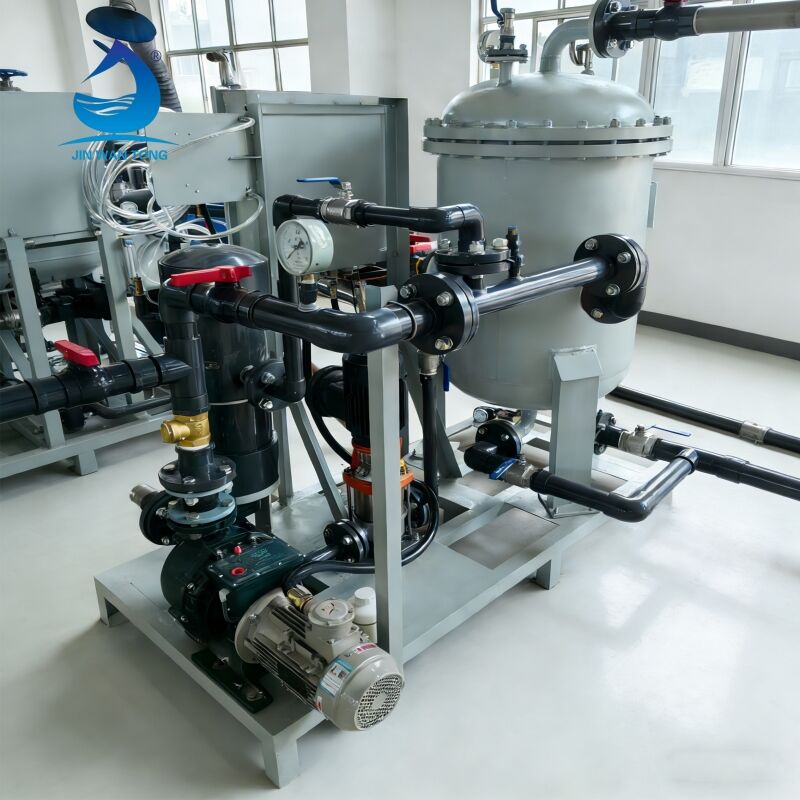
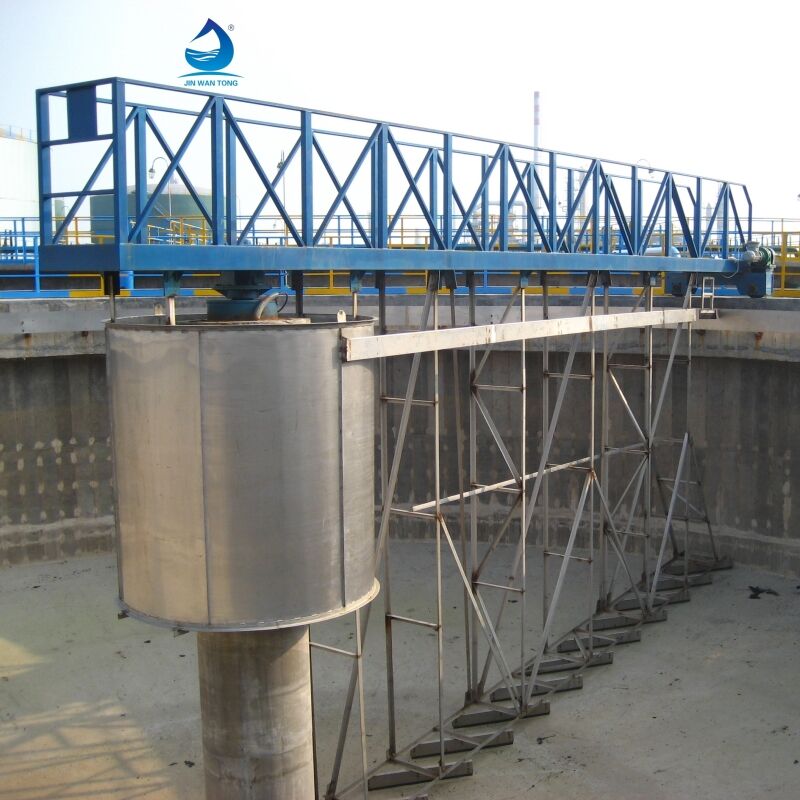
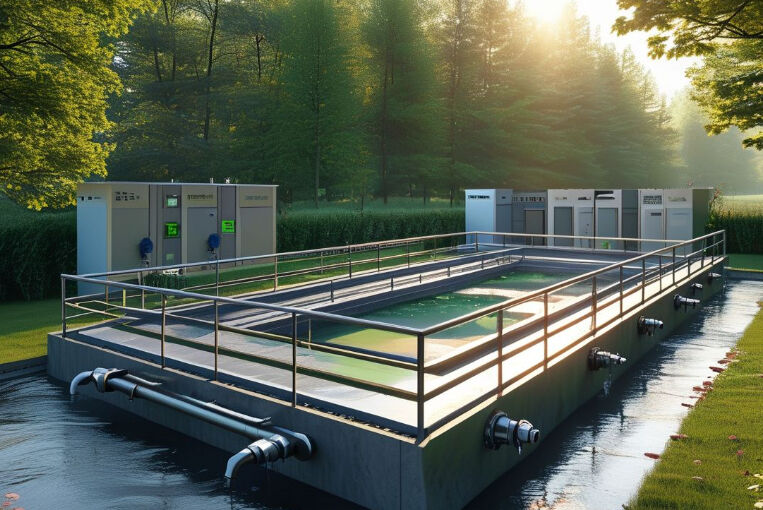
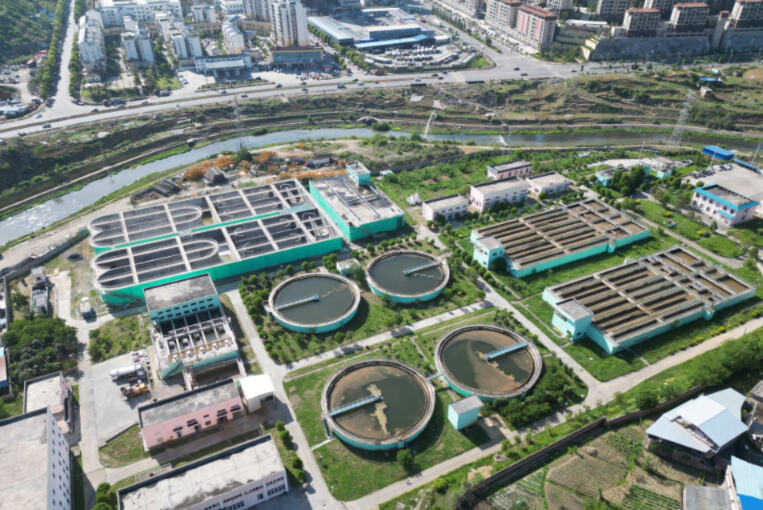
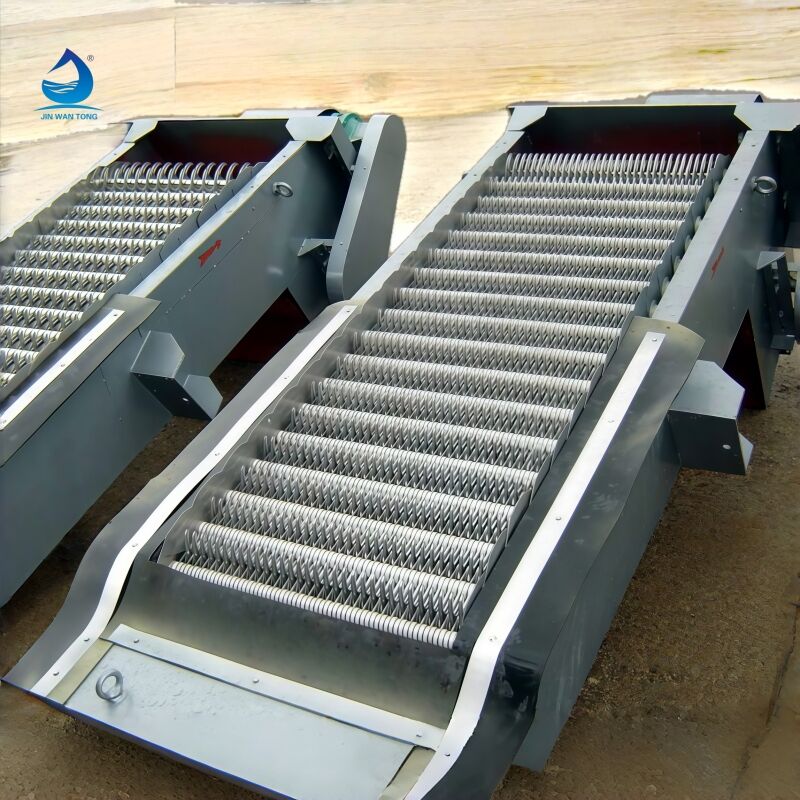
Advanced wastewater treatment represents a comprehensive approach to water purification that goes beyond traditional treatment methods to achieve superior water quality standards. This sophisticated technology integrates multiple treatment processes to remove contaminants, pollutants, and harmful substances from wastewater streams with exceptional efficiency. The primary function of advanced wastewater treatment involves the systematic removal of suspended solids, dissolved organic compounds, nutrients, heavy metals, and pathogenic microorganisms from contaminated water sources. The technology employs cutting-edge filtration systems, biological processes, chemical treatments, and membrane technologies to ensure comprehensive purification. Key technological features include membrane bioreactors that combine biological treatment with ultrafiltration membranes, reverse osmosis systems for molecular-level contaminant removal, and advanced oxidation processes that break down complex organic pollutants. These systems also incorporate nutrient removal technologies such as enhanced biological phosphorus removal and nitrification-denitrification processes. The treatment process typically involves multiple stages including preliminary screening, primary clarification, secondary biological treatment, tertiary polishing, and final disinfection. Advanced wastewater treatment finds extensive applications across various industries including municipal water treatment facilities, industrial manufacturing plants, pharmaceutical companies, food processing facilities, and commercial developments. The technology proves particularly valuable in water-scarce regions where water reuse and recycling become essential for sustainable operations. Environmental compliance requirements drive many organizations to implement advanced wastewater treatment systems to meet stringent discharge standards and environmental regulations. The versatility of these systems allows for customization based on specific contamination profiles and treatment objectives, making them suitable for treating diverse wastewater streams from different sources while ensuring consistent high-quality effluent production.
New Products

Advanced wastewater treatment delivers substantial cost savings through improved operational efficiency and reduced water consumption expenses. Organizations implementing these systems experience significant reductions in fresh water procurement costs by recycling treated wastewater for various operational purposes. The technology eliminates the need for expensive water transportation and reduces dependency on municipal water supplies, particularly beneficial for facilities located in remote areas or regions with water scarcity issues. Environmental benefits include dramatic pollution reduction, protecting local ecosystems and groundwater resources from contamination. These systems remove up to 99% of harmful contaminants, ensuring discharged water meets or exceeds environmental standards and regulatory requirements. The technology supports corporate sustainability goals by minimizing environmental footprint and demonstrating responsible water stewardship. Operational advantages encompass reliable performance with minimal maintenance requirements due to automated monitoring and control systems. Advanced wastewater treatment systems operate continuously with consistent output quality, reducing operational disruptions and maintaining steady production schedules. The modular design allows for easy expansion and modification as treatment needs evolve, providing scalability for growing operations. Quality improvements include producing effluent suitable for various reuse applications such as irrigation, cooling tower makeup water, and process water in manufacturing operations. The treated water often surpasses quality standards required for many industrial applications, eliminating concerns about water quality affecting production processes. Compliance benefits ensure organizations meet increasingly stringent environmental regulations while avoiding costly fines and legal complications associated with non-compliance. Risk mitigation aspects include reducing liability exposure from environmental contamination and protecting brand reputation through demonstrated environmental responsibility. The technology provides energy efficiency through optimized process design and recovery systems that capture and reuse energy from treatment processes. Long-term benefits include asset protection by preventing corrosion and scaling issues associated with poor water quality, extending equipment lifespan and reducing maintenance costs across facility operations.

Latest News

Overview of the Agricultural Wastewater Treatment Market

17

Dec

Overview of the Agricultural Wastewater Treatment Market

View More
Global Real-Time Wastewater Treatment Update

17

Dec

Global Real-Time Wastewater Treatment Update

View More
Navigating the Waters: The Role of an Industrial Wastewater Treatment Plant

17

Dec

Navigating the Waters: The Role of an Industrial Wastewater Treatment Plant

View More

Get a Free Quote

Our representative will contact you soon.
Email
Name
Company Name
Message
0/1000

advanced wastewater treatment

Superior Contaminant Removal Performance

Superior Contaminant Removal Performance

Advanced wastewater treatment systems excel in removing the most challenging contaminants through sophisticated multi-barrier treatment approaches that conventional systems cannot match. These systems effectively eliminate microscopic pollutants including pharmaceuticals, endocrine disrupting compounds, and emerging contaminants that pose significant environmental and health risks. The membrane-based filtration technologies employed in advanced wastewater treatment provide molecular-level separation, removing contaminants as small as viruses and dissolved organic molecules. This exceptional removal efficiency ensures treated effluent meets the highest quality standards for safe discharge or beneficial reuse applications. The biological treatment components utilize specially cultivated microorganisms that consume organic pollutants, converting them into harmless byproducts while maintaining optimal treatment performance. Chemical treatment stages target specific contaminants such as heavy metals, phosphorus, and nitrogen compounds through precipitation, coagulation, and advanced oxidation processes. The integrated approach combines physical, biological, and chemical treatment methods to address the complete spectrum of waterborne contaminants found in industrial and municipal wastewater streams. Quality monitoring systems continuously track removal efficiency across all treatment stages, ensuring consistent performance and identifying any process optimization opportunities. The technology adapts to varying influent conditions and contaminant loads while maintaining stable treatment performance, providing reliability even during peak loading conditions or seasonal variations. Post-treatment polishing steps including activated carbon adsorption and disinfection ensure final effluent quality exceeds regulatory requirements and customer expectations. This comprehensive contaminant removal capability protects receiving environments from pollution while enabling water reuse applications that would otherwise be impossible with conventional treatment methods, ultimately supporting both environmental protection and resource conservation objectives.
Energy-Efficient and Sustainable Operation

Energy-Efficient and Sustainable Operation

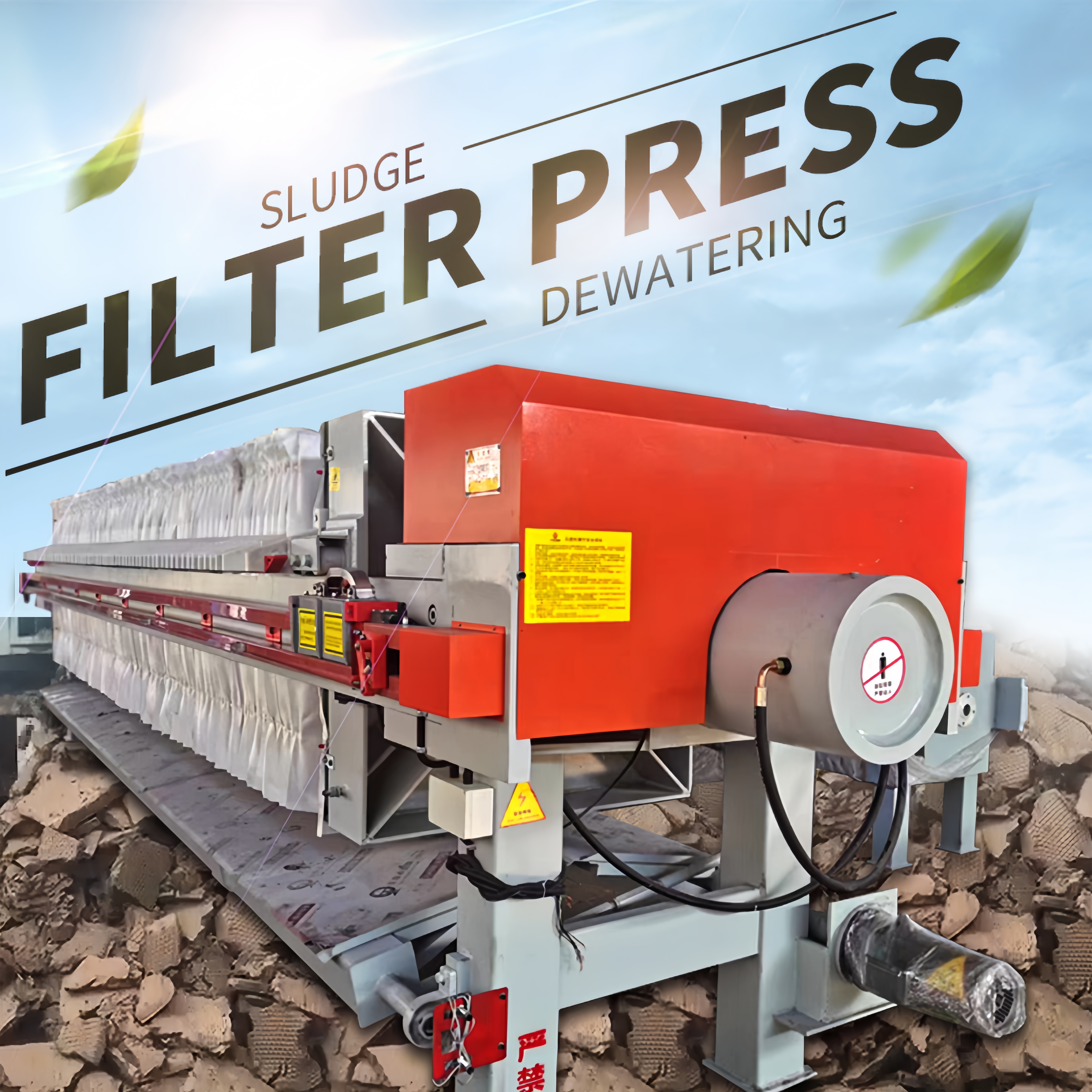
Advanced wastewater treatment systems incorporate innovative energy recovery and optimization technologies that significantly reduce operational costs while minimizing environmental impact. These systems utilize energy-efficient pumps, blowers, and control systems that automatically adjust operations based on real-time conditions, optimizing energy consumption throughout the treatment process. Membrane aerated biofilm reactors and other advanced biological treatment technologies require less energy than conventional activated sludge processes while delivering superior treatment performance. The integrated design captures and reuses energy from various treatment stages, including biogas recovery from anaerobic treatment processes and heat recovery from treated effluent streams. Smart control systems continuously monitor and optimize equipment operation, reducing energy waste and extending equipment lifespan through preventive maintenance scheduling. Solar integration capabilities allow facilities to supplement electrical power with renewable energy sources, further reducing operational costs and carbon footprint. The technology minimizes chemical consumption through optimized dosing systems and biological treatment enhancement, reducing both operational expenses and environmental impact from chemical production and transportation. Water recovery rates of up to 95% reduce the overall water footprint of operations while generating high-quality reclaimed water for beneficial reuse applications. Sludge minimization technologies reduce waste generation and disposal costs while recovering valuable nutrients for agricultural applications. Automated monitoring and control systems reduce labor requirements and eliminate human error in process management, ensuring consistent performance with minimal operator intervention. The modular design enables rightsizing of treatment capacity to match actual needs, avoiding oversized systems that waste energy and resources. These sustainability features align with corporate environmental goals while delivering measurable cost savings that improve long-term operational profitability and competitiveness in increasingly environmentally conscious markets.
Flexible Design and Scalable Implementation

Flexible Design and Scalable Implementation

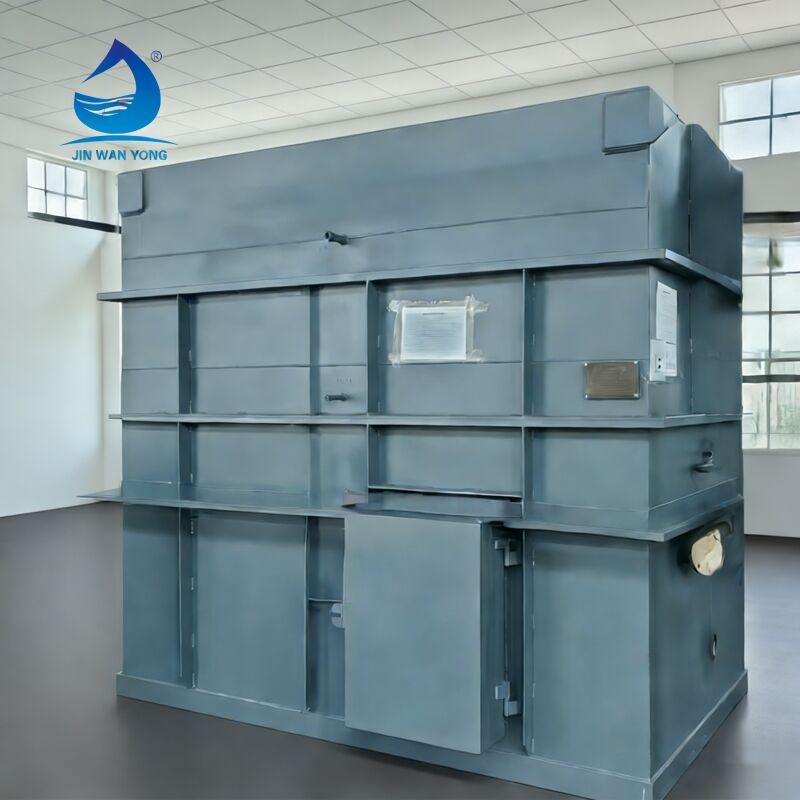
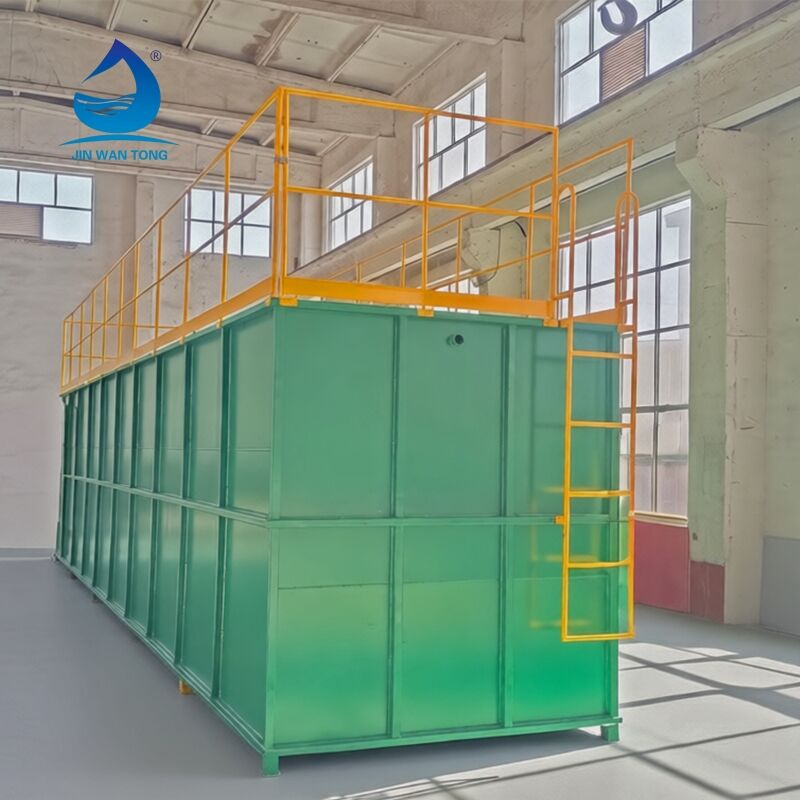
Advanced wastewater treatment systems offer unparalleled flexibility in design configuration and implementation approaches, allowing customization to meet specific site conditions, treatment objectives, and operational requirements. The modular construction approach enables phased implementation that matches facility growth patterns and capital budget constraints while maintaining treatment effectiveness throughout expansion phases. Containerized treatment units provide portable solutions for temporary applications, emergency response situations, or facilities requiring rapid deployment capabilities. The technology accommodates varying flow rates and contaminant concentrations through adjustable treatment parameters and expandable component sizing, ensuring optimal performance across diverse operating conditions. Site-specific design considerations include space constraints, climate conditions, soil characteristics, and local regulatory requirements, with engineering solutions tailored to maximize efficiency within existing facility layouts. Integration capabilities allow seamless connection with existing infrastructure including utilities, monitoring systems, and waste management facilities, minimizing disruption during installation and commissioning. Treatment train configurations can be customized based on specific contaminant profiles, with different combinations of physical, biological, and chemical treatment processes selected to address unique water quality challenges. Remote monitoring and control capabilities enable centralized management of multiple treatment locations, reducing operational costs and ensuring consistent performance across distributed facilities. The technology supports both retrofit applications for existing facilities and greenfield installations for new developments, with engineering approaches optimized for each implementation scenario. Upgrade pathways allow existing conventional treatment systems to be enhanced with advanced treatment components, providing cost-effective performance improvements without complete system replacement. Operational flexibility includes seasonal adjustment capabilities for facilities with variable loading patterns and the ability to treat multiple waste streams with different characteristics within a single treatment system. This adaptability ensures long-term value and performance optimization as operational requirements evolve and environmental regulations become more stringent over time.
Advanced Wastewater Treatment Solutions - Superior Water Purification Technology

Get a Free Quote

Our representative will contact you soon.
Email
Name
Company Name
Message
0/1000