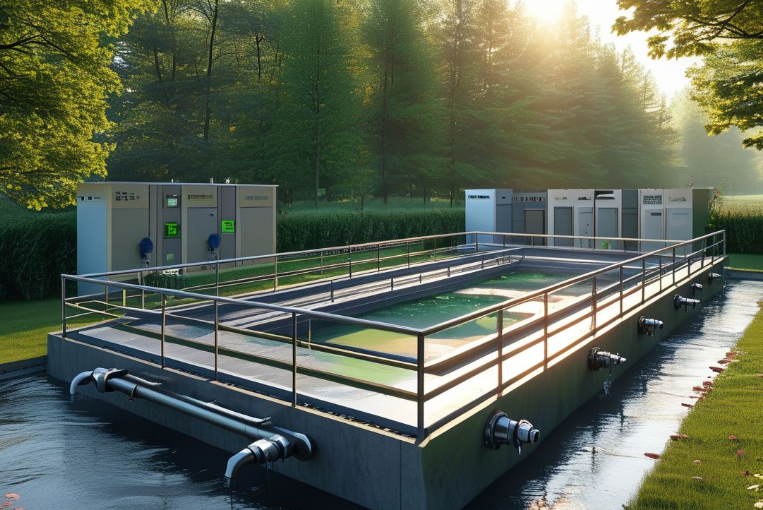
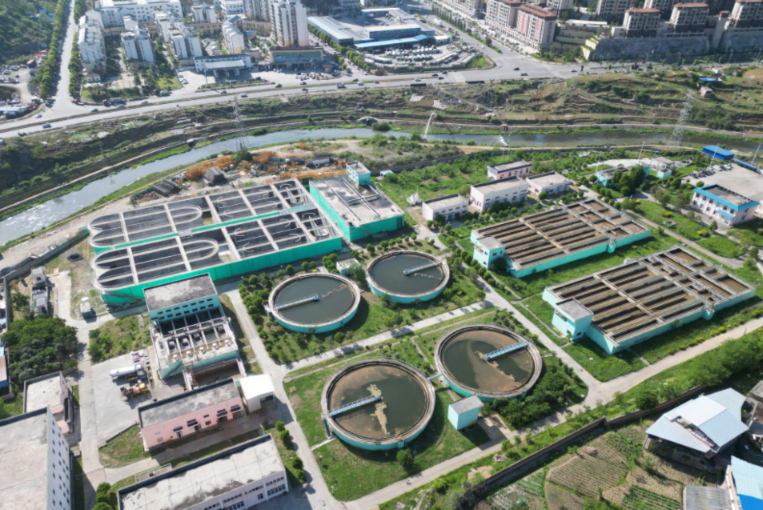
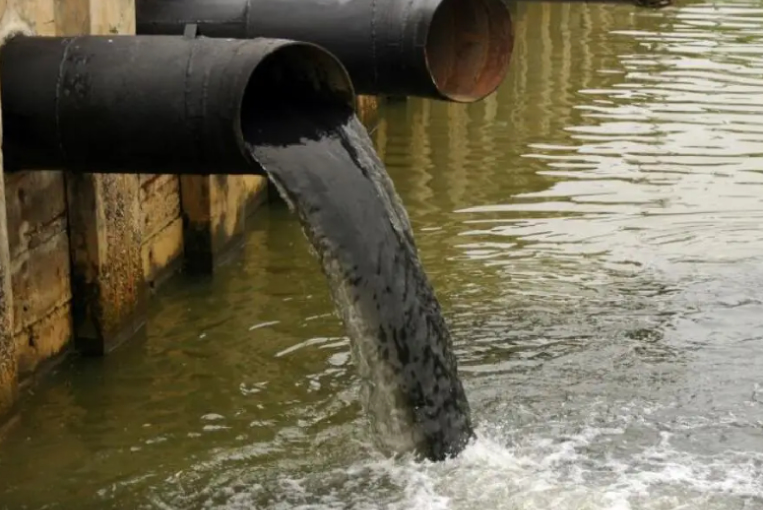
Commercial wastewater treatment systems are used to collect, treat and discharge wastewater generated by commercial buildings and service facilities. Compared with small domestic septic systems, commercial wastewater treatment usually requires higher capacity, more stable performance and better adaptability to changing water quality. Typical wastewater sources include toilets, kitchens, laundries, cleaning areas, restaurants, hotels, schools, hospitals, office buildings, commercial complexes and industrial parks.
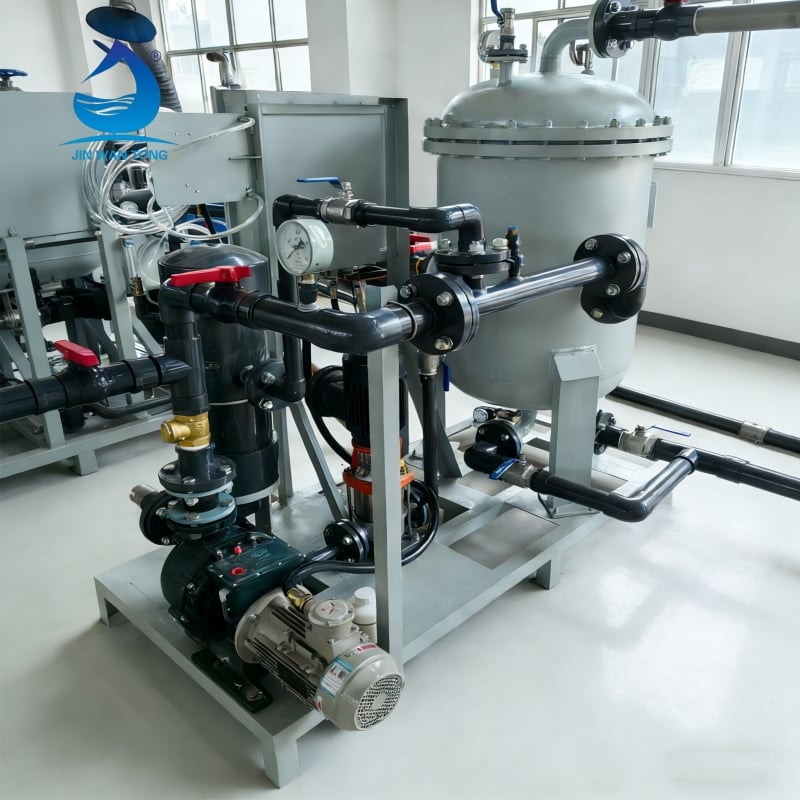
A complete commercial sewage treatment system normally starts with pretreatment. Mechanical grilles or screens remove large solids such as paper, fibers, food residues and plastic fragments. This step helps protect pumps, pipes and downstream equipment. For commercial kitchens, restaurants or food service areas, wastewater may contain oil, grease and suspended solids. In such cases, grease separation, chemical dosing or a DAF dissolved air flotation machine can be added to improve pretreatment efficiency.
After pretreatment, the wastewater enters the biological treatment stage, where microorganisms degrade organic pollutants such as COD, BOD and ammonia nitrogen. For commercial projects, MBBR wastewater treatment systems are often selected for stable biological operation and flexible load resistance. MBR sewage treatment systems are suitable when the project requires compact layout, better effluent quality or limited installation space. MBR combines biological treatment with membrane filtration, making it useful for hotels, resorts, office buildings and packaged sewage treatment projects.
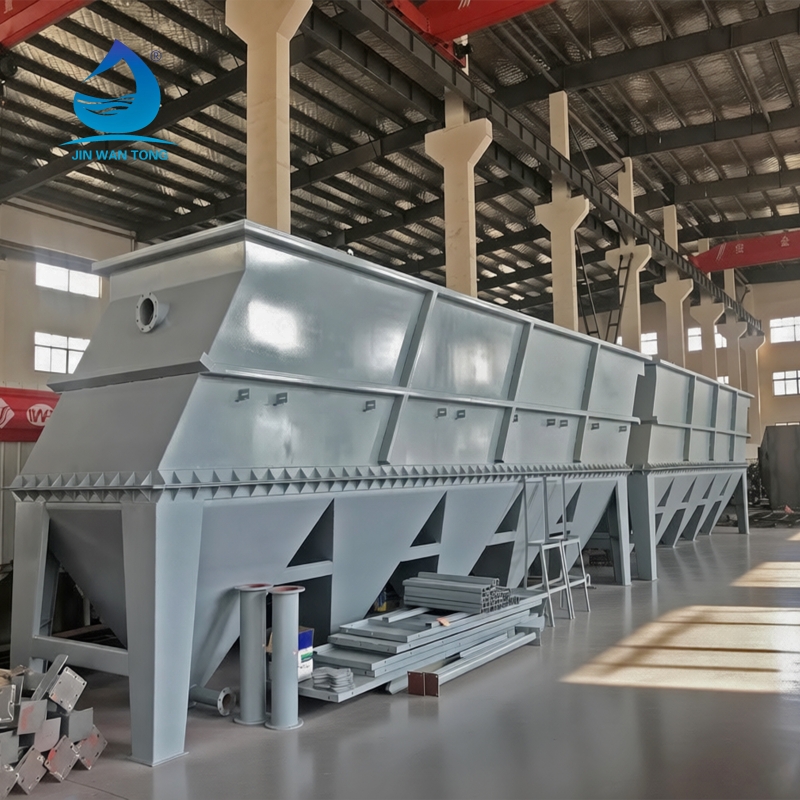
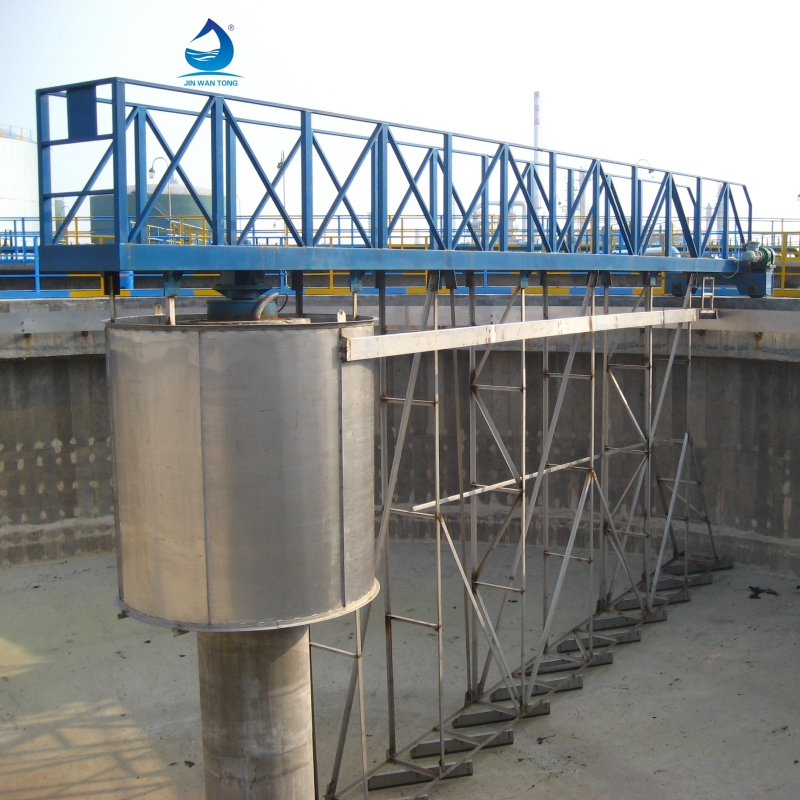
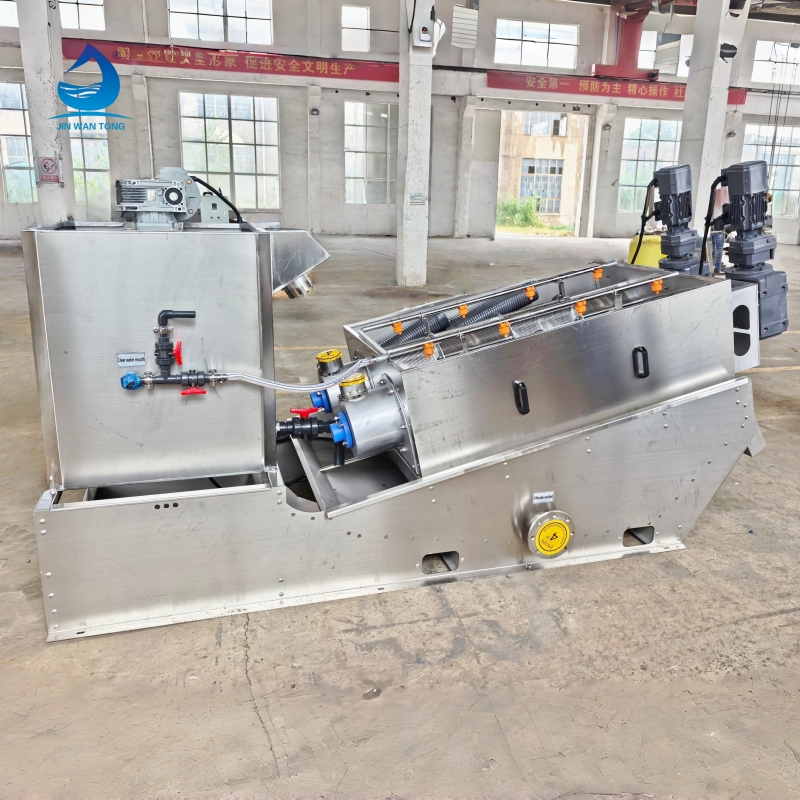
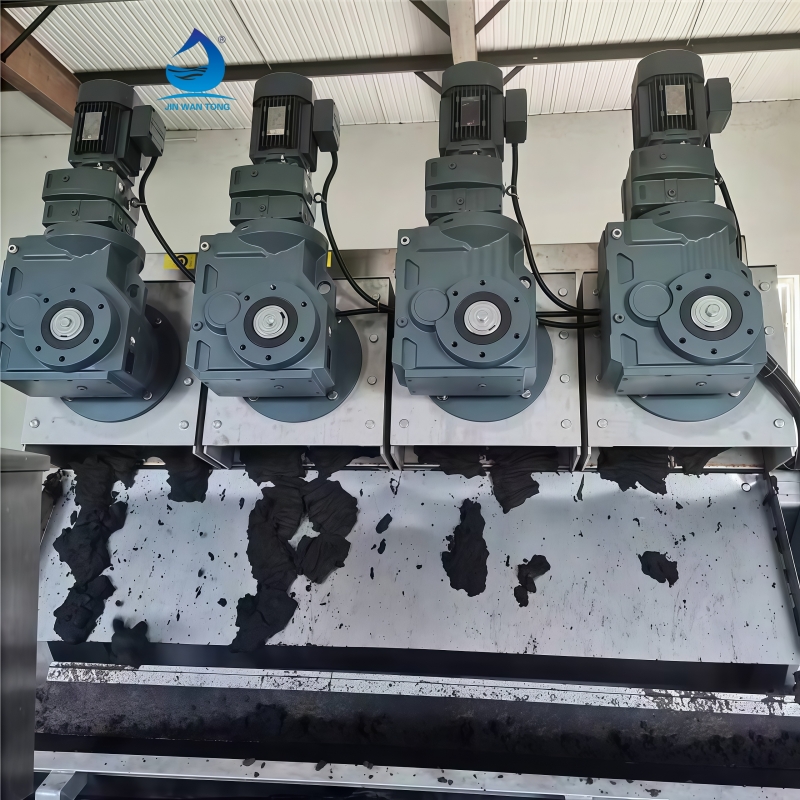
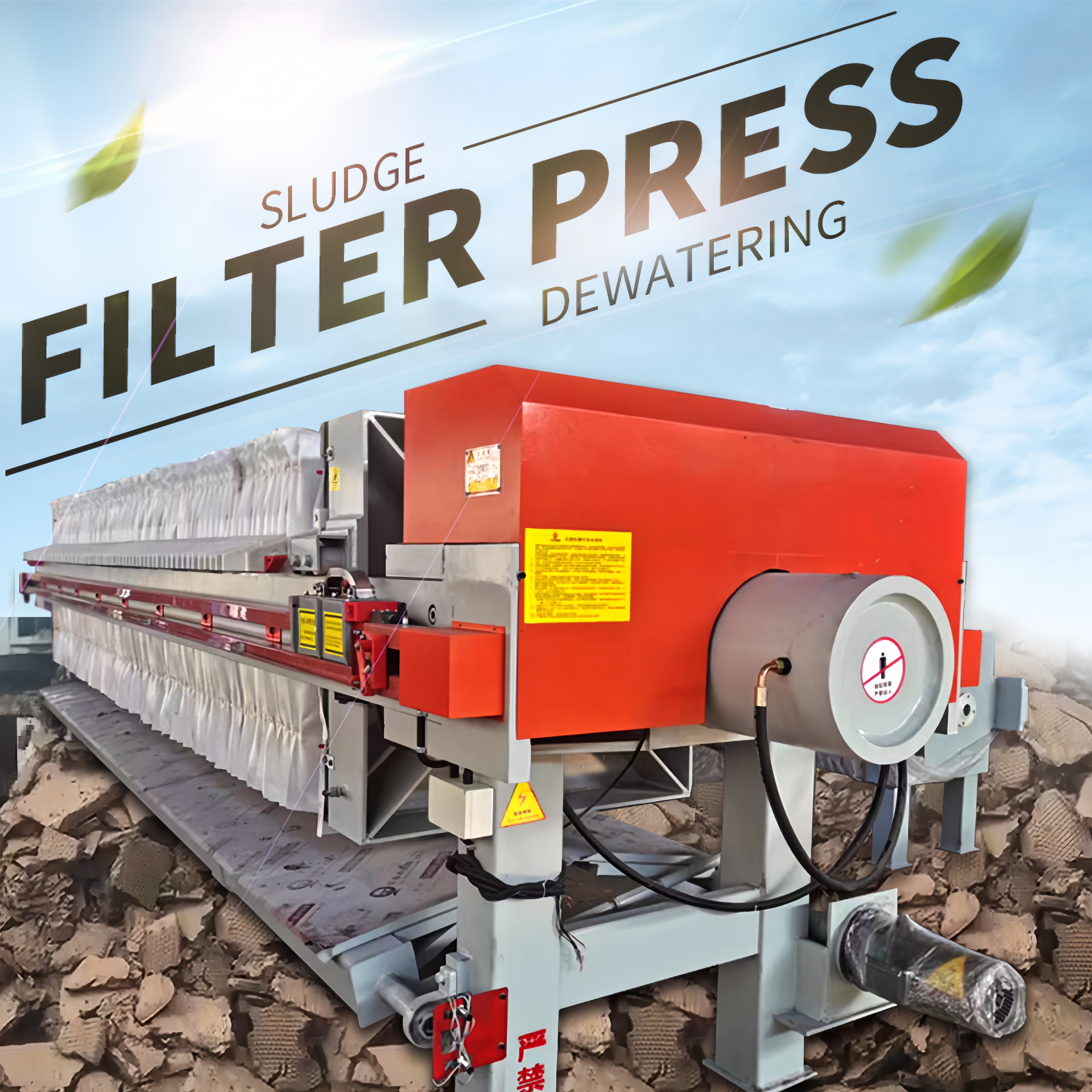
Clarification and solid-liquid separation are also important. A lamella clarifier or sedimentation tank can separate suspended solids from treated water. If chemical coagulation and flocculation are required, an automatic dosing system can prepare and dose flocculants, coagulants, acid, alkali or other chemicals. The sludge produced from flotation, clarification and biological treatment can be further processed by a screw press sludge dewatering machine to reduce sludge volume and disposal cost.
For B2B buyers, choosing the right commercial wastewater treatment system depends on several key parameters. These include daily treatment capacity, peak flow, influent COD/BOD, TSS, oil and grease, pH, ammonia nitrogen, local discharge standard, available land area, automation level and maintenance ability. A hotel or office building may need a compact and low-odor system, while a commercial kitchen or food court may require stronger pretreatment for grease and solids.
Qingdao Jinwantong can supply single equipment or complete treatment configurations for commercial wastewater projects. Whether you need a packaged MBR plant, MBBR system, DAF unit, dosing system, lamella clarifier or sludge dewatering equipment, we can recommend a practical configuration according to your project data. For quotation, buyers are encouraged to provide wastewater source, flow rate, water quality report, discharge requirements and site layout.
Qingdao Jinwantong provides industrial sewage treatment equipment for global clients. Our MBR, DAF, STP, and oil-water separation systems ensure compliance with national discharge standards. Trusted across 6 continents. Contact us today.
43,Cangnan Road, Cangma Town, Qingdao, Shandong, China
Copyright © 2026 Qingdao Jinwantong Environmental Science And Technology Co., Ltd. All rights reserved. Privacy Policy
 EN
EN