Advanced Industrial Wastewater Treatment Systems - Complete Solutions for Efficient Water Management

All Categories

Get a Free Quote

Our representative will contact you soon.
Email
Name
Company Name
Message
0/1000

industrial wastewater treatment systems

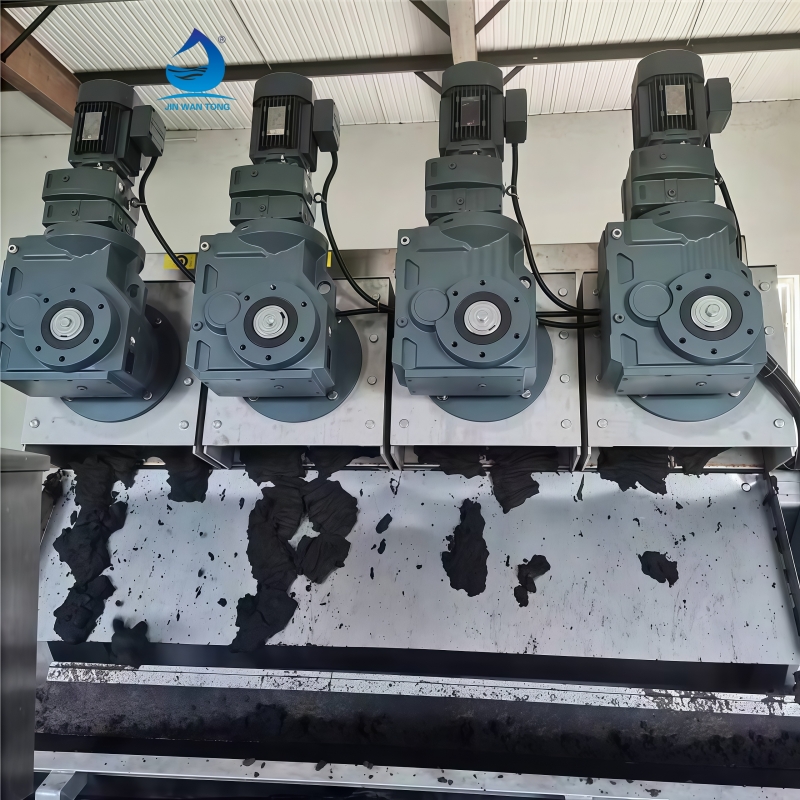
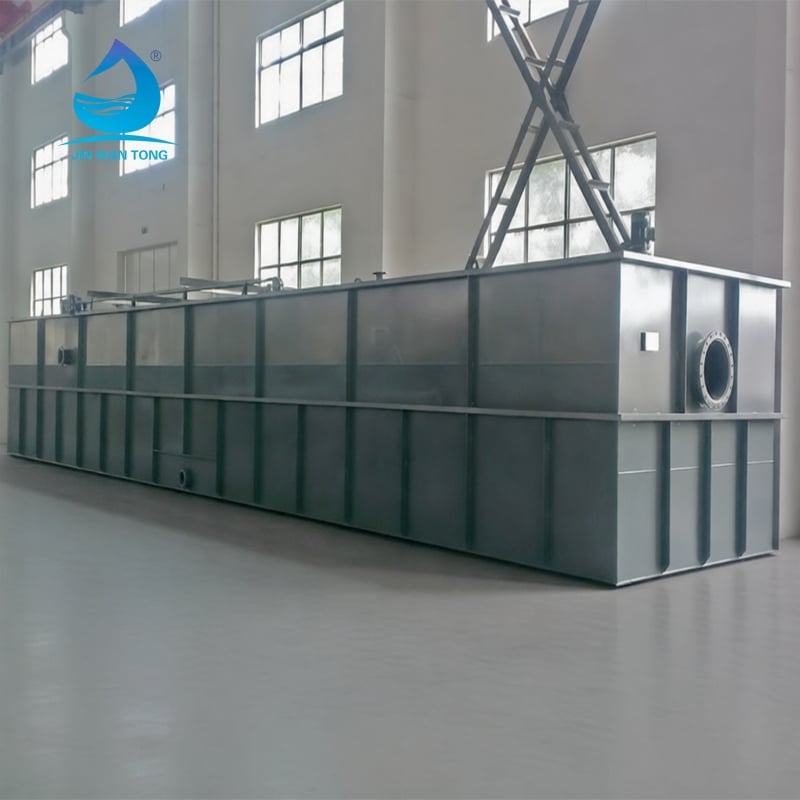
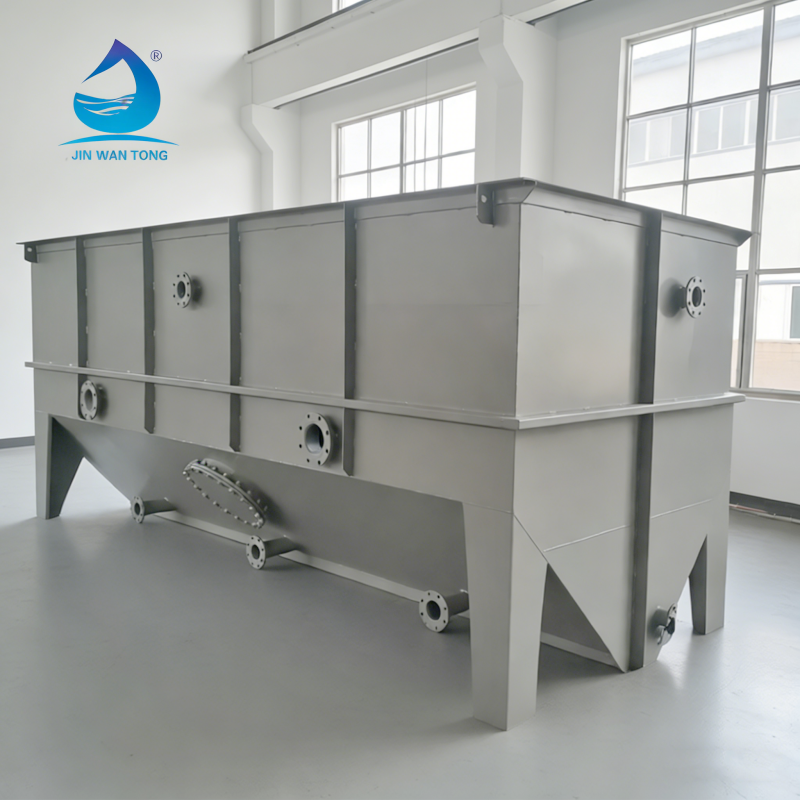
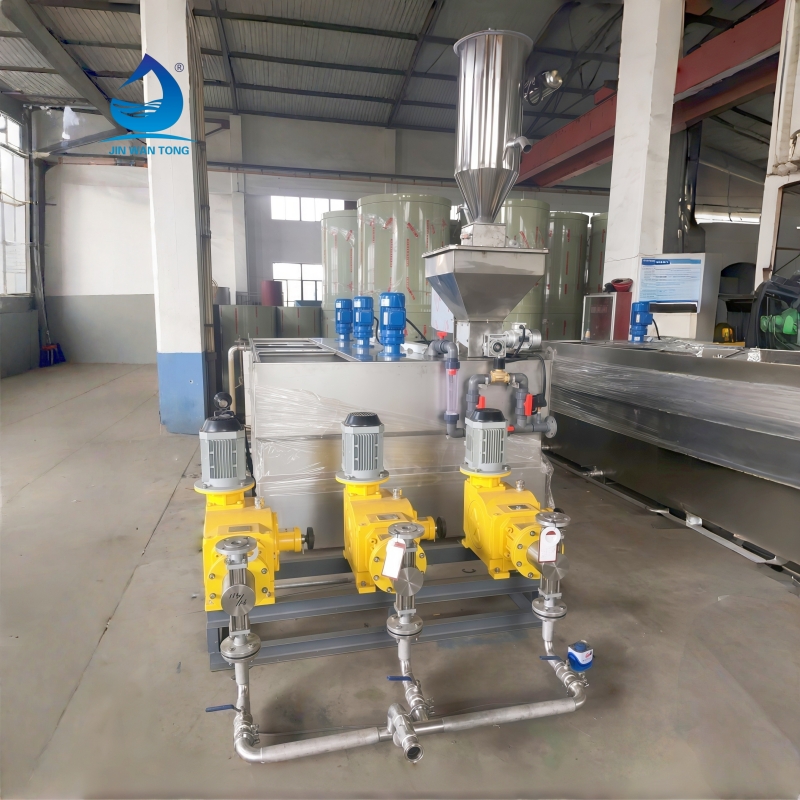
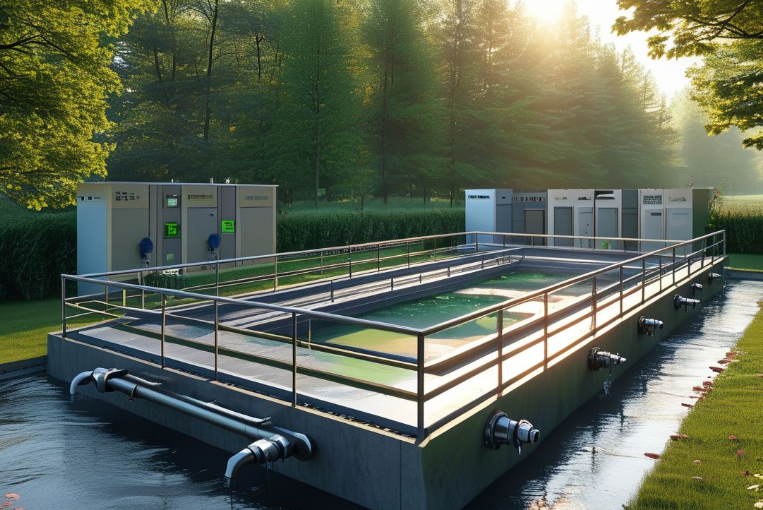
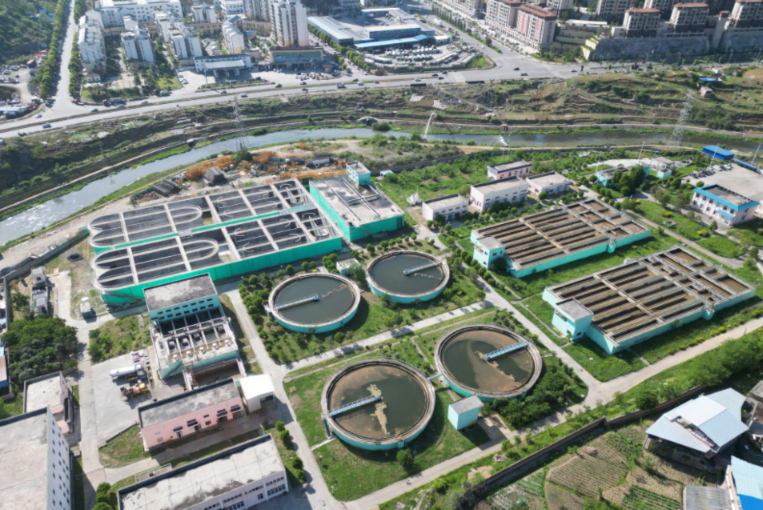
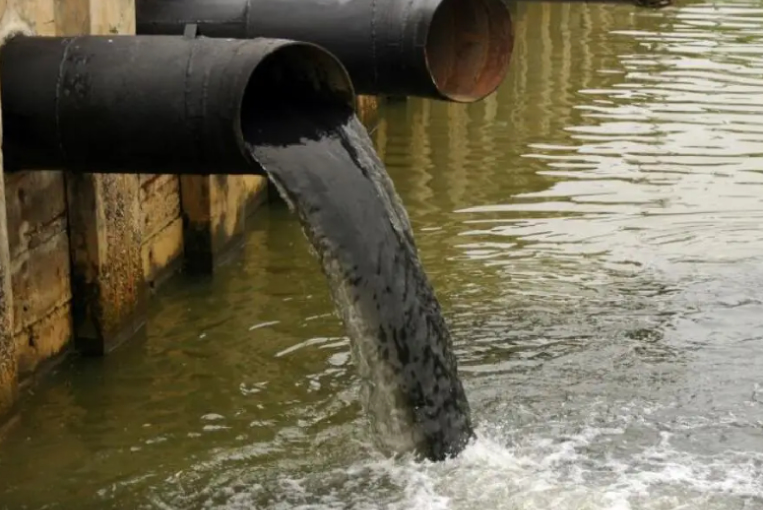
Industrial wastewater treatment systems represent sophisticated technological solutions designed to purify contaminated water generated from manufacturing processes, chemical production, food processing, and other industrial operations. These comprehensive systems serve multiple critical functions including contaminant removal, water quality restoration, environmental protection, and regulatory compliance. The primary objective involves transforming polluted industrial discharge into clean water that meets stringent environmental standards before release or reuse. Modern industrial wastewater treatment systems incorporate advanced technologies such as biological treatment processes, chemical precipitation, membrane filtration, activated sludge methods, and advanced oxidation processes. These systems effectively remove suspended solids, dissolved chemicals, heavy metals, organic compounds, oils, grease, and pathogenic microorganisms from industrial effluents. The technological features encompass multi-stage treatment processes beginning with preliminary screening and grit removal, followed by primary clarification, secondary biological treatment, and tertiary polishing steps. Advanced control systems monitor water quality parameters continuously, adjusting treatment processes automatically to maintain optimal performance. Applications span diverse industries including pharmaceutical manufacturing, textile production, petrochemical processing, metal finishing, paper mills, automotive manufacturing, and food beverage production. Each application requires customized treatment approaches based on specific contaminant characteristics and discharge requirements. These systems integrate seamlessly with existing industrial infrastructure while providing scalable solutions that accommodate varying flow rates and contamination levels. Energy-efficient designs minimize operational costs while maximizing treatment effectiveness, making industrial wastewater treatment systems essential investments for responsible industrial operations seeking sustainable water management practices.

New Product Recommendations

Industrial wastewater treatment systems deliver substantial cost savings through water recycling and reuse capabilities, eliminating the need for continuous fresh water purchases while reducing wastewater disposal fees significantly. Companies implementing these systems typically achieve 60-80 percent reduction in water procurement costs and disposal expenses within the first operational year. Environmental compliance becomes effortless as these systems ensure consistent adherence to local, state, and federal discharge regulations, preventing costly fines and legal complications that can severely impact business operations. The automated monitoring and control features provide real-time performance data, enabling facility managers to maintain optimal treatment efficiency without constant manual oversight. Production efficiency increases substantially because reliable water treatment eliminates manufacturing disruptions caused by water quality issues or supply shortages, maintaining consistent product quality and meeting delivery schedules. These systems protect valuable equipment from corrosion and scaling caused by untreated water, extending machinery lifespan and reducing maintenance requirements significantly. Worker safety improves dramatically through proper handling of hazardous contaminants, creating healthier workplace environments and reducing liability concerns. The modular design allows easy system expansion as business operations grow, providing flexibility without requiring complete system replacement. Energy optimization features incorporate variable speed drives, efficient pumps, and smart control algorithms that minimize power consumption while maintaining peak performance levels. Return on investment typically occurs within 18-24 months through combined savings from reduced water costs, eliminated disposal fees, decreased equipment maintenance, and improved operational efficiency. Brand reputation enhancement occurs naturally as companies demonstrate environmental responsibility, attracting environmentally conscious customers and business partners. These systems also prepare businesses for future regulatory changes, ensuring long-term compliance and operational sustainability in an increasingly environmentally regulated business landscape.

Tips And Tricks

Overview of the Agricultural Wastewater Treatment Market

17

Dec

Overview of the Agricultural Wastewater Treatment Market

View More
Global Real-Time Wastewater Treatment Update

17

Dec

Global Real-Time Wastewater Treatment Update

View More
Navigating the Waters: The Role of an Industrial Wastewater Treatment Plant

17

Dec

Navigating the Waters: The Role of an Industrial Wastewater Treatment Plant

View More

Get a Free Quote

Our representative will contact you soon.
Email
Name
Company Name
Message
0/1000

industrial wastewater treatment systems

Advanced Multi-Stage Filtration Technology

Advanced Multi-Stage Filtration Technology

The cornerstone of modern industrial wastewater treatment systems lies in their sophisticated multi-stage filtration technology, which combines multiple treatment processes to achieve exceptional contaminant removal efficiency. This comprehensive approach begins with preliminary screening that removes large debris and suspended materials, followed by advanced membrane bioreactors that utilize specialized microorganisms to break down organic pollutants. The ultrafiltration and reverse osmosis stages eliminate microscopic contaminants, dissolved salts, and trace chemicals that conventional methods cannot address effectively. Each filtration stage targets specific contaminant categories, ensuring thorough purification that meets the strictest discharge standards. The sequential design prevents system overload by distributing treatment workload across multiple specialized units, maintaining consistent performance even during peak contamination periods. Advanced sensor technology monitors each filtration stage continuously, providing real-time feedback that enables automatic process adjustments to maintain optimal efficiency. This intelligent monitoring system detects membrane fouling, filter saturation, and performance degradation before they impact overall system effectiveness, triggering automated cleaning cycles or maintenance alerts. The modular configuration allows individual stage maintenance without shutting down the entire system, minimizing operational disruptions and maintaining continuous treatment capacity. Custom membrane selection accommodates specific industrial contaminants, whether dealing with heavy metals from electroplating operations, organic solvents from chemical manufacturing, or suspended solids from food processing facilities. The technology incorporates backwash capabilities and chemical cleaning protocols that extend membrane lifespan while maintaining peak performance, reducing replacement costs and operational downtime significantly.
Intelligent Automated Control Systems

Intelligent Automated Control Systems

Revolutionary automated control systems transform industrial wastewater treatment systems into self-optimizing platforms that deliver consistent performance while minimizing operator intervention and operational costs. These sophisticated control networks utilize artificial intelligence algorithms and machine learning capabilities to analyze treatment data continuously, identifying patterns and optimizing process parameters automatically. The system learns from operational history, seasonal variations, and production cycles to predict optimal treatment configurations before contamination loads arrive at the facility. Programmable logic controllers interface with hundreds of sensors throughout the treatment process, monitoring pH levels, dissolved oxygen, turbidity, conductivity, and specific contaminant concentrations in real-time. This comprehensive monitoring enables immediate response to changing conditions, automatically adjusting chemical dosing, aeration rates, flow distributions, and process timing to maintain peak efficiency. Remote monitoring capabilities allow facility managers to oversee treatment operations from any location, receiving instant alerts about system status, performance metrics, and maintenance requirements through mobile applications or web-based dashboards. The predictive maintenance features analyze equipment performance patterns to forecast component failures before they occur, scheduling maintenance during planned downtime to prevent unexpected shutdowns. Energy optimization algorithms continuously balance treatment effectiveness with power consumption, adjusting pump speeds, blower operations, and heating systems based on real-time demand and efficiency calculations. Comprehensive data logging creates detailed operational records that demonstrate regulatory compliance, support process optimization decisions, and provide valuable insights for system improvements. The user-friendly interface simplifies operator training and reduces the need for specialized technical expertise, making advanced treatment technology accessible to facilities with varying levels of technical resources.
Sustainable Water Recovery and Reuse Capabilities

Sustainable Water Recovery and Reuse Capabilities

Industrial wastewater treatment systems excel in water recovery and reuse applications, transforming contaminated industrial discharge into high-quality water suitable for various operational purposes within manufacturing facilities. These advanced recovery systems can achieve 85-95 percent water reclamation rates, dramatically reducing fresh water consumption and wastewater disposal volumes while generating substantial cost savings. The multi-barrier treatment approach ensures recovered water meets stringent quality standards for cooling tower makeup, boiler feedwater, process water, and even potable applications where appropriate. Specialized treatment trains target specific reuse applications, incorporating additional polishing steps such as ion exchange, activated carbon adsorption, and disinfection to achieve required water quality parameters. The closed-loop design creates circular water management systems that minimize environmental impact while maximizing resource efficiency, supporting corporate sustainability initiatives and environmental stewardship goals. Advanced quality monitoring ensures recovered water consistently meets application-specific standards, with automatic diversion protocols that redirect substandard water for additional treatment rather than compromising reuse applications. The flexible system configuration accommodates varying reuse requirements, allowing facilities to prioritize different applications based on seasonal demands, production schedules, or water availability constraints. Economic benefits extend beyond direct cost savings to include reduced infrastructure requirements for fresh water supply and wastewater discharge systems, lowering capital investment needs for facility expansion projects. Environmental benefits include reduced stress on local water resources, decreased wastewater discharge to municipal treatment facilities, and lower carbon footprint through reduced water transportation and treatment energy requirements. The scalable design supports phased implementation, allowing facilities to start with basic recovery applications and expand to more sophisticated reuse programs as operational experience and confidence grow, ensuring sustainable long-term water management strategies.
Advanced Industrial Wastewater Treatment Systems - Complete Solutions for Efficient Water Management

Get a Free Quote

Our representative will contact you soon.
Email
Name
Company Name
Message
0/1000