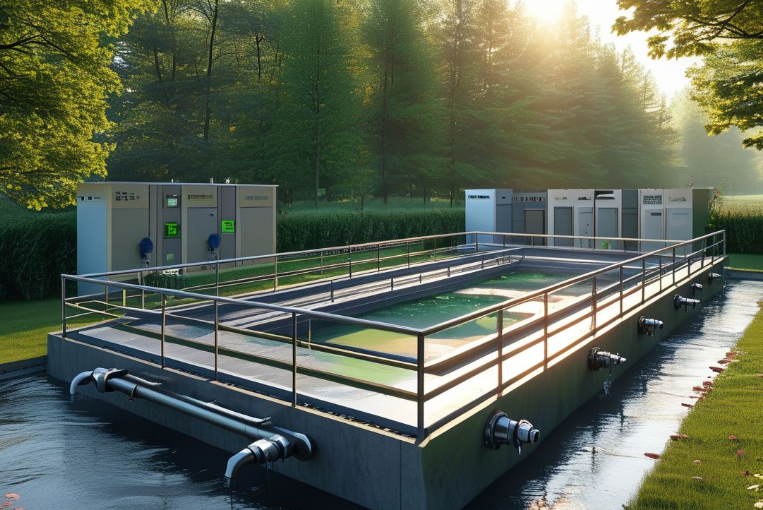
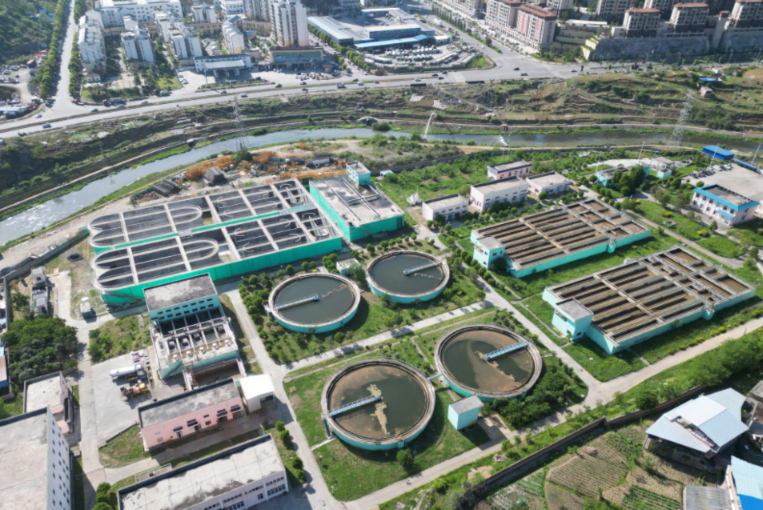
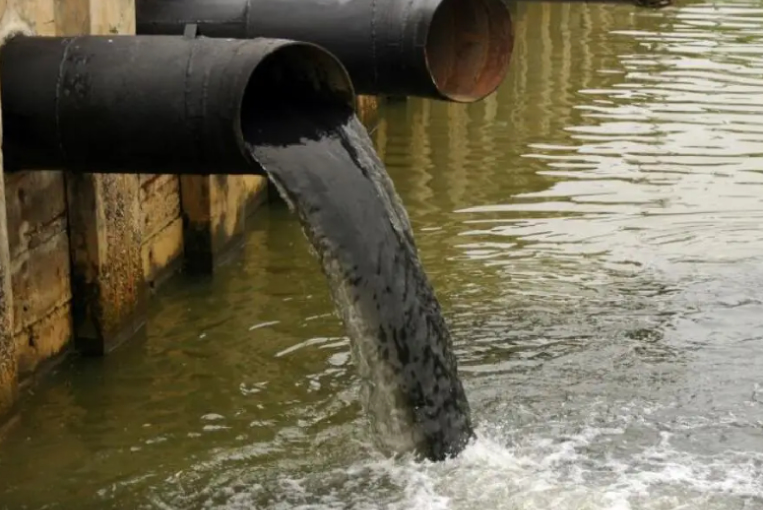
Sustainable wastewater treatment is an approach that treats wastewater while considering environmental compliance, water reuse potential, energy consumption, chemical use, sludge generation and lifecycle cost. It is not only about meeting discharge standards; it also helps project owners reduce waste, recover usable water where possible and operate treatment facilities more efficiently over time.
A typical sustainable wastewater process may include:
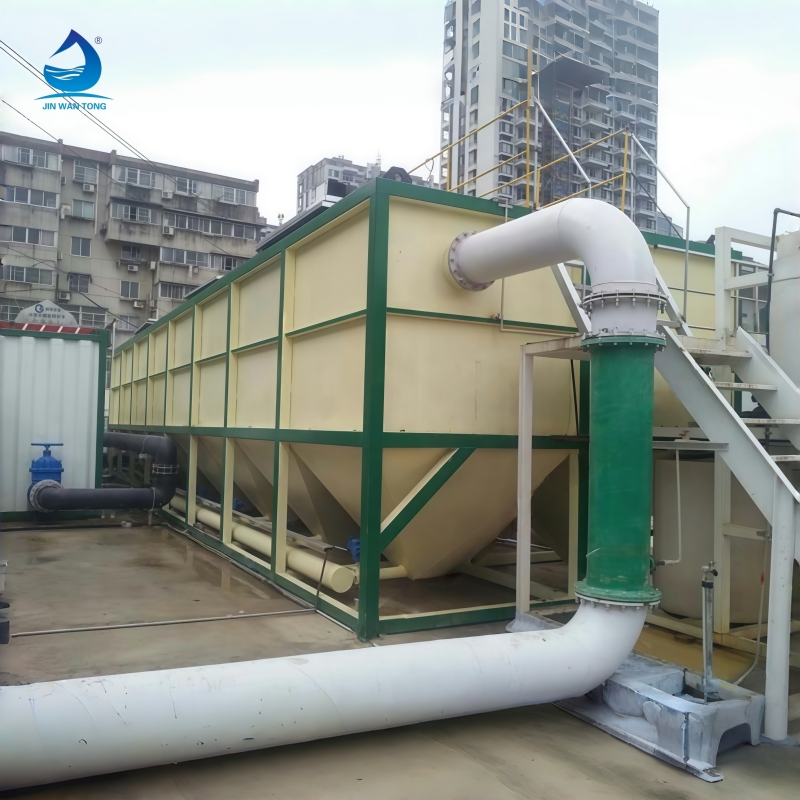
Wastewater → Screening → Equalization → Pretreatment → Biological Treatment → Clarification / Membrane → Filtration → Disinfection → Discharge or ReusePretreatment is the first step toward stable and sustainable operation. Screens remove large solids, while equalization tanks balance flow and pollutant concentration. For oily or high-solid wastewater, oil-water separators, DAF dissolved air flotation or chemical dosing may be used before biological treatment. Good pretreatment protects downstream units, reduces shock loading and helps avoid unnecessary energy and maintenance costs.
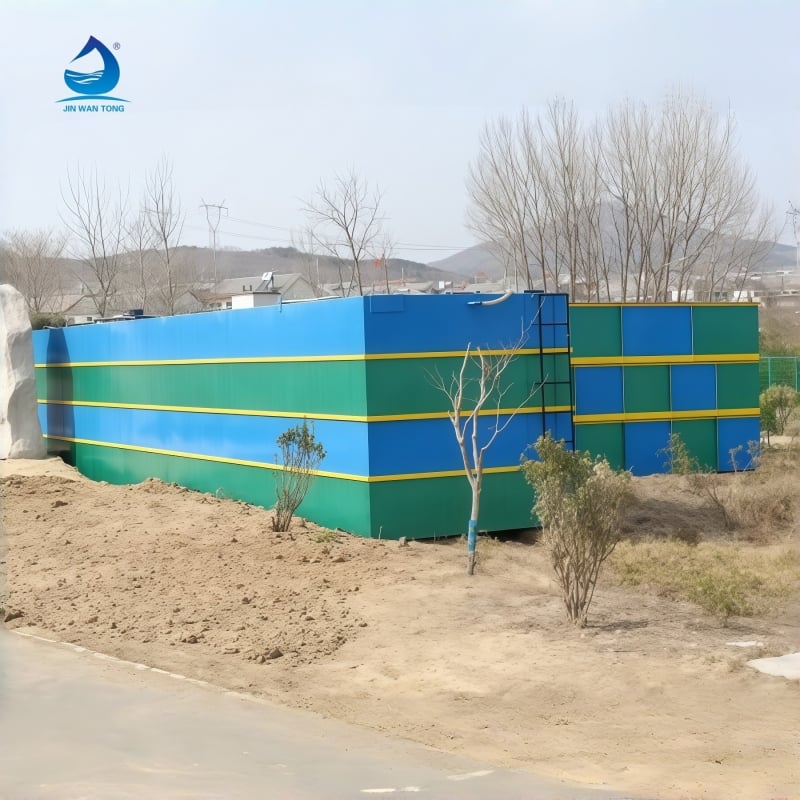
Biological treatment is widely used because it removes biodegradable pollutants through microbial activity. MBBR systems use biofilm carriers to improve biomass concentration and resistance to load fluctuation. MBR systems combine biological treatment with membrane separation, producing clearer effluent in a compact footprint and supporting reuse applications. SBR systems operate in controlled cycles and can be practical for projects with variable flow. The best option depends on influent quality, outlet target, land area, energy cost and maintenance capacity.
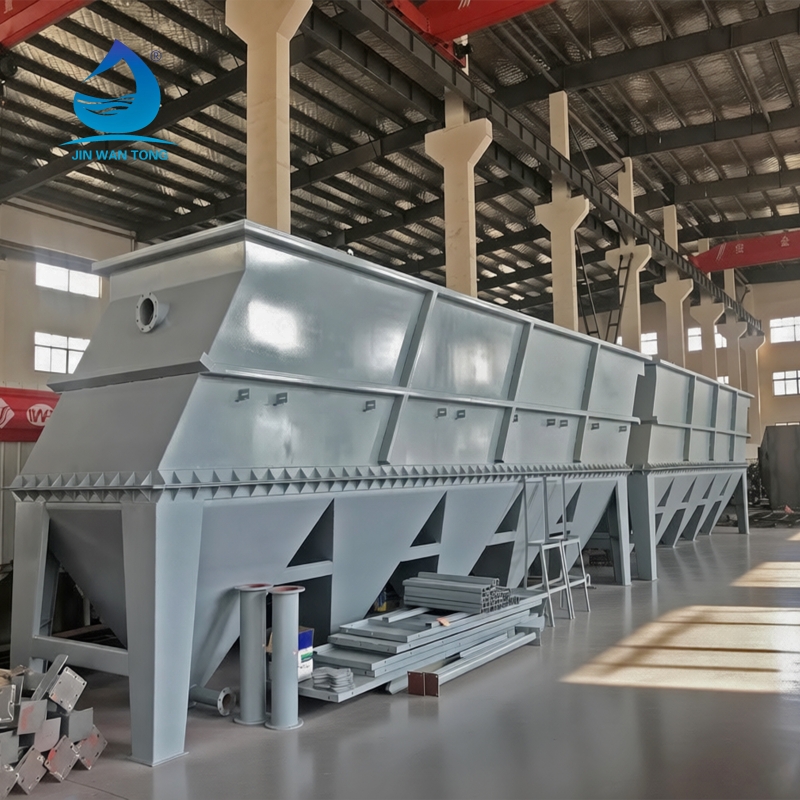
For reuse or stricter discharge, additional polishing may be needed. Lamella clarification, sand filtration, activated carbon filtration, ultrafiltration, disinfection or dosing can help reduce suspended solids, color, pathogens or residual pollutants. Treated water may be reused for irrigation, toilet flushing, landscaping or process-related non-potable applications, depending on local standards and project requirements.
Sludge management is another key part of sustainable design. Wastewater treatment always produces sludge, especially where DAF, chemical dosing or biological processes are used. Sludge dewatering equipment can reduce water content, transportation volume and disposal cost. A system that ignores sludge handling may look cheaper at purchase but become expensive during daily operation.
For proper selection, buyers should provide daily flow, peak flow, wastewater source, COD, BOD, TSS, ammonia nitrogen, phosphorus, oil content, pH, temperature, salinity, discharge or reuse standard, available space, power supply, operating hours and automation requirements. These parameters affect process route, tank size, blower power, membrane area, carrier filling ratio, chemical dosing and sludge production.
A common mistake is assuming “sustainable” means the most advanced or most expensive technology. In practice, sustainability means choosing a process that fits the wastewater, meets compliance needs, controls operating cost and can be maintained reliably. Qingdao Jinwantong provides customized wastewater treatment equipment and process support for B2B buyers. Send your water quality data and project target for technical selection and quotation.
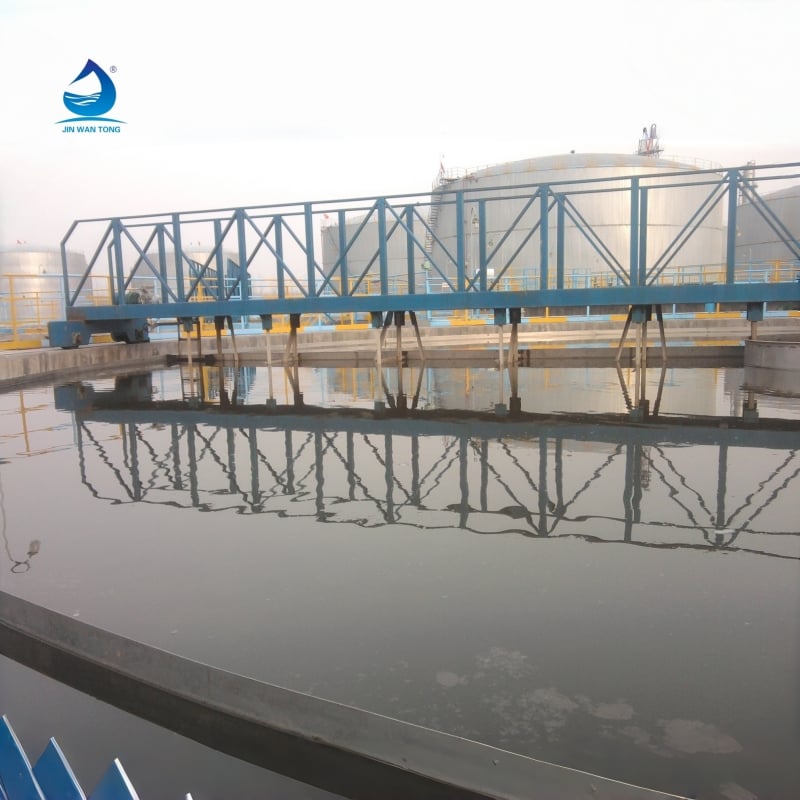
Qingdao Jinwantong provides industrial sewage treatment equipment for global clients. Our MBR, DAF, STP, and oil-water separation systems ensure compliance with national discharge standards. Trusted across 6 continents. Contact us today.
43,Cangnan Road, Cangma Town, Qingdao, Shandong, China
Copyright © 2026 Qingdao Jinwantong Environmental Science And Technology Co., Ltd. All rights reserved. Privacy Policy
 EN
EN