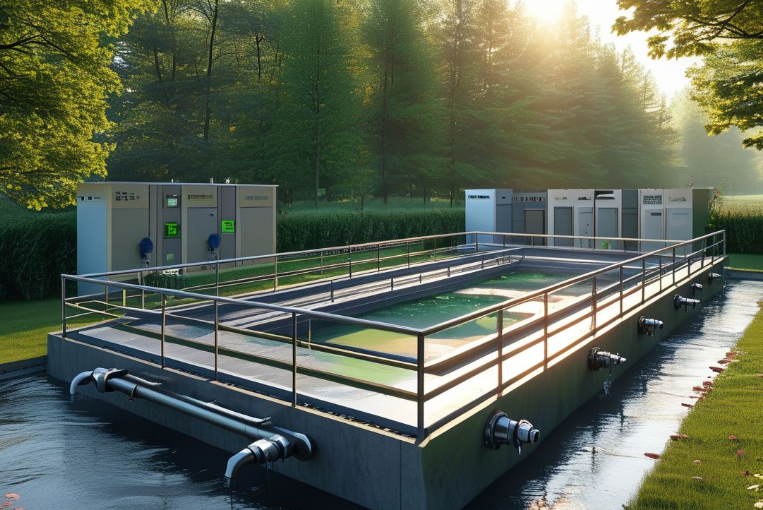
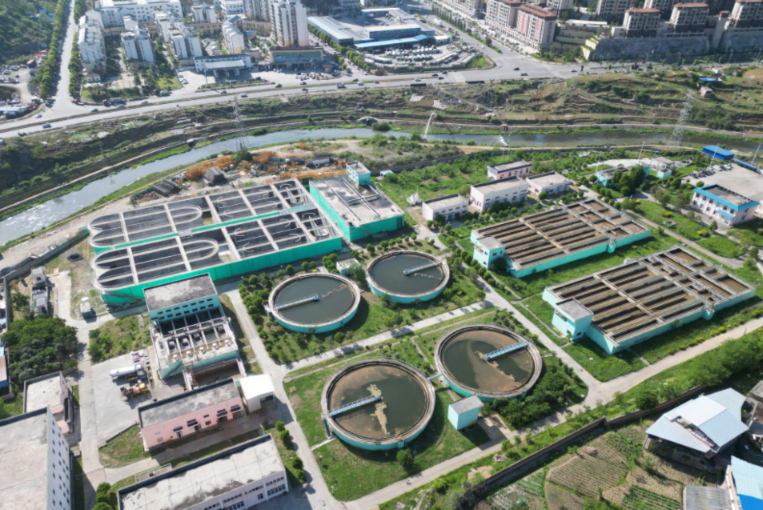
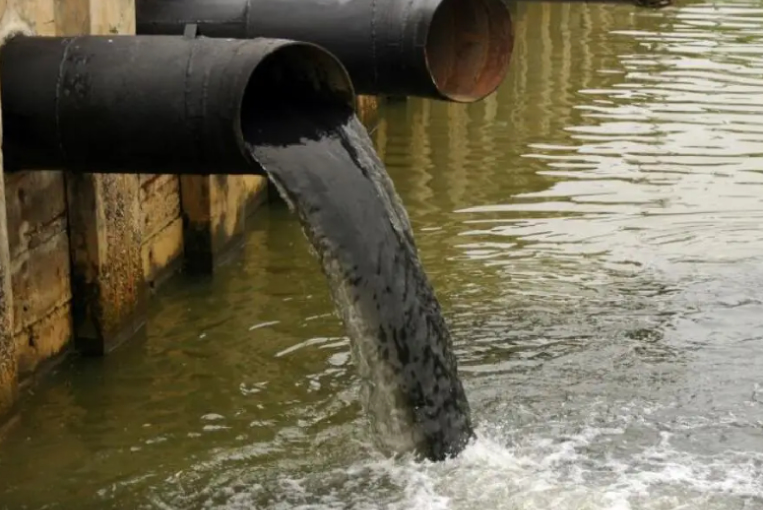
Oily wastewater treatment refers to the process of removing oil and grease from wastewater generated by manufacturing, washing, food processing, machinery maintenance, petroleum-related operations, vehicle service, shipyards or industrial cleaning. Oily wastewater may contain free floating oil, dispersed oil droplets, emulsified oil, suspended solids, detergents, chemicals and high COD. Because these pollutants behave differently, the treatment process must be selected according to actual wastewater characteristics.
A typical treatment process may include:
Oily Wastewater → Screening → Equalization → Oil-Water Separation → DAF / Chemical Dosing → Filtration or Biological Treatment → Sludge Handling → DischargeThe first step is usually screening and equalization. Screens remove large particles, rags, residues and floating solids. Equalization tanks balance flow, oil concentration and pollutant load, which is important for factories with batch discharge, cleaning cycles or production shifts. Without equalization, downstream oil separation and DAF performance may become unstable.
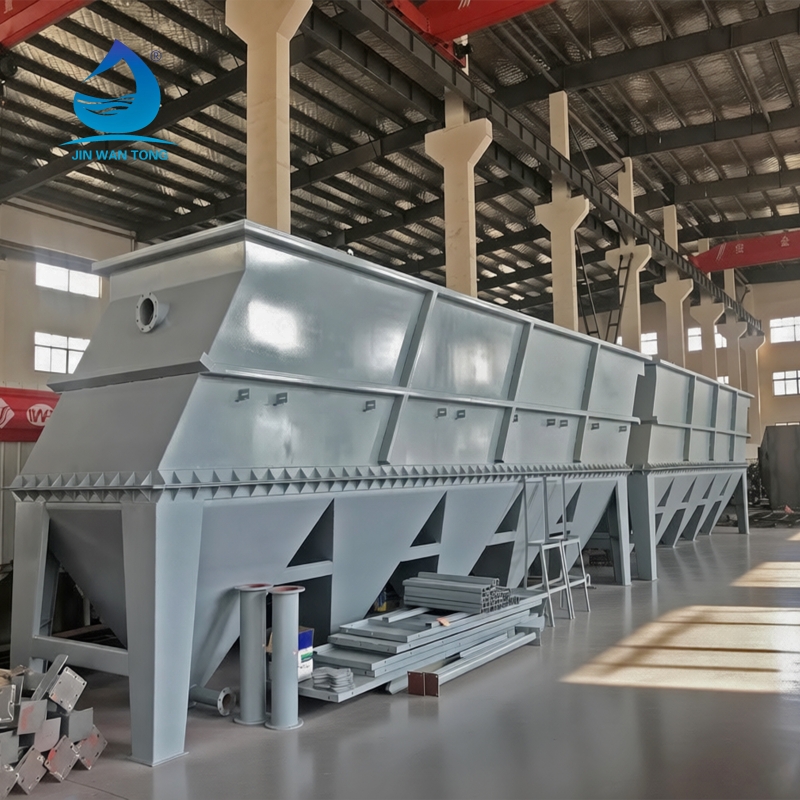
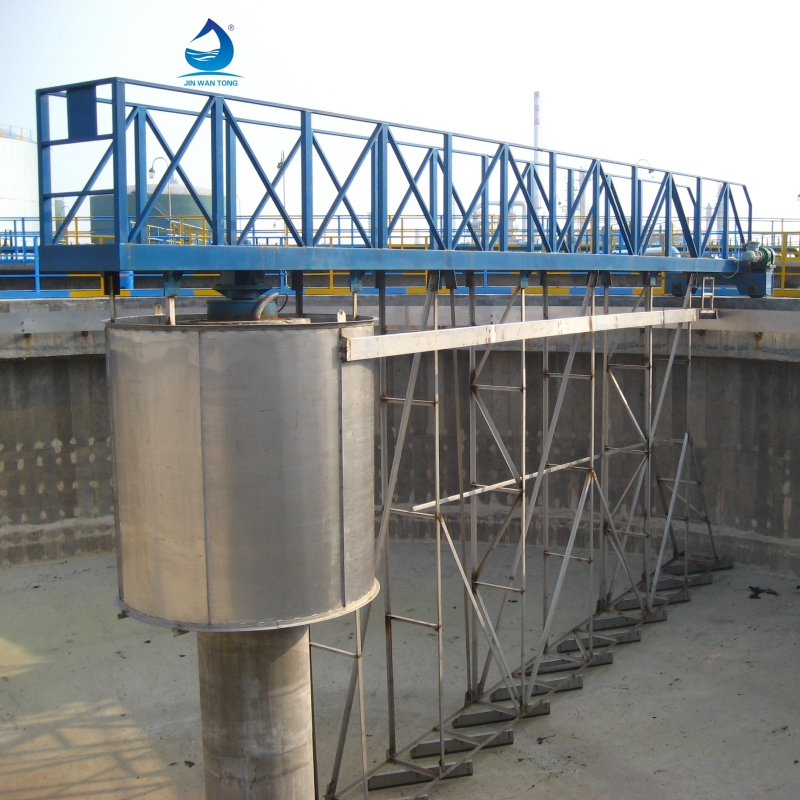
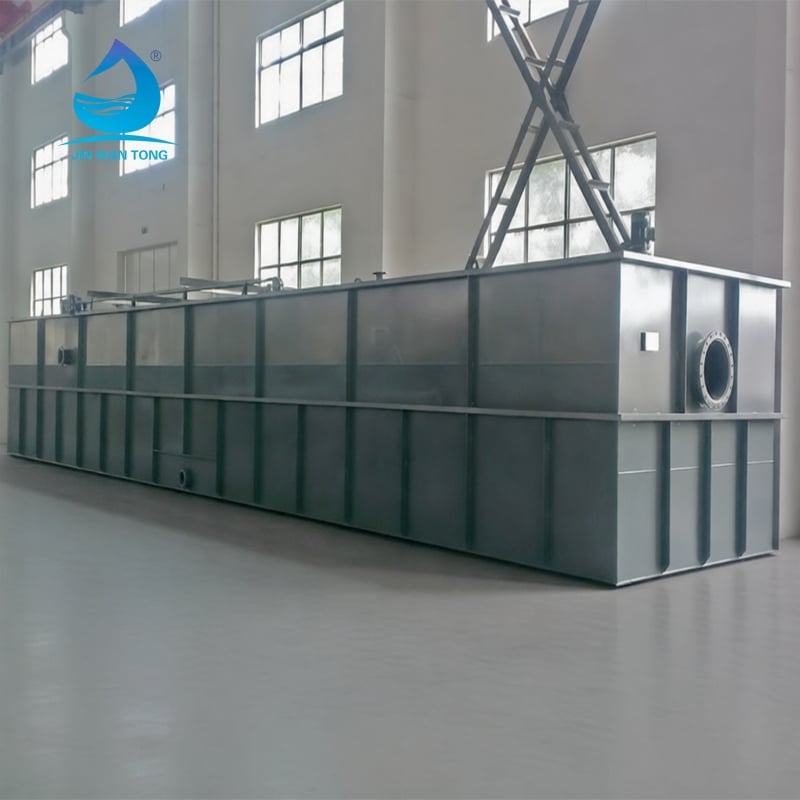
For free oil or easily separable floating oil, gravity oil-water separators, CPI separators or grease traps can be used. These units rely on density difference, allowing oil to float and water to pass through. They are practical for removing larger oil droplets but may not be enough for emulsified oil or fine dispersed oil.
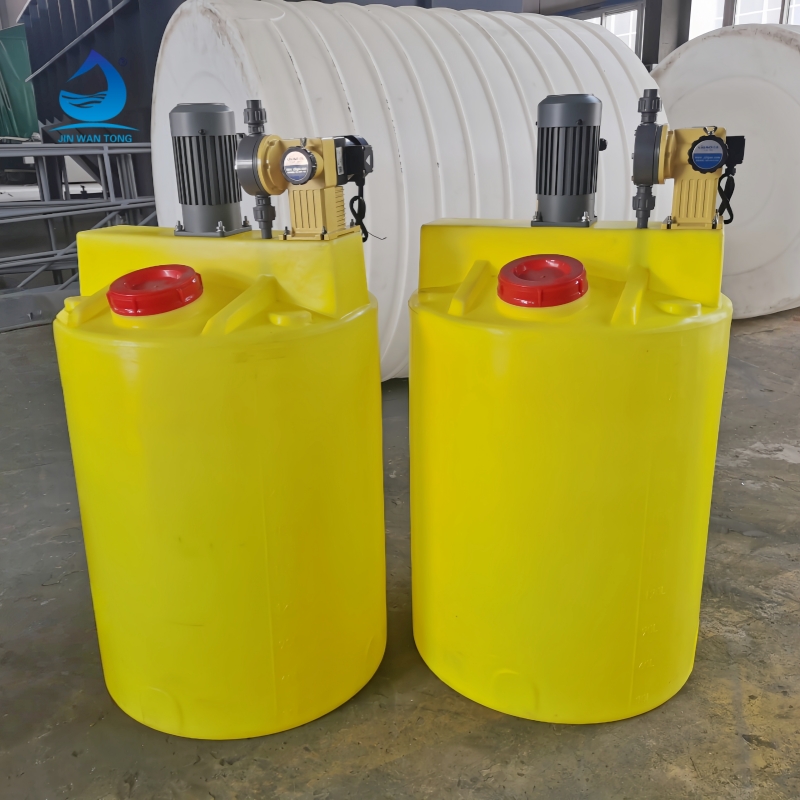
When wastewater contains emulsified oil, fine suspended solids or higher COD, DAF dissolved air flotation is often recommended. DAF releases microbubbles that attach to oil droplets and suspended particles, lifting them to the surface as floating sludge. Coagulants and flocculants can be added to break emulsions, enlarge particles and improve separation efficiency. A dosing system may include chemical tanks, metering pumps, mixers and control units.
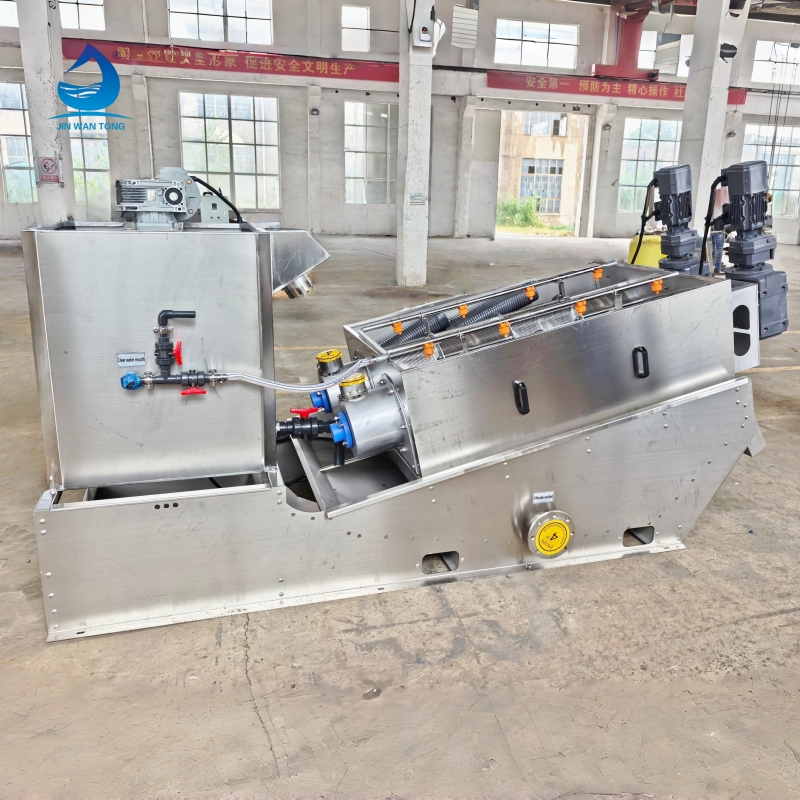
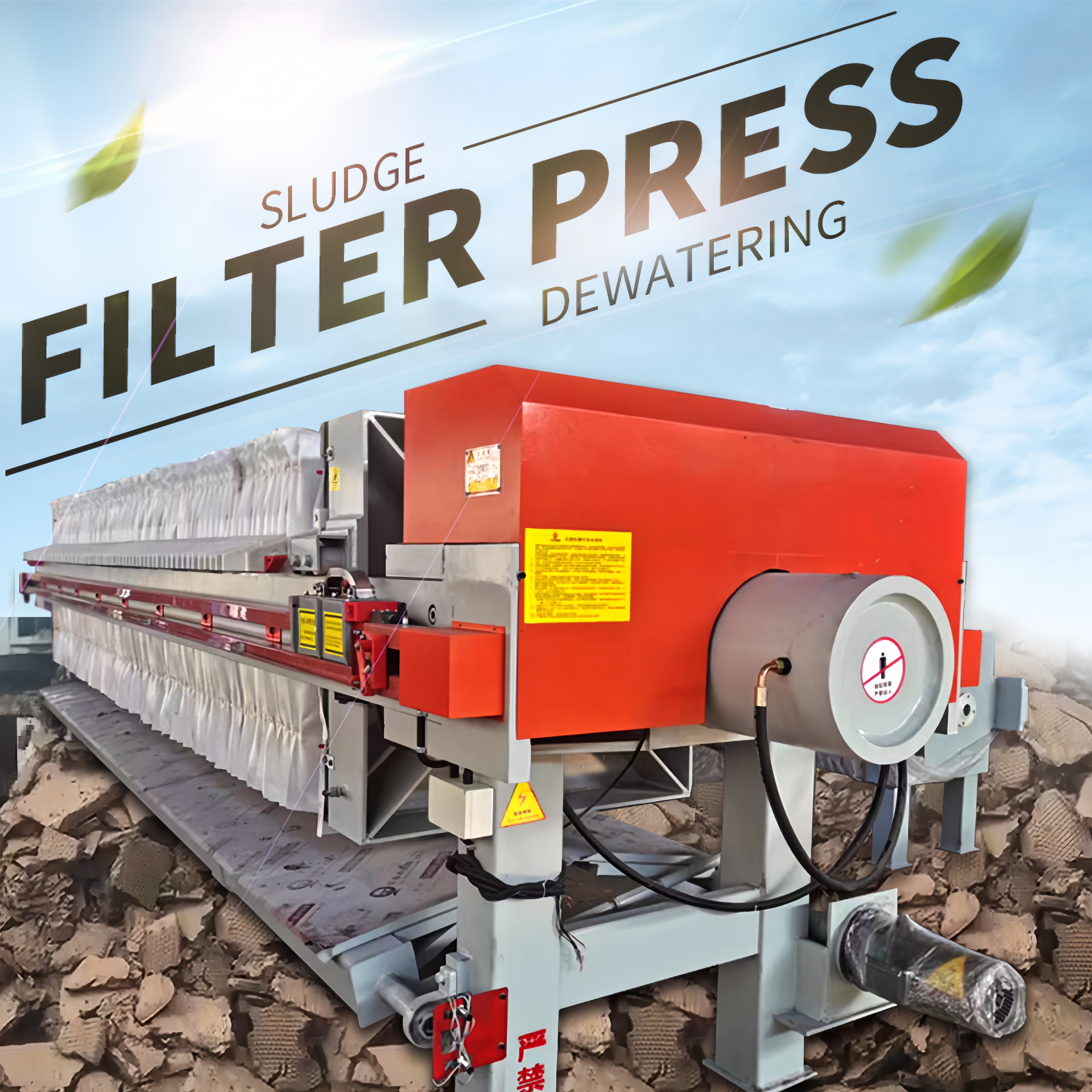
After oil removal, further treatment may be required. If the wastewater is biodegradable, biological treatment such as MBBR, MBR or activated sludge can reduce COD and BOD. If the discharge standard is stricter, sand filtration, activated carbon filtration or other polishing units may be added. Sludge from DAF or chemical treatment should be collected and dewatered to reduce disposal volume and operating cost.
For correct selection, buyers should provide daily flow, peak flow, oil concentration, oil type, COD, BOD, TSS, pH, temperature, detergents, emulsion condition, salinity, discharge standard, site layout, available space, automation requirements and project location. These parameters determine tank size, separator type, DAF capacity, chemical dosing rate, sludge production and total cost.
A common mistake is choosing only a simple oil-water separator for all oily wastewater. If oil is emulsified by detergents or production chemicals, gravity separation alone may not meet the outlet target. Qingdao Jinwantong provides customized oily wastewater treatment equipment and integrated process support. Send your water quality data and discharge requirement for technical selection and quotation.
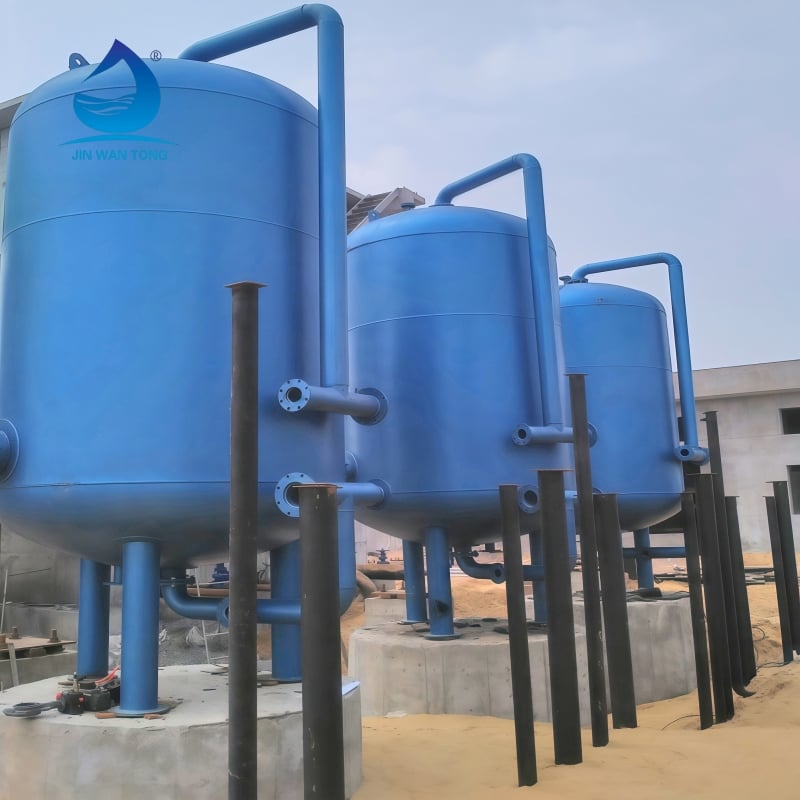
Qingdao Jinwantong provides industrial sewage treatment equipment for global clients. Our MBR, DAF, STP, and oil-water separation systems ensure compliance with national discharge standards. Trusted across 6 continents. Contact us today.
43,Cangnan Road, Cangma Town, Qingdao, Shandong, China
Copyright © 2026 Qingdao Jinwantong Environmental Science And Technology Co., Ltd. All rights reserved. Privacy Policy
 EN
EN