Advanced Biological Wastewater Treatment Plant Solutions - Sustainable Water Treatment Technology

All Categories

Get a Free Quote

Our representative will contact you soon.
Email
Name
Company Name
Message
0/1000

biological wastewater treatment plant

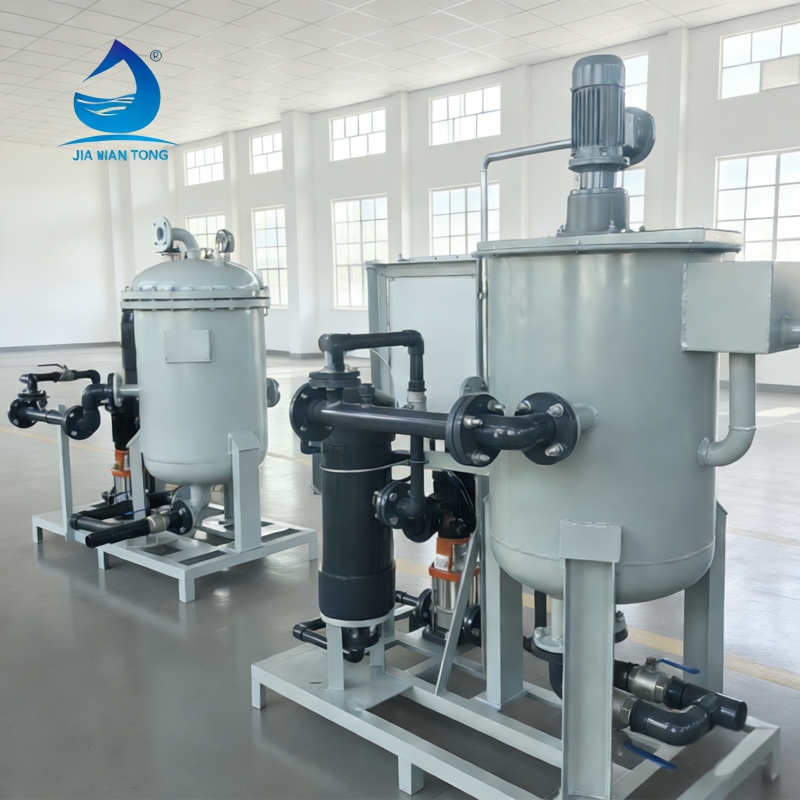
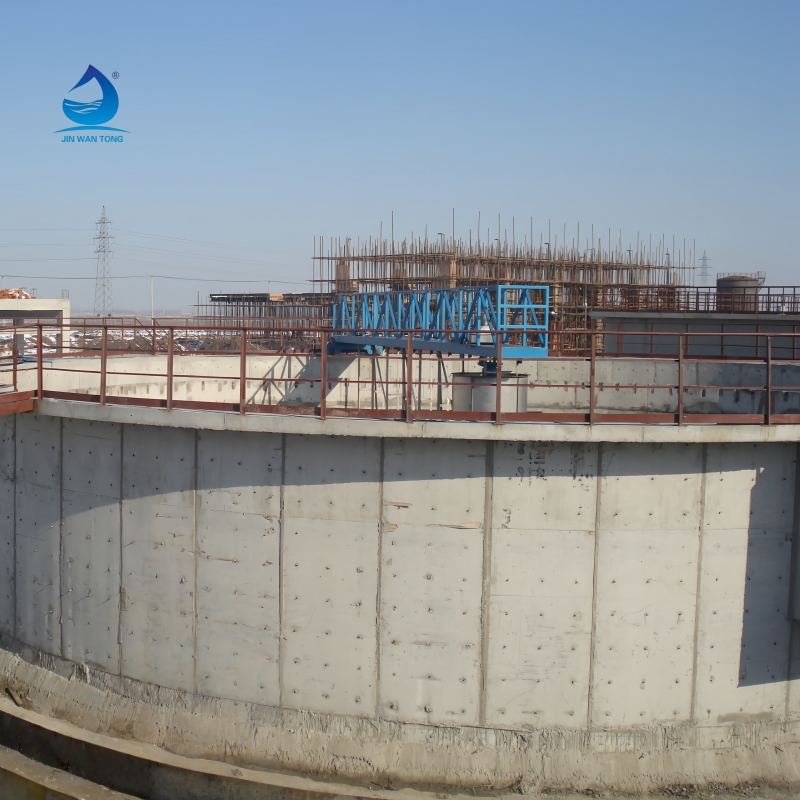
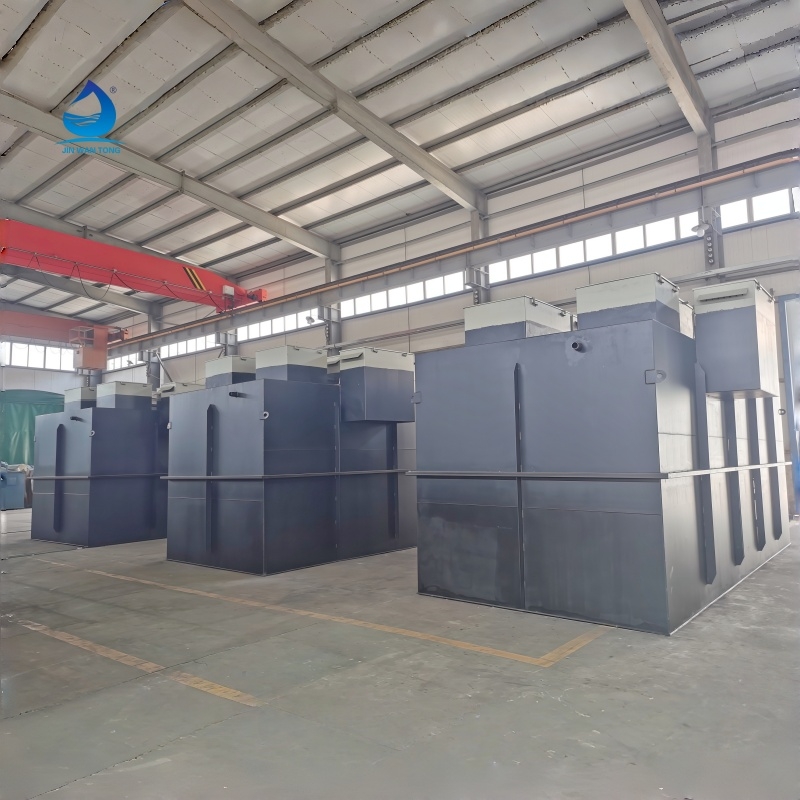
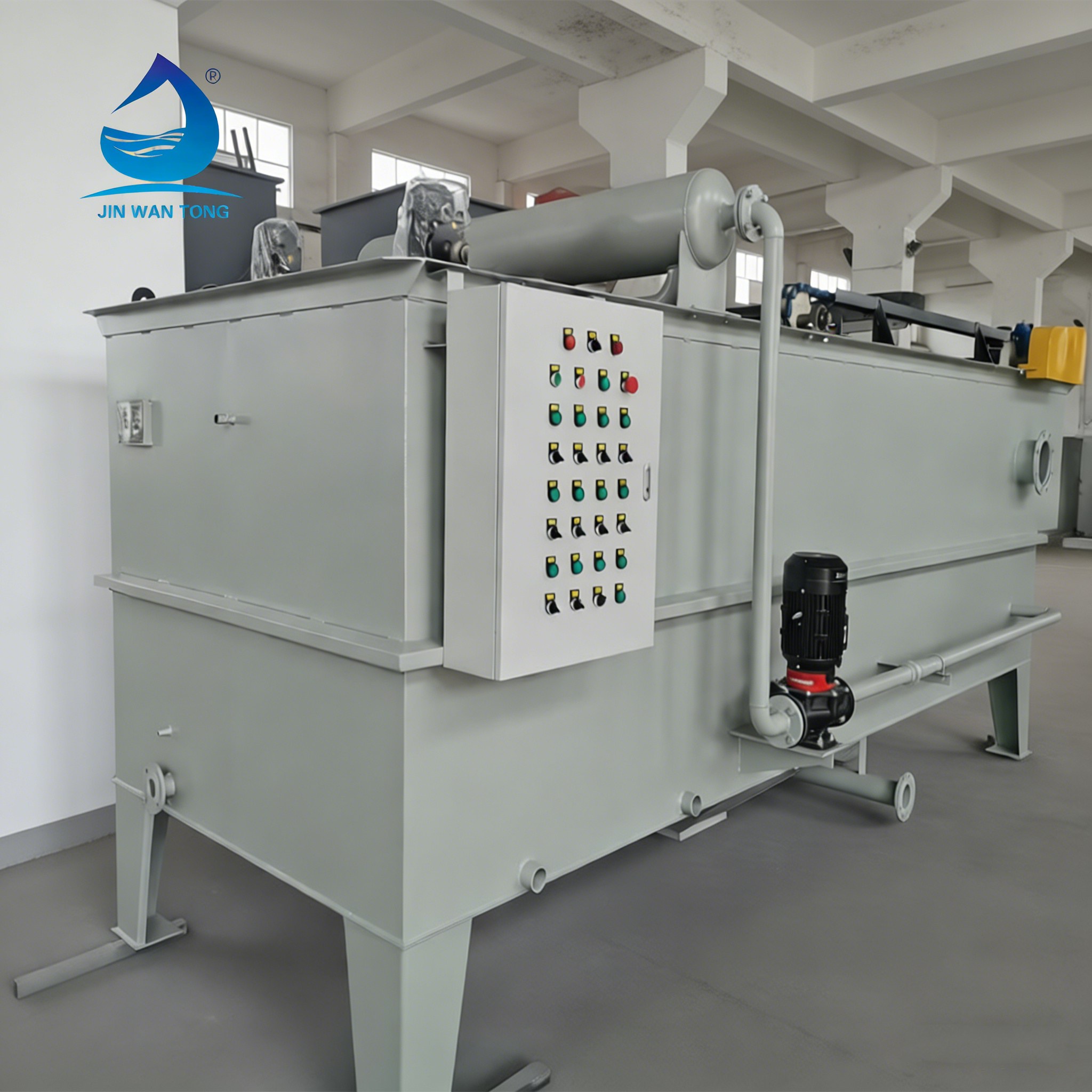
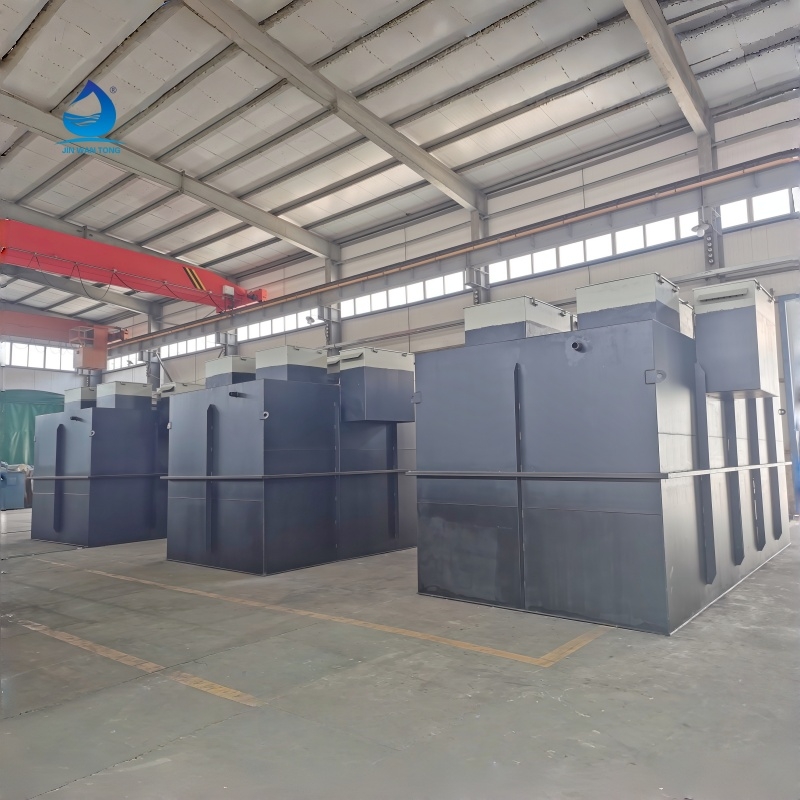
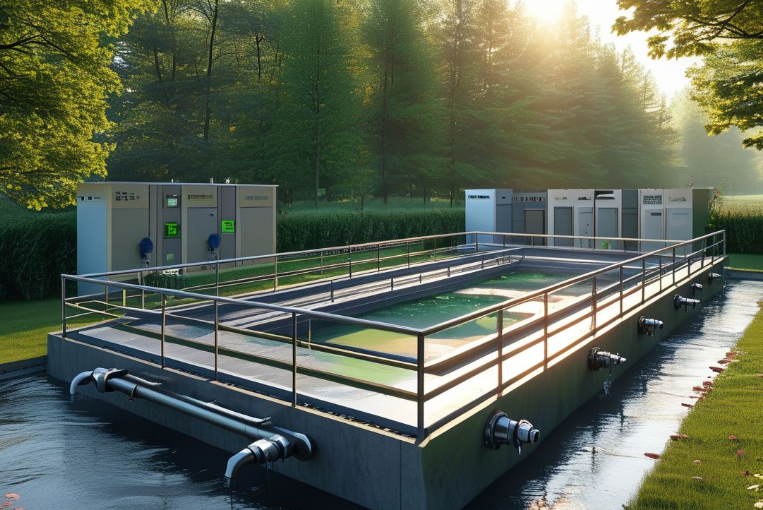
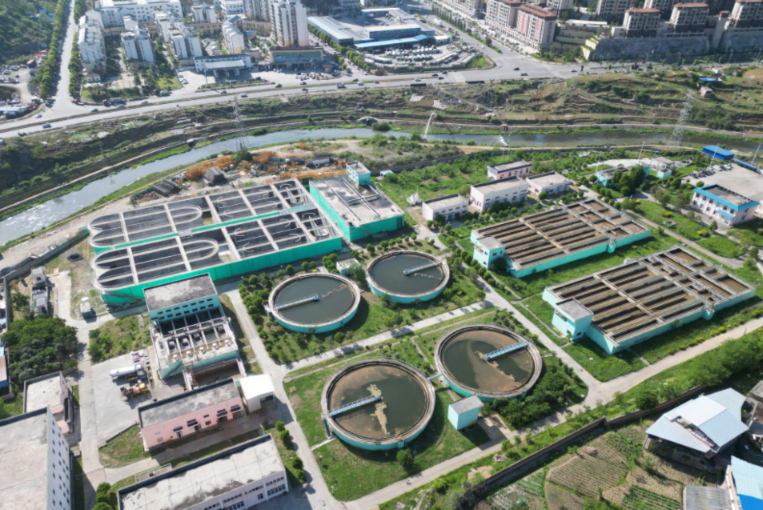
A biological wastewater treatment plant represents a sophisticated engineered system designed to harness natural biological processes for effective water purification. This advanced treatment facility utilizes living microorganisms, primarily bacteria and other beneficial microbes, to decompose organic pollutants and contaminants present in municipal, industrial, and commercial wastewater streams. The biological wastewater treatment plant operates through carefully controlled environmental conditions that optimize microbial activity, ensuring maximum treatment efficiency while maintaining cost-effectiveness. The main functions of a biological wastewater treatment plant encompass primary screening and settling, secondary biological treatment, and tertiary polishing processes. During primary treatment, large debris and settleable solids are removed through physical separation methods. The secondary biological treatment stage forms the heart of the system, where activated sludge processes, trickling filters, or membrane bioreactors facilitate organic matter breakdown through aerobic and anaerobic biological activities. Tertiary treatment further refines water quality through advanced filtration and disinfection procedures. Technological features of modern biological wastewater treatment plants include automated control systems, real-time monitoring capabilities, and energy recovery mechanisms. These facilities incorporate sophisticated aeration systems that maintain optimal dissolved oxygen levels, promoting healthy microbial communities essential for effective pollutant removal. Advanced sensor networks continuously monitor key parameters such as pH, temperature, dissolved oxygen, and nutrient concentrations, enabling precise process optimization. Applications for biological wastewater treatment plants span diverse sectors including municipal sewage treatment, food processing industries, pharmaceutical manufacturing, chemical production facilities, and residential developments. These systems effectively handle varying flow rates and pollutant concentrations while consistently producing high-quality effluent suitable for safe discharge or beneficial reuse applications. The adaptability and scalability of biological wastewater treatment plant technology make it an ideal solution for communities and industries seeking reliable, environmentally responsible water treatment capabilities.

New Products

Biological wastewater treatment plants offer exceptional environmental benefits that directly translate into tangible value for facility operators and surrounding communities. These systems naturally break down harmful pollutants without relying on harsh chemicals, creating cleaner water that safely returns to local ecosystems. The biological treatment process eliminates up to 95% of organic contaminants, significantly reducing environmental impact while meeting stringent regulatory compliance standards. This approach protects local water bodies, groundwater resources, and public health, demonstrating corporate environmental responsibility that enhances community relations and brand reputation. Cost efficiency represents another compelling advantage of biological wastewater treatment plants, delivering substantial long-term savings compared to alternative treatment methods. These facilities require minimal chemical additives, reducing ongoing operational expenses while eliminating hazardous chemical storage and handling costs. Energy consumption remains relatively low due to optimized biological processes that work continuously without requiring intensive mechanical intervention. Maintenance requirements are straightforward and predictable, allowing facility managers to budget accurately while minimizing unexpected repair expenses. The biological sludge produced during treatment serves as valuable fertilizer or biogas feedstock, creating additional revenue streams that offset operational costs. Operational reliability stands as a cornerstone benefit of biological wastewater treatment plants, ensuring consistent performance even under varying load conditions. These robust systems adapt naturally to fluctuating wastewater volumes and contaminant concentrations, maintaining treatment effectiveness throughout seasonal changes and operational variations. Automated monitoring and control systems provide real-time performance feedback, enabling proactive maintenance scheduling that prevents costly downtime. The biological treatment process demonstrates remarkable resilience against shock loads and temporary operational disruptions, quickly returning to optimal performance levels. Flexibility and scalability make biological wastewater treatment plants ideal for growing facilities and changing operational requirements. Modular design principles allow easy capacity expansion without complete system replacement, accommodating business growth while protecting initial infrastructure investments. Treatment parameters can be adjusted to handle different wastewater characteristics, making these systems suitable for diverse industrial applications. The proven technology adapts to local conditions and regulatory requirements, ensuring reliable performance across various geographic locations and climatic conditions while maintaining consistent treatment quality that meets or exceeds discharge standards.

Latest News

Overview of the Agricultural Wastewater Treatment Market

17

Dec

Overview of the Agricultural Wastewater Treatment Market

View More
Global Real-Time Wastewater Treatment Update

17

Dec

Global Real-Time Wastewater Treatment Update

View More
Navigating the Waters: The Role of an Industrial Wastewater Treatment Plant

17

Dec

Navigating the Waters: The Role of an Industrial Wastewater Treatment Plant

View More

Get a Free Quote

Our representative will contact you soon.
Email
Name
Company Name
Message
0/1000

biological wastewater treatment plant

Advanced Biological Treatment Technology

Advanced Biological Treatment Technology

The advanced biological treatment technology employed in modern biological wastewater treatment plants represents a breakthrough in sustainable water management, utilizing cutting-edge scientific principles to achieve superior treatment results. This innovative approach harnesses specially cultivated microbial communities that efficiently consume organic pollutants, transforming harmful contaminants into harmless byproducts through natural metabolic processes. The biological wastewater treatment plant incorporates multiple treatment zones optimized for different microbial populations, including aerobic bacteria that require oxygen for organic matter decomposition and anaerobic microorganisms that break down complex compounds in oxygen-free environments. This multi-zone configuration maximizes treatment efficiency while minimizing energy consumption and operational complexity. The technology features sophisticated biofilm reactors and activated sludge systems that maintain optimal microbial density and activity levels throughout the treatment process. Advanced aeration systems deliver precisely controlled oxygen levels that support healthy bacterial communities while preventing energy waste associated with over-aeration. Membrane bioreactor technology integrates biological treatment with physical filtration, achieving exceptional effluent quality suitable for direct reuse applications. The biological wastewater treatment plant incorporates nutrient removal capabilities that eliminate excess nitrogen and phosphorus, preventing eutrophication in receiving water bodies while meeting stringent environmental regulations. Smart control algorithms continuously optimize treatment parameters based on real-time water quality measurements, ensuring consistent performance regardless of influent variations. This adaptive capability allows the biological wastewater treatment plant to handle seasonal fluctuations, industrial discharge variations, and unexpected contamination events without compromising treatment effectiveness. The technology includes pathogen elimination mechanisms that ensure effluent safety for human contact and environmental discharge. Integrated monitoring systems track treatment progress at each process stage, providing operators with detailed performance data that supports proactive maintenance and optimization strategies. This comprehensive approach delivers reliable, cost-effective treatment that exceeds regulatory requirements while minimizing environmental impact and operational complexity.
Exceptional Environmental Impact and Sustainability

Exceptional Environmental Impact and Sustainability

The exceptional environmental impact and sustainability features of biological wastewater treatment plants position these systems as leaders in responsible water management technology. Unlike conventional treatment methods that rely heavily on chemical additives and energy-intensive processes, the biological wastewater treatment plant operates through natural biological mechanisms that align with ecological principles while delivering superior treatment results. This approach significantly reduces the carbon footprint associated with wastewater treatment, contributing to corporate sustainability goals and environmental stewardship initiatives. The biological treatment process generates minimal hazardous waste, with most byproducts being beneficial materials suitable for agricultural applications or renewable energy production. Biogas recovery systems capture methane produced during anaerobic treatment phases, converting this potent greenhouse gas into clean energy that powers plant operations or supplies external energy needs. This energy recovery capability can offset up to 70% of operational energy requirements, substantially reducing facility operating costs while minimizing reliance on fossil fuels. The biological wastewater treatment plant produces high-quality effluent that supports local ecosystems and water resource sustainability. Treated water often exceeds natural water quality standards, making it suitable for groundwater recharge, agricultural irrigation, or industrial process water applications. This water reuse capability conserves precious freshwater resources while reducing strain on municipal water supplies. Nutrient recovery systems extract valuable phosphorus and nitrogen compounds from wastewater streams, converting waste products into commercial-grade fertilizers that support sustainable agriculture practices. The biological sludge produced during treatment contains beneficial organic matter and nutrients that enhance soil quality and crop productivity when properly managed. Habitat restoration projects benefit from the consistent, high-quality effluent discharge that supports aquatic ecosystem health and biodiversity. The biological wastewater treatment plant requires minimal land disturbance during construction and operation, preserving natural landscapes and wildlife habitats. Long-term sustainability benefits include reduced chemical manufacturing demands, lower transportation requirements for treatment materials, and decreased environmental remediation needs. These systems demonstrate measurable improvements in local water quality indices, supporting community health and environmental quality objectives while providing quantifiable environmental benefits that enhance corporate social responsibility profiles.
Cost-Effective Long-Term Investment

Cost-Effective Long-Term Investment

The cost-effective long-term investment potential of biological wastewater treatment plants delivers exceptional financial returns through reduced operational expenses, regulatory compliance assurance, and valuable resource recovery opportunities. Initial capital investment in a biological wastewater treatment plant generates substantial savings over the system's 20-30 year operational lifespan, with payback periods typically ranging from 3-7 years depending on facility size and local conditions. Operating costs remain predictably low due to minimal chemical requirements, automated operation capabilities, and energy-efficient biological processes that reduce utility expenses. Maintenance requirements follow established schedules with readily available replacement parts and standard service procedures that minimize unexpected repair costs. The biological treatment process eliminates expensive chemical storage and handling infrastructure while reducing liability concerns associated with hazardous material management. Energy recovery features transform operational costs into revenue streams through biogas production, renewable energy generation, and valuable byproduct creation. Many biological wastewater treatment plants achieve energy neutrality or even generate excess power that can be sold to local utilities, creating additional income sources. Regulatory compliance advantages protect against costly penalties and legal expenses while ensuring continued operating permits and environmental approvals. The robust biological treatment process consistently meets or exceeds discharge standards, eliminating risks associated with permit violations or environmental remediation requirements. Insurance costs decrease due to reduced environmental liability and proven technology reliability that minimizes operational risks. Property values benefit from improved environmental management and community relations enhancement that results from responsible wastewater treatment practices. Tax incentives and environmental grants often support biological wastewater treatment plant installation and operation, further improving project economics and return on investment calculations. The scalable design allows phased implementation that matches business growth while protecting initial investments through modular expansion capabilities. Resource recovery opportunities include valuable nutrient extraction, reclaimed water sales, and organic fertilizer production that generate ongoing revenue streams. Long-term operational flexibility enables adaptation to changing regulations, treatment requirements, and business conditions without requiring complete system replacement. These financial advantages combine with proven technology reliability to create compelling investment opportunities that deliver measurable returns while supporting environmental responsibility and regulatory compliance objectives.
Advanced Biological Wastewater Treatment Plant Solutions - Sustainable Water Treatment Technology

Get a Free Quote

Our representative will contact you soon.
Email
Name
Company Name
Message
0/1000