Clarifier Tank Water Treatment Systems: Advanced Sedimentation Technology for Superior Water Quality

All Categories

Get a Free Quote

Our representative will contact you soon.
Email
Name
Company Name
Message
0/1000

clarifier tank in water treatment

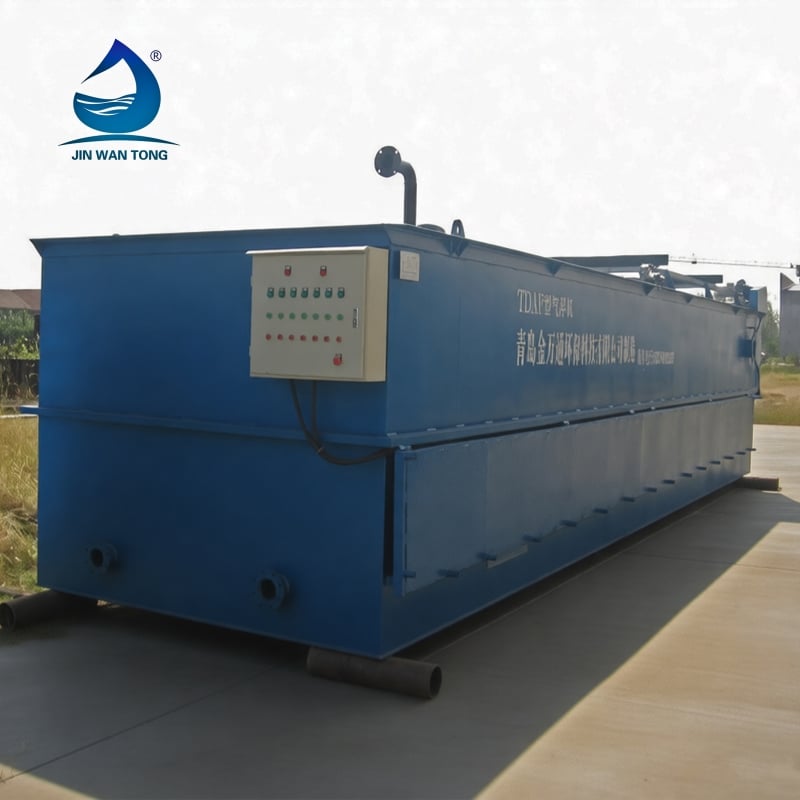
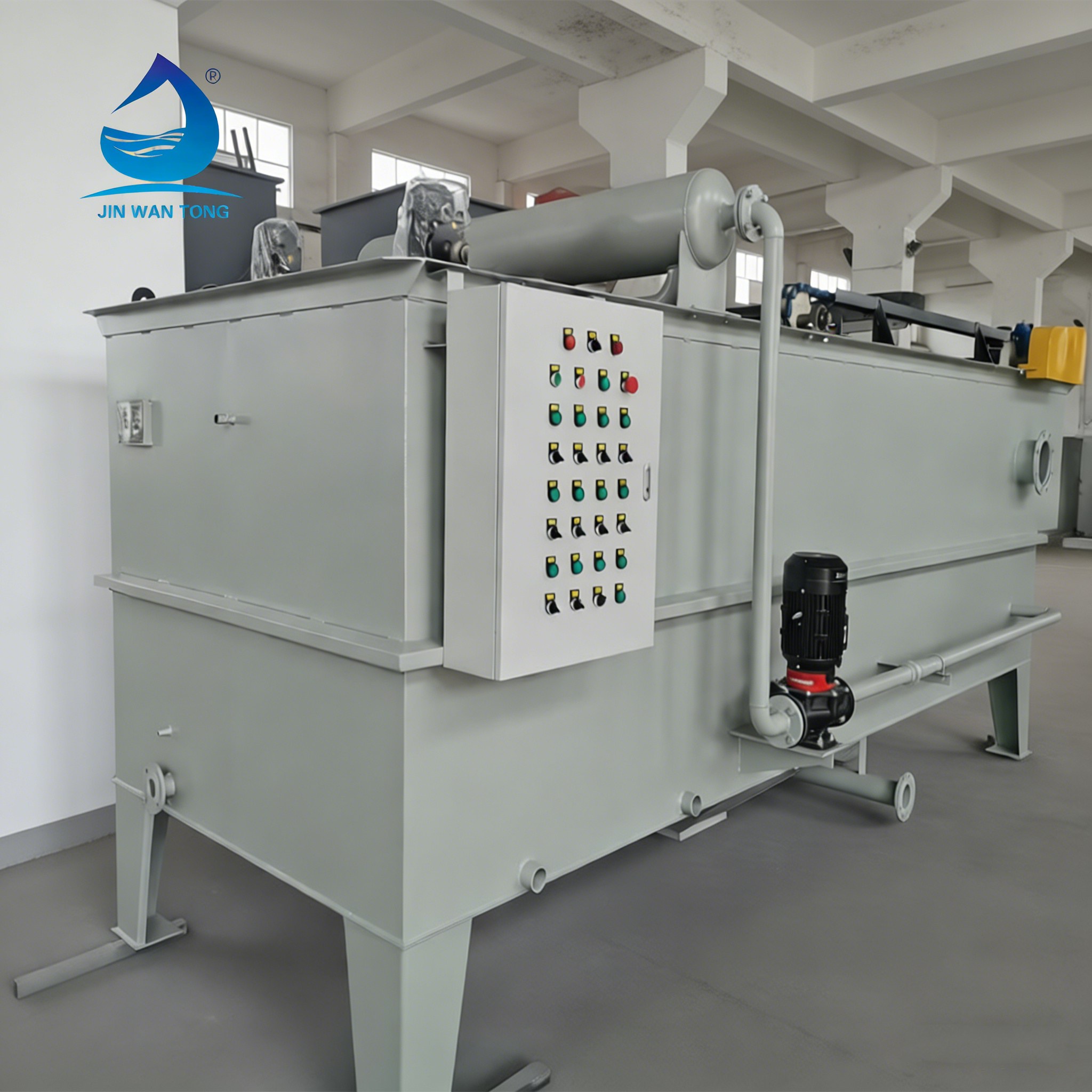
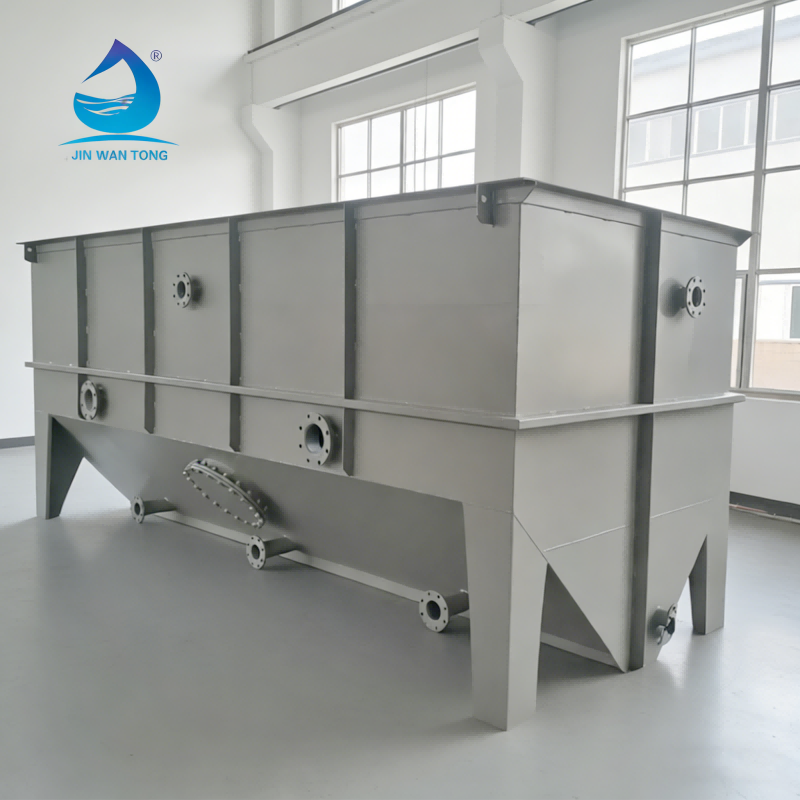
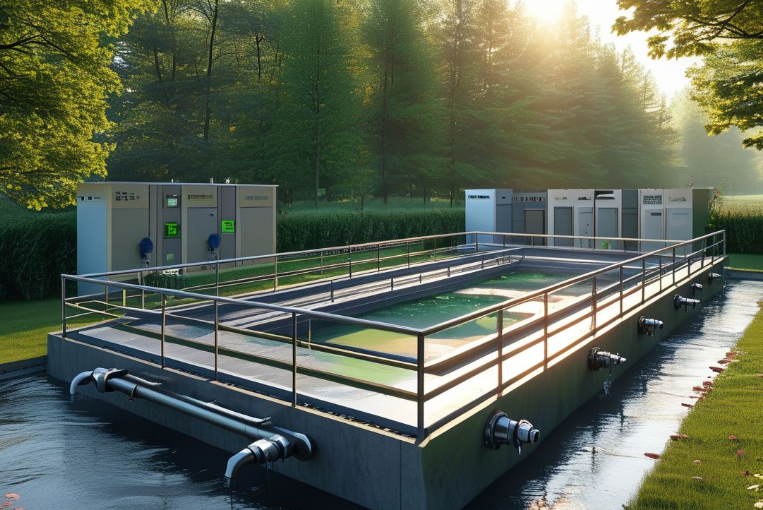
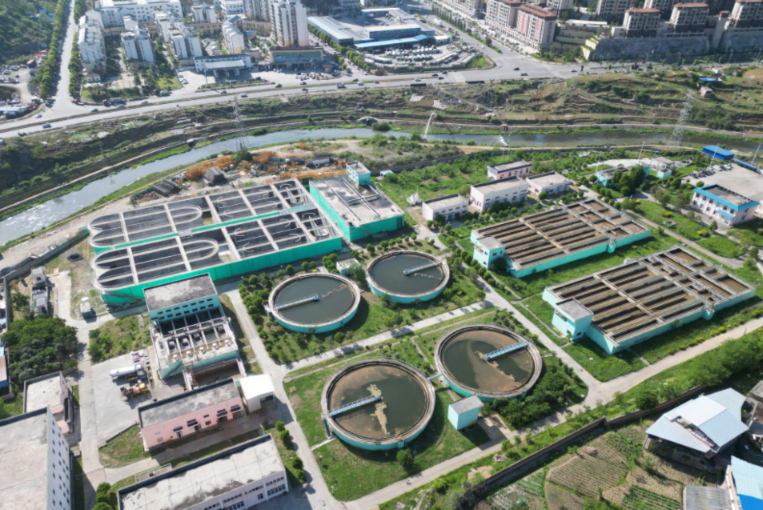
The clarifier tank in water treatment represents a fundamental component in modern water purification systems, serving as the cornerstone for effective solid-liquid separation processes. This essential equipment operates through the principle of sedimentation, where suspended particles gradually settle to the bottom of the tank under the influence of gravity. The clarifier tank in water treatment systems utilizes carefully engineered design features to maximize particle removal efficiency while maintaining optimal flow rates. These tanks typically feature circular or rectangular configurations, each designed to accommodate specific flow requirements and space constraints. The primary function of a clarifier tank in water treatment involves removing suspended solids, turbidity, and various contaminants from incoming water streams. Advanced clarifier tank designs incorporate sophisticated mechanisms such as rotating scrapers, lamella plates, and chemical dosing systems to enhance separation performance. The technological features of modern clarifier tanks include adjustable overflow weirs, variable speed drives for mechanical components, and automated sludge removal systems. These features ensure consistent water quality output while minimizing operational intervention requirements. Applications for clarifier tank in water treatment span across municipal water treatment facilities, industrial process water systems, wastewater treatment plants, and specialized applications in mining and chemical processing industries. The versatility of clarifier tank technology enables customization for specific water chemistry conditions and treatment objectives. Modern clarifier tank systems integrate seamlessly with upstream coagulation and flocculation processes, creating comprehensive treatment trains that achieve exceptional water quality standards. The efficiency of a clarifier tank in water treatment directly impacts downstream processes, making proper selection and operation critical for overall system performance. Environmental considerations drive continued innovation in clarifier tank design, with manufacturers developing energy-efficient solutions that reduce operational costs while maintaining superior treatment performance.

New Product Recommendations

The clarifier tank in water treatment offers numerous compelling advantages that make it an indispensable component for facilities seeking reliable and cost-effective water purification solutions. These systems deliver exceptional performance benefits while maintaining operational simplicity that appeals to both experienced operators and facilities new to water treatment technology. One of the most significant advantages lies in the superior removal efficiency that clarifier tanks achieve for suspended solids and turbidity reduction. Modern clarifier tank designs consistently remove 85-95% of suspended particles, creating crystal-clear effluent that meets stringent quality standards. This high removal rate directly translates to reduced chemical consumption in downstream processes and extends the operational life of filtration equipment. The clarifier tank in water treatment systems operates with minimal energy requirements compared to alternative separation technologies. Gravity-driven sedimentation eliminates the need for high-pressure pumps or energy-intensive mechanical separation equipment, resulting in substantial operational cost savings over the system lifetime. Facilities typically experience 40-60% lower energy consumption when implementing properly sized clarifier tank systems versus alternative technologies. Maintenance requirements for clarifier tanks remain remarkably low due to their robust construction and simple mechanical components. The absence of complex moving parts reduces wear and tear, while corrosion-resistant materials ensure decades of reliable operation with minimal intervention. Regular maintenance consists primarily of routine inspections and periodic sludge removal, tasks that facility personnel can easily accomplish without specialized technical expertise. The scalability of clarifier tank technology provides exceptional flexibility for growing operations or changing treatment requirements. These systems accommodate wide flow rate variations without significant performance degradation, allowing facilities to handle peak demands while maintaining consistent effluent quality. The modular design approach enables capacity expansion through parallel tank installation without disrupting existing operations. Chemical compatibility represents another crucial advantage, as clarifier tanks effectively work with various coagulants and flocculants to optimize treatment performance for specific water chemistry conditions. This compatibility ensures facilities can adapt their treatment approach as source water characteristics change over time. The proven technology behind clarifier tank systems provides peace of mind for facility managers who require dependable performance day after day. Decades of successful installations across diverse applications demonstrate the reliability and effectiveness of these systems in real-world operating conditions.

Latest News

Overview of the Agricultural Wastewater Treatment Market

17

Dec

Overview of the Agricultural Wastewater Treatment Market

View More
Global Real-Time Wastewater Treatment Update

17

Dec

Global Real-Time Wastewater Treatment Update

View More
Navigating the Waters: The Role of an Industrial Wastewater Treatment Plant

17

Dec

Navigating the Waters: The Role of an Industrial Wastewater Treatment Plant

View More

Get a Free Quote

Our representative will contact you soon.
Email
Name
Company Name
Message
0/1000

clarifier tank in water treatment

Advanced Sedimentation Technology for Maximum Particle Removal

Advanced Sedimentation Technology for Maximum Particle Removal

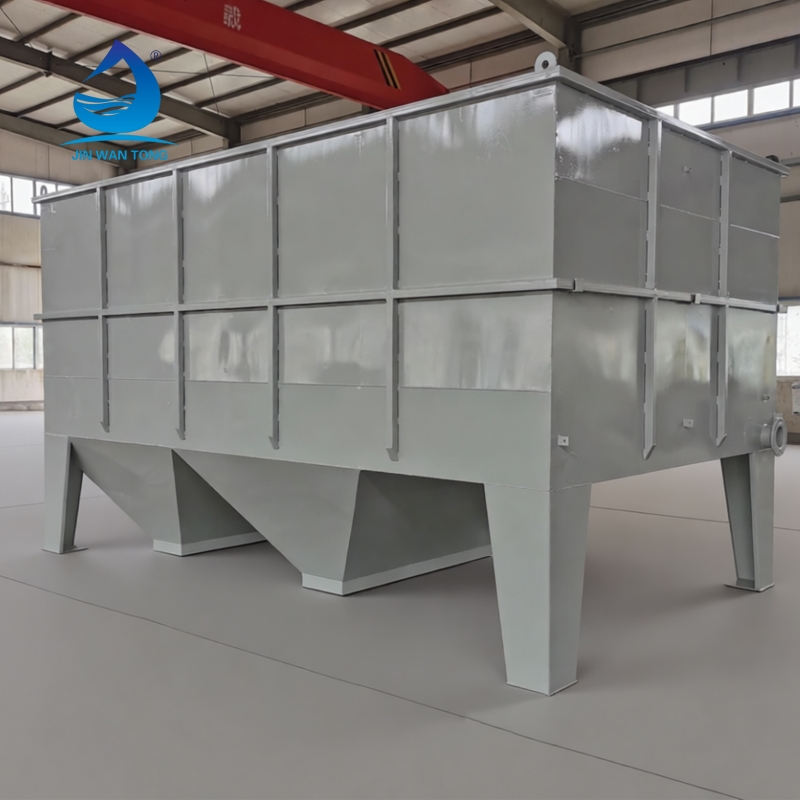
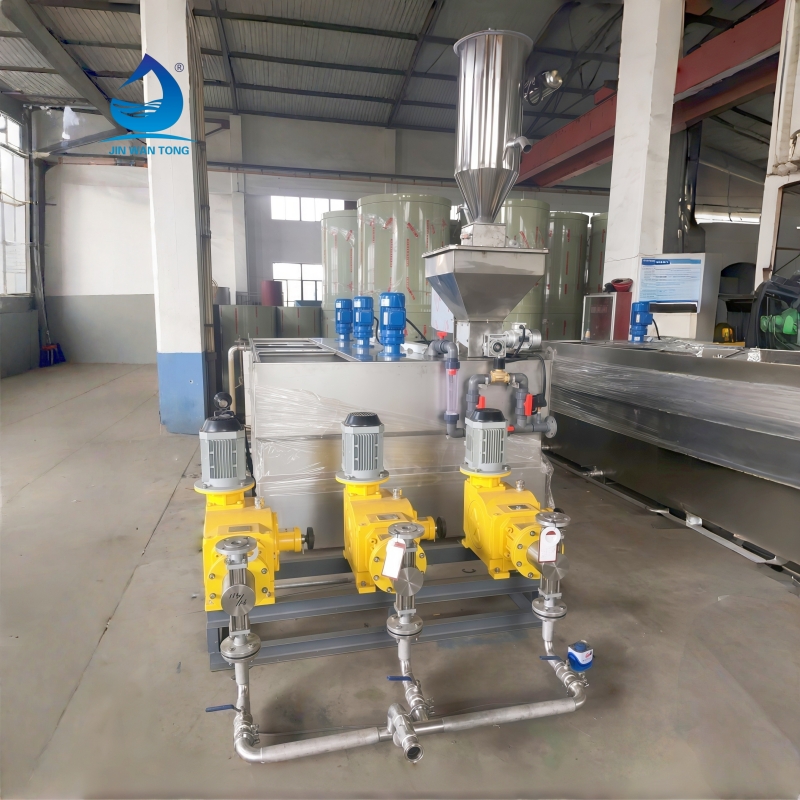
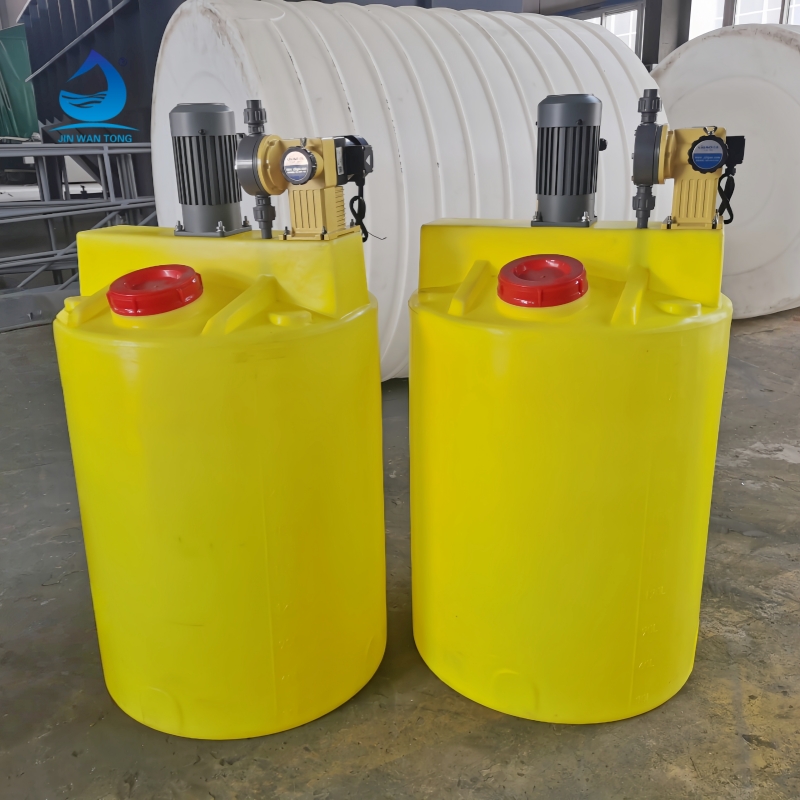
The clarifier tank in water treatment employs cutting-edge sedimentation technology that revolutionizes particle removal efficiency through scientifically optimized design principles. This sophisticated approach combines hydraulic engineering with particle physics to create ideal conditions for suspended solid separation. The technology utilizes carefully calculated detention times that allow particles sufficient opportunity to settle while preventing resuspension due to turbulent flow patterns. Advanced clarifier tank designs incorporate lamella plate systems that significantly increase effective settling surface area within compact footprints. These inclined plates create numerous parallel settling zones, multiplying separation capacity by factors of three to five compared to conventional settling tanks. The lamella configuration reduces required tank volumes while improving removal efficiency, making this technology particularly valuable for space-constrained installations. Flow distribution systems within the clarifier tank ensure uniform hydraulic loading across the entire settling area. Sophisticated inlet designs eliminate short-circuiting and dead zones that compromise treatment performance in conventional systems. The technology incorporates adjustable weirs and baffles that optimize flow patterns for varying operating conditions, maintaining peak performance across wide flow rate ranges. Chemical integration capabilities allow the clarifier tank in water treatment systems to work synergistically with coagulation and flocculation processes. Precisely timed chemical addition creates optimal particle aggregation conditions, forming larger, denser flocs that settle more rapidly and completely. The technology accommodates various polymer and coagulant chemistries, enabling customization for specific water quality challenges. Automated sludge removal mechanisms prevent accumulation that could compromise settling efficiency. These systems continuously remove settled particles before they can compact and create operational difficulties. The technology includes variable-speed scrapers that adapt to sludge production rates while minimizing energy consumption. Temperature compensation features ensure consistent performance across seasonal variations that affect particle settling characteristics. The advanced sedimentation technology delivers measurable benefits including 95%+ suspended solid removal rates, reduced downstream filtration loading, extended equipment life, and consistent effluent quality regardless of influent variability.
Energy-Efficient Operations with Minimal Environmental Impact

Energy-Efficient Operations with Minimal Environmental Impact

The clarifier tank in water treatment represents the pinnacle of energy-efficient water purification technology, delivering exceptional treatment results while maintaining the smallest possible environmental footprint. This efficiency stems from the fundamental reliance on gravity-driven processes that eliminate energy-intensive mechanical separation methods. Unlike pressure-driven filtration systems or high-speed centrifugal separators, clarifier tanks harness natural gravitational forces to achieve superior particle removal without substantial electrical consumption. The energy efficiency advantages extend throughout the entire operational lifecycle of the clarifier tank system. Primary energy consumption occurs only in modest mechanical components such as slow-rotating scrapers and minimal pumping requirements for sludge handling. These components typically consume 90% less energy than equivalent capacity mechanical separation systems, translating to significant operational cost reductions and reduced carbon emissions. Modern clarifier tank designs incorporate variable frequency drives that automatically adjust mechanical component speeds based on actual treatment demands, further optimizing energy consumption. The environmental benefits of clarifier tank technology extend beyond direct energy savings to encompass reduced chemical consumption and waste generation. The high separation efficiency achieved through optimized sedimentation reduces the chemical dosing requirements for downstream polishing processes. This reduction minimizes chemical storage, handling, and disposal requirements while reducing the environmental impact associated with chemical manufacturing and transportation. The clarifier tank in water treatment generates concentrated sludge streams that facilitate efficient dewatering and disposal processes. The concentrated nature of settled solids reduces overall waste volumes compared to alternative separation technologies that produce more dilute waste streams. This concentration capability translates to reduced disposal costs and minimized environmental impact from waste transportation and final disposal activities. Passive operation characteristics mean clarifier tank systems continue functioning effectively during power outages or equipment failures that would disable more complex treatment technologies. This resilience ensures continued environmental protection even during emergency conditions. The robust construction and long operational life of clarifier tanks minimize resource consumption associated with equipment replacement and disposal. Quality materials and proven designs typically provide 20-30 year service lives with minimal component replacement requirements, reducing the environmental impact associated with manufacturing and disposing of treatment equipment.
Versatile Applications Across Diverse Industrial Sectors

Versatile Applications Across Diverse Industrial Sectors

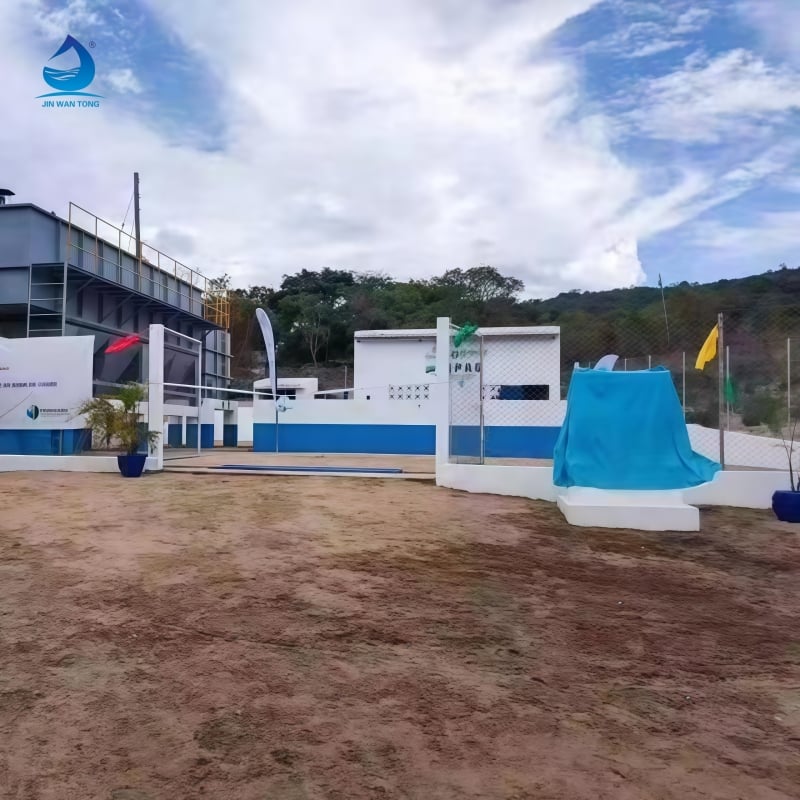
The clarifier tank in water treatment demonstrates remarkable versatility that enables successful implementation across an extensive range of industrial applications, each with unique requirements and operational challenges. This adaptability stems from the fundamental flexibility of sedimentation technology and the ability to customize clarifier tank designs for specific process conditions and treatment objectives. Municipal water treatment facilities represent one of the largest application segments, where clarifier tank systems provide primary treatment for surface water sources containing high levels of suspended sediments, organic matter, and seasonal contamination. These installations often feature large-diameter circular clarifiers capable of handling millions of gallons per day while maintaining consistent effluent quality despite significant variations in source water characteristics. Industrial manufacturing operations utilize clarifier tank technology for process water treatment, cooling tower makeup water preparation, and wastewater treatment applications. The chemical compatibility of clarifier tank systems enables effective treatment of process streams containing various industrial contaminants including metal hydroxides, suspended catalysts, and organic precipitates. Customization options include specialized materials of construction, enhanced chemical feeding systems, and modified hydraulic designs that accommodate specific industrial requirements. Mining operations depend on clarifier tank systems for tailings management, process water recycling, and environmental compliance applications. The robust construction and high solids handling capacity of mining-grade clarifier tanks enable processing of extremely high suspended solids concentrations while achieving discharge standards required for environmental permits. These systems often incorporate thickening capabilities that produce underflow streams suitable for further dewatering processes. Food and beverage processing facilities implement clarifier tank technology for ingredient water preparation, process water recycling, and wastewater treatment compliance. The sanitary design features and food-grade materials used in these applications ensure product safety while achieving treatment objectives. Pharmaceutical and chemical processing industries utilize clarifier tank systems for ultra-pure water preparation, solvent recovery, and waste stream treatment. The precise control capabilities and contamination-resistant designs required for these applications demonstrate the technological sophistication available in modern clarifier tank systems. Agricultural applications include irrigation water treatment, livestock wastewater management, and crop processing water recycling. The clarifier tank in water treatment systems provides cost-effective solutions for agricultural operations that require reliable water treatment without complex operational requirements or high maintenance demands.
Clarifier Tank Water Treatment Systems: Advanced Sedimentation Technology for Superior Water Quality

Get a Free Quote

Our representative will contact you soon.
Email
Name
Company Name
Message
0/1000