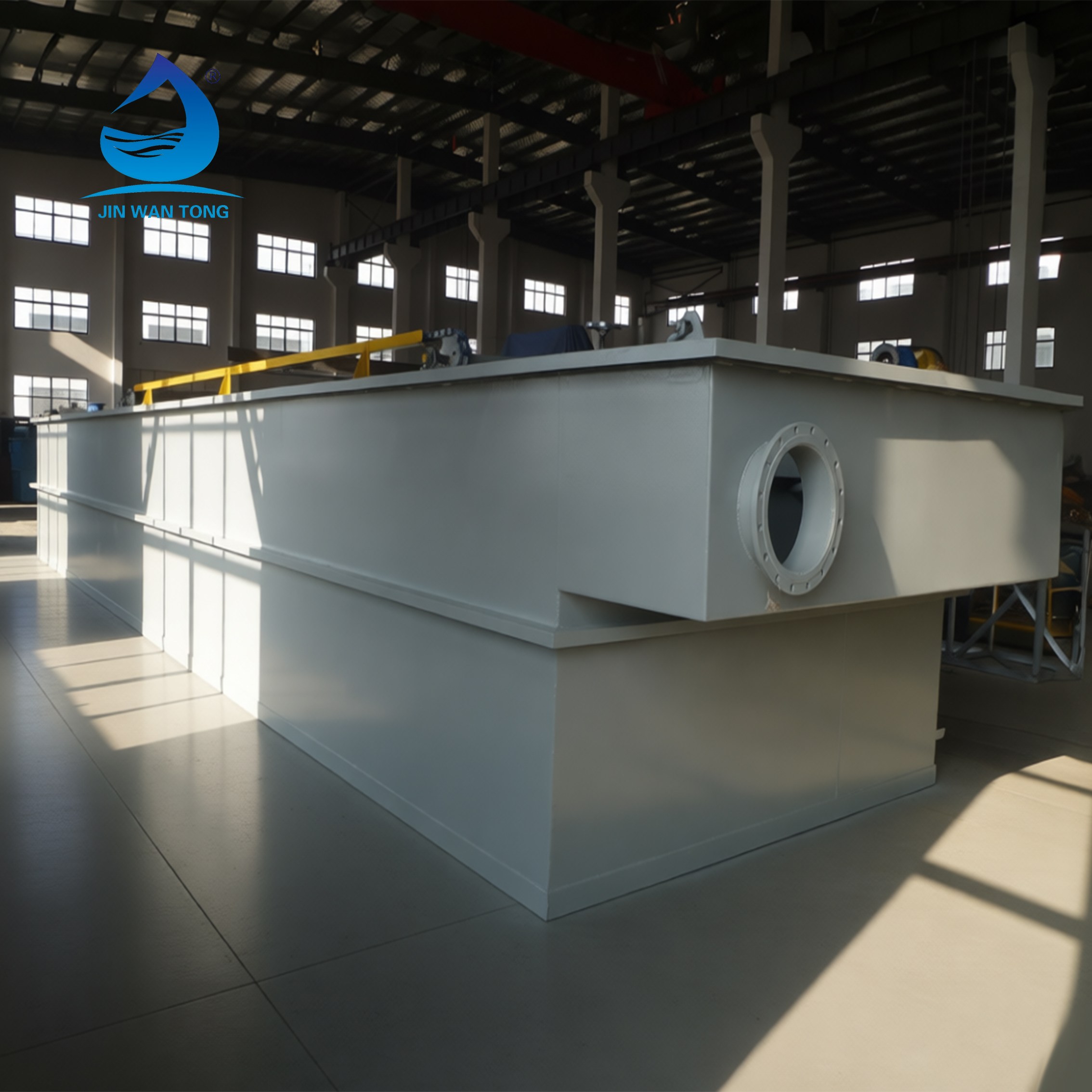
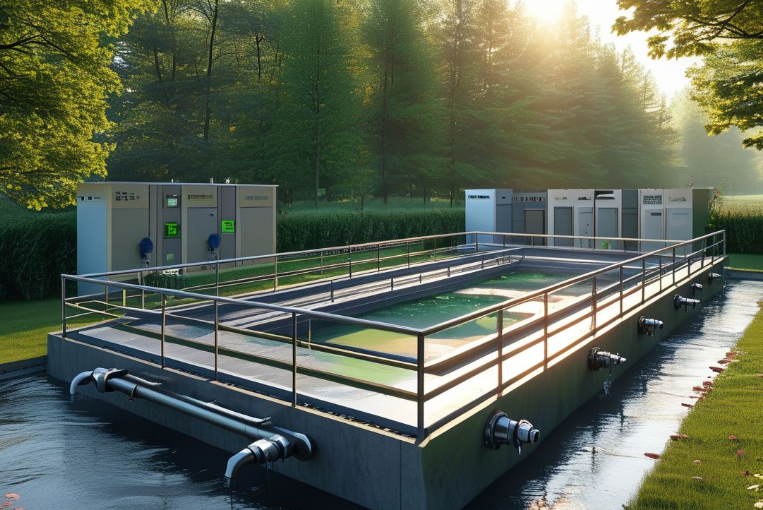
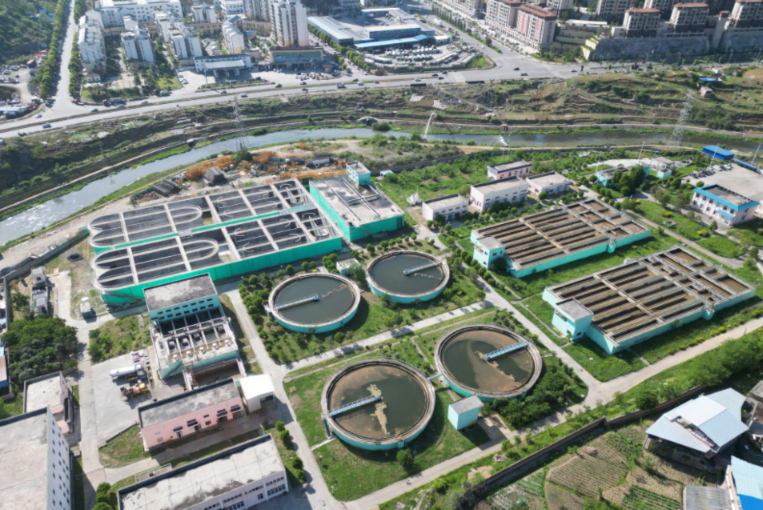
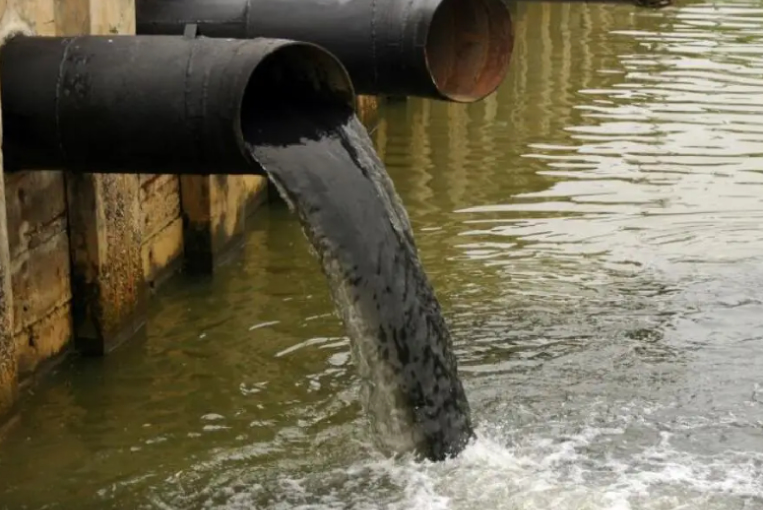
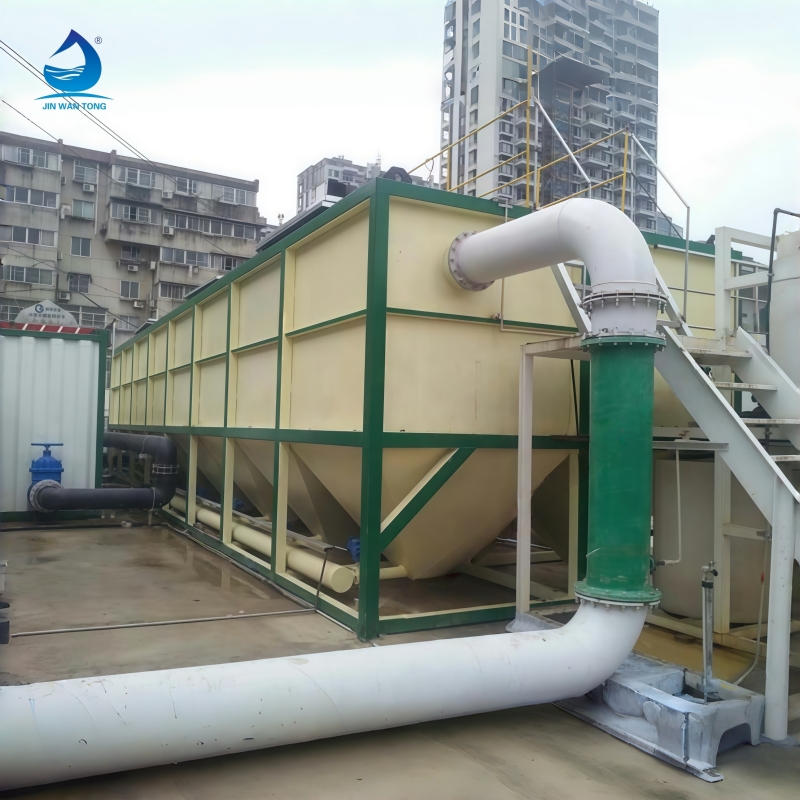
As a clarifier tank manufacturer, Qingdao Jinwantong provides sedimentation and clarification equipment for wastewater projects that require stable solid-liquid separation. A clarifier tank is used to remove suspended solids, sludge, chemical flocs and settleable particles from water or wastewater through gravity settling. It is widely applied in municipal sewage treatment, industrial wastewater treatment, chemical precipitation systems and packaged treatment plants.
The working principle of a clarifier tank is simple but requires proper engineering design. Wastewater enters the tank through an inlet distribution system, which reduces turbulence and spreads the flow evenly. As the water velocity decreases, heavier solids and flocs settle to the bottom. Clarified water flows to the outlet weir, while settled sludge is collected in the bottom hopper or sludge zone and discharged by gravity, valve, pump or sludge scraper, depending on the design.
A typical clarification process includes:
Inlet Distribution → Settling Zone → Sludge Collection → Clarified Water Outlet → Sludge DischargeFor compact projects, a lamella clarifier may be selected. Lamella plates increase the effective settling area inside a smaller tank footprint, helping improve separation efficiency where installation space is limited. For wastewater with fine particles or colloids, chemical dosing and flocculation may be added before clarification to form larger flocs and improve settling performance.
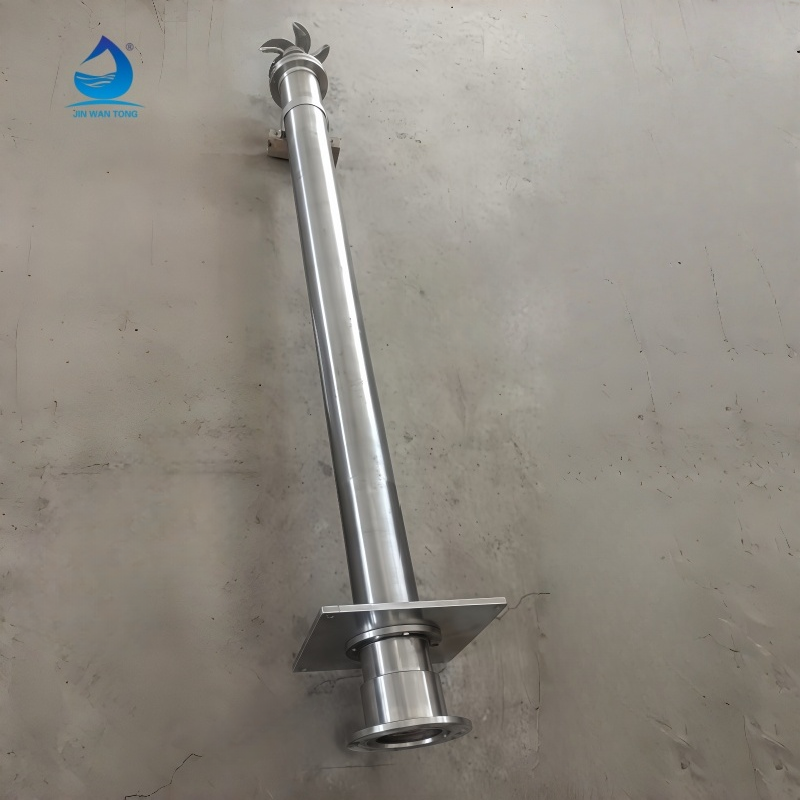
A complete clarifier tank system may include the tank body, inlet chamber, distribution baffle, settling area, outlet weir, sludge hopper, sludge discharge pipeline, support frame, access platform, valves and optional lamella plate modules. Material options may include carbon steel with anti-corrosion coating, stainless steel, FRP or other project-specific materials, depending on wastewater pH, chemical content, corrosion risk and budget.
For B2B buyers, selecting the right clarifier is not only about tank volume. Important design factors include flow rate, peak flow, inlet suspended solids, sludge concentration, particle settling velocity, hydraulic retention time, surface loading rate, outlet quality target, available space, installation height and maintenance access. If the clarifier is undersized or poorly distributed, problems such as sludge carryover, short flow, floating sludge and poor effluent clarity may occur.
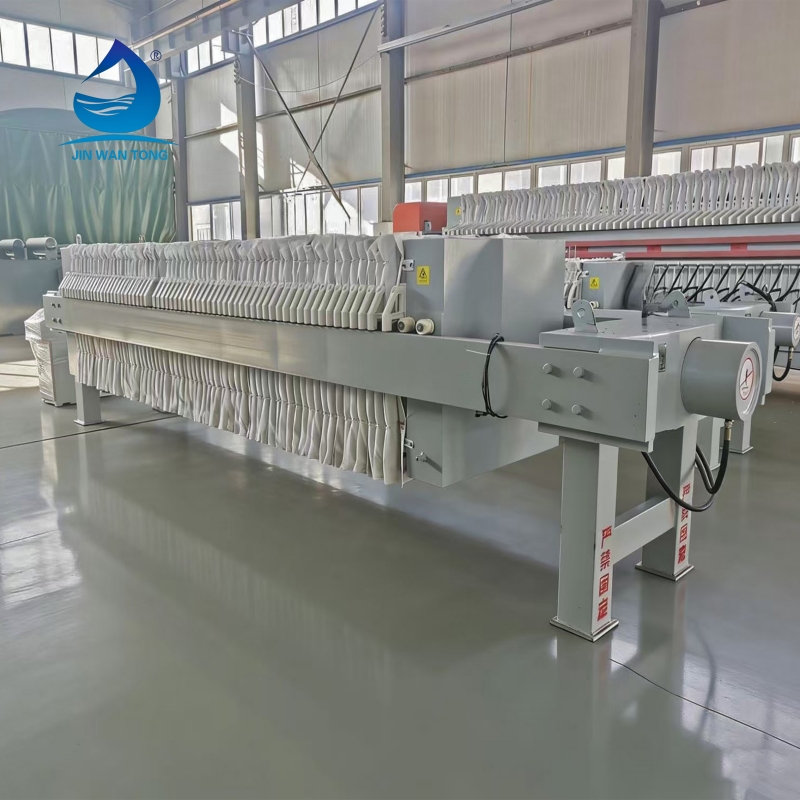
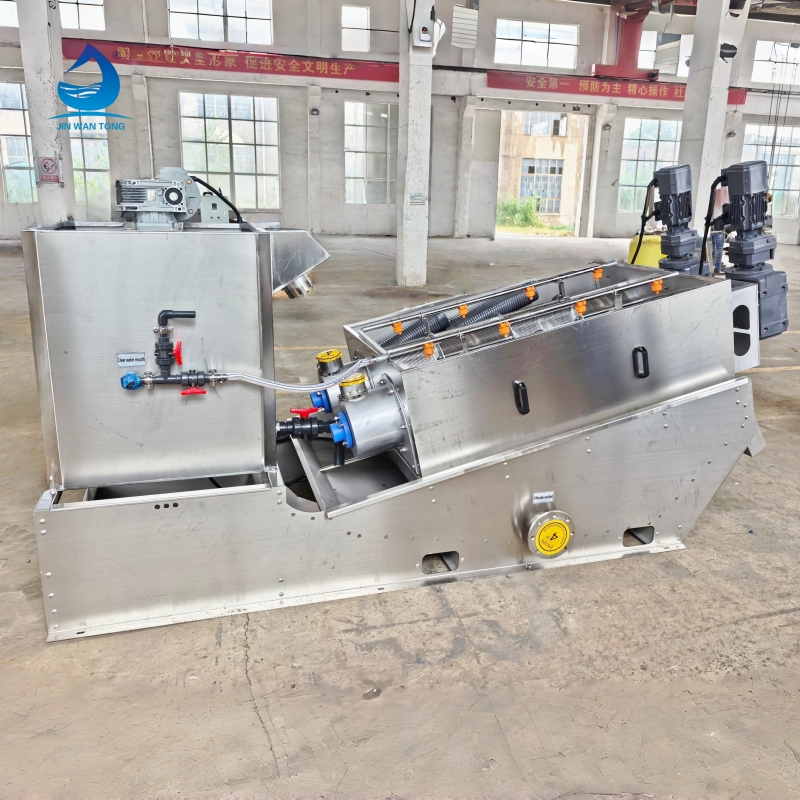
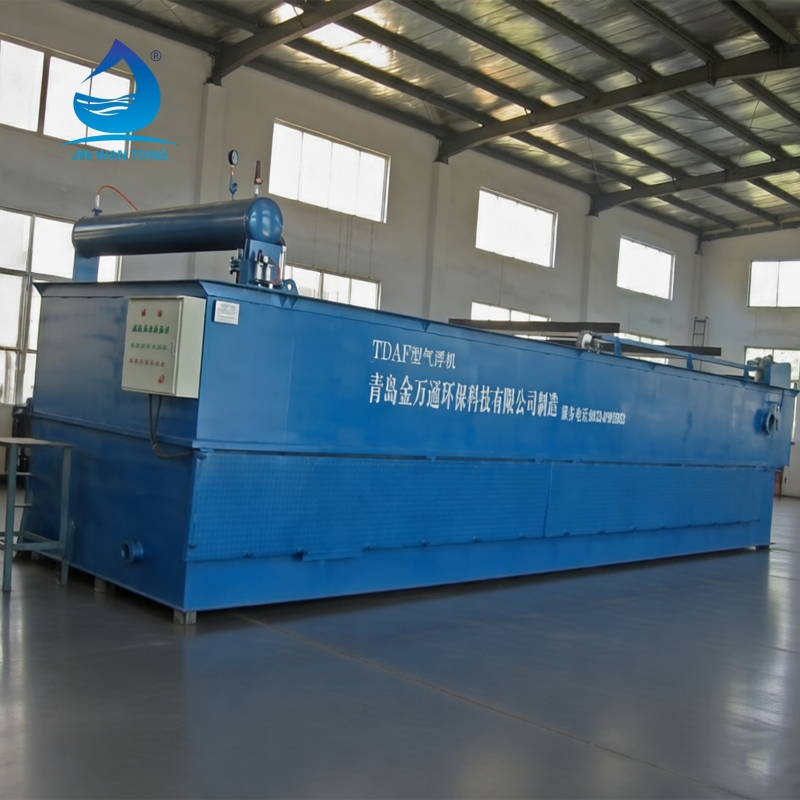
Clarifier tanks are often used together with other wastewater treatment equipment. They can be installed after coagulation-flocculation, DAF pretreatment, biological treatment, MBBR systems or industrial pretreatment units. They may also be placed before filtration, disinfection, activated carbon filters or sludge dewatering equipment to reduce solids load and improve downstream process stability.
However, clarifier tanks mainly remove settleable solids. They cannot independently remove dissolved COD, ammonia nitrogen, salinity, toxic chemicals or emulsified oil. For complex wastewater, additional treatment such as DAF, biological treatment, dosing, filtration or membrane systems may be required.
To receive a suitable proposal, buyers can send flow rate, wastewater source, suspended solids concentration, outlet requirements, site layout, material preference and project location. Qingdao Jinwantong can support customized design, equipment selection and quotation for clarifier tank projects.
Qingdao Jinwantong provides industrial sewage treatment equipment for global clients. Our MBR, DAF, STP, and oil-water separation systems ensure compliance with national discharge standards. Trusted across 6 continents. Contact us today.
43,Cangnan Road, Cangma Town, Qingdao, Shandong, China
Copyright © 2026 Qingdao Jinwantong Environmental Science And Technology Co., Ltd. All rights reserved. Privacy Policy
 EN
EN