Intelligent Process Control and Monitoring Systems
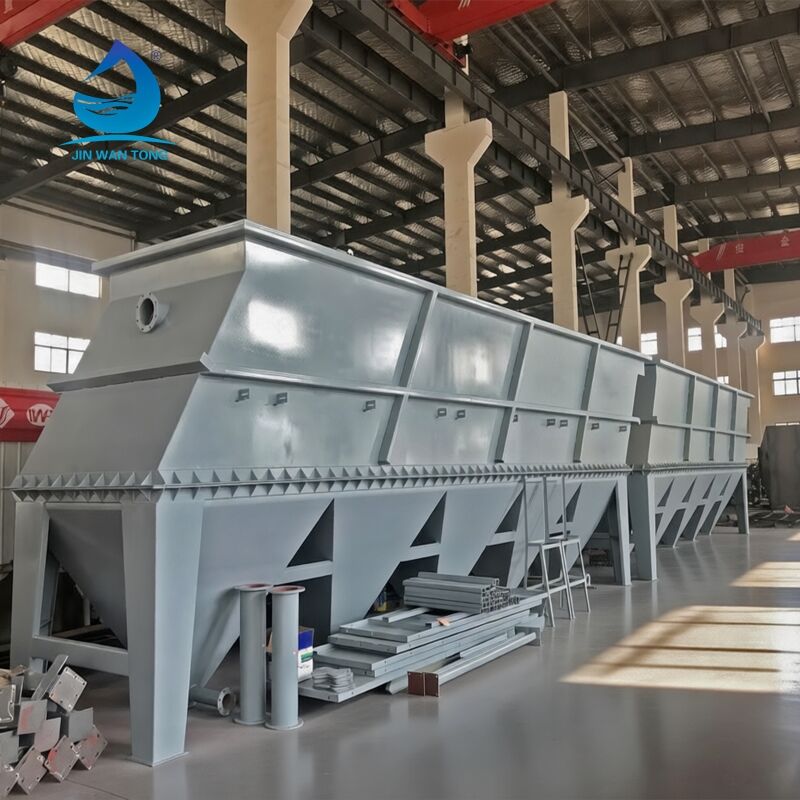
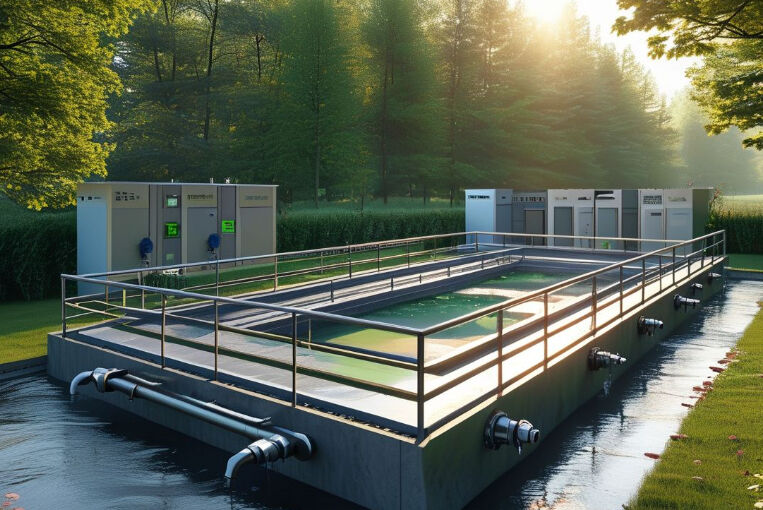
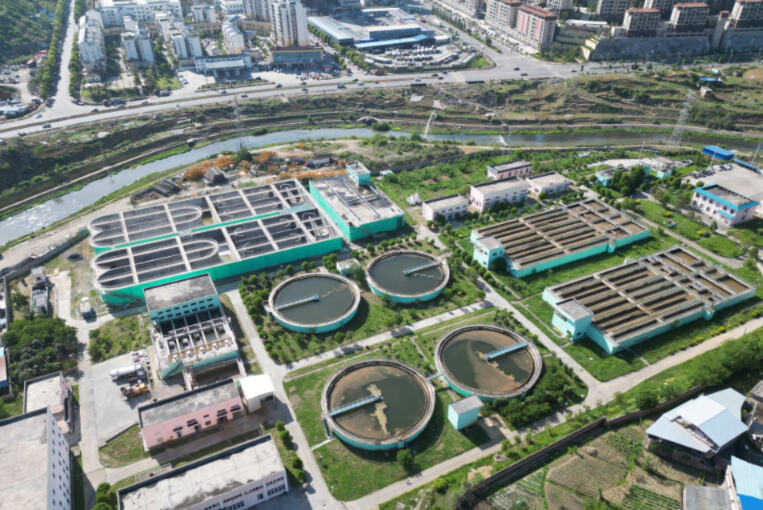
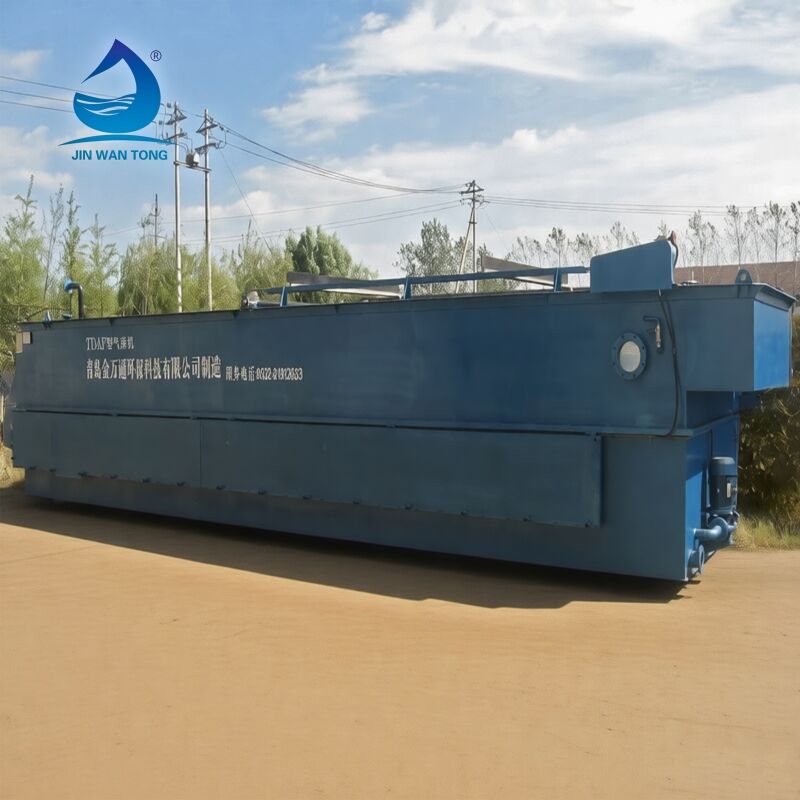
The primary clarifier tank features state-of-the-art intelligent process control systems that optimize performance while reducing operational complexity and costs. These advanced monitoring capabilities provide continuous surveillance of critical parameters including influent flow rates, sludge blanket depths, effluent turbidity, and system hydraulics. Real-time data acquisition systems collect information from strategically positioned sensors throughout the primary clarifier tank, creating comprehensive operational visibility. Automated control algorithms adjust scraper speeds, pumping rates, and other operational parameters based on actual conditions rather than predetermined schedules. The system's predictive maintenance capabilities analyze equipment performance trends to identify potential issues before they cause operational disruptions or expensive repairs. Remote monitoring capabilities allow operators to supervise multiple primary clarifier tanks from centralized control rooms, reducing staffing requirements and improving response times. The intelligent control system integrates seamlessly with plant-wide automation networks, sharing data with upstream and downstream processes to optimize overall treatment performance. Alarm management systems prioritize notifications based on severity levels, ensuring operators focus attention on critical issues while filtering out routine status updates. Historical data logging capabilities support regulatory reporting requirements and provide valuable information for process optimization initiatives. The primary clarifier tank's control system includes adaptive learning algorithms that continuously refine operational parameters based on performance feedback. Energy optimization features automatically adjust power consumption during low-flow periods, reducing operational costs without compromising treatment quality. User-friendly interfaces present complex operational data in intuitive formats, enabling operators with varying technical backgrounds to effectively manage system performance. The monitoring system tracks key performance indicators including solids removal efficiency, hydraulic loading rates, and energy consumption per unit of treated wastewater. Wireless connectivity options enable smartphone and tablet access to system status information, supporting flexible work arrangements and emergency response protocols.
 EN
EN