CPI Filter for Industrial Effluent: Compact Oil-Water Separation

All Categories

Get a Free Quote

Our representative will contact you soon.
Email
WhatsApp
Name
Company Name
Message
0/1000

CPI Filter for Industrial Effluent: Compact Oil-Water Separation for Reliable Pretreatment

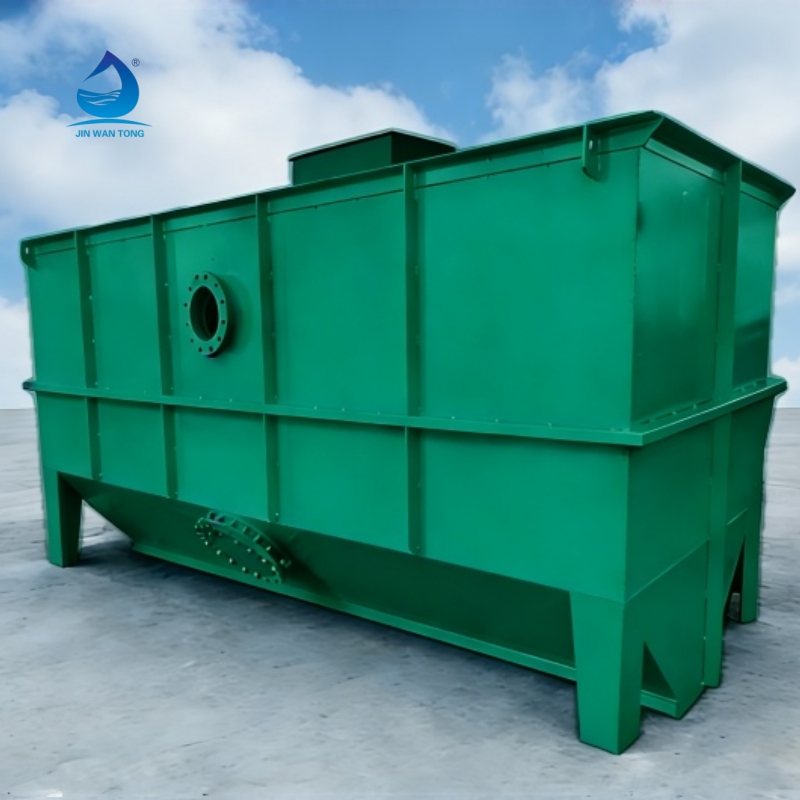
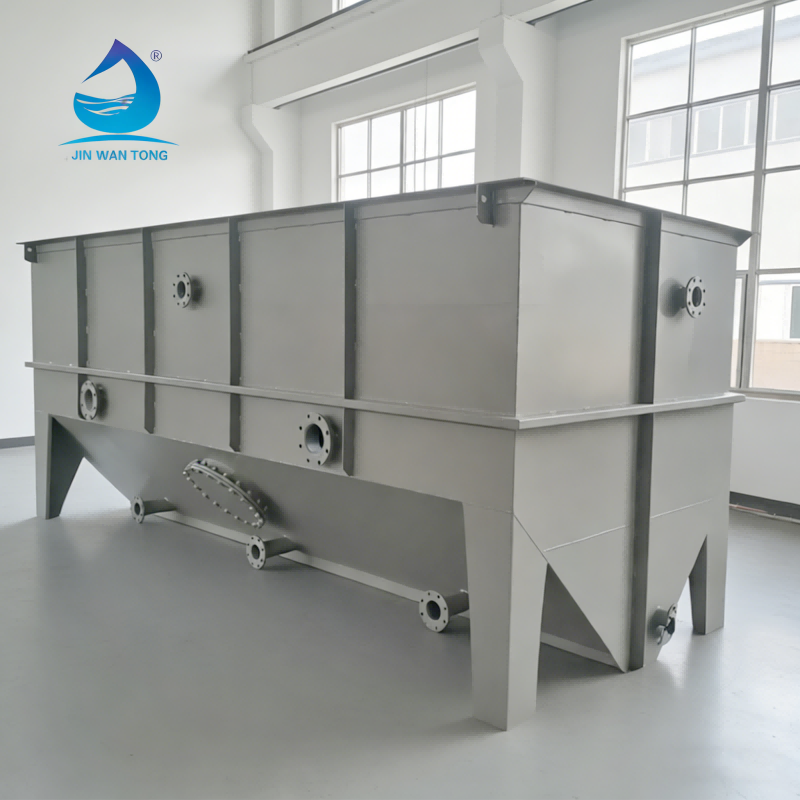
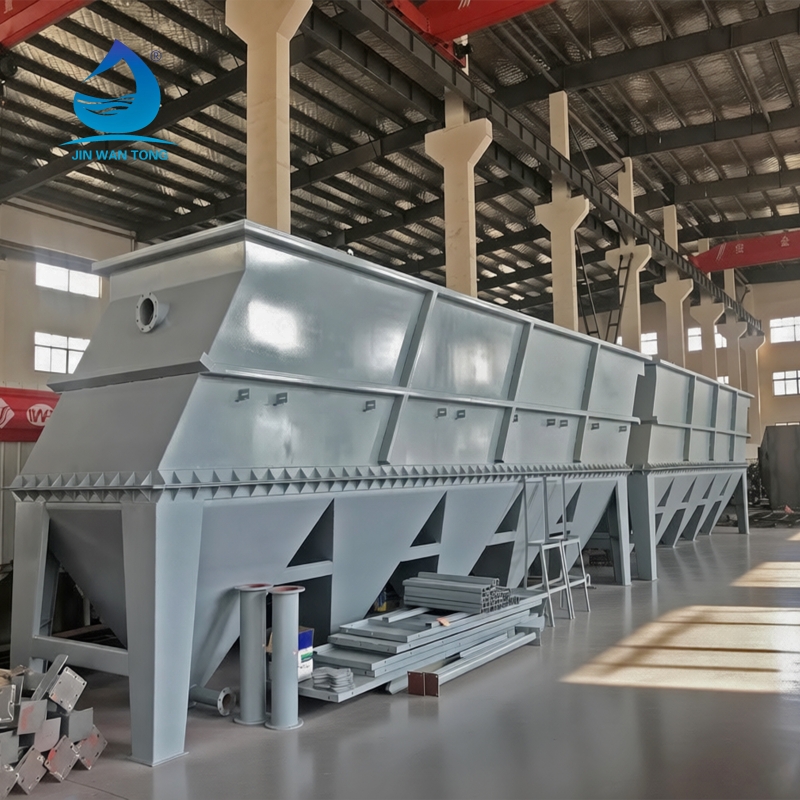
A CPI filter for industrial effluent is designed to remove free oil, floating oil, grease and part of suspended solids from oily wastewater before DAF, filtration, biological treatment, membrane systems or final discharge treatment. Using corrugated plate interceptor technology, the system increases effective separation area, shortens oil droplet rising distance and supports stable oil-water separation in a compact footprint. Qingdao Jinwantong Environmental Science And Technology Co., Ltd., founded in 2006 in Shandong, China, manufactures CPI oil-water separators, lamella clarifiers, sedimentation tanks, DAF dissolved air flotation machines, automatic dosing systems, sludge dewatering machines, MBR/MBBR systems and packaged sewage treatment plants. We provide customized CPI systems based on flow rate, oil content, TSS, pH, temperature, material requirements, site layout and treatment goals.

Why Choose Us

Industrial Effluent-Oriented Design

We configure CPI filters according to wastewater source, oil concentration, suspended solids, temperature, pH and downstream treatment requirements.

Custom Manufacturing Options

Tank size, corrugated plate module, oil collection, sludge discharge, material, coating and inlet/outlet layout can be customized.

Complete Pretreatment Equipment Supply

CPI filters can be matched with DAF units, dosing systems, lamella clarifiers, sludge dewatering machines and packaged wastewater systems.

Manufacturer Since 2006

Qingdao Jinwantong supports B2B buyers with technical selection, customized production, equipment supply, quotation and delivery communication.

New Product Releases

A CPI filter for industrial effluent is a pretreatment device used to separate free oil, floating oil, grease and some settleable solids from industrial wastewater. CPI stands for Corrugated Plate Interceptor. Although many buyers call it a filter, its main function is physical oil-water separation rather than fine particle filtration.

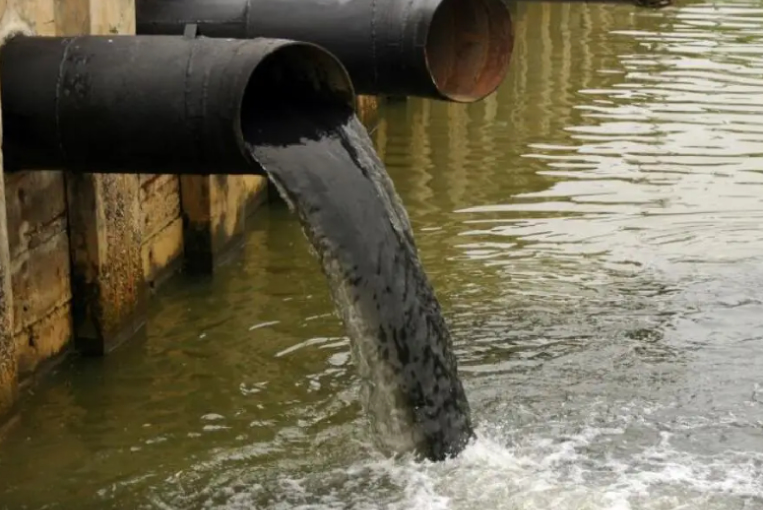
Industrial effluent can come from petrochemical plants, machinery processing, vehicle washing, steel mills, power plants, shipyards, food processing facilities, surface treatment workshops and general manufacturing sites. These wastewater streams may contain free oil, lubricants, cutting fluids, grease, suspended solids and other pollutants. If free oil is not removed early, it may reduce DAF performance, block filters, foul membranes, disturb biological treatment and increase maintenance costs.

The CPI separation process relies on gravity and coalescence. Wastewater enters the inlet distribution chamber and flows slowly through inclined corrugated plates. Because oil is lighter than water, free oil droplets rise along the plate surface. The plate structure shortens the rising distance and helps small droplets merge into larger droplets. These oil droplets then float to the oil collection zone and are discharged through an oil outlet or skimming device. Heavier solids settle into the sludge hopper and are discharged regularly. The separated water flows out for further treatment.

A typical treatment flow is:

Industrial Effluent → Inlet Distribution → CPI Plate Separation → Oil Collection → Sludge Discharge → Further Treatment

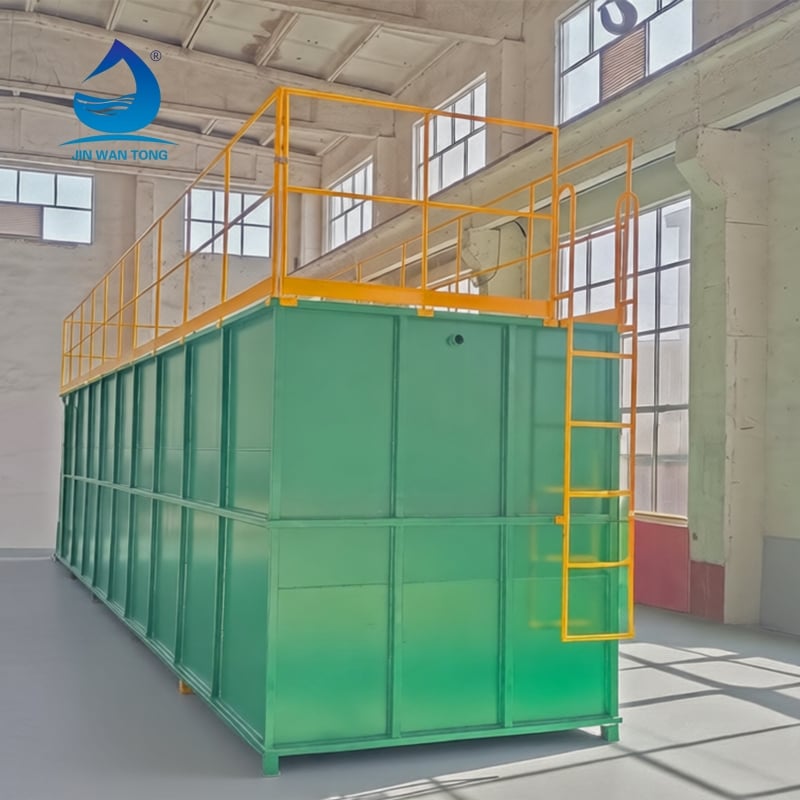
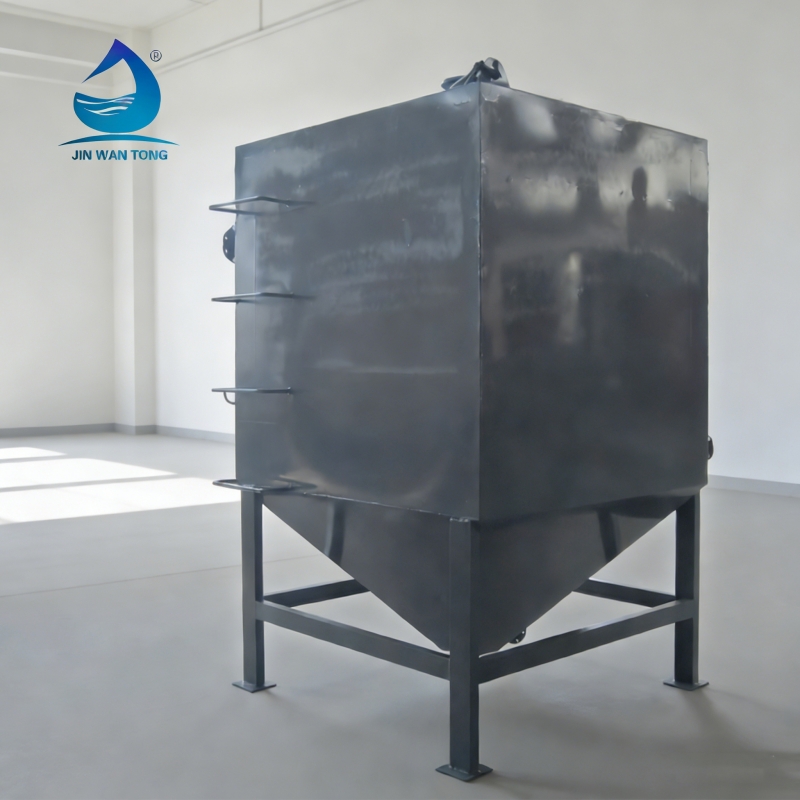
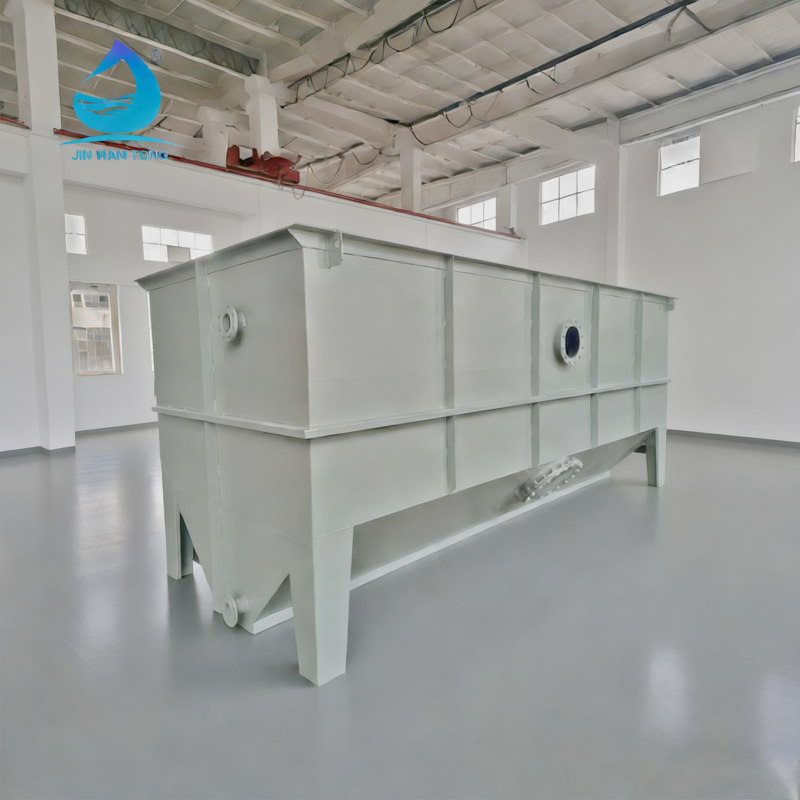
A complete CPI oil-water separator system may include an inlet chamber, flow distribution device, corrugated plate pack, separation tank, oil collection area, oil skimmer or oil outlet pipe, sludge hopper, sludge discharge valve, outlet chamber, access cover, pipelines, valves and optional control components. Depending on wastewater properties, the equipment can be manufactured using carbon steel with anti-corrosion coating, stainless steel, FRP or other suitable materials.

For correct selection, buyers should provide more than nominal flow rate. Important parameters include average flow, peak flow, oil concentration, oil droplet size if available, TSS, pH range, wastewater temperature, viscosity, corrosiveness, required outlet oil content, installation space and downstream process. These factors affect equipment size, plate configuration, retention time, material selection and sludge discharge design.

It is also important to understand the application boundary. CPI filters are suitable for free oil and separable oil droplets, but they are not enough for stable emulsified oil, dissolved organic pollutants or soluble chemicals. If the wastewater contains surfactants, emulsified oil or complex industrial chemicals, the CPI unit may need to work with demulsification, coagulation, DAF, filtration, biological treatment or membrane treatment.

Qingdao Jinwantong provides customized CPI filters and supporting wastewater treatment equipment for industrial effluent pretreatment. Buyers can send water quality data, flow rate, oil content, TSS, pH, site layout and treatment target for technical selection and quotation.
Frequently Asked Questions

What is a CPI filter for industrial effluent used for?

A CPI filter for industrial effluent is used to remove free oil, floating oil, grease and part of suspended solids before downstream wastewater treatment.
CPI equipment mainly removes free oil and separable oil droplets. Stable emulsified oil usually requires demulsification, coagulation, DAF or other supporting treatment.
Selection depends on flow rate, peak flow, oil concentration, TSS, pH, temperature, oil droplet size, outlet requirement, footprint and downstream process.
Yes. Tank dimensions, material, anti-corrosion coating, corrugated plates, oil collection, sludge discharge and inlet/outlet direction can be customized.
Please provide flow rate, oil content, TSS, pH, temperature, wastewater source, treatment target, site layout, material preference and project location.

Latest News

Overview of the Agricultural Wastewater Treatment Market

17

Dec

Overview of the Agricultural Wastewater Treatment Market

View More
Global Real-Time Wastewater Treatment Update

17

Dec

Global Real-Time Wastewater Treatment Update

View More
Navigating the Waters: The Role of an Industrial Wastewater Treatment Plant

17

Dec

Navigating the Waters: The Role of an Industrial Wastewater Treatment Plant

View More

Applications

Petrochemical and Refinery Effluent

Used for pretreatment of oily wastewater from petrochemical plants, refineries, oil storage areas and tank cleaning processes before further treatment.

Machinery Processing and Vehicle Washing Wastewater

Applied to industrial effluent containing lubricating oil, cutting oil, grease and suspended solids before DAF, filtration or biological treatment.

Steel, Power, Shipyard and Manufacturing Wastewater

Suitable for industrial sites requiring free oil removal to protect downstream treatment units and improve system stability.

Get a Free Quote

Our representative will contact you soon.
Email
WhatsApp
Name
Company Name
Message
0/1000

cpi filter for industrial effluent

Front-End Oil Removal to Protect Downstream Systems

Front-End Oil Removal to Protect Downstream Systems

For industrial effluent treatment, free oil is often one of the main causes of unstable operation. If oil enters downstream units directly, it may reduce DAF efficiency, coat filter media, foul membranes, affect biological activity and increase cleaning frequency. A CPI filter removes separable oil at the pretreatment stage through corrugated plate gravity separation, helping reduce oil load before sensitive equipment. Qingdao Jinwantong can configure CPI systems according to actual flow rate, oil concentration, TSS, wastewater temperature and treatment target, helping buyers improve overall process reliability and reduce oil-related maintenance risks.
Practical Design for Oil, Sludge and Site Conditions

Practical Design for Oil, Sludge and Site Conditions

A CPI filter must manage both floating oil and settled sludge. Poor oil collection may cause separated oil to return to the outlet water, while poor sludge discharge may block the corrugated plate channels and reduce separation efficiency. Industrial projects may also face limited installation space, corrosive wastewater or variable flow. Qingdao Jinwantong considers oil outlet design, sludge hopper structure, discharge valves, inspection covers, plate cleaning access, material selection and pipeline layout during configuration. This helps contractors and plant owners reduce maintenance difficulty and support long-term operation.
Flexible Integration With Complete Treatment Lines

Flexible Integration With Complete Treatment Lines

CPI separation is often the first step in a complete industrial effluent treatment process. Depending on water quality, the system may need to work with DAF, chemical dosing, lamella clarification, filtration, biological treatment, membrane treatment or sludge dewatering. If equipment is selected separately without process matching, commissioning may become difficult and treatment performance may be unstable. Qingdao Jinwantong supplies CPI oil-water separators together with DAF machines, dosing systems, lamella clarifiers, sludge dewatering machines, MBR/MBBR systems and packaged sewage treatment plants, helping B2B buyers simplify procurement and improve system compatibility.
CPI Filter for Industrial Effluent: Compact Oil-Water Separation

Get a Free Quote

Our representative will contact you soon.
Email
WhatsApp
Name
Company Name
Message
0/1000