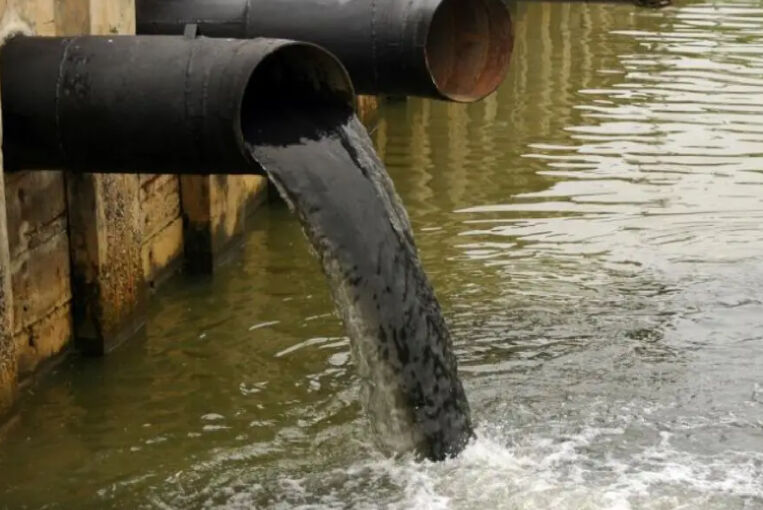
Dissolved Air Flotation Systems Water Treatment - Advanced Solutions for Efficient Contaminant Removal

All Categories

Get a Free Quote

Our representative will contact you soon.
Email
Name
Company Name
Message
0/1000

dissolved air flotation systems water treatment

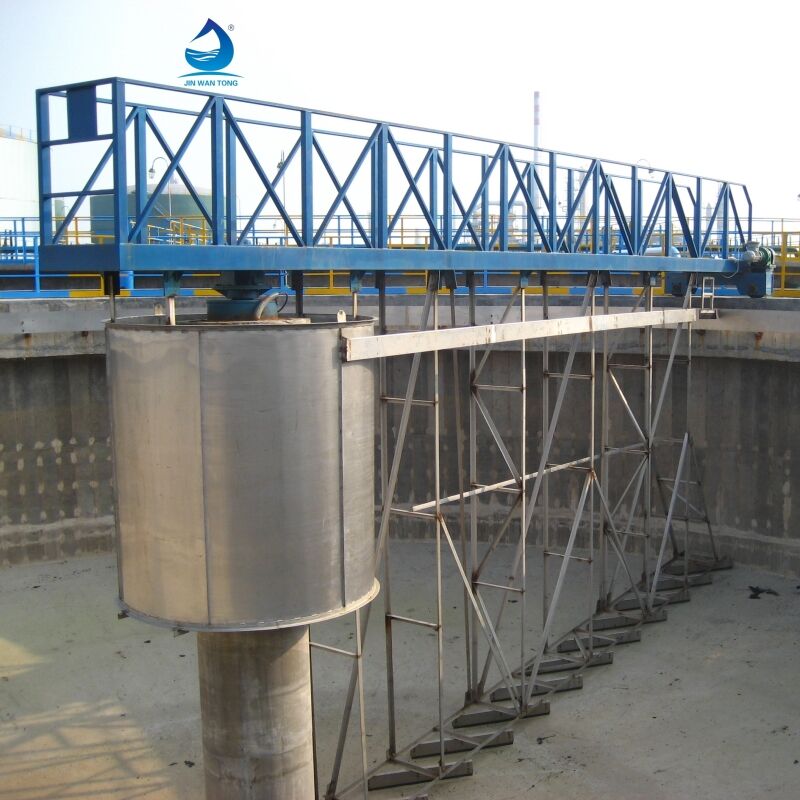
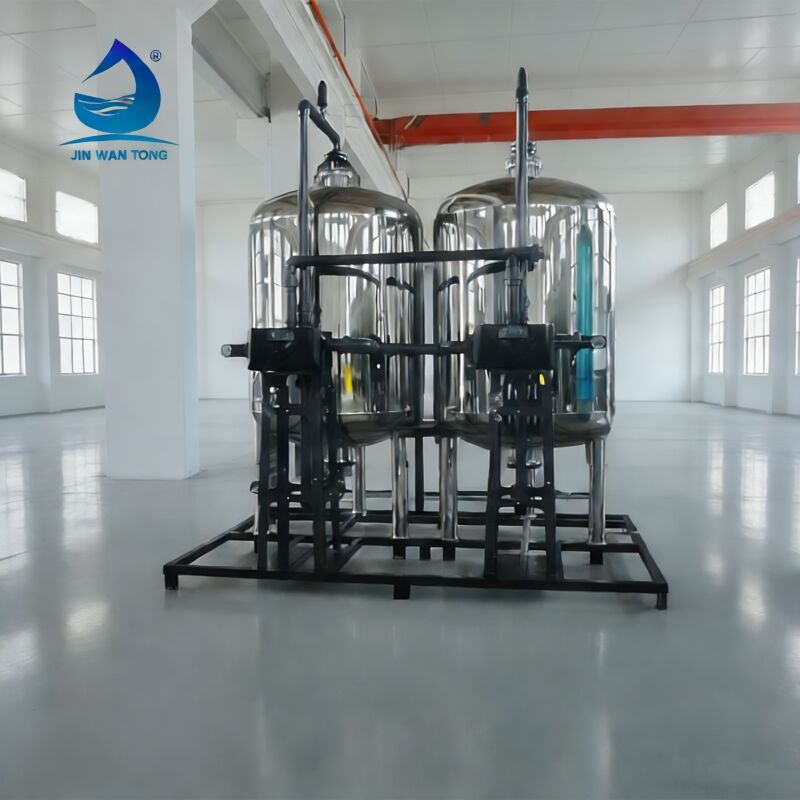
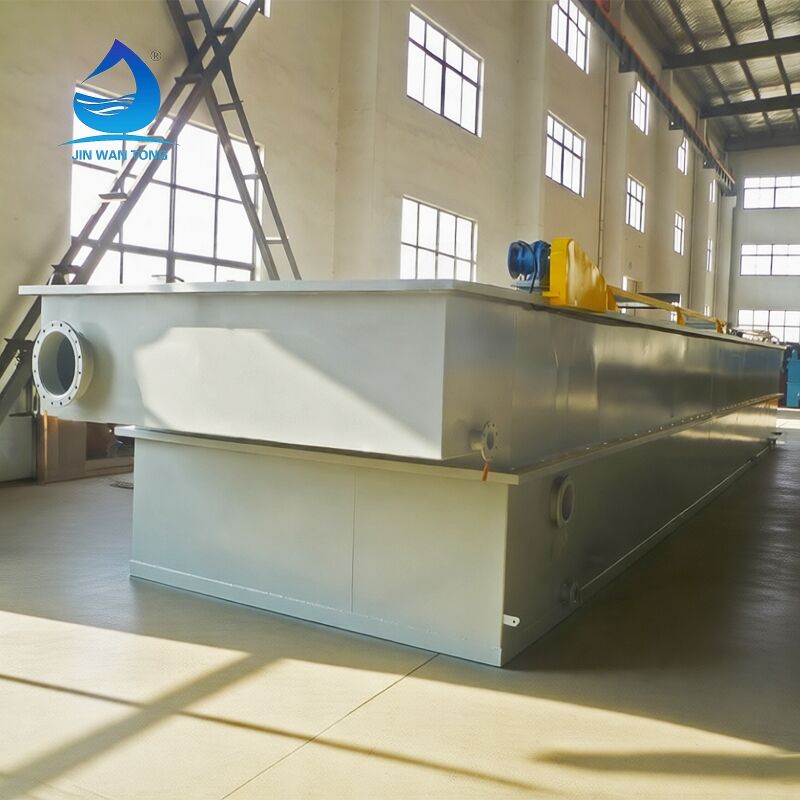
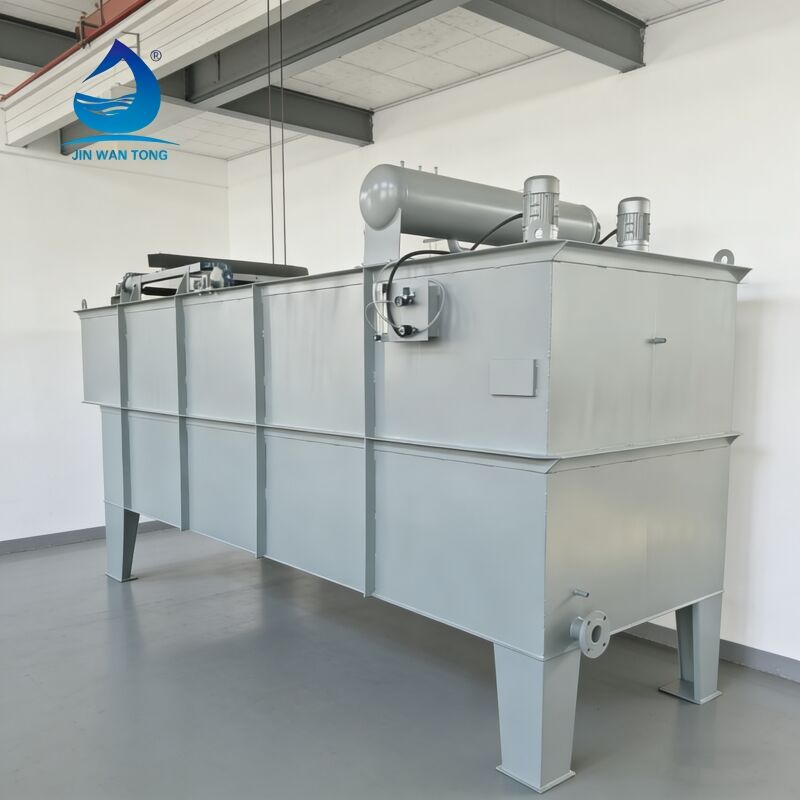
Dissolved air flotation systems water treatment represents a highly effective physical-chemical process designed to remove suspended solids, oils, greases, and other contaminants from wastewater and industrial process water. This advanced technology operates by dissolving air under pressure in a portion of the treated water, then releasing this pressurized water into the flotation tank where microscopic air bubbles attach to contaminant particles, causing them to float to the surface for easy removal. The dissolved air flotation systems water treatment process begins with the pressurization of recycled effluent or clean water in a pressure vessel, typically at 60-80 psi, where air dissolves into the water stream. When this saturated water enters the flotation tank through specially designed nozzles, the sudden pressure drop causes the dissolved air to come out of solution as extremely fine bubbles, typically 10-100 microns in diameter. These bubbles have a strong affinity for suspended particles, oils, and other contaminants, adhering to them and reducing their overall density below that of water. The buoyant particle-bubble aggregates rise rapidly to the surface, forming a concentrated sludge blanket that mechanical skimmers continuously remove. Key technological features of dissolved air flotation systems water treatment include precise pressure control mechanisms, efficient air dissolution systems, specialized bubble generation nozzles, and automated sludge removal equipment. The process maintains optimal hydraulic loading rates and retention times to maximize treatment efficiency while minimizing operational costs. Modern dissolved air flotation systems water treatment installations incorporate advanced control systems that monitor and adjust critical parameters such as air-to-solids ratio, chemical dosing rates, and surface loading rates. These systems effectively handle various water qualities and flow rates, making them versatile solutions for municipal wastewater treatment, industrial process water clarification, and specialized applications in food processing, petrochemical, and manufacturing industries.
New Product Releases

The dissolved air flotation systems water treatment technology delivers exceptional performance benefits that make it a preferred choice for water treatment professionals across diverse industries. These systems achieve remarkable removal efficiencies, typically eliminating 85-95% of suspended solids, 90-99% of oils and greases, and significant percentages of biochemical oxygen demand from contaminated water streams. Unlike traditional sedimentation methods that rely on gravity separation, dissolved air flotation systems water treatment actively lifts contaminants to the surface, enabling faster processing times and higher throughput rates within compact footprints. The operational flexibility of dissolved air flotation systems water treatment allows facilities to handle varying influent conditions without compromising treatment quality. Operators can easily adjust air-to-solids ratios, chemical addition rates, and hydraulic loading to accommodate seasonal variations, production changes, or unexpected contamination events. This adaptability ensures consistent effluent quality regardless of input variations, protecting downstream processes and environmental compliance. Energy efficiency represents another significant advantage of dissolved air flotation systems water treatment, as these systems consume considerably less power compared to alternative treatment technologies. The air dissolution process requires minimal energy input, while the gravity-driven flotation mechanism eliminates the need for energy-intensive mixing or agitation equipment. Maintenance requirements remain low due to the simple mechanical design and absence of complex moving parts in the flotation chamber itself. The dissolved air flotation systems water treatment process generates a highly concentrated sludge with excellent dewatering characteristics, reducing disposal volumes by 60-80% compared to conventional clarification methods. This concentrated waste stream translates directly into lower transportation costs, reduced landfill fees, and decreased environmental impact. Chemical consumption in dissolved air flotation systems water treatment remains minimal, as the process primarily relies on physical separation mechanisms rather than extensive chemical precipitation. When coagulants or flocculants are required, their dosage rates are typically lower than those needed for conventional treatment methods. The gentle mixing action preserves floc structure, maintaining treatment effectiveness while minimizing chemical costs. Installation and commissioning of dissolved air flotation systems water treatment proceeds quickly due to standardized designs and modular construction approaches. These systems integrate seamlessly with existing treatment infrastructure, minimizing disruption to ongoing operations during implementation phases.

Tips And Tricks

Overview of the Agricultural Wastewater Treatment Market

17

Dec

Overview of the Agricultural Wastewater Treatment Market

View More
Global Real-Time Wastewater Treatment Update

17

Dec

Global Real-Time Wastewater Treatment Update

View More
Navigating the Waters: The Role of an Industrial Wastewater Treatment Plant

17

Dec

Navigating the Waters: The Role of an Industrial Wastewater Treatment Plant

View More

Get a Free Quote

Our representative will contact you soon.
Email
Name
Company Name
Message
0/1000

dissolved air flotation systems water treatment

Superior Contaminant Removal Performance

Superior Contaminant Removal Performance

Dissolved air flotation systems water treatment delivers unmatched contaminant removal capabilities that consistently exceed regulatory requirements and operational expectations. The fundamental principle behind this superior performance lies in the unique bubble-particle attachment mechanism that actively lifts contaminants to the surface rather than waiting for them to settle by gravity. The microscopic air bubbles generated during the dissolved air flotation systems water treatment process create an enormous surface area for particle attachment, with each cubic meter of treated water containing millions of bubble attachment sites. This extensive contact area ensures that even the smallest suspended particles, including those typically difficult to remove through conventional methods, become effectively captured and removed. The dissolved air flotation systems water treatment technology excels particularly in removing low-density contaminants such as oils, greases, algae, and fine suspended solids that would otherwise require extended settling times or additional chemical treatment. Oil removal rates consistently achieve 95-99% efficiency, making these systems invaluable for industrial facilities dealing with hydrocarbon contamination, food processing operations handling fats and oils, and any application where lipid removal is critical. The process simultaneously addresses multiple contamination types in a single treatment step, eliminating the need for separate oil skimmers, clarifiers, or specialized removal equipment. Particle size flexibility represents another crucial advantage of dissolved air flotation systems water treatment, as the process effectively handles particles ranging from sub-micron colloids to larger suspended solids exceeding 100 microns. This broad particle size range capability means facilities can treat diverse waste streams without requiring extensive pretreatment or particle size classification steps. The gentle flotation action preserves delicate biological flocs in applications involving biological treatment processes, maintaining the integrity of beneficial microorganisms while removing unwanted contaminants. Temperature variations have minimal impact on dissolved air flotation systems water treatment performance, unlike biological treatment methods that suffer efficiency losses during cold weather operations. This temperature independence ensures year-round consistent performance regardless of seasonal changes or process temperature fluctuations. The concentrated nature of the removed sludge, typically containing 3-6% solids content compared to 0.5-2% from conventional settling, significantly reduces downstream dewatering requirements and associated disposal costs.
Compact Design and Space Optimization

Compact Design and Space Optimization

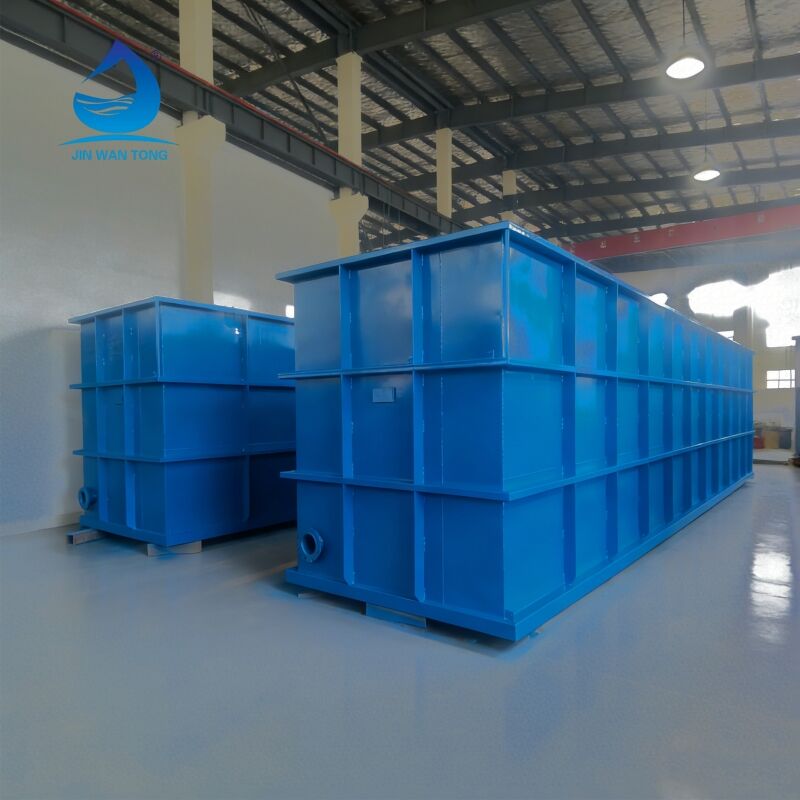
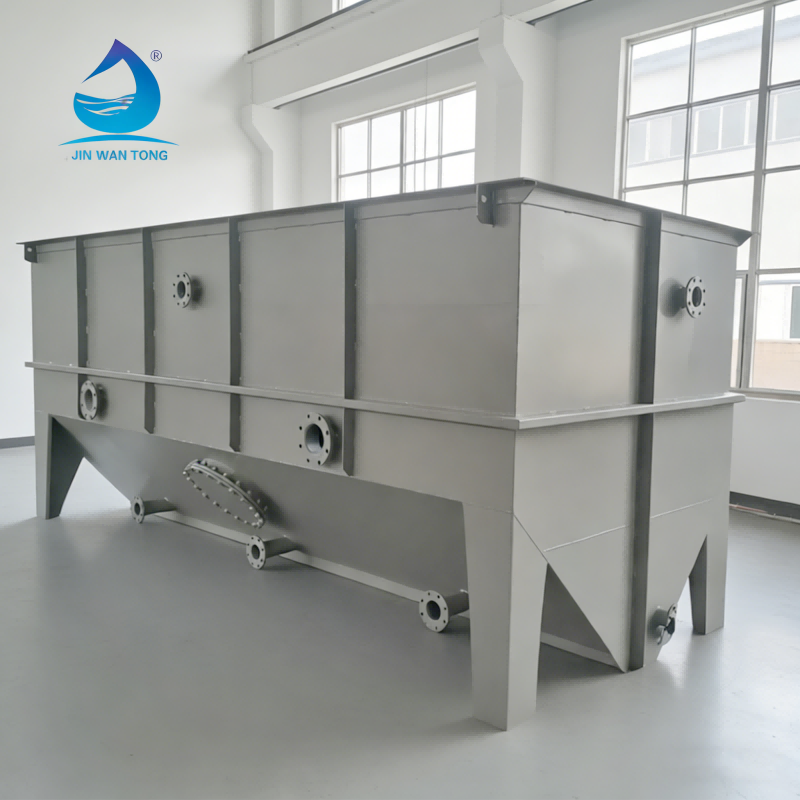
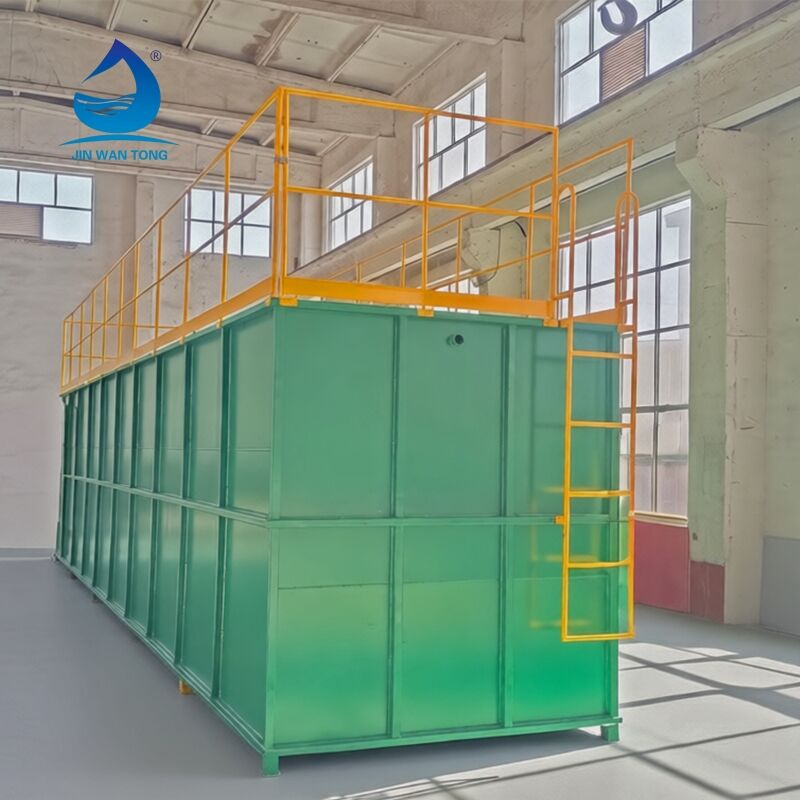
Dissolved air flotation systems water treatment technology revolutionizes facility layouts through remarkably compact designs that deliver maximum treatment capacity within minimal footprint requirements. Traditional clarification systems often require extensive land areas for large settling basins and lengthy retention times, but dissolved air flotation systems water treatment achieves equivalent or superior results in spaces up to 75% smaller than conventional alternatives. This space efficiency stems from the rapid flotation mechanism that separates contaminants within 15-30 minutes compared to the 2-4 hours typically required for gravitational settling processes. The vertical configuration of dissolved air flotation systems water treatment maximizes treatment volume per square foot of occupied floor space, making these systems ideal for facilities with limited available area or high real estate costs. Urban treatment facilities, existing industrial plants undergoing expansion, and retrofit applications particularly benefit from this compact design philosophy. The reduced footprint translates into lower construction costs, decreased excavation requirements, and simplified site preparation procedures. Multi-level system designs further optimize space utilization by stacking process components vertically, creating treatment solutions that fit within existing building envelopes or tight site constraints. The dissolved air flotation systems water treatment approach eliminates the need for large clarifier tanks, extensive piping networks, and bulky sludge handling equipment associated with conventional treatment methods. Modular construction techniques enable dissolved air flotation systems water treatment installations to expand incrementally as facility needs grow, avoiding the massive initial capital investments required for over-sized conventional systems. Manufacturers design these systems with standardized components that facilitate easy expansion, modification, or relocation as operational requirements change over time. The compact nature of dissolved air flotation systems water treatment also simplifies integration with existing treatment infrastructure, allowing facilities to upgrade their capabilities without extensive facility modifications or process disruptions. Skid-mounted configurations enable rapid deployment and commissioning, reducing installation timelines from months to weeks compared to conventional construction projects. Prefabricated dissolved air flotation systems water treatment units arrive at job sites with factory testing completed and quality assurance verified, minimizing field installation risks and accelerating project completion schedules. Weather protection requirements are minimal due to the enclosed nature of most system components, reducing building costs and enabling installation in challenging environmental conditions. The streamlined design approach also simplifies maintenance access, operator training, and troubleshooting procedures, contributing to long-term operational efficiency and reliability.
Cost-Effective Long-Term Operation

Cost-Effective Long-Term Operation

Dissolved air flotation systems water treatment provides exceptional long-term value through dramatically reduced operational expenses, minimal maintenance requirements, and extended equipment lifecycles that deliver superior return on investment compared to alternative treatment technologies. The inherent simplicity of the flotation process minimizes energy consumption requirements, typically using 60-80% less power than conventional biological treatment systems or energy-intensive physical-chemical processes. Power consumption for dissolved air flotation systems water treatment primarily involves air compression and water pumping, both of which operate efficiently at steady-state conditions without the variable energy demands associated with complex biological systems or chemical precipitation processes. Maintenance costs remain remarkably low throughout the operational lifetime of dissolved air flotation systems water treatment installations due to the absence of complex mechanical components within the flotation chamber itself. Unlike rotating biological contractors, activated sludge systems with extensive blower requirements, or membrane systems requiring frequent cleaning and replacement, dissolved air flotation systems water treatment relies primarily on simple mechanical skimming equipment and basic pumping systems for operation. Component replacement schedules extend significantly beyond those of alternative technologies, with major equipment elements typically lasting 15-20 years under normal operating conditions. The dissolved air flotation systems water treatment process generates valuable byproducts that offset operational costs through beneficial reuse or resale opportunities. The concentrated float material often contains recoverable oils, fats, or other materials with commercial value, particularly in food processing, petrochemical, or manufacturing applications. Recovered oils can be processed into biodiesel, industrial lubricants, or other useful products, creating revenue streams that improve overall project economics. Chemical consumption costs remain minimal in dissolved air flotation systems water treatment applications, as the process primarily relies on physical separation rather than extensive chemical precipitation or coagulation. When chemical aids are necessary, their dosage requirements typically run 30-50% lower than conventional treatment methods due to the enhanced particle-bubble contact efficiency. Sludge disposal costs decrease substantially due to the high solids concentration achieved through the flotation process, reducing waste volumes and associated transportation, handling, and disposal expenses. The dewatering characteristics of float material far exceed those of conventional settling sludge, enabling higher solids concentrations in final disposal or beneficial use applications. Regulatory compliance becomes more predictable and cost-effective with dissolved air flotation systems water treatment due to the consistent performance characteristics and reliable effluent quality these systems maintain across varying operating conditions.
Dissolved Air Flotation Systems Water Treatment - Advanced Solutions for Efficient Contaminant Removal

Get a Free Quote

Our representative will contact you soon.
Email
Name
Company Name
Message
0/1000