dissolved air flotation and filtration
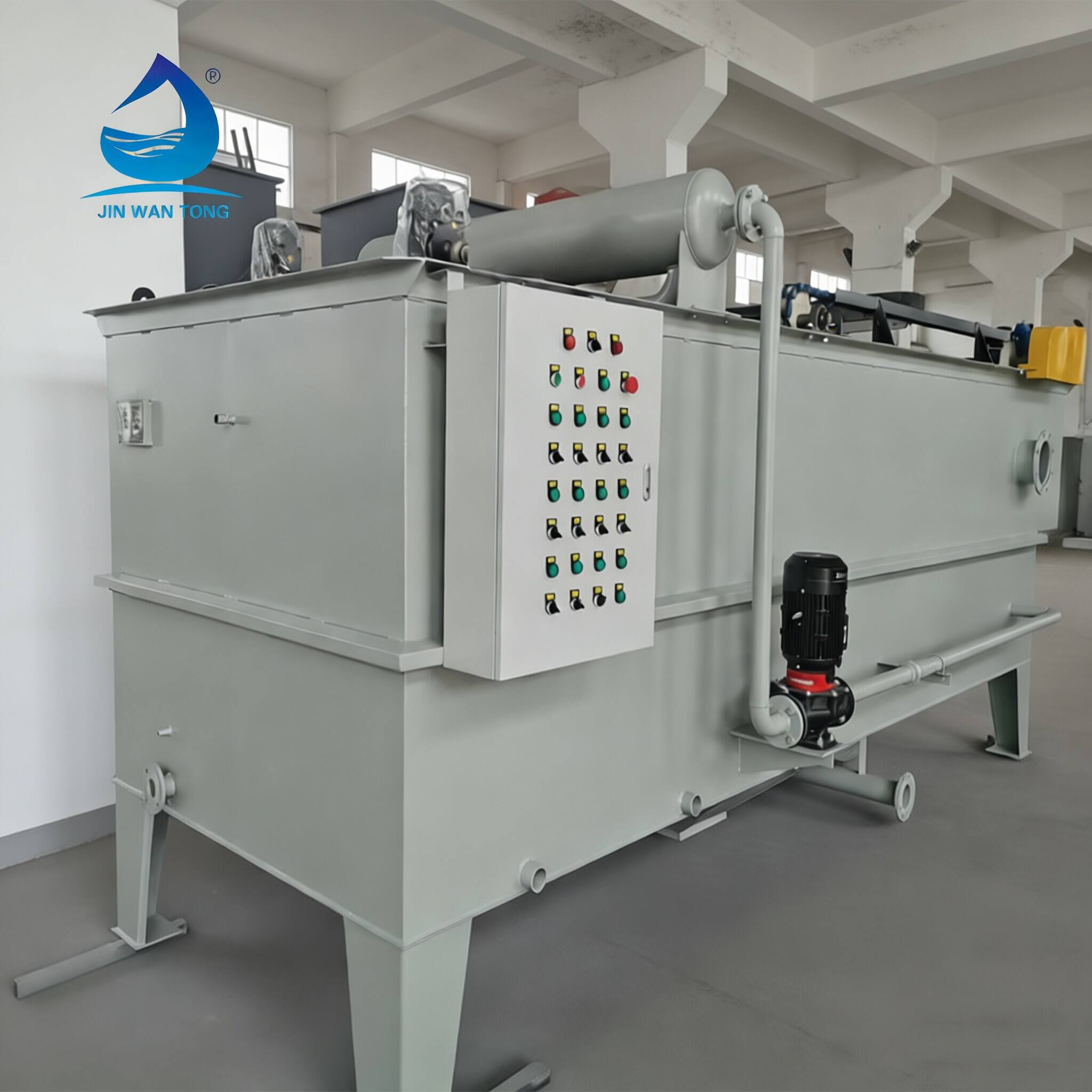
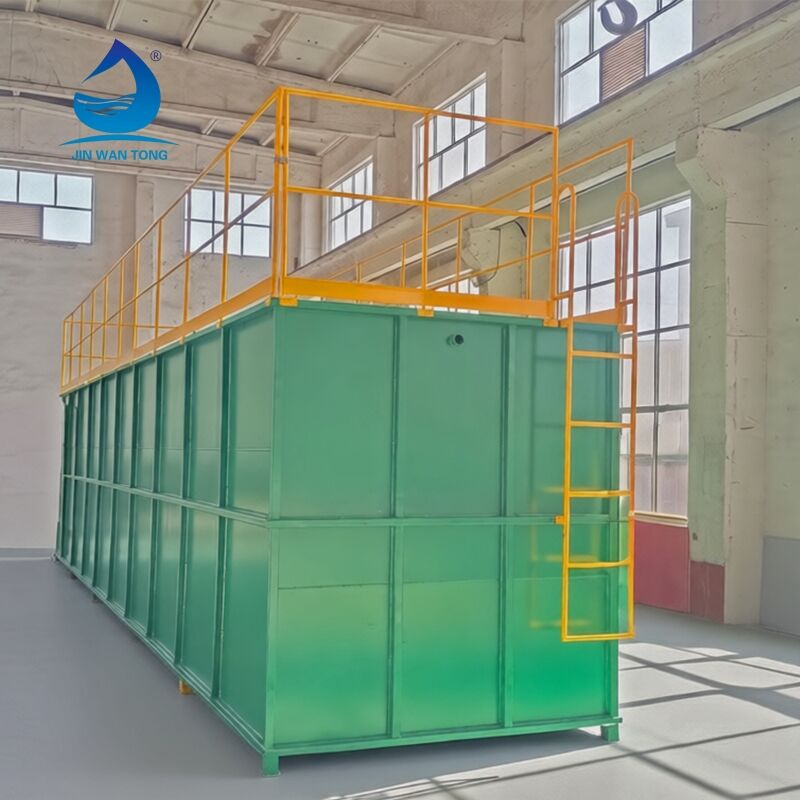
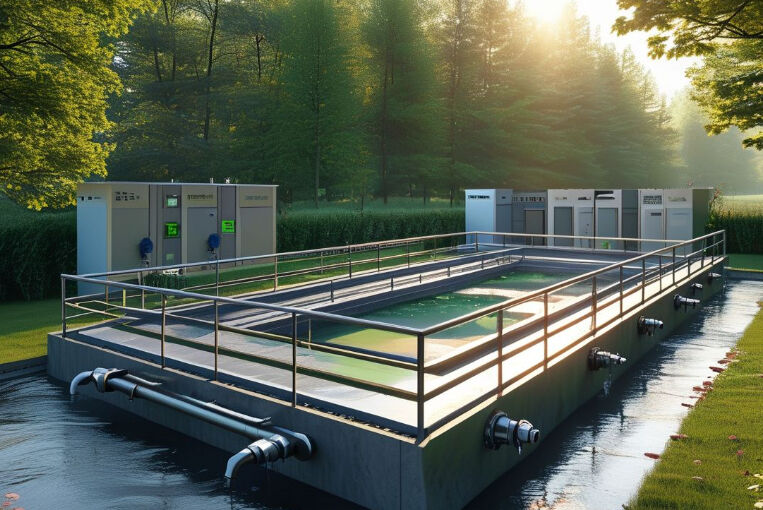
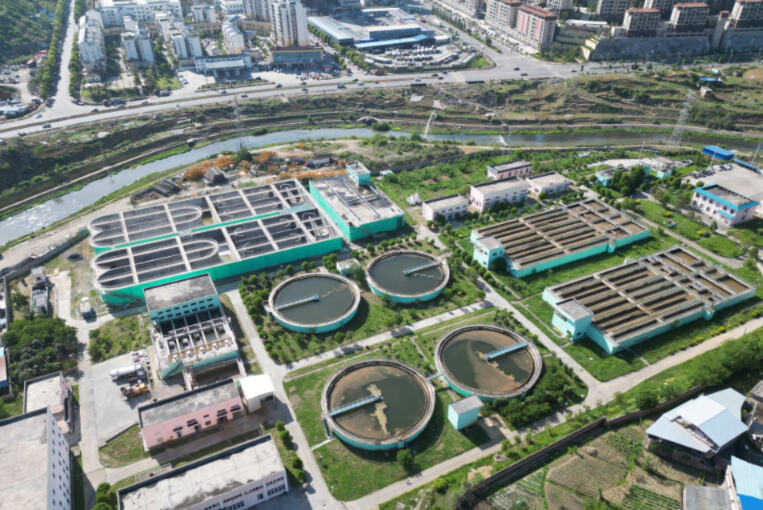
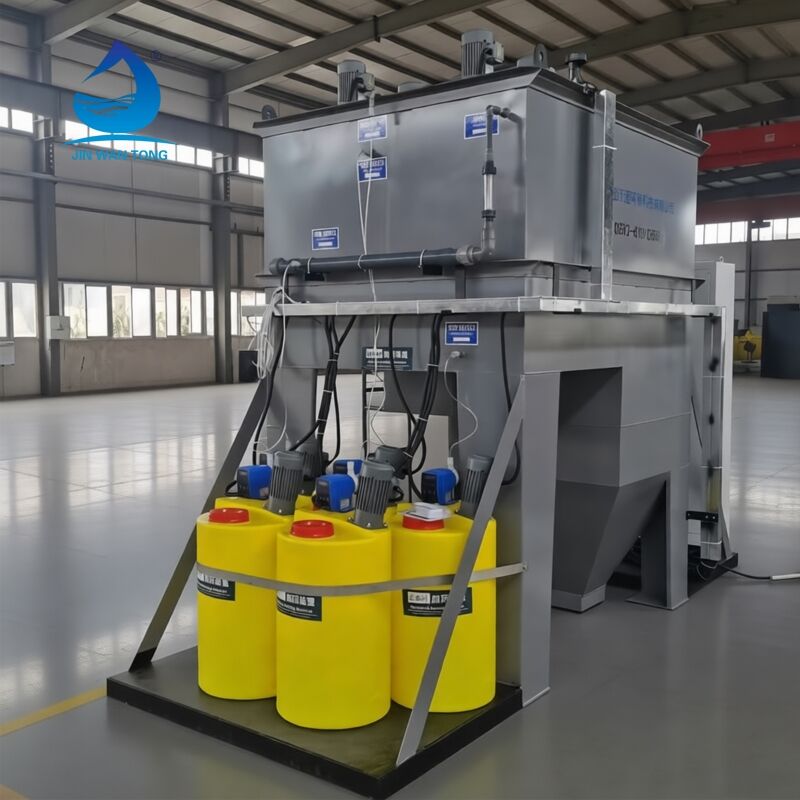
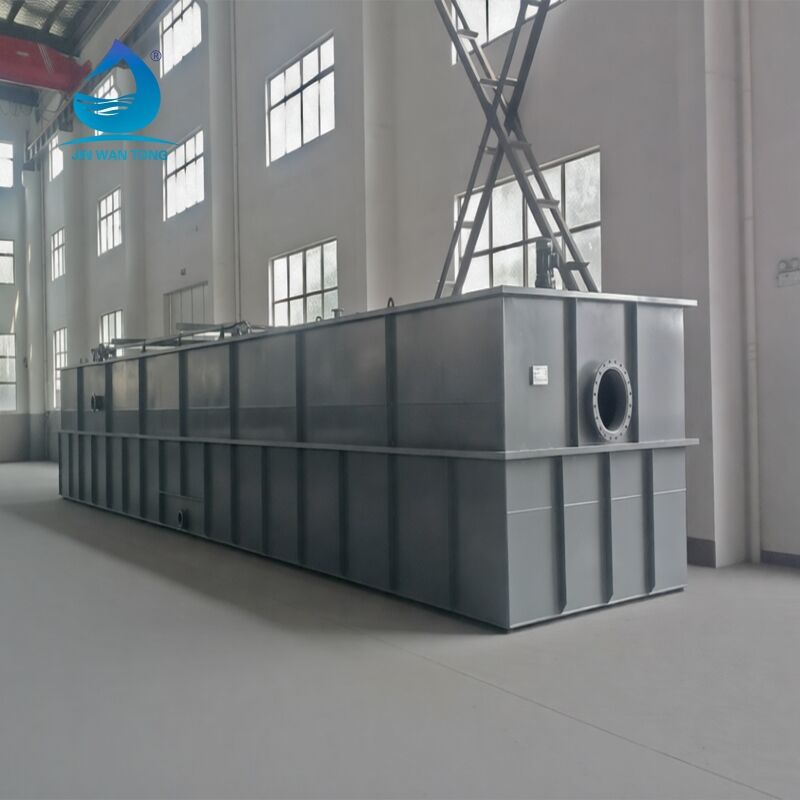
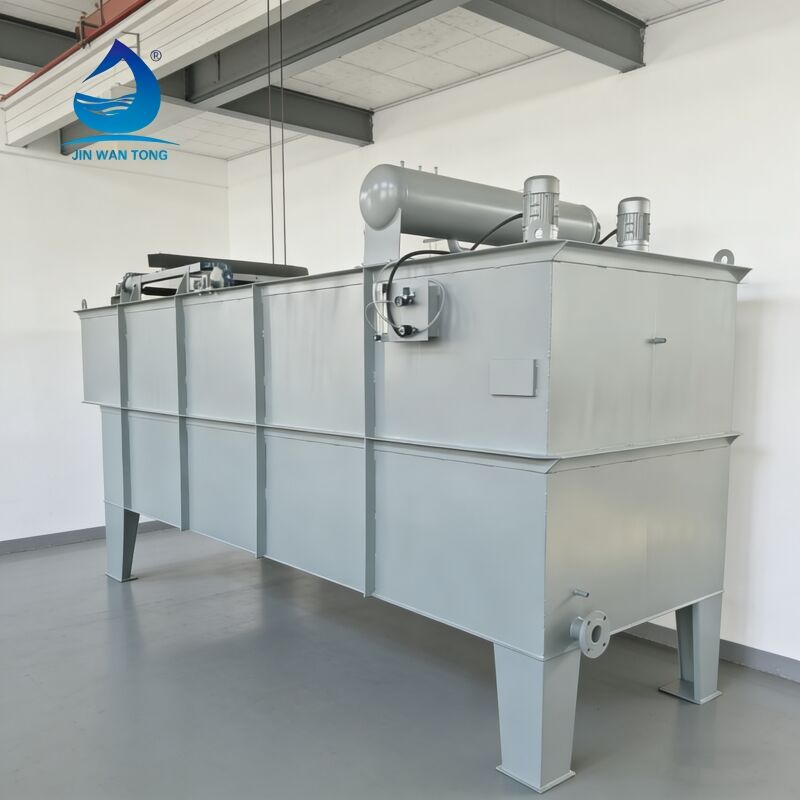
Dissolved air flotation and filtration represents a cutting-edge water treatment technology that combines two powerful processes to achieve exceptional contaminant removal efficiency. This innovative system operates by introducing microscopic air bubbles into water containing suspended particles, oils, greases, and other pollutants. The dissolved air flotation process begins when pressurized water becomes saturated with air under controlled conditions. When this pressurized water releases into the treatment tank at atmospheric pressure, countless tiny bubbles form and attach to contaminant particles, creating a buoyant force that lifts pollutants to the water surface. The filtration component then captures remaining particles through various media, ensuring comprehensive purification. The main functions of dissolved air flotation and filtration include removing suspended solids, eliminating oils and greases, reducing biochemical oxygen demand, clarifying turbid water, and concentrating sludge for easier disposal. Key technological features encompass precise pressure control systems, efficient bubble generation mechanisms, optimized retention time management, and integrated filtration media selection. The system operates continuously with minimal supervision, automatically adjusting parameters based on influent characteristics. Applications span across municipal wastewater treatment plants, industrial process water purification, food and beverage manufacturing, petroleum refining facilities, paper and pulp production, and drinking water preparation. The technology proves particularly effective for treating emulsified oils, fine suspended particles, algae, and other difficult-to-separate contaminants. Modern dissolved air flotation and filtration systems incorporate advanced monitoring capabilities, allowing operators to track performance metrics in real-time. The process achieves remarkable removal efficiencies, often exceeding 95 percent for targeted contaminants while maintaining consistent water quality standards across varying operating conditions.
 EN
EN