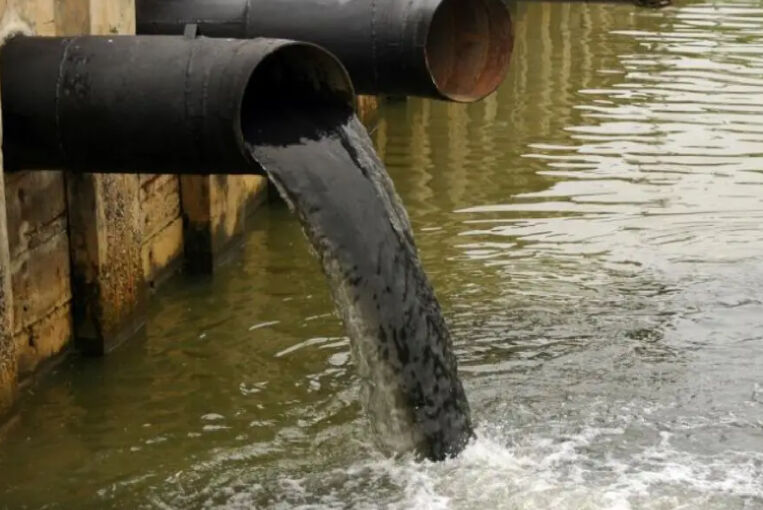
Dissolved Air Flotation Filtration Systems: Advanced Water Treatment Technology Solutions

All Categories

Get a Free Quote

Our representative will contact you soon.
Email
Name
Company Name
Message
0/1000

dissolved air flotation filtration

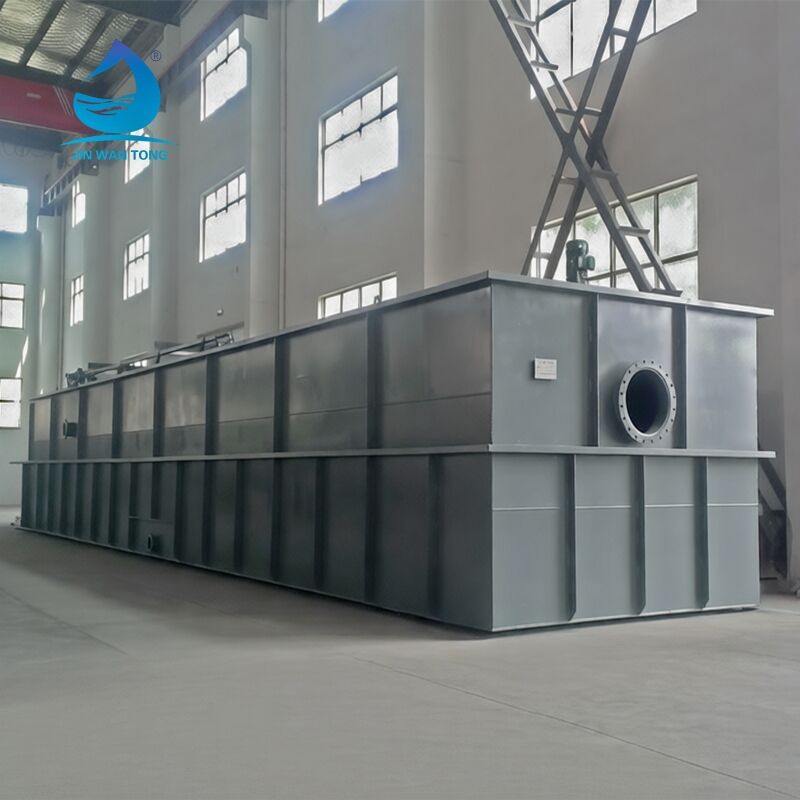
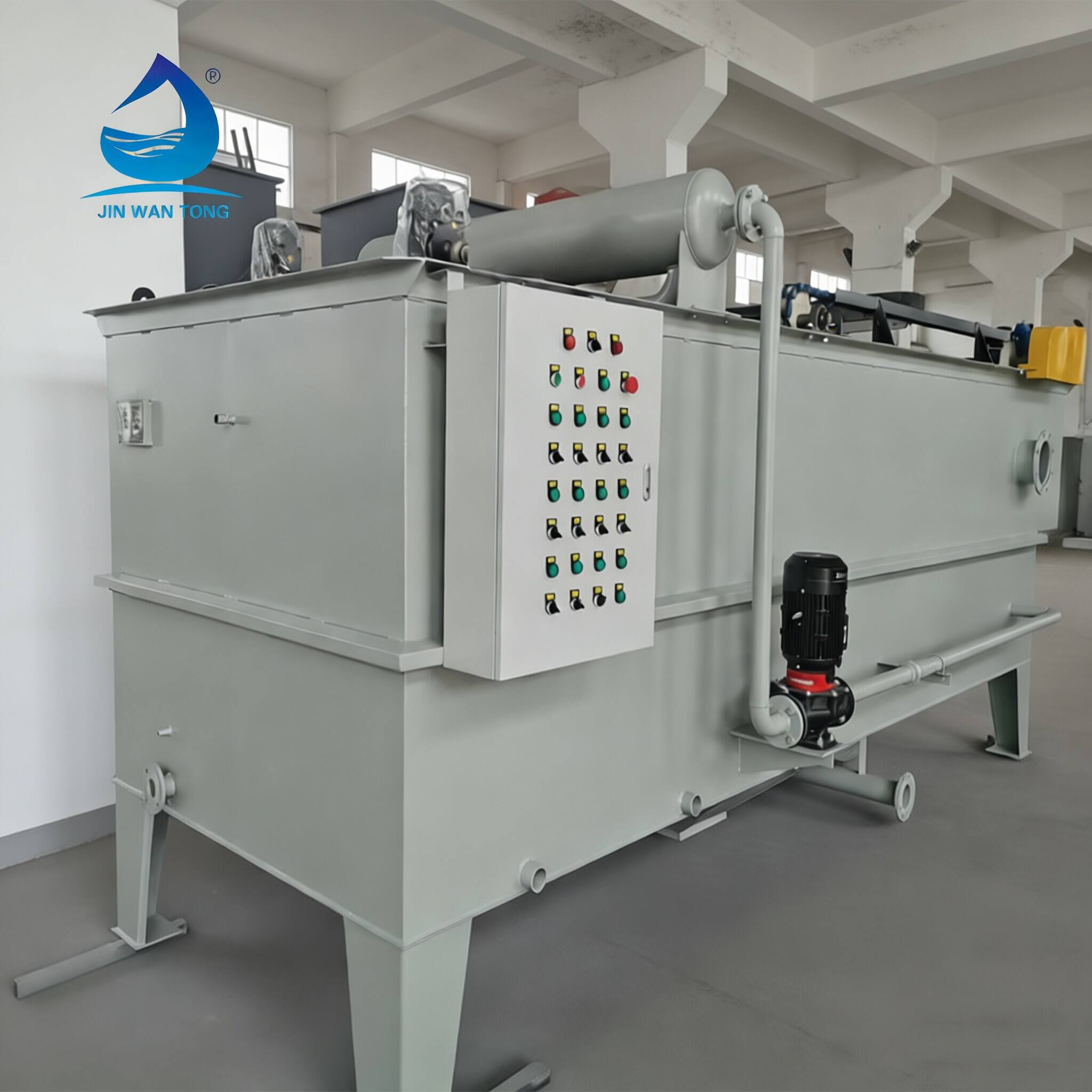
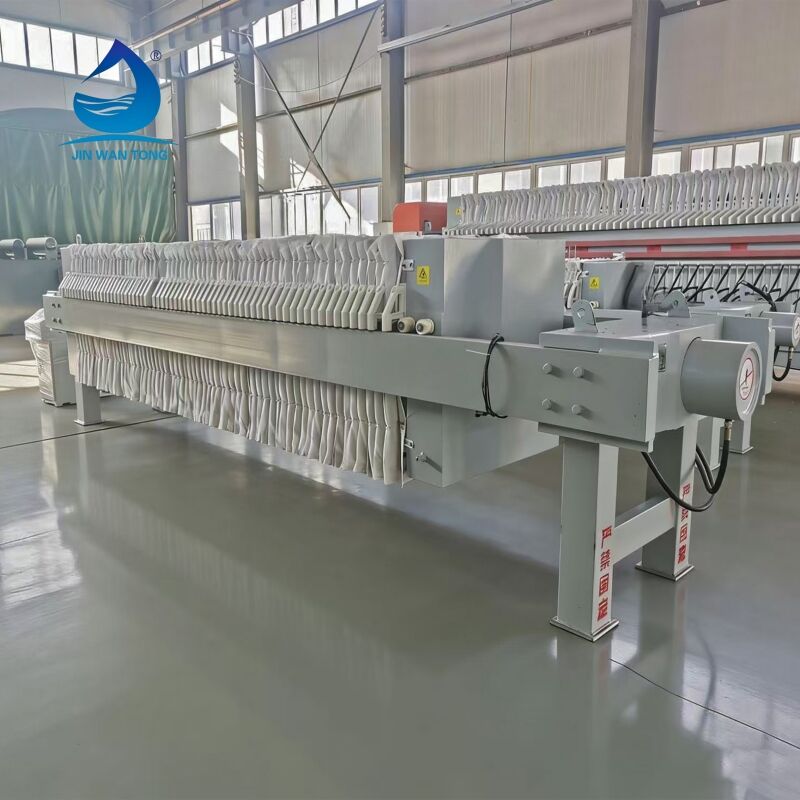
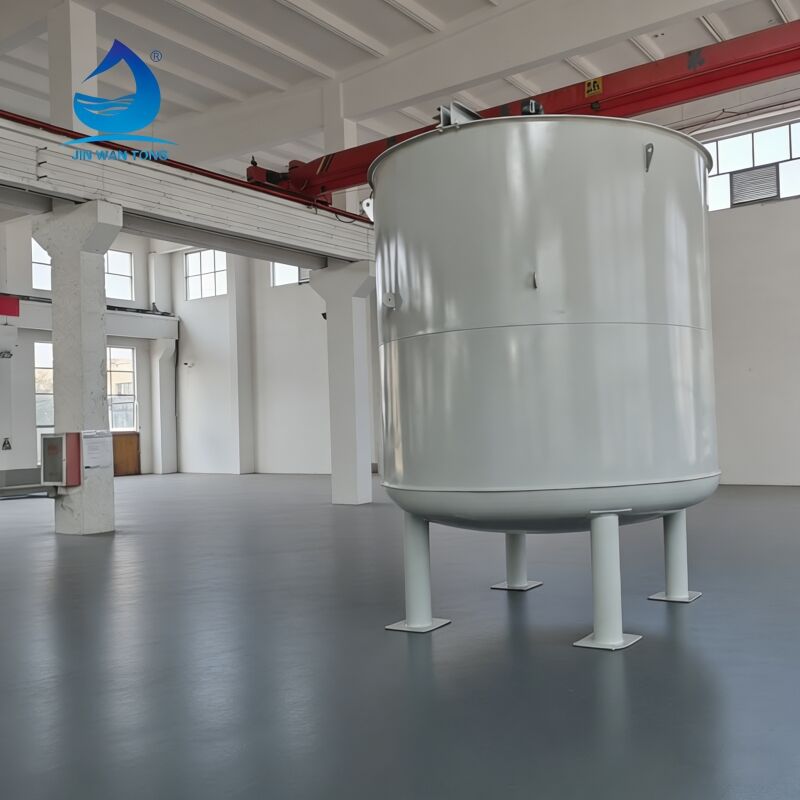
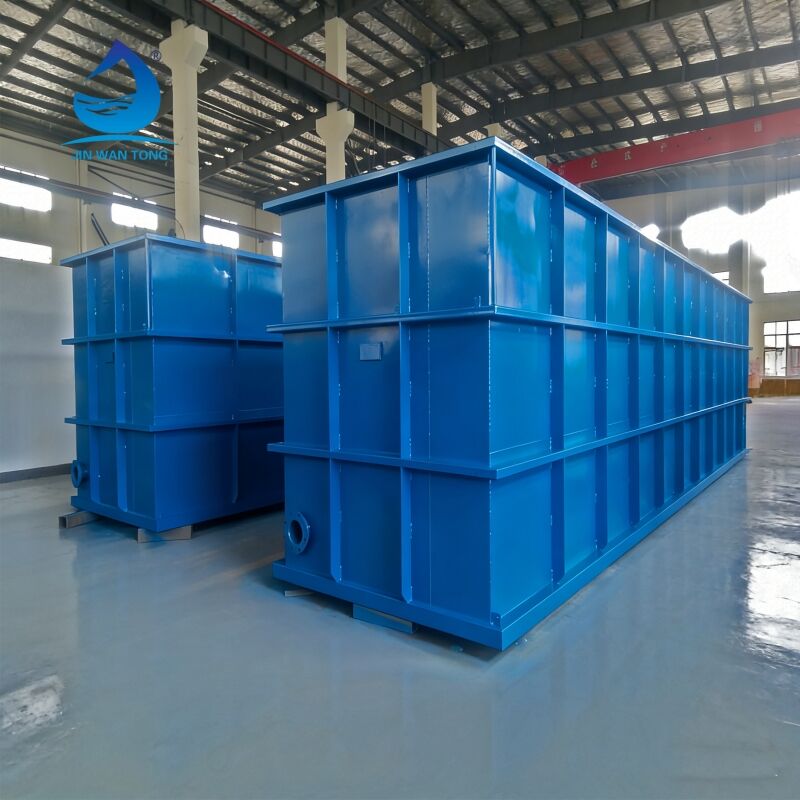
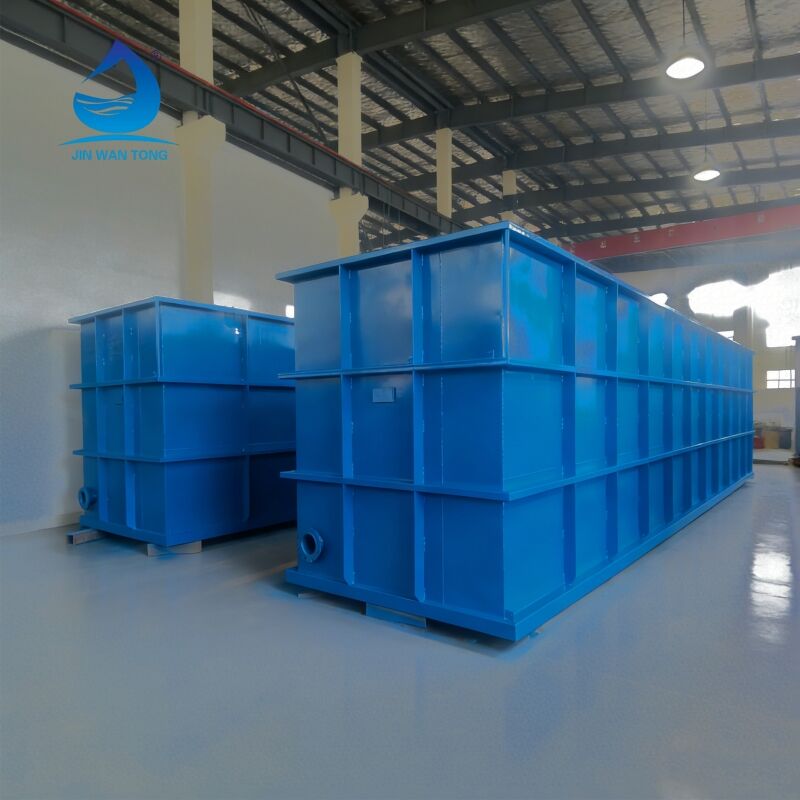
Dissolved air flotation filtration represents a highly effective water treatment technology that removes suspended solids, oils, greases, and other contaminants from wastewater and industrial process water. This advanced system operates by introducing microscopic air bubbles into contaminated water, creating a flotation process that separates pollutants from clean water. The dissolved air flotation filtration process begins when pressurized water becomes saturated with air under high pressure conditions. When this supersaturated water enters the flotation tank at atmospheric pressure, tiny air bubbles form and attach to suspended particles, oils, and other contaminants. These bubble-particle combinations become buoyant and rise to the water surface, forming a concentrated sludge layer that can be easily removed through mechanical skimming systems. The main functions of dissolved air flotation filtration include primary clarification, secondary treatment enhancement, and tertiary polishing applications. This technology excels at removing low-density particles that traditional sedimentation processes cannot handle effectively. The technological features of dissolved air flotation filtration systems include precise pressure control mechanisms, efficient air saturation systems, optimized hydraulic retention times, and automated sludge removal capabilities. Modern dissolved air flotation filtration units incorporate advanced control systems that monitor water quality parameters, adjust chemical dosing rates, and optimize flotation conditions for maximum efficiency. Applications for dissolved air flotation filtration span numerous industries including municipal wastewater treatment, food and beverage processing, petroleum refining, chemical manufacturing, pulp and paper production, and mining operations. The versatility of dissolved air flotation filtration makes it suitable for treating various water types, from heavily contaminated industrial effluents to potable water preparation processes.
Popular Products

Dissolved air flotation filtration offers numerous practical advantages that make it an superior choice for water treatment applications across diverse industries. The primary benefit of dissolved air flotation filtration lies in its exceptional removal efficiency for suspended solids, achieving removal rates of up to 95 percent for particles as small as 10 microns. This high-performance capability translates directly into cleaner effluent water and reduced environmental impact for businesses implementing this technology. The compact design of dissolved air flotation filtration systems provides significant space savings compared to traditional clarification methods. These systems require substantially less footprint area while delivering superior treatment results, making them ideal for facilities with limited space constraints or urban locations where real estate costs are premium considerations. Operating costs remain remarkably low with dissolved air flotation filtration due to minimal energy requirements and reduced chemical consumption. The technology operates efficiently at low hydraulic retention times, typically processing water in 15-30 minutes compared to several hours required by conventional settling systems. This rapid processing capability increases throughput capacity and reduces overall treatment facility size requirements. Maintenance requirements for dissolved air flotation filtration systems are minimal, featuring robust construction with few moving parts that require regular servicing. The automated sludge removal mechanisms reduce labor costs and ensure consistent system performance without constant operator intervention. Water quality improvements achieved through dissolved air flotation filtration consistently meet or exceed regulatory discharge standards, protecting businesses from potential compliance violations and associated penalties. The technology effectively removes oils, greases, suspended solids, and other contaminants that could otherwise cause environmental damage or regulatory issues. Flexibility represents another key advantage of dissolved air flotation filtration, as systems can be easily adjusted to handle varying flow rates and contamination levels. This adaptability ensures optimal performance across different operational conditions and seasonal variations in water treatment demands. The gentle treatment process preserves beneficial microorganisms in biological treatment applications while effectively removing unwanted contaminants, supporting overall system efficiency and biological activity maintenance.

Latest News

Overview of the Agricultural Wastewater Treatment Market

17

Dec

Overview of the Agricultural Wastewater Treatment Market

View More
Global Real-Time Wastewater Treatment Update

17

Dec

Global Real-Time Wastewater Treatment Update

View More
Navigating the Waters: The Role of an Industrial Wastewater Treatment Plant

17

Dec

Navigating the Waters: The Role of an Industrial Wastewater Treatment Plant

View More

Get a Free Quote

Our representative will contact you soon.
Email
Name
Company Name
Message
0/1000

dissolved air flotation filtration

Superior Contaminant Removal Performance

Superior Contaminant Removal Performance

Dissolved air flotation filtration delivers exceptional contaminant removal performance that surpasses conventional water treatment methods in both efficiency and reliability. The core strength of dissolved air flotation filtration lies in its ability to generate millions of microscopic air bubbles that create optimal conditions for particle separation and removal. These tiny bubbles, typically measuring 10-100 microns in diameter, provide enormous surface area for contaminant attachment and flotation. The bubble-to-particle ratio in dissolved air flotation filtration systems can be precisely controlled to match specific water quality conditions and contamination levels, ensuring maximum removal efficiency for each application. This sophisticated bubble generation process enables dissolved air flotation filtration to remove particles with specific gravity very close to water, including fine suspended solids, algae, oils, and emulsified substances that traditional settling processes cannot effectively capture. The removal efficiency of dissolved air flotation filtration consistently achieves 90-98 percent reduction in suspended solids, 85-95 percent reduction in biochemical oxygen demand, and up to 99 percent removal of oils and greases. These impressive performance metrics translate into significant environmental benefits and regulatory compliance assurance for industrial and municipal applications. The technology particularly excels at removing low-density contaminants that would otherwise pass through conventional treatment systems, including fine particulates, colloidal matter, and emulsified oils that pose persistent water quality challenges. Advanced dissolved air flotation filtration systems incorporate multiple-stage treatment capabilities that address complex contamination scenarios involving mixed pollutant types and varying particle sizes. The consistent performance of dissolved air flotation filtration across different operating conditions ensures reliable treatment results regardless of seasonal variations, flow rate fluctuations, or contamination level changes that commonly affect water treatment facility operations.
Cost-Effective Operation and Maintenance

Cost-Effective Operation and Maintenance

Dissolved air flotation filtration systems provide exceptional cost-effectiveness through reduced operational expenses, minimal maintenance requirements, and optimized resource utilization that delivers long-term financial benefits for water treatment facilities. The energy efficiency of dissolved air flotation filtration stems from its low-pressure operation requirements and minimal pumping needs compared to alternative treatment technologies. Most dissolved air flotation filtration systems operate at pressures between 40-80 PSI, significantly lower than high-pressure membrane systems or intensive aeration processes, resulting in substantial electricity cost savings over the system lifecycle. The rapid processing capability of dissolved air flotation filtration reduces facility infrastructure requirements and associated capital costs by achieving effective treatment in compact timeframes. Traditional clarification processes require large settling basins with retention times of 2-6 hours, while dissolved air flotation filtration completes equivalent treatment in 15-45 minutes, dramatically reducing required tank volumes and construction costs. Chemical consumption in dissolved air flotation filtration applications typically decreases by 20-40 percent compared to conventional coagulation-flocculation processes due to the enhanced particle collision and agglomeration facilitated by the bubble flotation mechanism. This reduction in chemical usage not only lowers operating costs but also minimizes chemical handling risks and environmental impact from chemical residuals in treated water. Maintenance costs remain minimal throughout the operational life of dissolved air flotation filtration systems due to their robust design featuring corrosion-resistant materials and few mechanical components subject to wear. The automated operation capabilities of modern dissolved air flotation filtration systems reduce labor costs by minimizing required operator intervention and enabling remote monitoring and control capabilities. Sludge handling costs decrease significantly with dissolved air flotation filtration because the concentrated sludge produced contains higher solids content and lower water content compared to traditional settling processes, reducing disposal volumes and associated transportation expenses while potentially creating opportunities for beneficial sludge reuse or energy recovery applications.
Versatile Applications and Environmental Benefits

Versatile Applications and Environmental Benefits

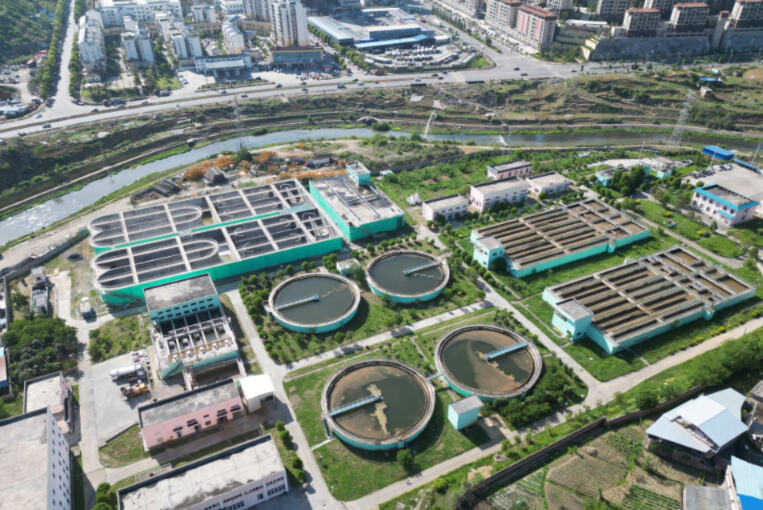
Dissolved air flotation filtration demonstrates remarkable versatility across diverse industrial applications while delivering substantial environmental benefits that support sustainability goals and regulatory compliance requirements. The adaptability of dissolved air flotation filtration makes it suitable for treating various water types, from heavily contaminated industrial wastewater to sensitive potable water treatment applications requiring precise contaminant removal without affecting beneficial water characteristics. Municipal wastewater treatment facilities utilize dissolved air flotation filtration for primary clarification, thickening activated sludge, and tertiary treatment applications that achieve advanced nutrient removal and water quality polishing. The technology effectively removes phosphorus, suspended solids, and other pollutants that contribute to water body eutrophication and environmental degradation. Industrial applications of dissolved air flotation filtration span petroleum refining operations where oil-water separation is critical, food processing facilities requiring grease and organic matter removal, chemical manufacturing plants dealing with complex contaminant mixtures, and mining operations addressing heavy metals and suspended solids in process water. Each application benefits from the customizable nature of dissolved air flotation filtration systems that can be optimized for specific contaminant types and removal requirements. Environmental benefits of dissolved air flotation filtration include significant reductions in water pollution discharge, decreased chemical usage compared to alternative treatment methods, and efficient resource recovery opportunities through concentrated sludge production. The gentle treatment process preserves water quality characteristics while removing harmful contaminants, supporting ecosystem protection and sustainable water management practices. The compact footprint of dissolved air flotation filtration systems reduces land use requirements and enables treatment facility installation in environmentally sensitive areas where space constraints limit treatment options. Energy efficiency characteristics of dissolved air flotation filtration contribute to reduced greenhouse gas emissions and support corporate sustainability initiatives while maintaining superior treatment performance. The technology enables water recycling and reuse applications by producing high-quality treated water suitable for various non-potable uses, reducing freshwater consumption demands and supporting circular economy principles in industrial water management strategies.
Dissolved Air Flotation Filtration Systems: Advanced Water Treatment Technology Solutions

Get a Free Quote

Our representative will contact you soon.
Email
Name
Company Name
Message
0/1000