MBR Water Treatment Systems: Advanced Membrane Bioreactor Technology for Superior Wastewater Management

All Categories

Get a Free Quote

Our representative will contact you soon.
Email
Name
Company Name
Message
0/1000

mbr water treatment

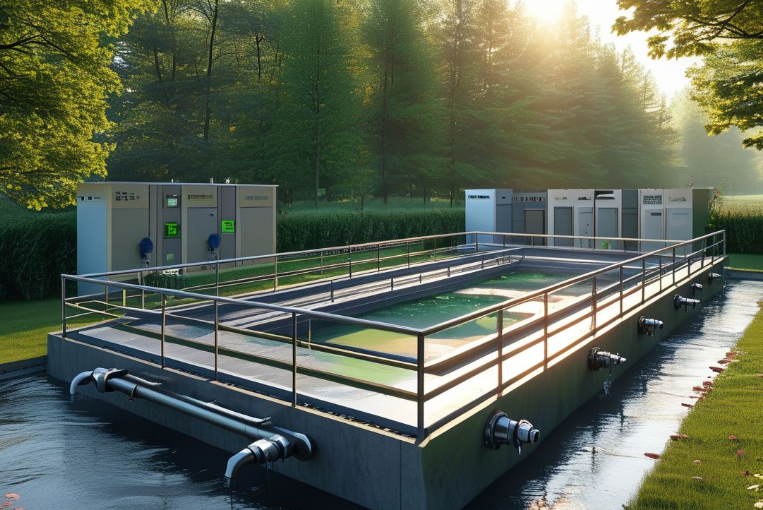
MBR water treatment represents a revolutionary approach to wastewater management that combines biological treatment processes with advanced membrane filtration technology. This innovative system integrates conventional activated sludge treatment with microfiltration or ultrafiltration membranes, creating a highly efficient water purification solution. The MBR water treatment process operates by utilizing microorganisms to break down organic pollutants while simultaneously employing semi-permeable membranes to physically separate clean water from contaminants. The biological component of MBR water treatment involves carefully cultivated bacterial communities that consume organic matter, nitrogen, and phosphorus compounds present in wastewater. These microorganisms work continuously within specially designed bioreactors, maintaining optimal conditions for biodegradation. The membrane component features precisely engineered pores that allow water molecules to pass through while blocking bacteria, viruses, suspended solids, and larger organic compounds. This dual-action approach ensures exceptional water quality that often exceeds traditional treatment methods. MBR water treatment systems can be configured as submerged or external membrane arrangements, depending on specific application requirements. Submerged configurations place membranes directly within the biological reactor, while external systems circulate mixed liquor through separate membrane modules. The technology operates under controlled pressure conditions, typically ranging from 0.1 to 0.5 bar for microfiltration applications. Modern MBR water treatment installations incorporate sophisticated monitoring systems that track key performance indicators including transmembrane pressure, dissolved oxygen levels, mixed liquor suspended solids concentration, and permeate flow rates. These systems find extensive applications across municipal wastewater treatment facilities, industrial processing plants, commercial buildings, and decentralized treatment installations. The versatility of MBR water treatment makes it suitable for treating various wastewater types, from domestic sewage to complex industrial effluents containing challenging contaminants.

Popular Products

MBR water treatment delivers exceptional advantages that make it the preferred choice for modern wastewater management applications. The superior water quality produced by MBR water treatment systems consistently meets stringent discharge standards and enables direct water reuse opportunities. Unlike conventional treatment methods, MBR water treatment produces effluent with extremely low turbidity levels, typically below 1 NTU, and achieves over 99.9 percent removal of bacteria and viruses without requiring additional disinfection chemicals. This high-quality output makes the treated water suitable for irrigation, industrial processes, and even potable water applications with minimal additional treatment. The compact footprint of MBR water treatment systems provides significant space savings compared to traditional treatment facilities. These systems eliminate the need for secondary clarifiers, reducing overall plant area requirements by up to 50 percent while maintaining equivalent or superior treatment capacity. This space efficiency makes MBR water treatment particularly valuable for urban installations where land availability is limited and costly. The operational flexibility of MBR water treatment systems allows for easy capacity adjustments and process optimization based on changing influent characteristics or discharge requirements. Plant operators can modify hydraulic retention times, solid retention times, and membrane cleaning protocols to optimize performance for specific conditions. The biological component of MBR water treatment maintains stable operation even during seasonal variations or unexpected loading changes, ensuring consistent treatment performance throughout the year. Lower sludge production represents another significant advantage of MBR water treatment systems. The extended solid retention times possible with membrane separation allow for enhanced biological activity and reduced waste sludge generation compared to conventional activated sludge processes. This reduction in sludge production translates to lower disposal costs and reduced environmental impact. The automated operation capabilities of modern MBR water treatment systems minimize manual intervention requirements and reduce operational labor costs. Advanced control systems continuously monitor and adjust process parameters, maintaining optimal performance while alerting operators to any required maintenance activities. The modular design of MBR water treatment systems enables phased construction and easy expansion as treatment demands increase, providing excellent scalability for growing communities and expanding industrial operations.

Tips And Tricks

Overview of the Agricultural Wastewater Treatment Market

17

Dec

Overview of the Agricultural Wastewater Treatment Market

View More
Global Real-Time Wastewater Treatment Update

17

Dec

Global Real-Time Wastewater Treatment Update

View More
Navigating the Waters: The Role of an Industrial Wastewater Treatment Plant

17

Dec

Navigating the Waters: The Role of an Industrial Wastewater Treatment Plant

View More

Get a Free Quote

Our representative will contact you soon.
Email
Name
Company Name
Message
0/1000

mbr water treatment

Advanced Membrane Technology for Superior Filtration Performance

Advanced Membrane Technology for Superior Filtration Performance

The membrane technology utilized in MBR water treatment systems represents the pinnacle of filtration engineering, delivering unmatched separation efficiency and consistent water quality results. These specialized membranes feature precisely controlled pore sizes ranging from 0.01 to 0.4 micrometers, effectively creating a physical barrier that prevents the passage of suspended solids, bacteria, viruses, and colloidal particles while allowing clean water molecules to pass through freely. The membrane materials used in MBR water treatment applications are typically composed of advanced polymeric compounds such as polyvinylidene fluoride, polyethersulfone, or ceramic materials, each selected for their durability, chemical resistance, and optimal permeability characteristics. The manufacturing process for these membranes involves sophisticated techniques including phase inversion, stretching, and track-etching to create uniform pore structures that maintain consistent performance over extended operational periods. The hollow fiber membrane configuration commonly employed in MBR water treatment systems maximizes surface area while minimizing space requirements, with each membrane module containing thousands of individual hollow fibers that provide exceptional filtration capacity. The submerged membrane design eliminates the need for high-pressure pumps typically required in conventional membrane systems, reducing energy consumption and mechanical complexity while maintaining excellent separation efficiency. Regular membrane cleaning protocols ensure sustained performance, with automated backwashing cycles removing accumulated fouling materials and chemical cleaning procedures restoring optimal permeability when required. The longevity of membranes in MBR water treatment applications typically ranges from 5 to 10 years under normal operating conditions, providing excellent return on investment and predictable replacement schedules for maintenance planning purposes. The modular membrane design allows for individual module replacement without shutting down entire treatment systems, ensuring continuous operation and minimizing service disruptions for critical applications requiring uninterrupted water treatment capacity.
Integrated Biological Treatment Process for Comprehensive Pollutant Removal

Integrated Biological Treatment Process for Comprehensive Pollutant Removal

The biological treatment component of MBR water treatment systems employs sophisticated microbial communities that efficiently degrade organic pollutants, remove nutrients, and transform harmful compounds into harmless byproducts through carefully controlled biochemical processes. The activated sludge process within MBR water treatment systems maintains high biomass concentrations, typically ranging from 8,000 to 15,000 mg/L mixed liquor suspended solids, which is significantly higher than conventional treatment systems and enables enhanced treatment efficiency within smaller reactor volumes. The extended solid retention times achievable with membrane separation allow for the cultivation of slow-growing microorganisms that can degrade complex organic compounds, including pharmaceuticals, personal care products, and industrial chemicals that are difficult to remove through conventional treatment methods. The biological nutrient removal capabilities of MBR water treatment systems excel at removing nitrogen and phosphorus compounds through carefully managed aerobic and anoxic conditions that promote nitrification, denitrification, and enhanced biological phosphorus removal processes. The membrane barrier in MBR water treatment systems completely retains all biomass within the bioreactor, preventing the loss of valuable microorganisms that might otherwise wash out during peak flow conditions or upset events, ensuring consistent treatment performance regardless of hydraulic loading variations. The high biomass concentration and complete biomass retention enable MBR water treatment systems to handle shock loads and toxic influent conditions more effectively than conventional systems, as the large microbial population provides greater buffering capacity and resilience against operational disturbances. The controlled environment within MBR water treatment bioreactors allows for optimization of operating parameters including dissolved oxygen levels, pH, temperature, and nutrient ratios to maximize biological activity and treatment efficiency while minimizing energy consumption and chemical addition requirements. The absence of secondary clarification requirements in MBR water treatment systems eliminates concerns about sludge settling characteristics and allows operators to focus entirely on optimizing biological processes for maximum pollutant removal effectiveness.
Versatile Applications and Scalable Design Solutions

Versatile Applications and Scalable Design Solutions

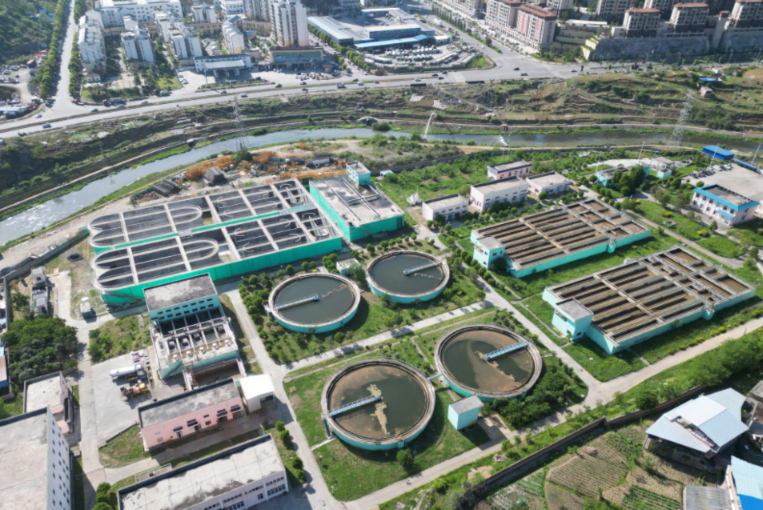
MBR water treatment technology demonstrates remarkable versatility across diverse applications, from small-scale residential developments to large municipal treatment facilities and complex industrial processing operations, making it the preferred solution for virtually any wastewater treatment challenge. Municipal applications of MBR water treatment systems effectively serve communities ranging from 1,000 to over 1,000,000 population equivalents, providing reliable treatment for domestic wastewater while producing high-quality effluent suitable for discharge to sensitive receiving waters or direct reuse applications including landscape irrigation, industrial cooling, and groundwater recharge programs. Industrial applications showcase the adaptability of MBR water treatment systems to handle complex wastewaters from food and beverage processing, pharmaceutical manufacturing, textile production, chemical processing, and automotive facilities, where conventional treatment methods often struggle with variable loading conditions and specialized contaminants requiring advanced treatment capabilities. The decentralized treatment capabilities of MBR water treatment systems make them ideal for remote locations, temporary installations, and areas lacking centralized infrastructure, with containerized and skid-mounted configurations available for rapid deployment and easy relocation as project requirements change or expand over time. The modular design philosophy underlying MBR water treatment systems enables seamless capacity expansion through the addition of parallel treatment trains or membrane modules, allowing facilities to grow incrementally as demand increases without requiring complete system replacement or extensive infrastructure modifications. The standardized component approach used in MBR water treatment systems simplifies procurement, reduces inventory requirements, and ensures consistent performance across multiple installations while enabling economies of scale for large-scale implementations across multiple sites or facilities. The retrofit applications of MBR water treatment technology allow existing conventional treatment plants to achieve significant capacity increases and improved effluent quality through the strategic integration of membrane systems with existing biological treatment infrastructure, often doubling treatment capacity within existing footprints while meeting increasingly stringent discharge requirements and enabling beneficial reuse applications that were previously impossible with conventional treatment technology alone.
MBR Water Treatment Systems: Advanced Membrane Bioreactor Technology for Superior Wastewater Management

Get a Free Quote

Our representative will contact you soon.
Email
Name
Company Name
Message
0/1000