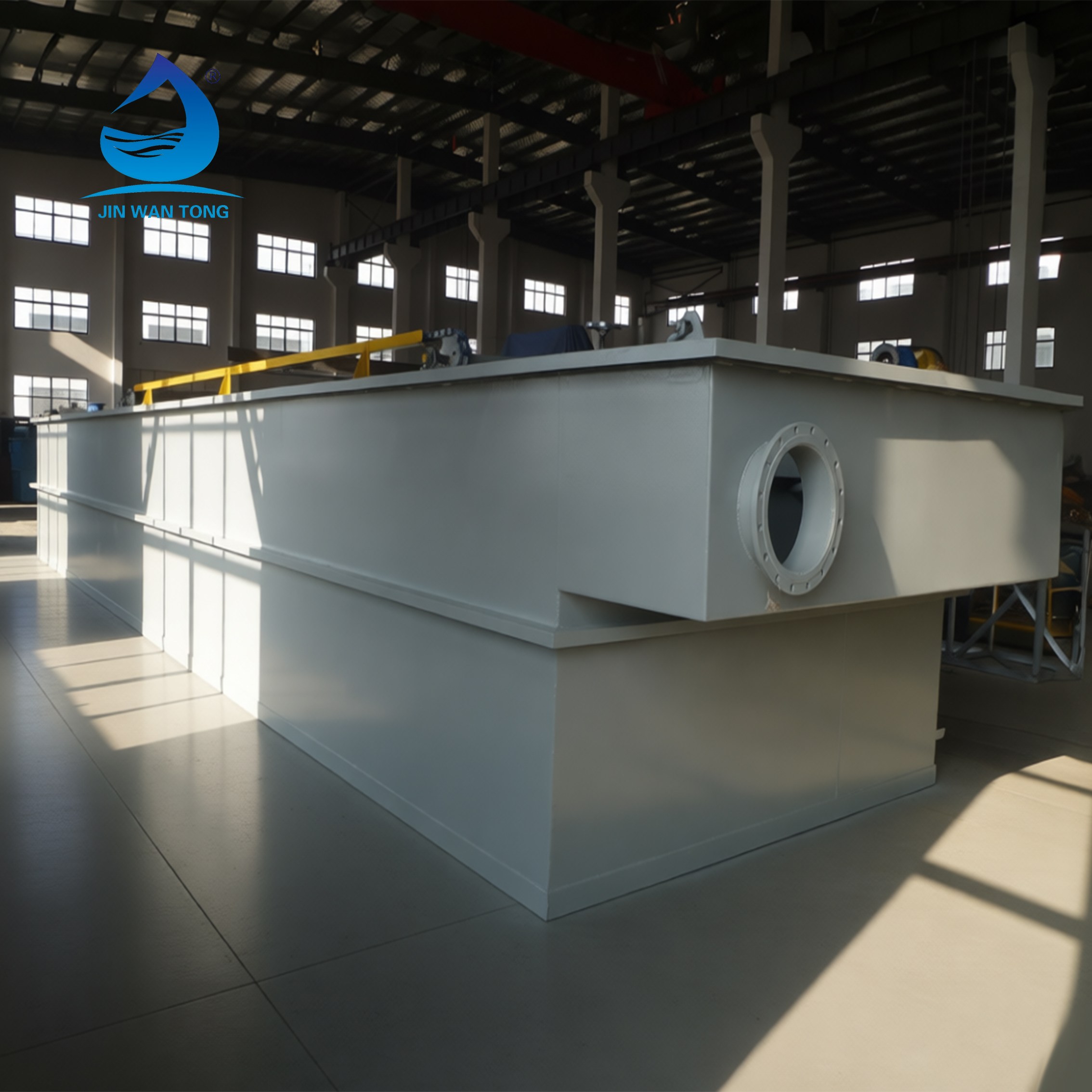
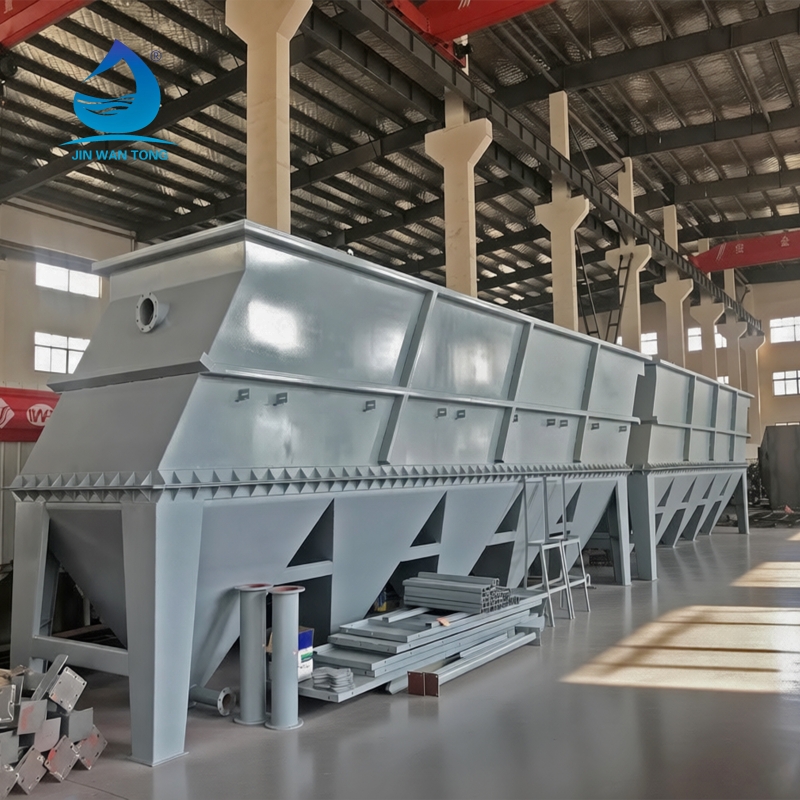
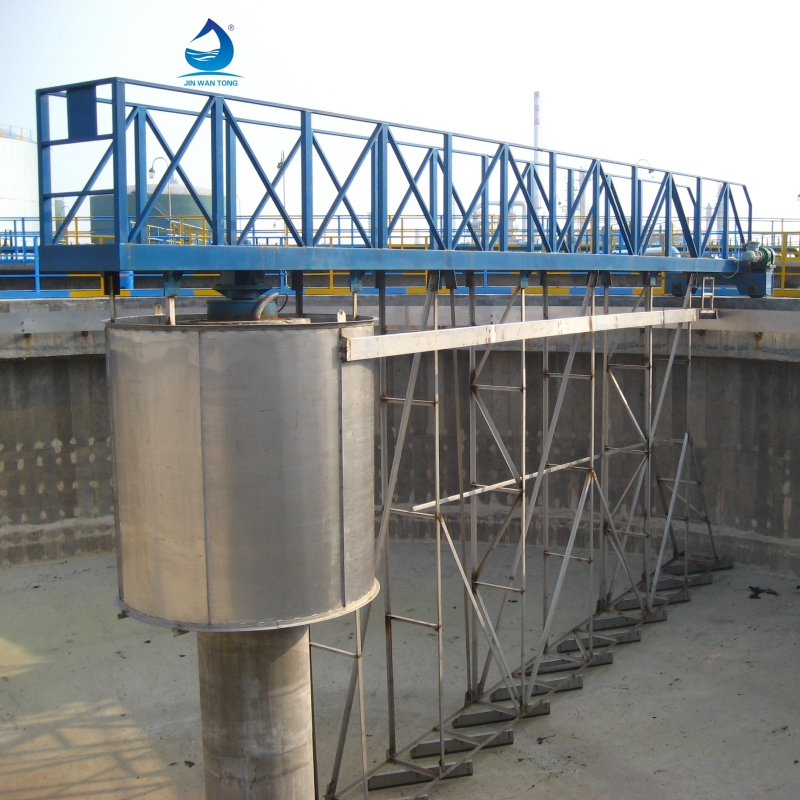
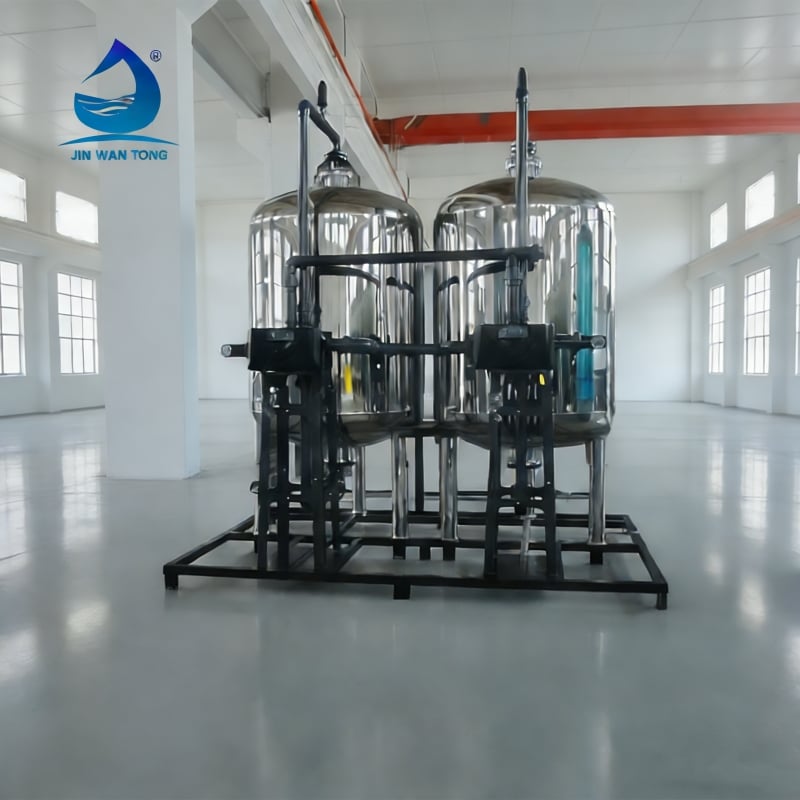
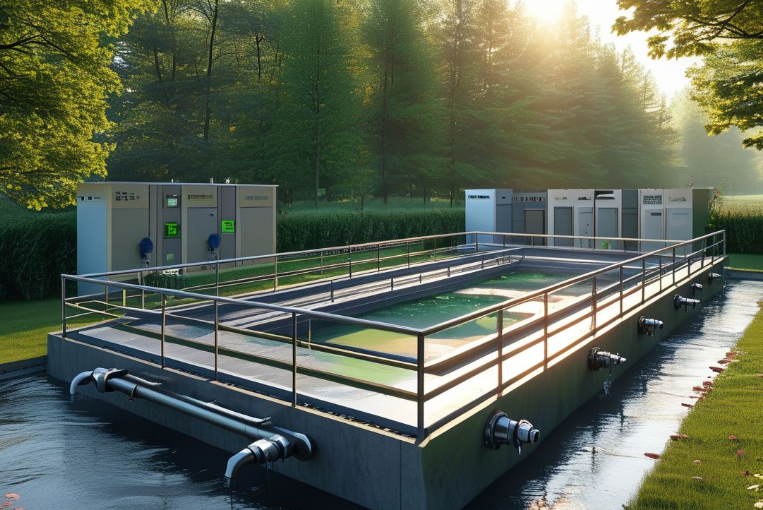
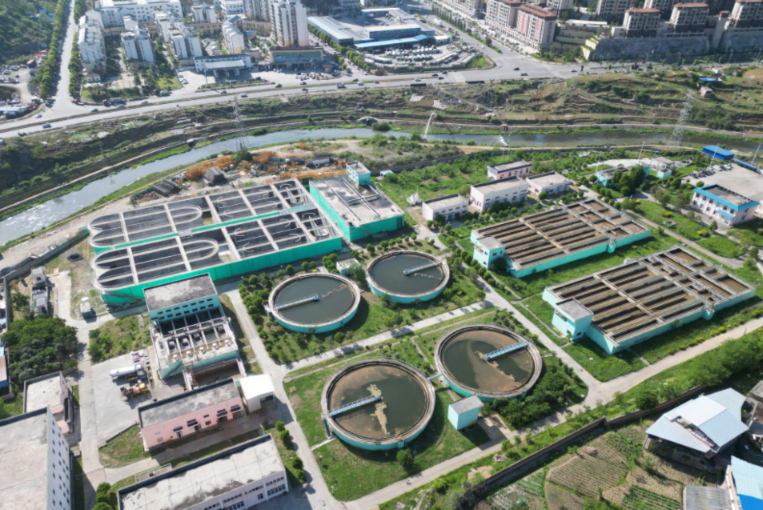
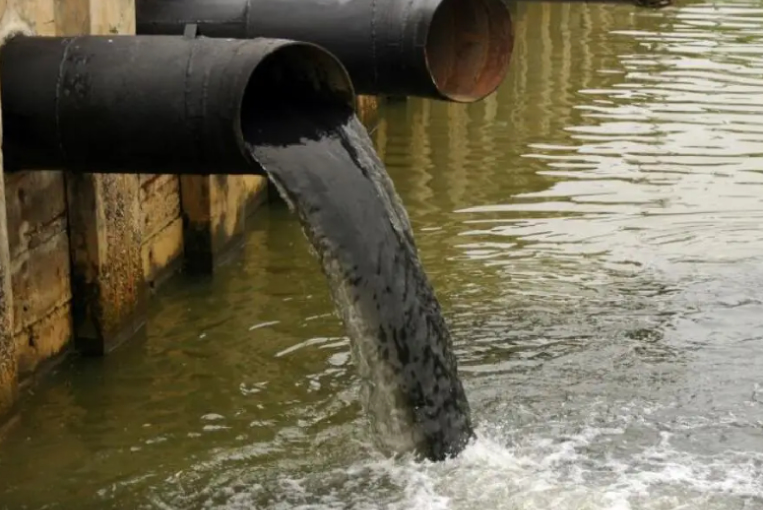
A commercial sewage treatment plant is a wastewater treatment system used for commercial buildings and facilities that generate domestic sewage or mixed commercial wastewater. Typical sources include toilets, kitchens, bathrooms, laundry areas, cleaning water and staff living areas. The goal is to remove organic pollutants, suspended solids, ammonia nitrogen, odor-causing substances and harmful microorganisms before discharge or possible reuse.
A typical process may include:
Commercial Sewage → Screening → Equalization → Biological Treatment → Clarification / Membrane → Disinfection → Discharge or ReuseThe first step is pretreatment. Screens remove large solids such as tissues, plastics and food residues. Equalization tanks balance flow and pollutant concentration because commercial facilities often have peak discharge periods. For hotels, restaurants or shopping centers with kitchen wastewater, grease traps, oil-water separators or DAF dissolved air flotation may be needed before biological treatment.
Biological treatment is the core of most commercial sewage systems. MBR technology combines activated sludge treatment with membrane separation, producing high-quality effluent and saving space. MBBR uses suspended biofilm carriers to improve biomass concentration and resistance to shock loading. SBR operates in timed cycles and is suitable for projects with variable flow. The best process depends on influent quality, available space, discharge standard, maintenance capacity and budget.
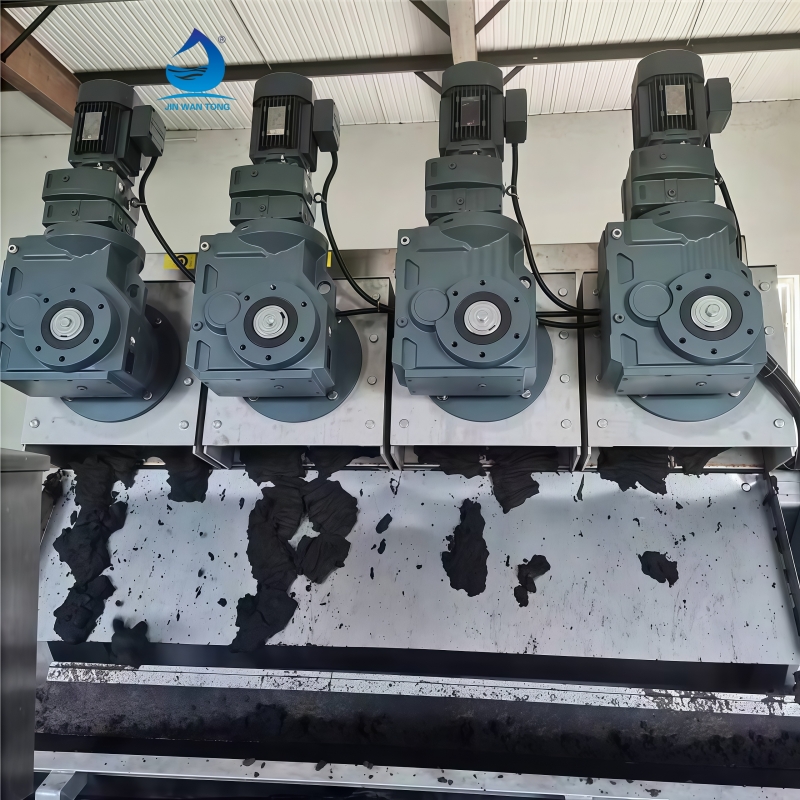
After biological treatment, clarification, filtration and disinfection may be added. Disinfection is especially important when treated water is discharged to sensitive areas or reused for irrigation, toilet flushing or landscape water. Sludge generated during treatment should be collected and discharged regularly. For larger commercial sites, sludge thickening or dewatering equipment may help reduce disposal volume.
Correct system selection requires accurate project data. Buyers should provide daily flow, peak flow, sewage source, COD, BOD, TSS, ammonia nitrogen, total nitrogen, phosphorus, oil content, pH, discharge standard, available land, power conditions, indoor or outdoor installation requirements and automation expectations. These parameters affect tank volume, aeration capacity, membrane area, carrier filling ratio, pump selection, control logic and final equipment cost.
It is important to avoid choosing a plant only by population or building area. Two hotels with the same number of rooms may have different wastewater loads due to restaurants, laundry, spa facilities or seasonal occupancy. A shopping mall with many food outlets may require stronger grease pretreatment than an office building.
Qingdao Jinwantong provides customized sewage and wastewater treatment equipment for B2B buyers. Send your flow rate, water quality report, site layout and discharge target to receive process selection, configuration advice and quotation support.
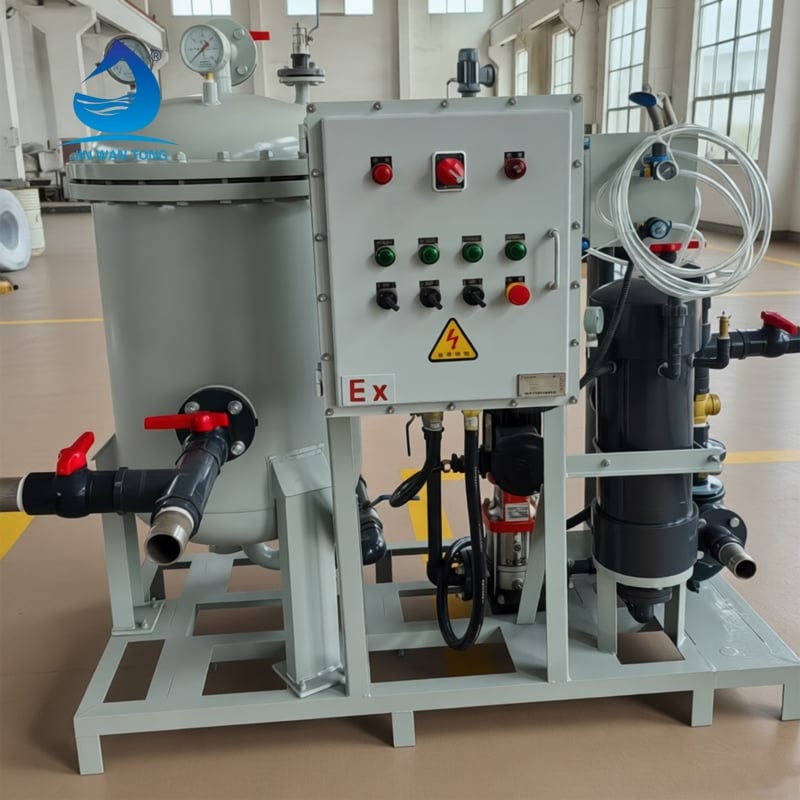
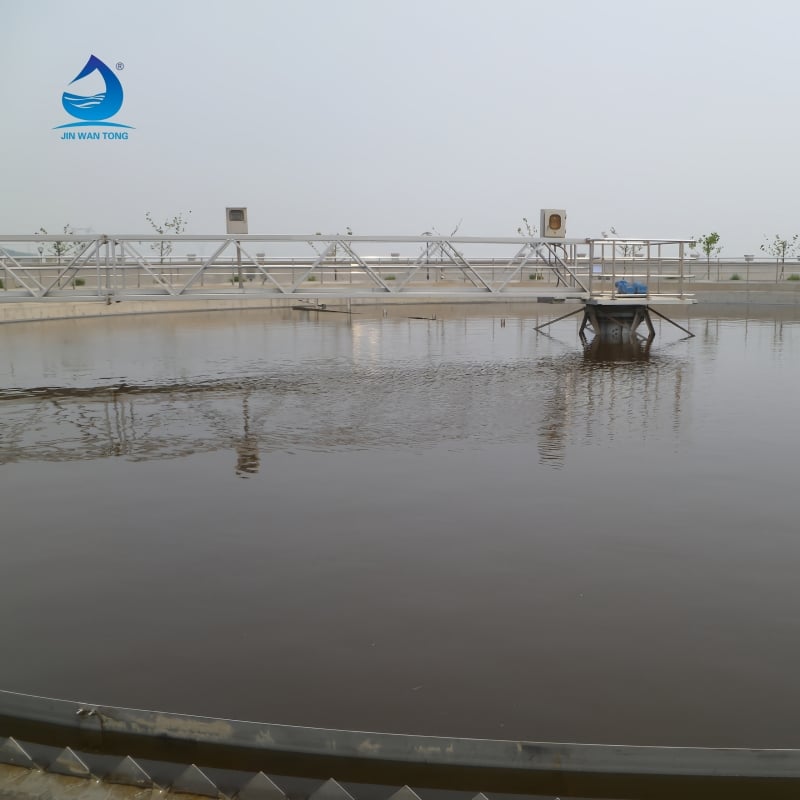
Qingdao Jinwantong provides industrial sewage treatment equipment for global clients. Our MBR, DAF, STP, and oil-water separation systems ensure compliance with national discharge standards. Trusted across 6 continents. Contact us today.
43,Cangnan Road, Cangma Town, Qingdao, Shandong, China
Copyright © 2026 Qingdao Jinwantong Environmental Science And Technology Co., Ltd. All rights reserved. Privacy Policy
 EN
EN