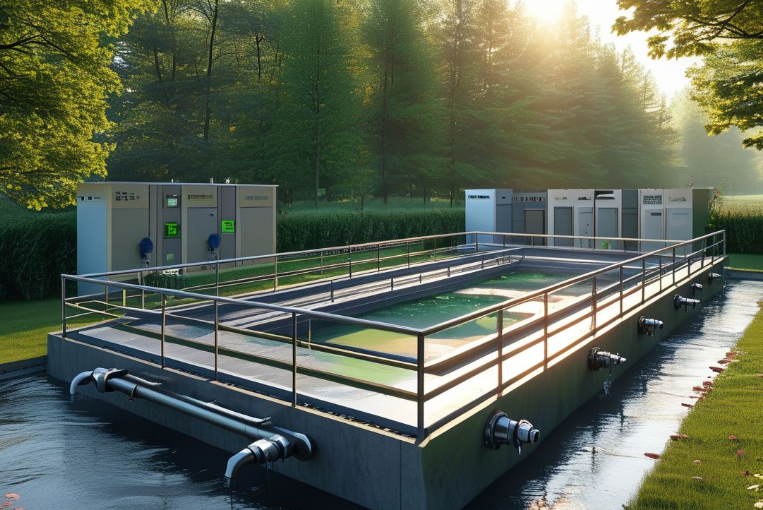
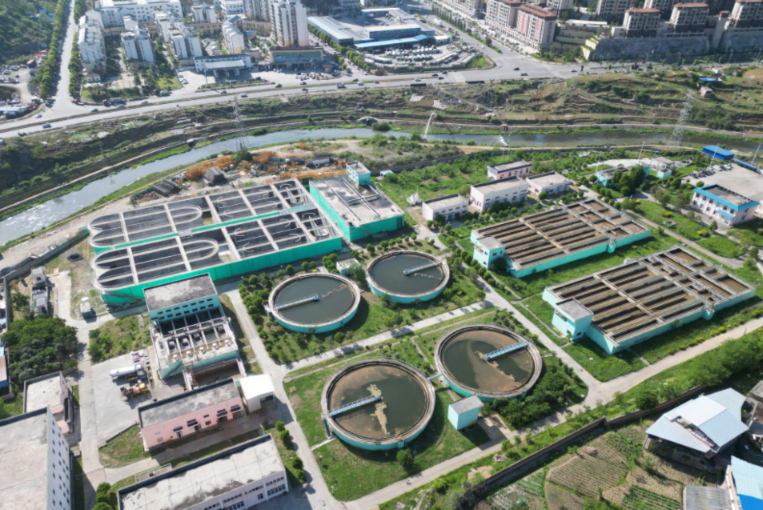
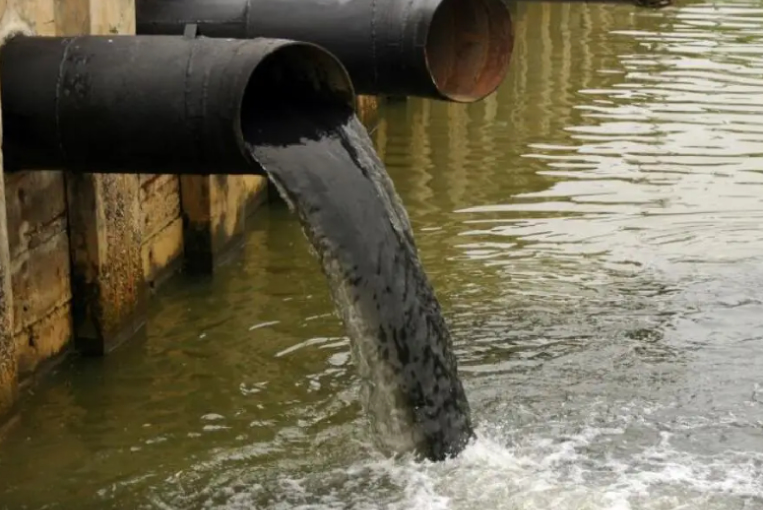
An eco-friendly wastewater treatment plant is a wastewater treatment system designed to reduce pollution discharge while improving operational efficiency, reliability and resource use. It does not mean a single fixed technology. Instead, it refers to a properly selected process combination that treats wastewater to the required standard with reasonable energy use, chemical consumption, sludge production and land occupation.
A typical treatment process may include:
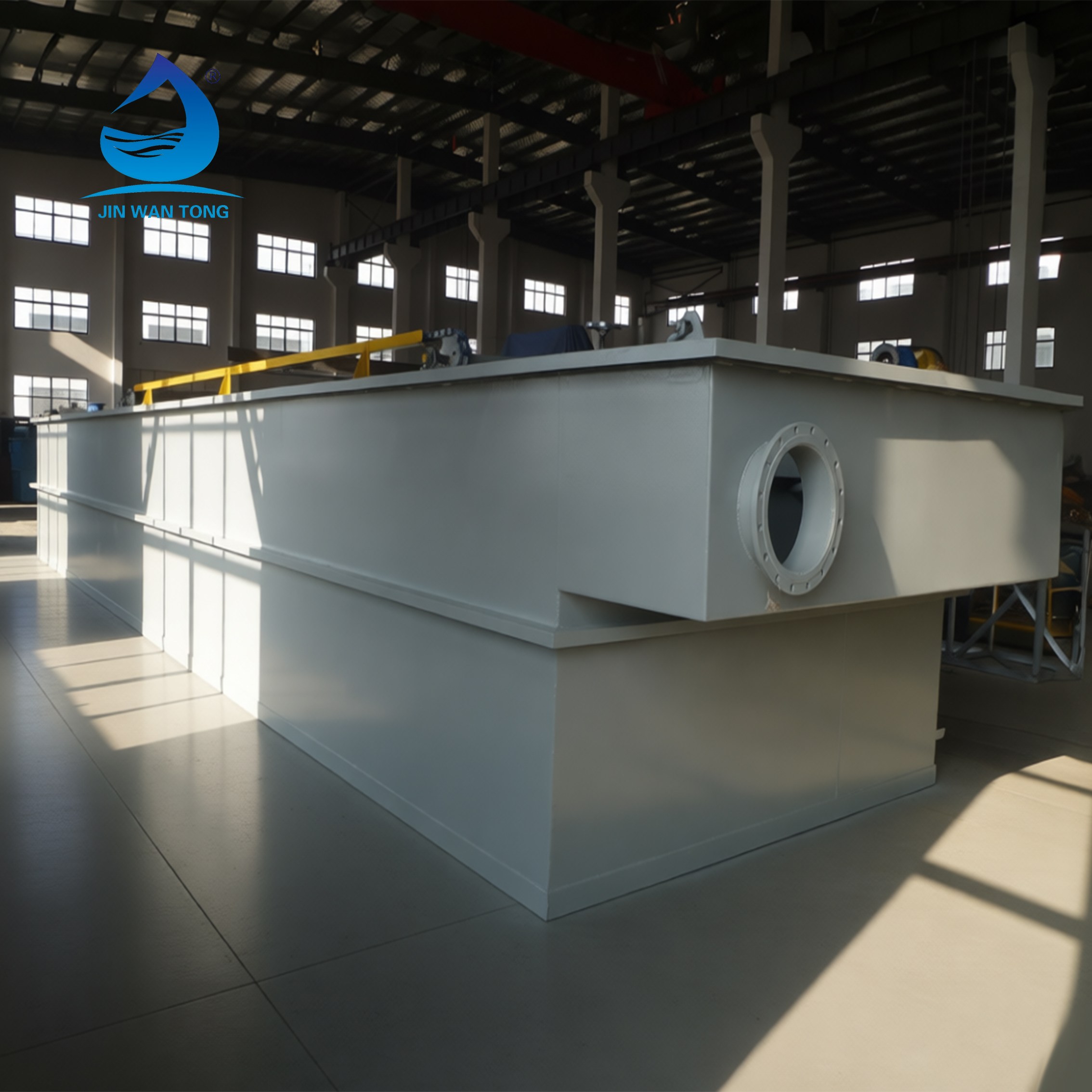
Wastewater → Screening → Equalization → Pretreatment → Biological Treatment → Clarification / Membrane → Disinfection → Discharge or ReuseThe first step is usually pretreatment. Screens remove large solids, equalization tanks balance flow and water quality, and oil-water separators or DAF dissolved air flotation systems remove oil, grease and suspended solids. Proper pretreatment protects downstream biological systems and improves overall stability.
Biological treatment is often the core of an eco-friendly wastewater treatment solution. Common options include MBR, MBBR, SBR and activated sludge processes. Microorganisms degrade biodegradable pollutants such as COD and BOD. Under suitable process control, nitrogen and phosphorus removal can also be achieved. MBR systems combine biological treatment with membrane separation to produce clearer effluent and save space, while MBBR systems use suspended carriers to improve biomass concentration and shock-load resistance. SBR systems operate in cycles and are suitable for projects with variable flow.
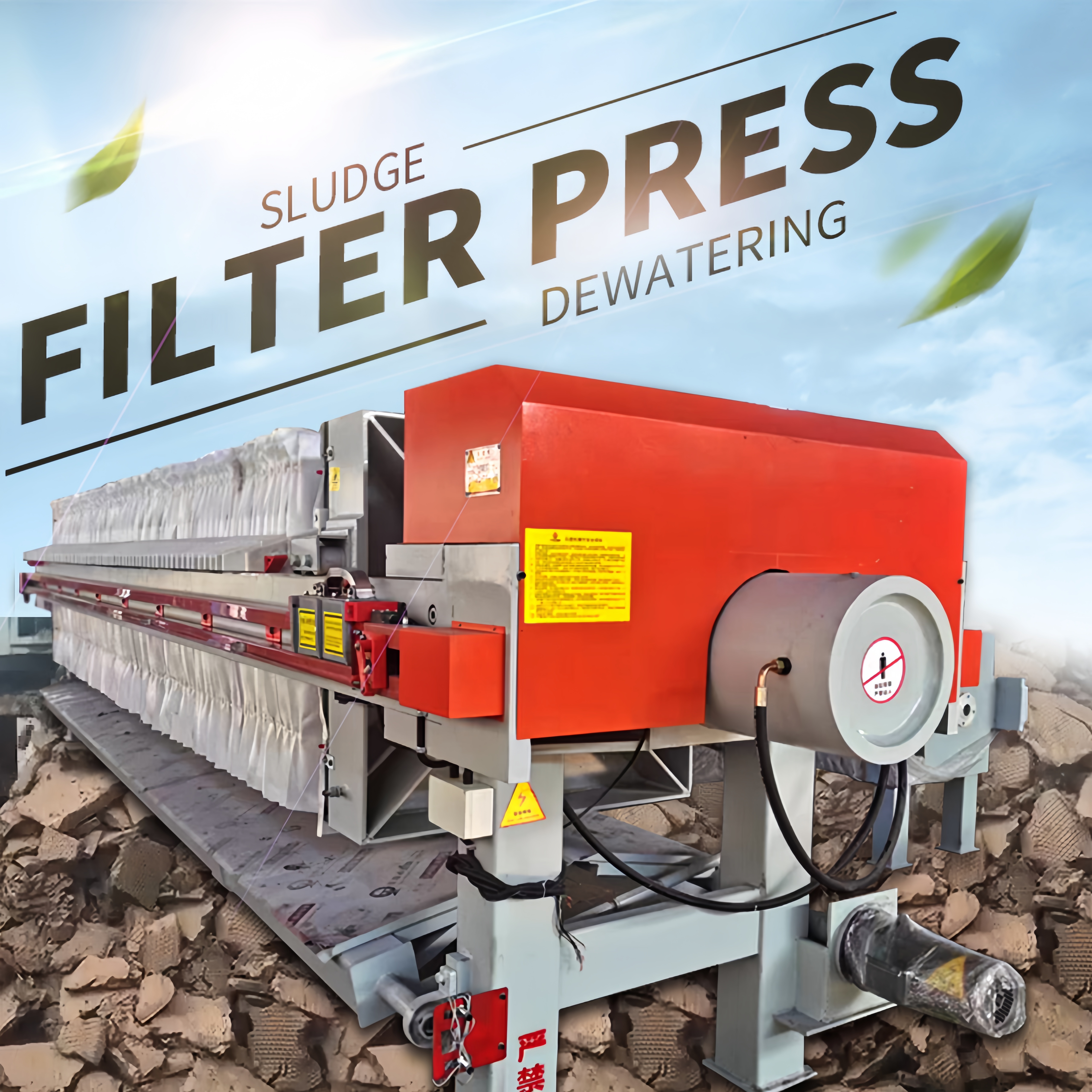
For projects requiring better outlet quality, filtration, disinfection or advanced treatment can be added. If water reuse is required for irrigation, flushing, cleaning or process water, the design should consider final water quality, local regulations and reuse safety. Sludge generated during treatment may be collected, thickened and dewatered to reduce volume and handling cost.
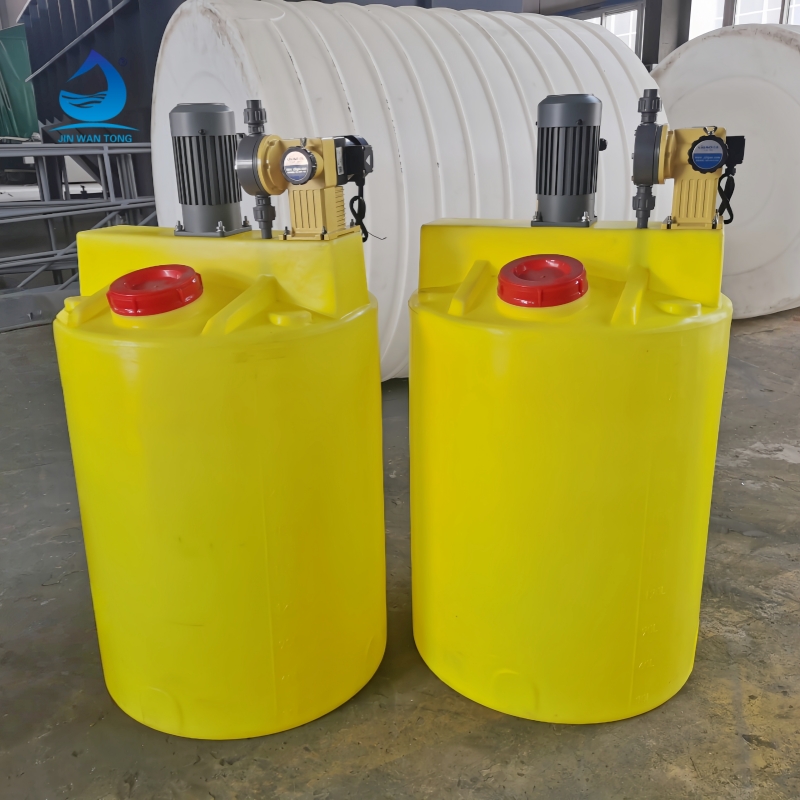
For B2B buyers, correct selection depends on daily flow, peak flow, influent COD, BOD, ammonia nitrogen, total nitrogen, phosphorus, TSS, oil, pH, temperature, discharge standard, available land, automation level, maintenance capability and whether water reuse is expected. A compact packaged system may be suitable for hotels, communities or rural sewage projects, while industrial wastewater may require a more customized process with pretreatment and chemical dosing.
It is important to avoid a common misunderstanding: “eco-friendly” does not mean chemical-free, maintenance-free or zero-discharge by default. Some wastewater requires chemical dosing, pH adjustment, sludge treatment or advanced polishing to meet standards. The most environmentally responsible design is one that matches the real wastewater characteristics and operates stably over time.
Qingdao Jinwantong provides customized wastewater treatment equipment and integrated process support. Buyers can send water quality data, flow rate, discharge target, site layout and reuse requirements for technical selection and quotation.
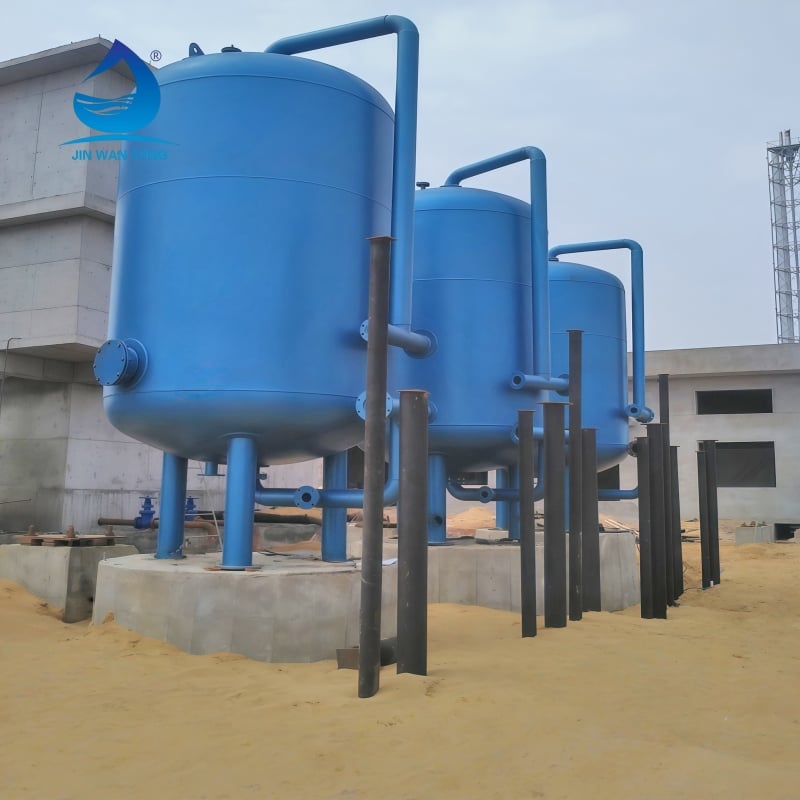
Qingdao Jinwantong provides industrial sewage treatment equipment for global clients. Our MBR, DAF, STP, and oil-water separation systems ensure compliance with national discharge standards. Trusted across 6 continents. Contact us today.
43,Cangnan Road, Cangma Town, Qingdao, Shandong, China
Copyright © 2026 Qingdao Jinwantong Environmental Science And Technology Co., Ltd. All rights reserved. Privacy Policy
 EN
EN