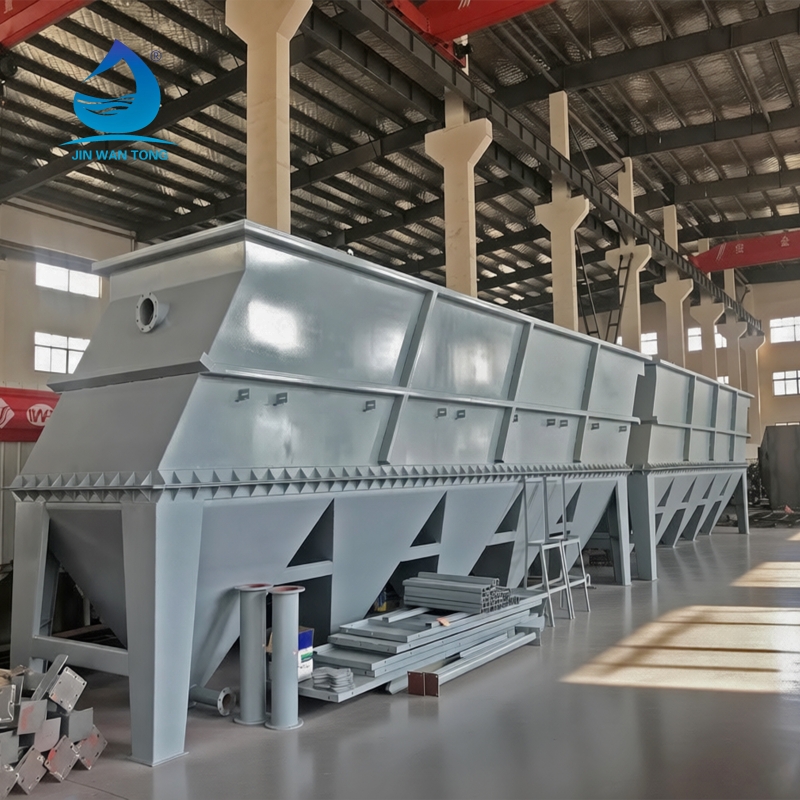
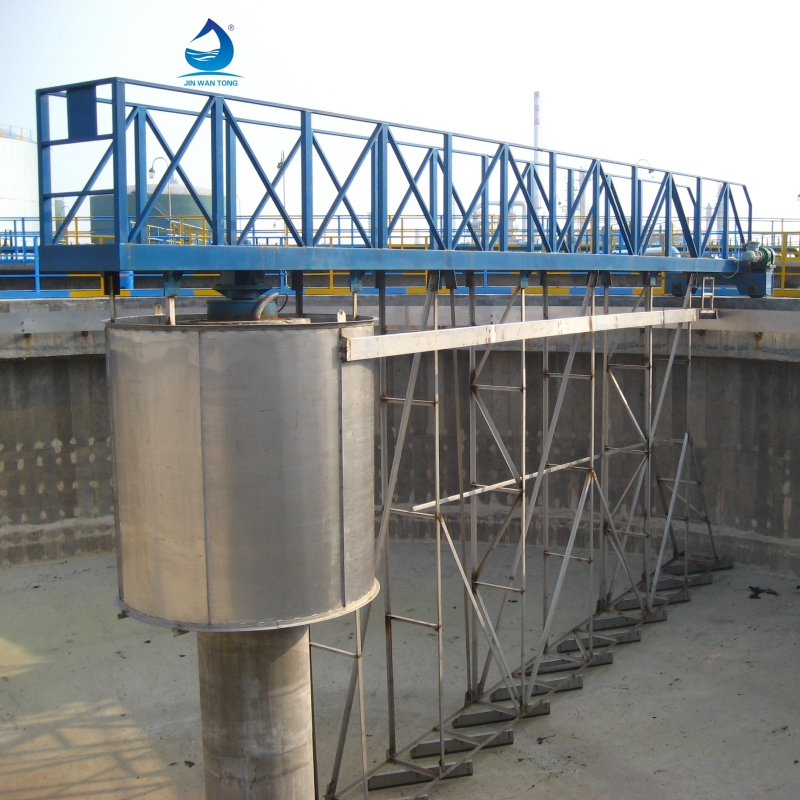
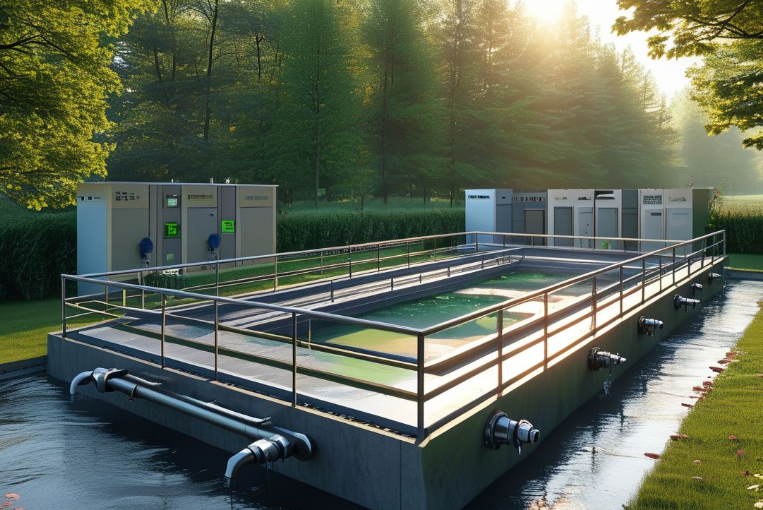
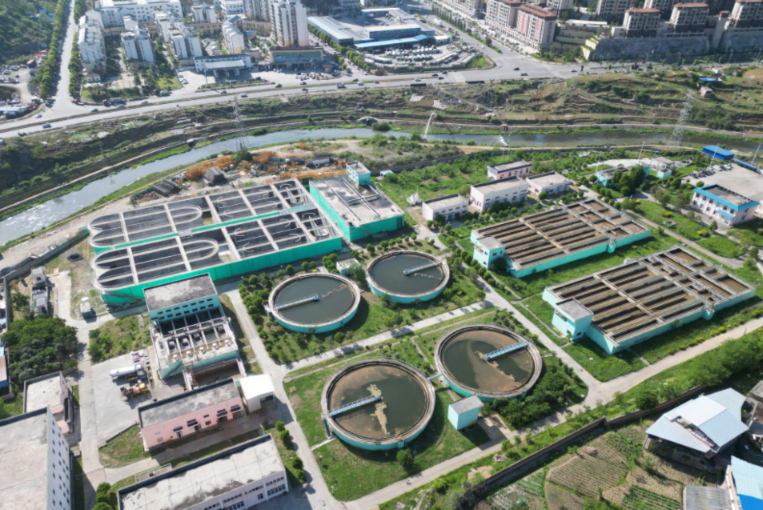
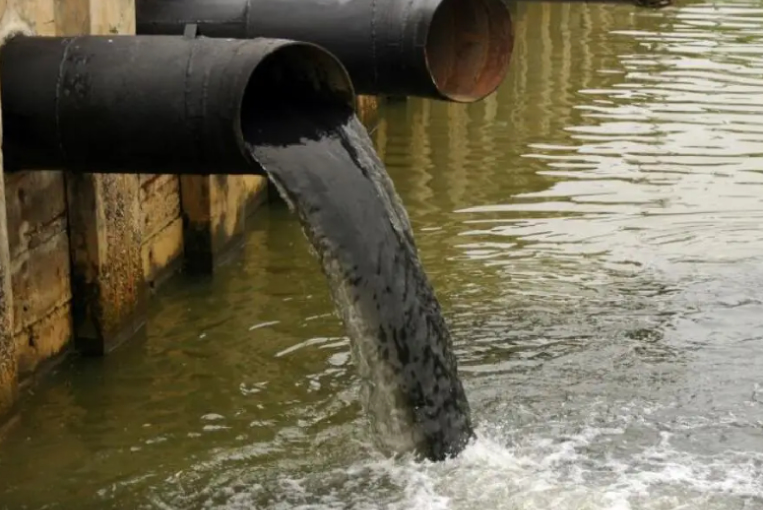
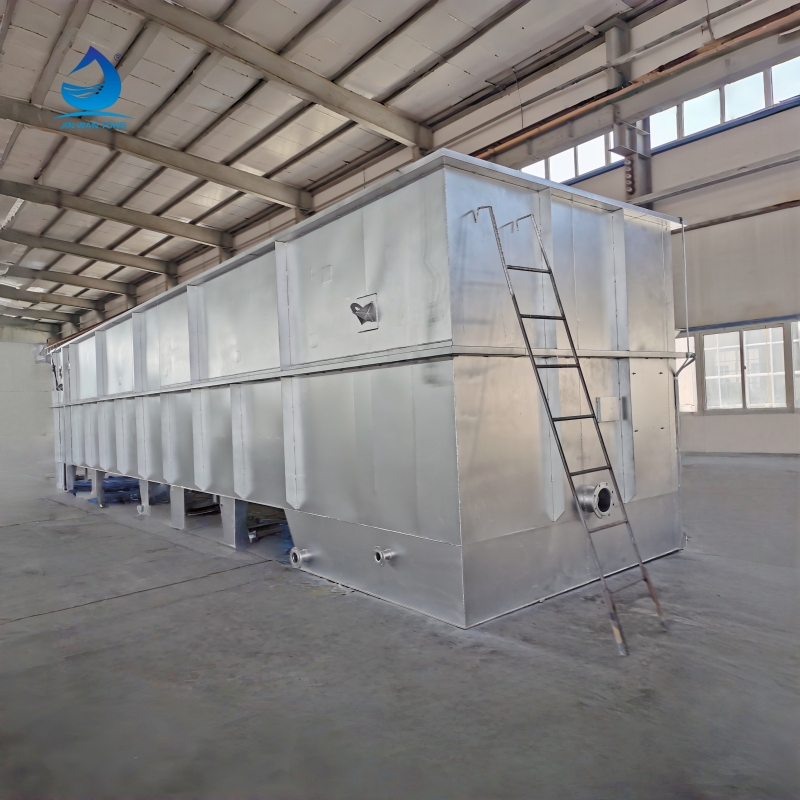
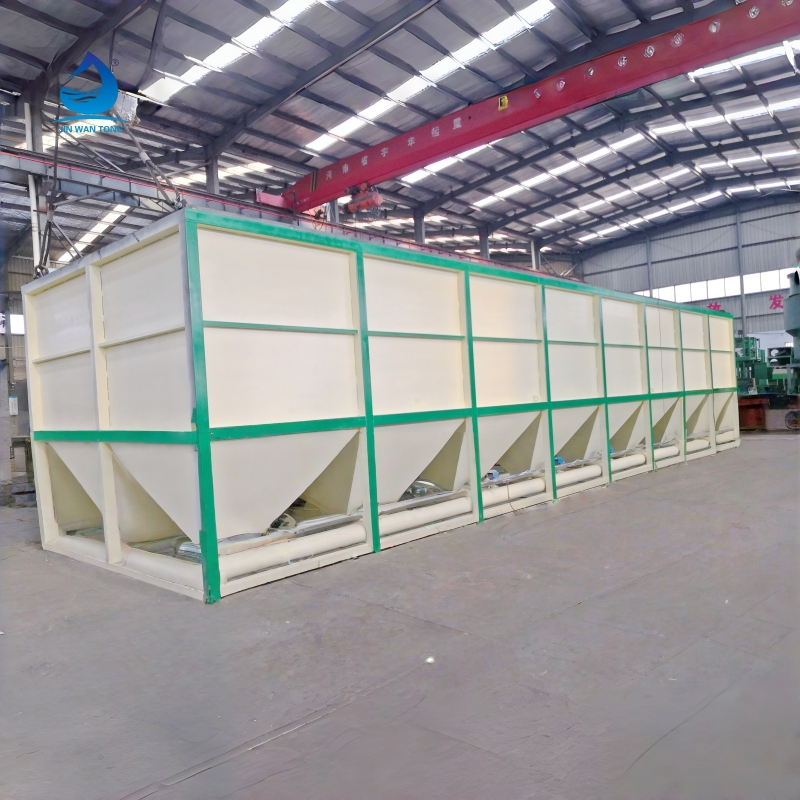
As a sedimentation tank manufacturer, Qingdao Jinwantong provides gravity settling equipment for wastewater treatment and water clarification projects. A sedimentation tank, also called a settling tank or clarifier, is used to separate suspended solids from water by allowing heavier particles to settle under gravity. It is commonly used after coagulation and flocculation, biological treatment, chemical precipitation or oil-water separation processes.
The basic working principle is simple: wastewater enters the tank at a controlled velocity, flow disturbance is reduced, and suspended solids or chemical flocs settle to the bottom. Clarified water exits from the upper outlet, while settled sludge is collected and discharged for further treatment or dewatering.
A typical sedimentation process is:
Wastewater Inlet → Flow Distribution → Settling Zone → Clarified Water Outlet → Sludge Collection → Sludge DischargeDepending on project needs, sedimentation tanks can be designed as horizontal flow tanks, vertical flow tanks, radial flow clarifiers or inclined plate sedimentation tanks. Lamella clarifiers use inclined plates to increase effective settling area within a smaller footprint. This makes them suitable for projects with limited installation space or where higher surface loading is required.
A complete sedimentation tank system may include inlet distribution device, settling zone, inclined plates or tubes, overflow weir, sludge hopper, sludge scraper or discharge pipe, chemical dosing system, flocculation section, access platform, control cabinet and supporting pipelines. For industrial wastewater, material selection is important because the water may contain chemicals, salts, oil, suspended solids or corrosive components. Common material options may include carbon steel with anti-corrosion coating, stainless steel, FRP or other suitable materials depending on the project.
For B2B buyers, choosing the right sedimentation tank should not depend only on tank volume. Important parameters include influent flow rate, suspended solids concentration, particle settling characteristics, required effluent clarity, hydraulic retention time, surface loading rate, sludge quantity, sludge discharge method, chemical dosing requirement, installation space and local discharge standards. If the flow velocity is too high or the inlet distribution is poor, settled sludge may be disturbed and effluent quality may become unstable.
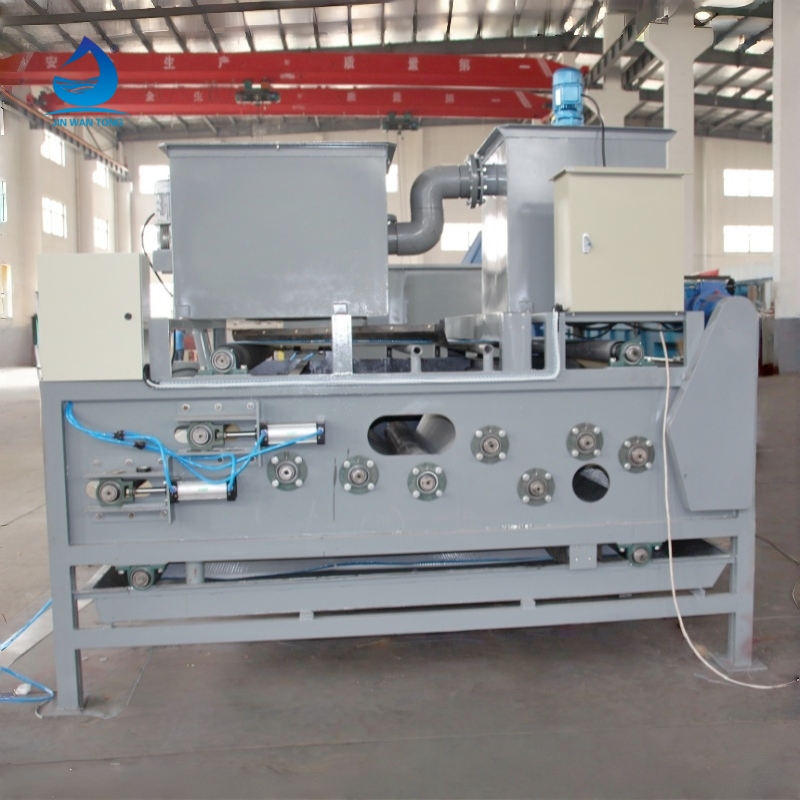
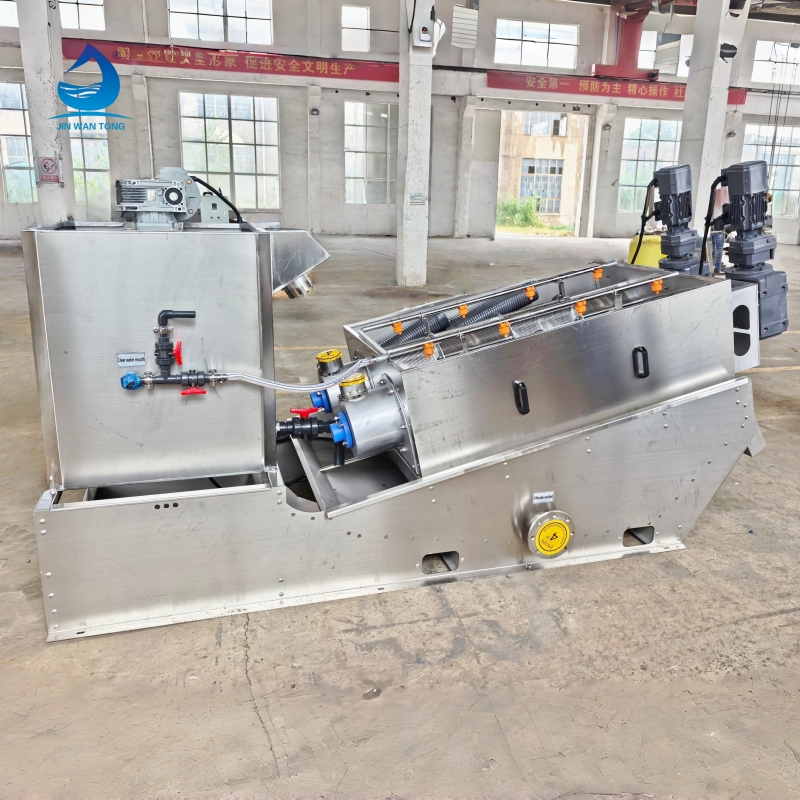
Sedimentation tanks are widely used in municipal sewage plants, industrial wastewater systems, food processing wastewater, chemical wastewater, textile dyeing wastewater, paper mill wastewater, mining wastewater and pretreatment systems. They can also work with PAC/PAM dosing systems to improve floc formation and settling performance. In many projects, the sludge collected from the tank is further processed by sludge dewatering equipment to reduce disposal cost.
However, sedimentation is mainly suitable for settleable solids and chemically formed flocs. Very fine colloids, emulsified oil or dissolved pollutants may require coagulation, DAF, biological treatment, filtration or membrane treatment depending on the water quality.
Qingdao Jinwantong provides customized sedimentation tanks and related wastewater treatment equipment. Buyers can send flow rate, water quality report, suspended solids level, treatment goal, site layout and project location for technical selection and quotation.
Qingdao Jinwantong provides industrial sewage treatment equipment for global clients. Our MBR, DAF, STP, and oil-water separation systems ensure compliance with national discharge standards. Trusted across 6 continents. Contact us today.
43,Cangnan Road, Cangma Town, Qingdao, Shandong, China
Copyright © 2026 Qingdao Jinwantong Environmental Science And Technology Co., Ltd. All rights reserved. Privacy Policy
 EN
EN