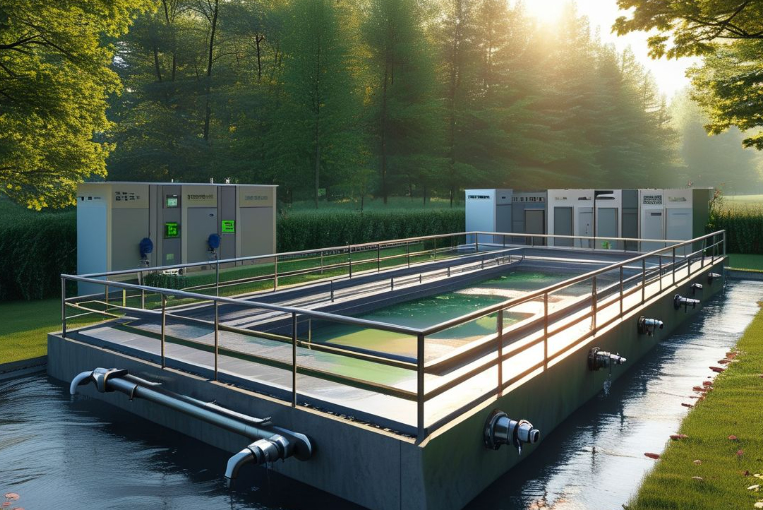
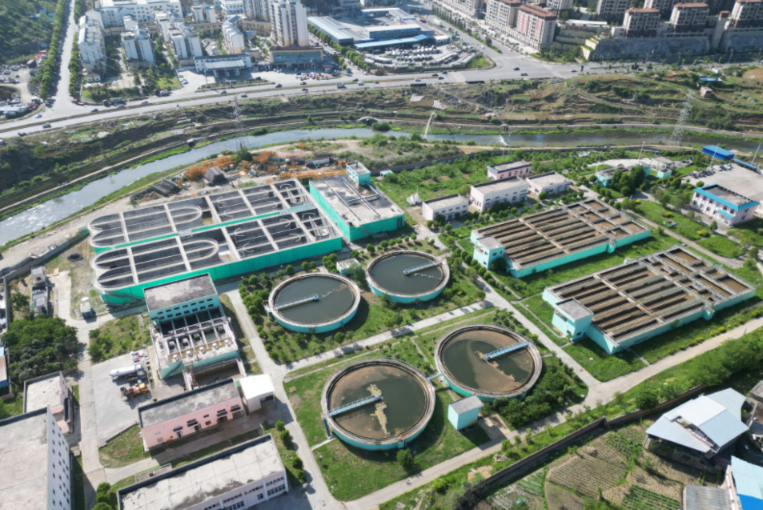
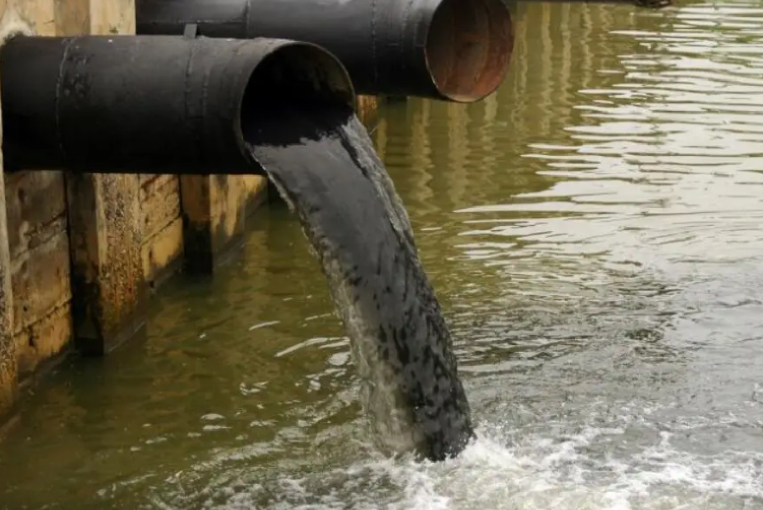
A screw sludge dewatering machine is a mechanical solid-liquid separation device used to reduce the moisture content and volume of sludge generated from wastewater treatment. It is also commonly called a screw press sludge dehydrator, multi-disc screw press or spiral sludge dewatering machine. Its main purpose is to turn liquid or semi-liquid sludge into a more manageable sludge cake, reducing storage, transportation and disposal pressure.
The working principle is based on slow screw rotation and gradual compression. Before entering the machine, sludge is usually mixed with polymer to form stable flocs. The conditioned sludge then flows into the dewatering body, where water first drains by gravity through gaps between fixed and moving rings or filter structures. As the screw shaft rotates, sludge is pushed forward into a narrower compression zone. Pressure increases gradually, more water is squeezed out,
and the final sludge cake is discharged from the outlet.
A typical process is:
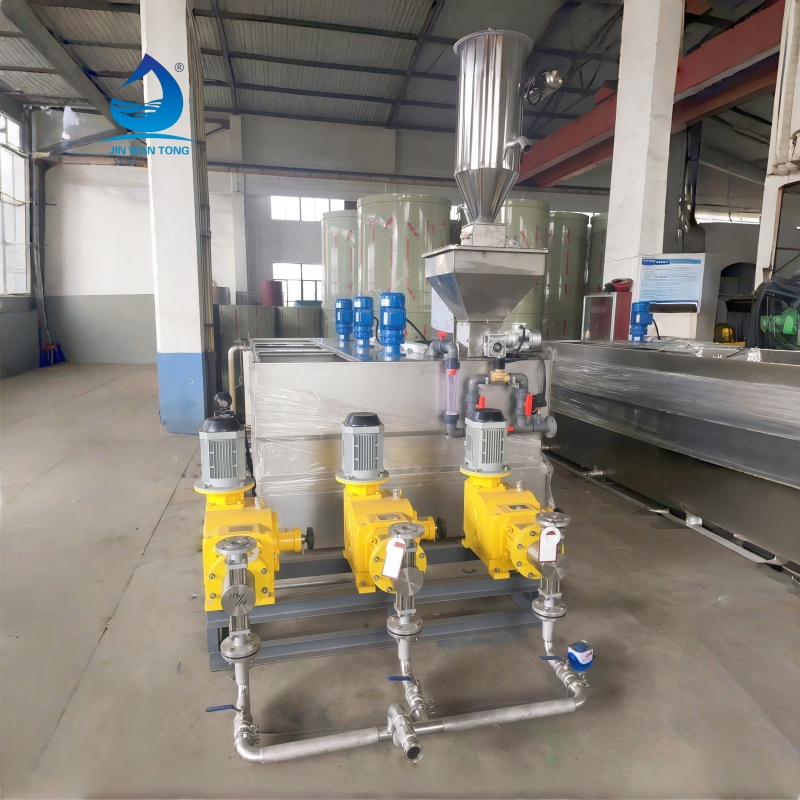
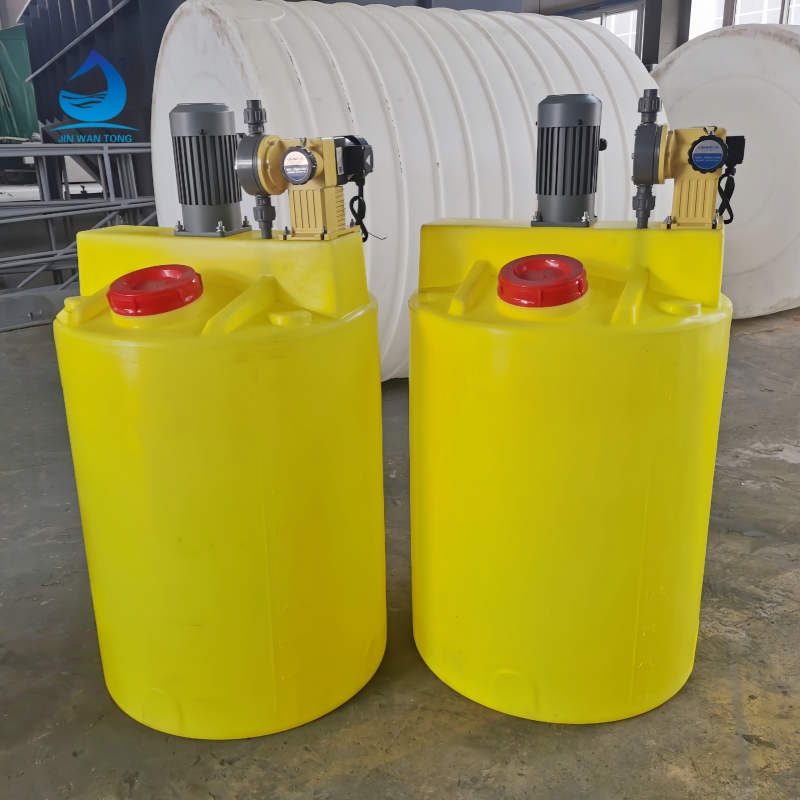
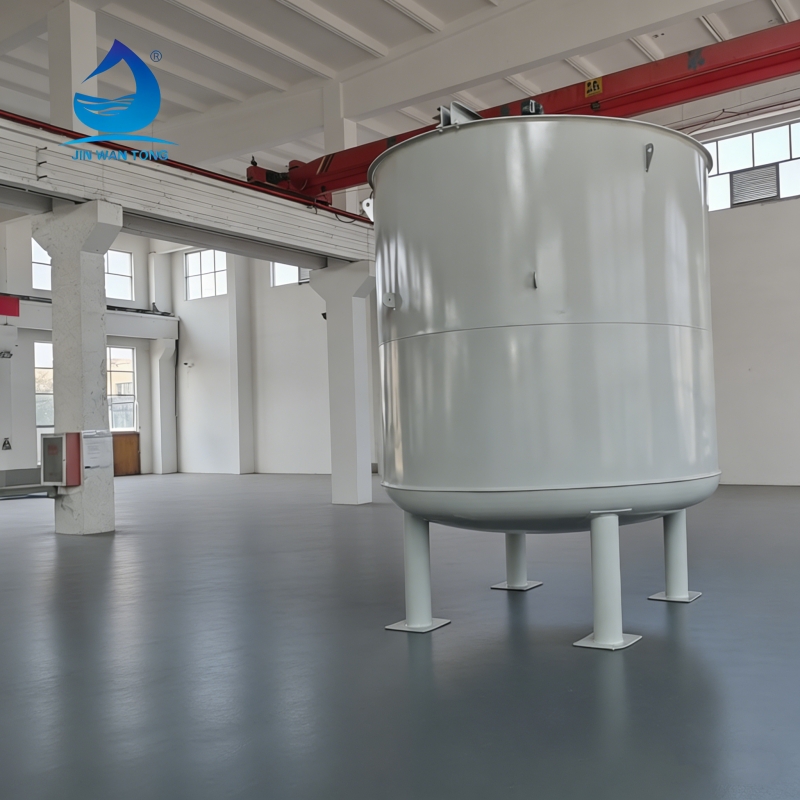
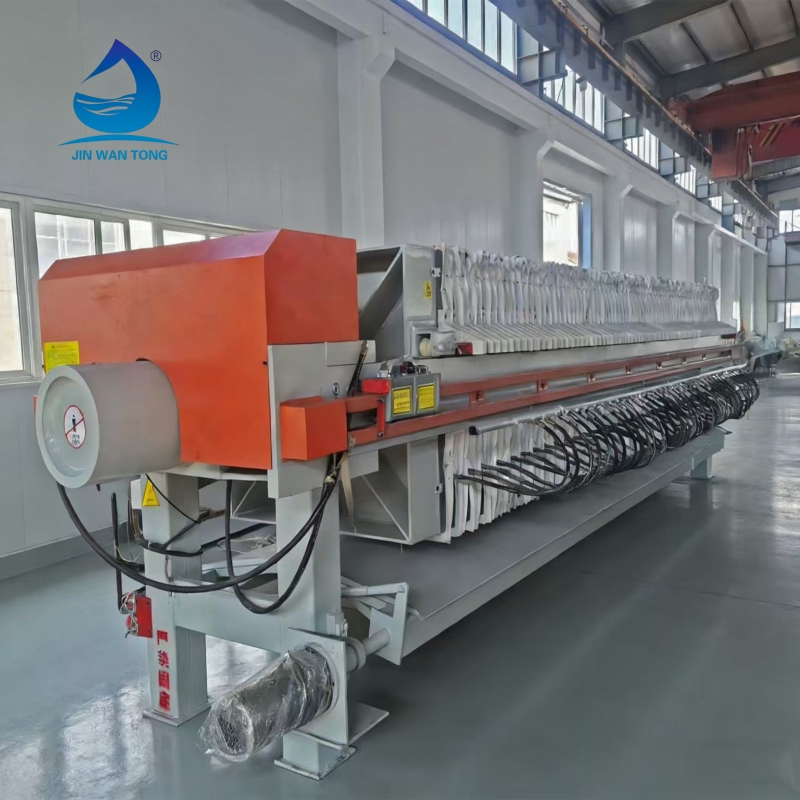
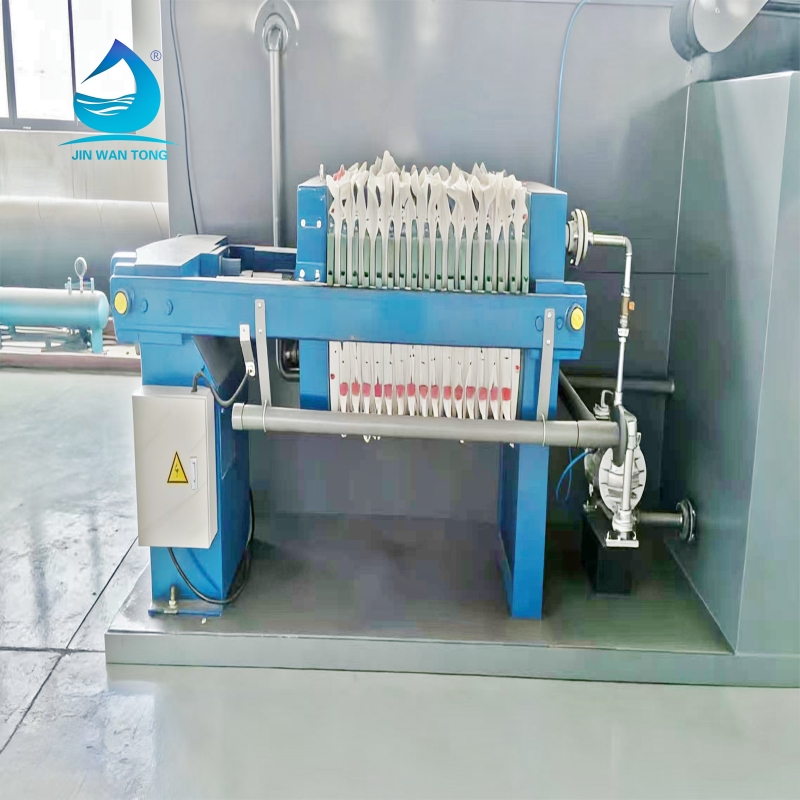
Sludge Storage → Polymer Dosing → Flocculation → Screw Press Dewatering → Sludge Cake Discharge → Filtrate ReturnA complete screw sludge dewatering system may include a sludge feed pump, polymer preparation unit, dosing pump, flocculation tank, screw press body, fixed and moving rings, screw shaft, filtrate collection tray, sludge cake outlet, control cabinet, valves and optional conveyor. For industrial projects, contact material selection is important because sludge may contain oil, salts, chemicals, abrasive particles or corrosive components.
Compared with belt filter presses or some traditional filter press systems, a screw sludge dewatering machine usually has a compact footprint and can operate continuously at low speed. It often requires less washing water and produces lower operating noise. Because the screw rotates slowly, wear and energy consumption can be relatively controlled. However, actual performance depends strongly on sludge characteristics, polymer selection, solids concentration and operating adjustment.
For B2B buyers, selecting the correct model should not be based only on nominal capacity. Important parameters include sludge source, daily sludge volume, inlet solids content, current moisture, target cake moisture, sludge viscosity, pH value, oil content, organic matter, operating hours, polymer consumption, installation space and discharge method. If the sludge is very oily, highly inorganic, highly corrosive or contains large particles, special configuration or pretreatment may be required.
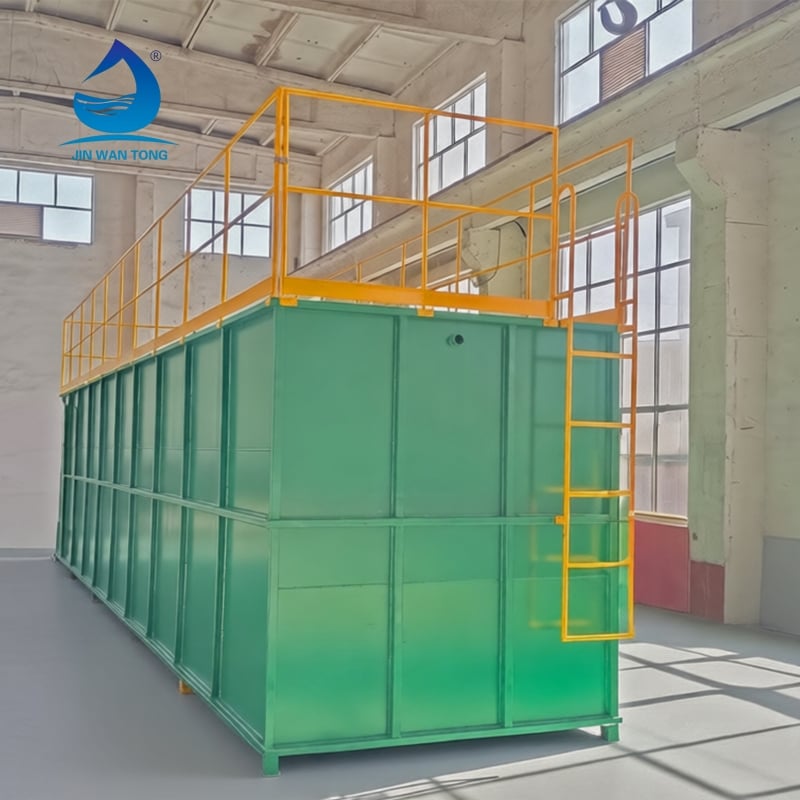
Screw sludge dewatering machines are commonly installed after DAF machines, lamella clarifiers, sedimentation tanks, biological treatment units and chemical precipitation systems. The filtrate is usually returned to the wastewater treatment line, while the sludge cake is collected for landfill, incineration, composting or further treatment according to local regulations.
It is important to note that dewatering reduces water content but does not remove hazardous substances from sludge. If sludge contains heavy metals, toxic chemicals or regulated pollutants, disposal must follow local environmental requirements.
Qingdao Jinwantong provides customized screw sludge dewatering machines and supporting wastewater treatment equipment. Buyers can send sludge source, sludge quantity, solids content, moisture target, site layout and project location for technical selection and quotation.
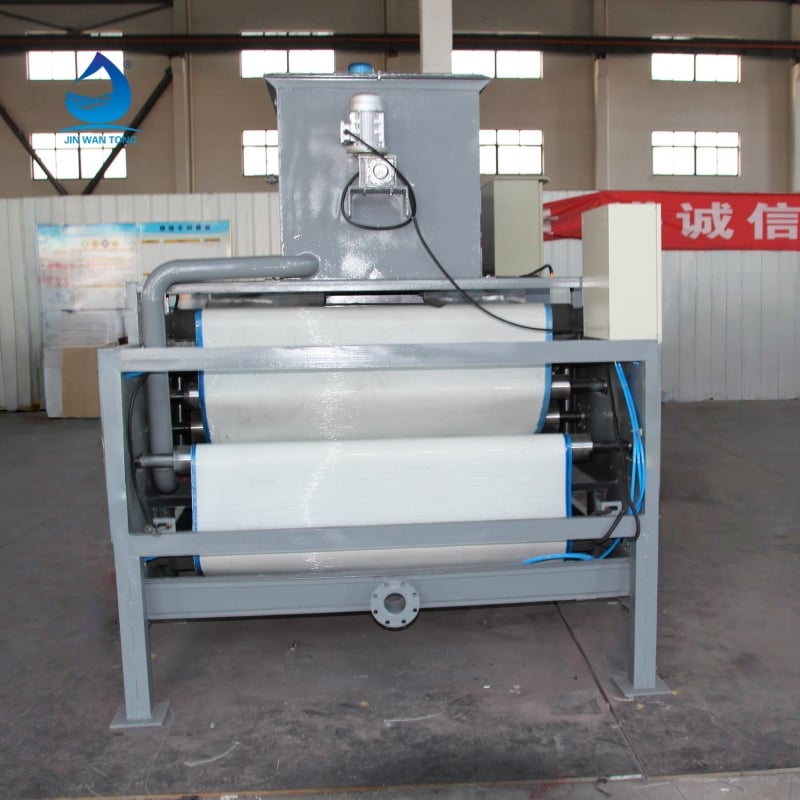
Qingdao Jinwantong provides industrial sewage treatment equipment for global clients. Our MBR, DAF, STP, and oil-water separation systems ensure compliance with national discharge standards. Trusted across 6 continents. Contact us today.
43,Cangnan Road, Cangma Town, Qingdao, Shandong, China
Copyright © 2026 Qingdao Jinwantong Environmental Science And Technology Co., Ltd. All rights reserved. Privacy Policy
 EN