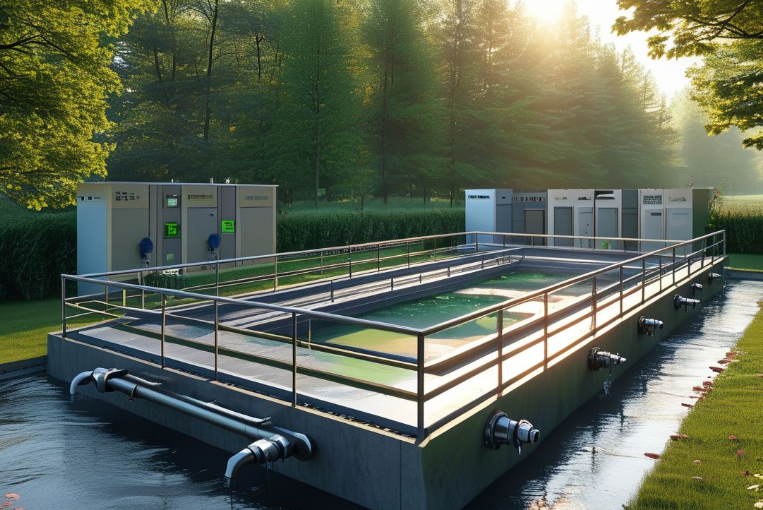
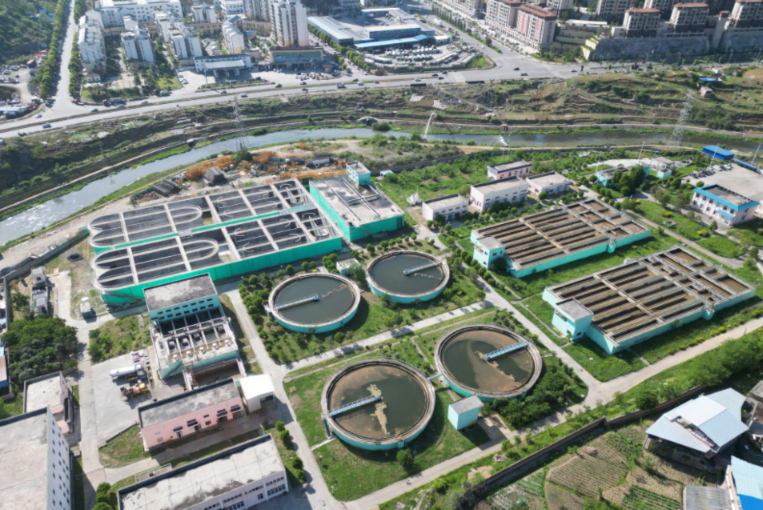
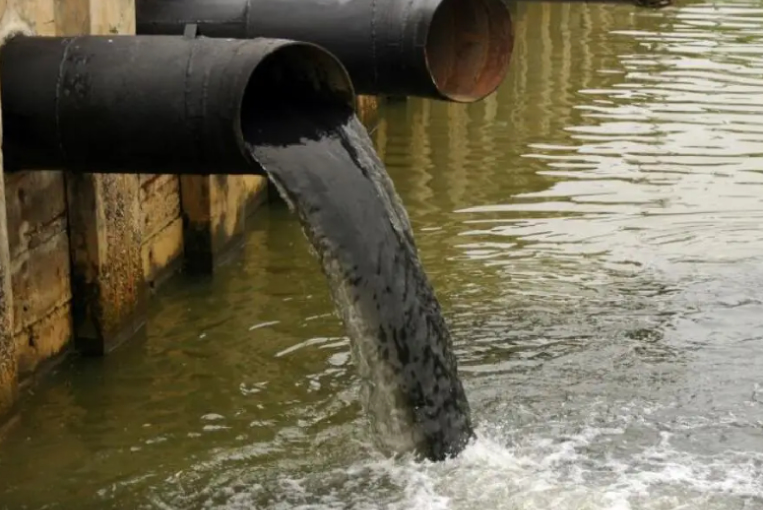
A sedimentation tank in water treatment plant is a key unit for solid-liquid separation. Its main function is to allow suspended particles, chemical flocs or biological sludge to settle under gravity, so that clarified water can flow to the next treatment stage. In wastewater treatment and water purification systems, sedimentation helps reduce turbidity, suspended solids and sludge load on downstream equipment.
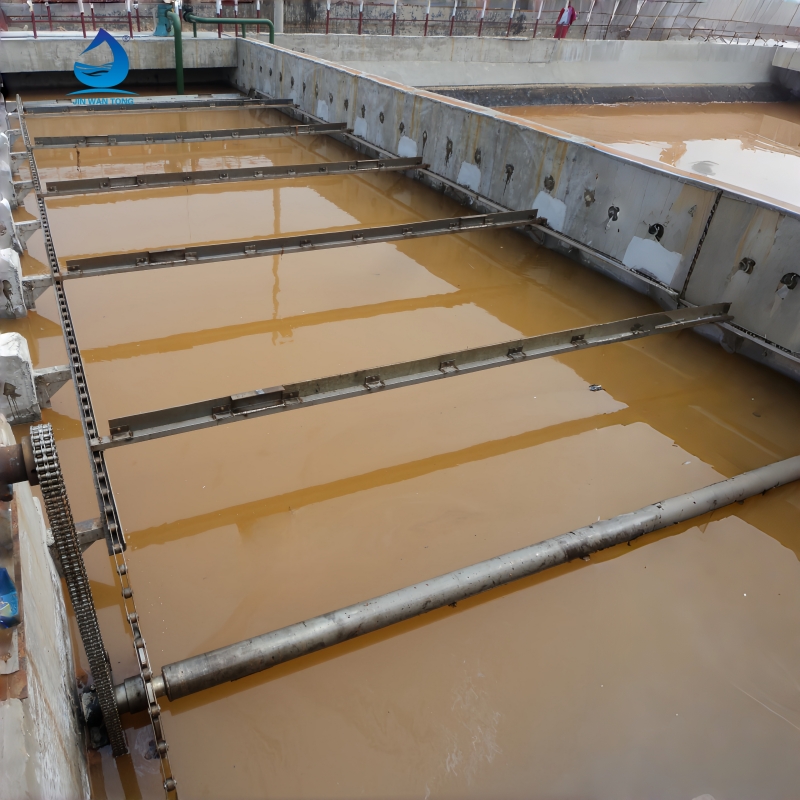
The principle is straightforward. Water enters the tank at a controlled flow velocity. When the flow becomes calm, heavier particles gradually settle to the bottom. Clarified water flows out from the upper outlet or overflow weir, while settled sludge is collected in a hopper or bottom zone and discharged for further treatment.
A typical process is:
Influent Water → Flow Distribution → Settling Zone → Clarified Water Outlet → Sludge Collection → Sludge Discharge
In many water treatment plants, sedimentation is used after coagulation and flocculation. Chemicals such as PAC, ferric salts or polymer are added to make fine particles gather into larger flocs. These flocs settle more easily in the sedimentation tank. In sewage treatment plants, sedimentation may also be used as primary clarification before biological treatment or as secondary clarification after biological treatment.
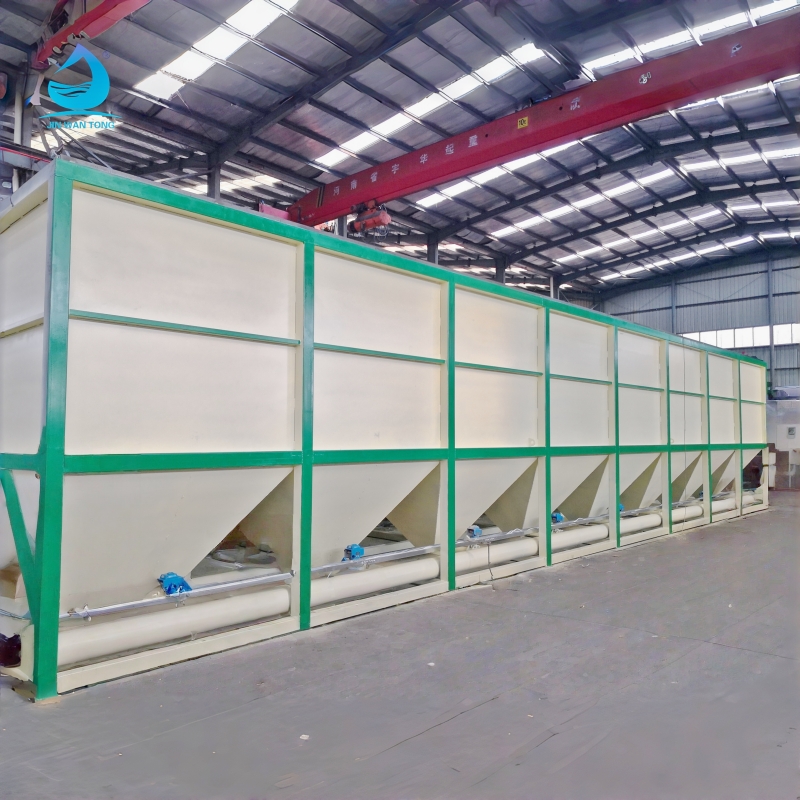
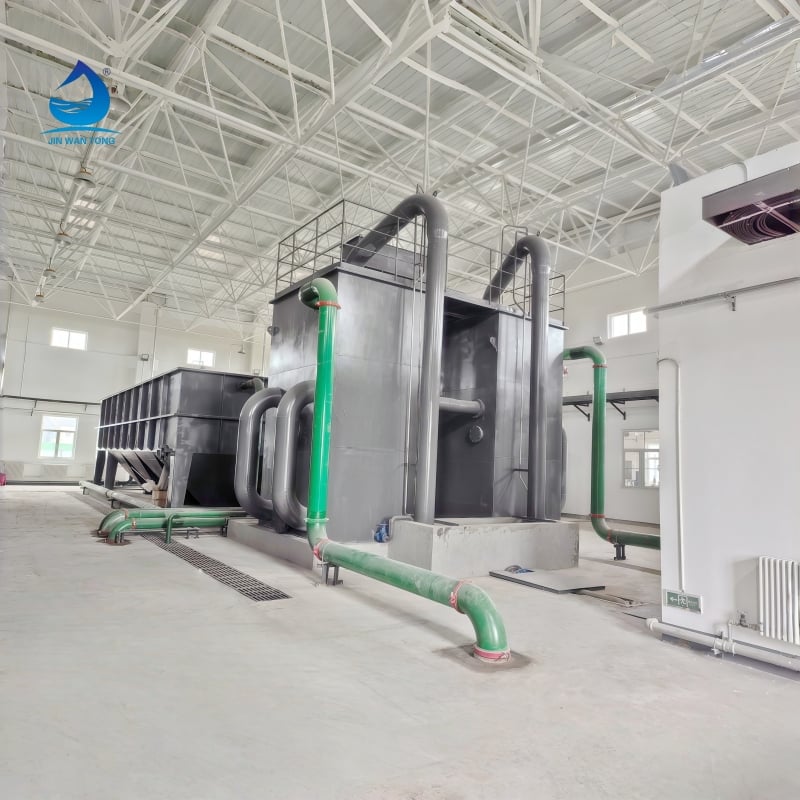
Common sedimentation equipment includes horizontal flow sedimentation tanks, vertical flow tanks, radial flow clarifiers and lamella clarifiers. A lamella clarifier uses inclined plates or tubes to increase the effective settling area inside a compact structure. This is useful when the project has limited installation space or requires higher treatment efficiency within a smaller footprint.
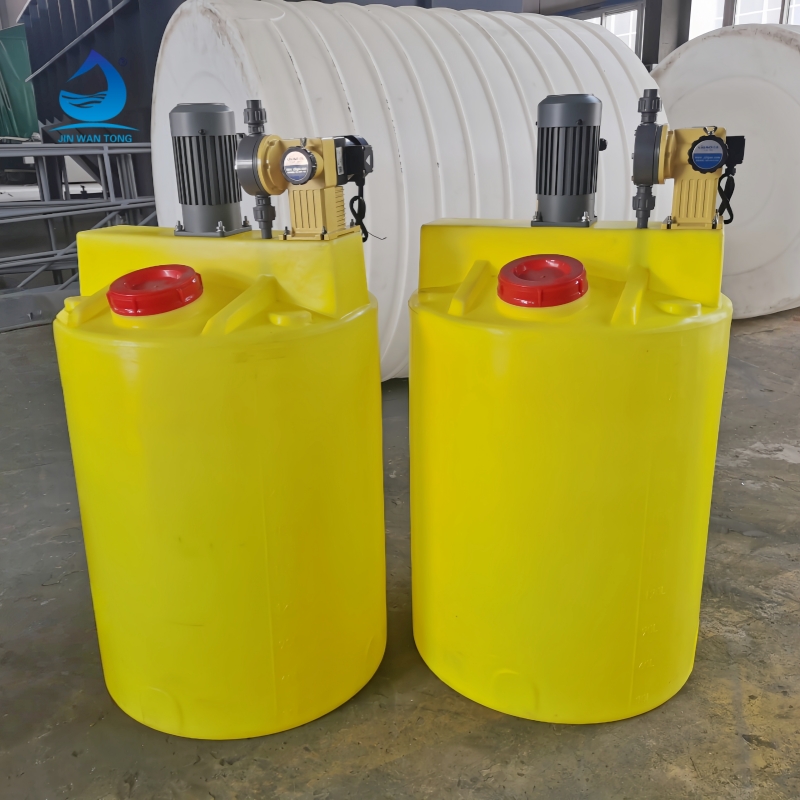
A complete sedimentation system may include inlet distribution device, reaction or flocculation zone, settling area, inclined plates, overflow weir, sludge hopper, sludge scraper, sludge discharge pipe, dosing system, access platform, valves, pipelines and optional control cabinet. For industrial wastewater, material selection is important because the water may contain chemicals, oil, salts, suspended solids or corrosive substances.
For equipment selection, buyers should consider more than tank size. Important parameters include influent flow rate, suspended solids concentration, particle settling velocity, hydraulic retention time, surface loading rate, sludge production, chemical dosing requirement, discharge standard, installation space and maintenance access. Poor inlet distribution, excessive flow velocity or delayed sludge discharge may reduce clarification efficiency and cause solids carryover.
Sedimentation tanks are widely applied in municipal water treatment plants, sewage treatment plants, industrial wastewater systems, chemical precipitation processes and pretreatment lines before filtration, membrane systems or biological treatment. However, sedimentation mainly removes settleable solids and flocs. It is not suitable for removing dissolved pollutants, very stable colloids or emulsified oil without additional processes such as coagulation, DAF, filtration, biological treatment or membrane treatment.
Qingdao Jinwantong provides customized sedimentation tanks, lamella clarifiers and supporting wastewater treatment equipment. Buyers can send flow rate, water quality, suspended solids level, treatment target, site layout and project location for technical selection and quotation.
 EN
EN