Advanced Sewage and Wastewater Treatment Solutions - Comprehensive Environmental Protection Systems

All Categories

Get a Free Quote

Our representative will contact you soon.
Email
Name
Company Name
Message
0/1000

sewage and wastewater treatment

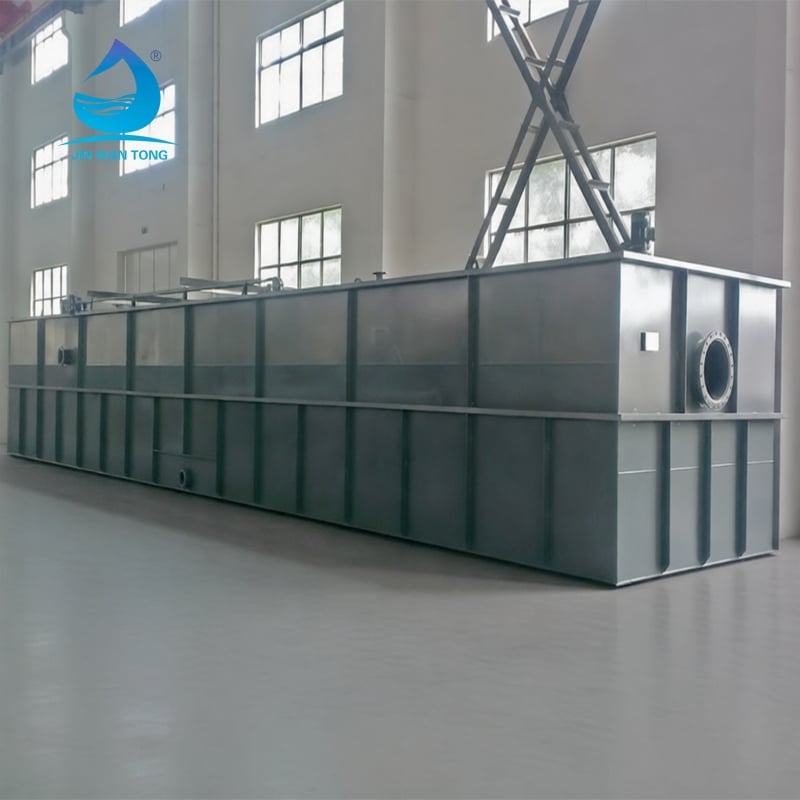
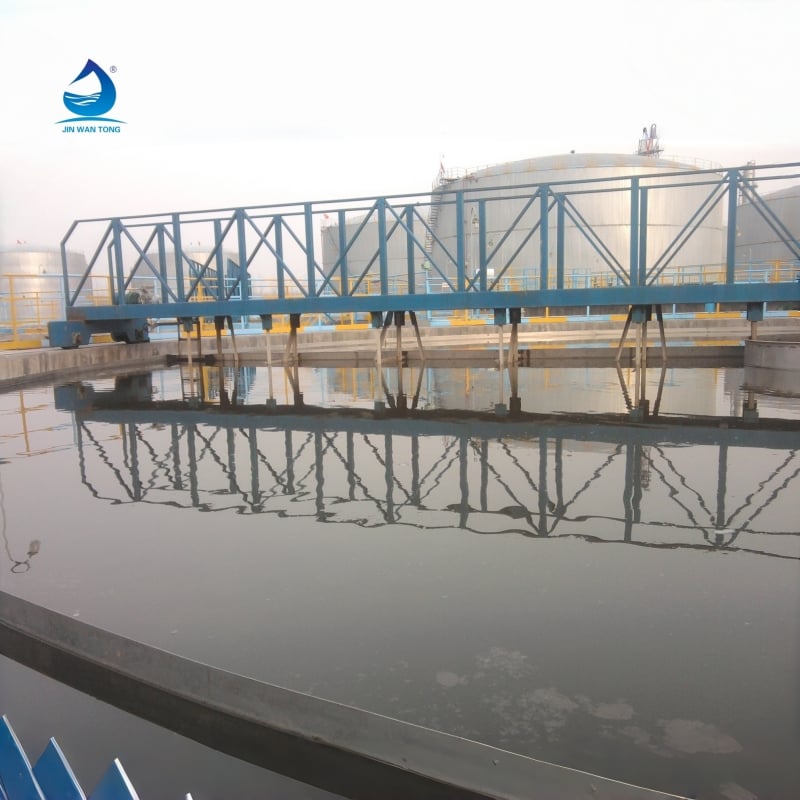
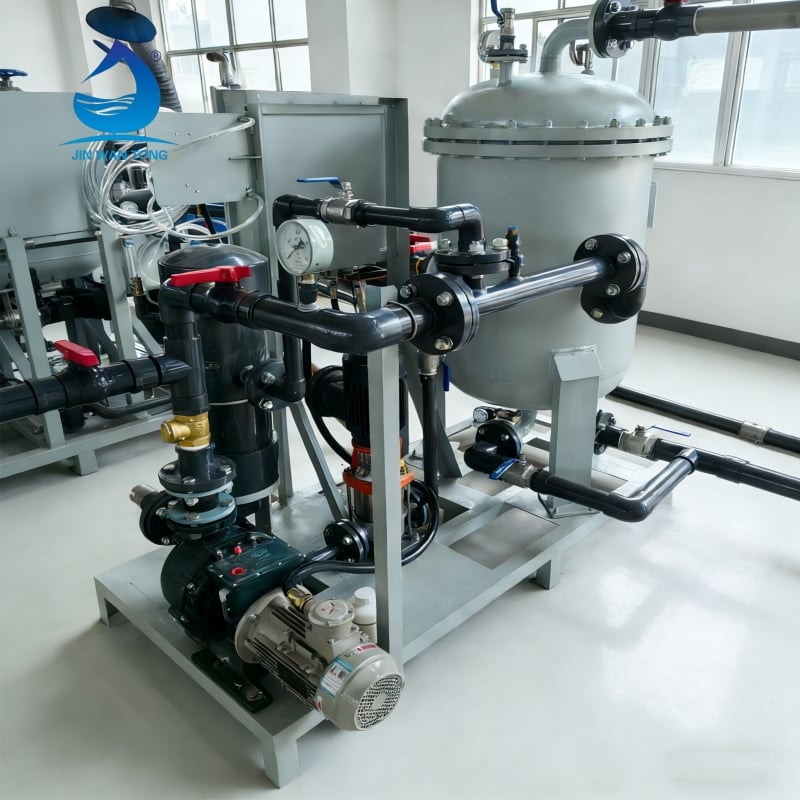
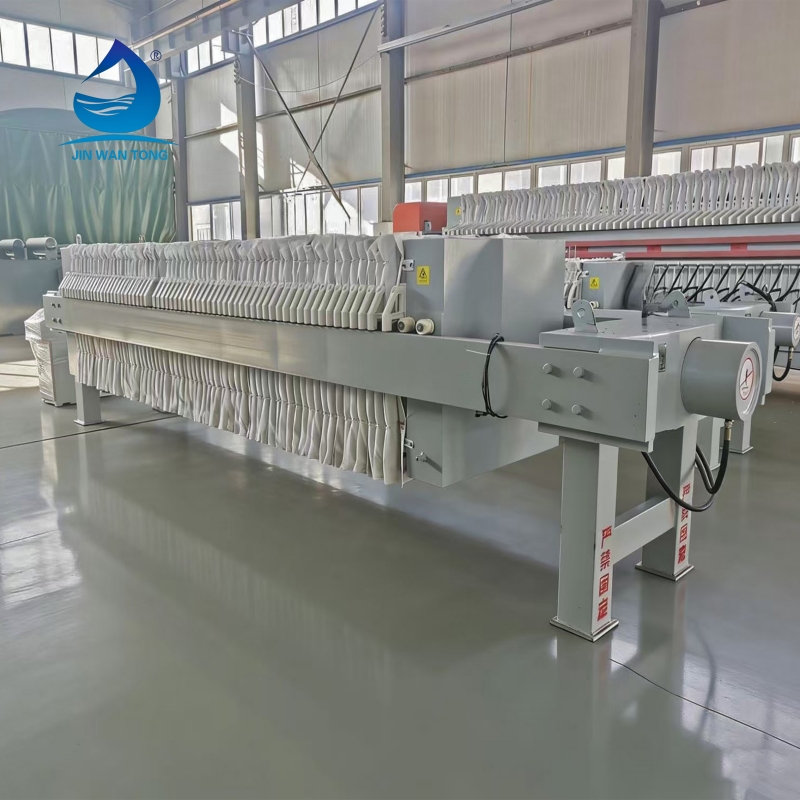
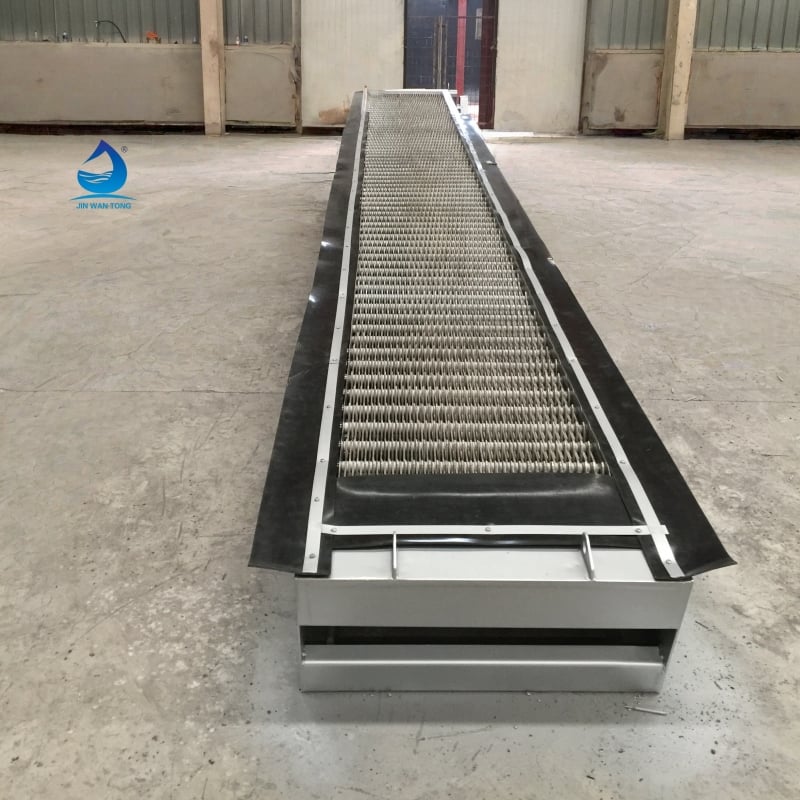
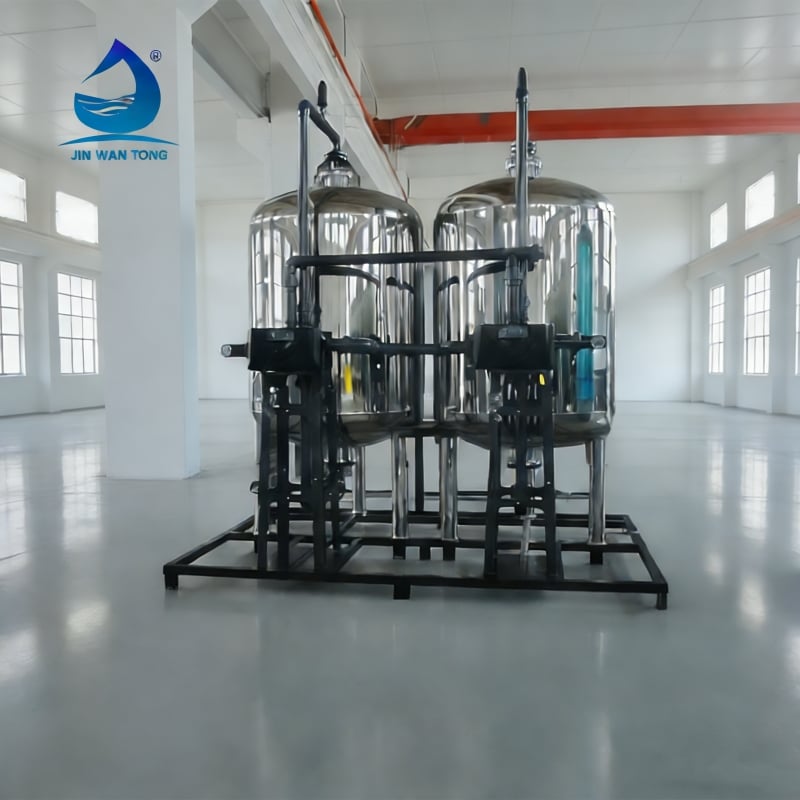
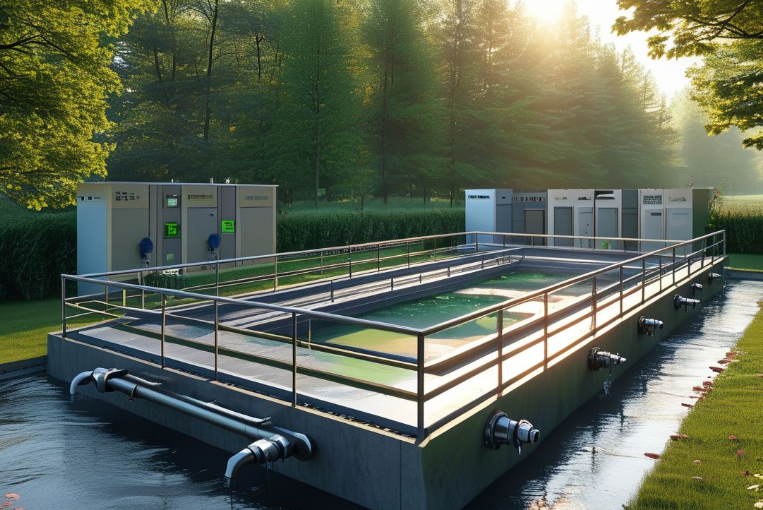
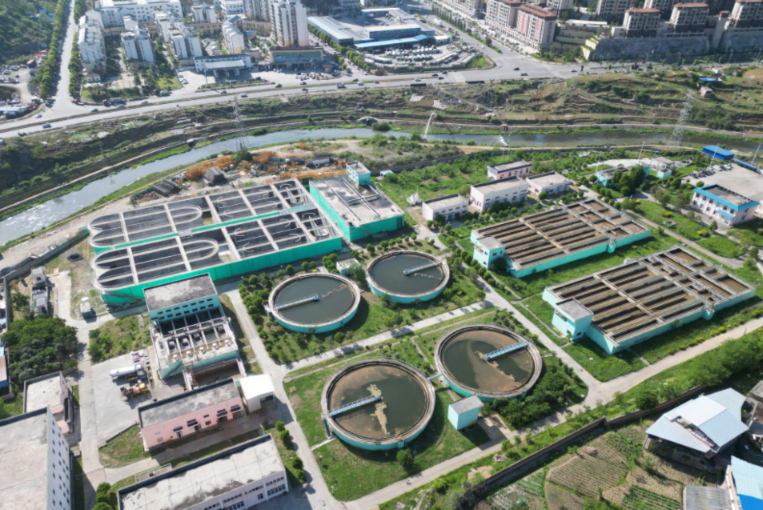
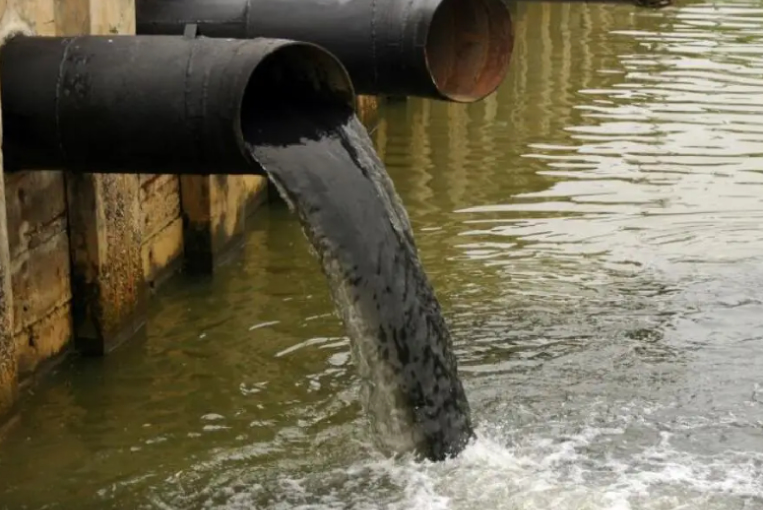
Sewage and wastewater treatment represents a critical infrastructure system designed to process contaminated water from residential, commercial, and industrial sources before returning it safely to the environment. This comprehensive process transforms polluted water into clean, environmentally safe discharge through multiple sophisticated treatment stages. The primary function of sewage and wastewater treatment facilities involves removing harmful contaminants, pathogens, and pollutants that could otherwise damage ecosystems and public health. Modern treatment plants utilize advanced biological, chemical, and physical processes to achieve exceptional purification results. The technological framework encompasses preliminary screening, primary settling, secondary biological treatment, and tertiary advanced filtration systems. Each stage targets specific contaminants through carefully engineered mechanisms that maximize efficiency while minimizing environmental impact. Primary treatment focuses on removing large debris and suspended solids through screening and gravitational settling processes. Secondary treatment employs beneficial microorganisms that consume organic matter and convert harmful substances into harmless byproducts. Advanced tertiary treatment incorporates sophisticated filtration technologies, including membrane bioreactors, ultraviolet disinfection, and chemical precipitation methods. Applications span municipal water treatment facilities serving entire communities, industrial processing plants managing specialized waste streams, and decentralized systems supporting remote locations. Modern sewage and wastewater treatment systems integrate smart monitoring technologies that continuously track water quality parameters, optimize chemical dosing, and ensure regulatory compliance. These facilities protect groundwater resources, prevent waterborne diseases, and support sustainable water cycle management. The treatment process generates valuable byproducts including biogas for renewable energy production and nutrient-rich biosolids suitable for agricultural applications, creating circular economy benefits that enhance overall system sustainability and cost-effectiveness.

New Product Recommendations

Implementing proper sewage and wastewater treatment delivers immediate environmental protection by preventing contaminated water from polluting rivers, lakes, and groundwater supplies. Communities benefit from dramatically reduced disease transmission risks as treatment eliminates dangerous pathogens, bacteria, and viruses that cause cholera, typhoid, and other waterborne illnesses. Property values increase significantly when areas have reliable treatment infrastructure, making neighborhoods more desirable and economically stable. Local businesses thrive with dependable sewage and wastewater treatment systems that ensure consistent operations without contamination concerns or regulatory shutdowns. Agricultural sectors gain access to treated water suitable for irrigation, reducing freshwater consumption while maintaining crop productivity and soil health. Industrial facilities achieve regulatory compliance more easily, avoiding costly fines and legal complications while maintaining sustainable operations. Energy recovery through biogas production from treatment processes creates substantial cost savings and revenue opportunities through renewable energy generation. Treatment systems reduce long-term infrastructure maintenance costs by preventing pipe corrosion and system damage caused by untreated waste accumulation. Communities experience improved air quality as proper treatment eliminates foul odors and reduces greenhouse gas emissions from decomposing organic matter. Tourism and recreation industries benefit when local water bodies remain clean and safe for swimming, fishing, and other activities. Healthcare costs decline significantly as waterborne diseases become rare in areas with effective treatment systems. Real estate developers find greater investment opportunities in regions with modern treatment infrastructure, spurring economic growth and job creation. Manufacturing companies can expand operations confidently knowing waste management systems meet current and future regulatory requirements. Educational institutions and research facilities gain opportunities for environmental studies and green technology development. Insurance premiums often decrease for properties serviced by reliable treatment systems due to reduced contamination and flooding risks. Long-term sustainability goals become achievable as communities develop circular water management practices that conserve resources while protecting environmental integrity for future generations.

Practical Tips

Overview of the Agricultural Wastewater Treatment Market

17

Dec

Overview of the Agricultural Wastewater Treatment Market

View More
Global Real-Time Wastewater Treatment Update

17

Dec

Global Real-Time Wastewater Treatment Update

View More
Navigating the Waters: The Role of an Industrial Wastewater Treatment Plant

17

Dec

Navigating the Waters: The Role of an Industrial Wastewater Treatment Plant

View More

Get a Free Quote

Our representative will contact you soon.
Email
Name
Company Name
Message
0/1000

sewage and wastewater treatment

Advanced Biological Treatment Technology Maximizes Contaminant Removal Efficiency

Advanced Biological Treatment Technology Maximizes Contaminant Removal Efficiency

Modern sewage and wastewater treatment facilities employ cutting-edge biological treatment technology that harnesses natural microbial processes to achieve superior contaminant removal rates exceeding traditional methods. This revolutionary approach utilizes carefully cultivated microorganism communities that break down complex organic compounds, nitrogen, and phosphorus with remarkable precision and efficiency. The biological treatment process creates optimal conditions for beneficial bacteria to thrive, including controlled temperature, oxygen levels, and nutrient balance that maximize their waste-consuming capabilities. Advanced membrane bioreactor systems combine biological treatment with sophisticated filtration membranes that capture even microscopic contaminants while maintaining high treatment throughput rates. These systems achieve removal efficiencies exceeding 95 percent for biochemical oxygen demand, total suspended solids, and pathogenic microorganisms. The technology adapts automatically to varying waste loads and seasonal changes, ensuring consistent performance regardless of input fluctuations. Operators benefit from reduced chemical consumption as biological processes naturally neutralize many contaminants without requiring expensive additives or harsh chemicals. Energy efficiency improves dramatically through integrated aeration systems that optimize oxygen delivery while minimizing power consumption. The biological treatment approach generates valuable biogas through anaerobic digestion processes, creating renewable energy that offsets facility operating costs. Maintenance requirements decrease significantly compared to chemical-only treatment methods because biological systems self-regulate and require less frequent intervention. Environmental impact drops substantially as biological processes produce fewer harmful byproducts and support natural ecosystem restoration. Long-term operational costs remain lower due to reduced chemical purchasing, simplified waste disposal, and energy recovery benefits. This technology scales effectively from small community systems to large metropolitan facilities, providing flexible solutions for diverse treatment requirements. Quality control becomes more predictable as biological indicators provide real-time feedback about system performance and treatment effectiveness.
Comprehensive Water Quality Monitoring Ensures Regulatory Compliance and Safety Standards

Comprehensive Water Quality Monitoring Ensures Regulatory Compliance and Safety Standards

State-of-the-art sewage and wastewater treatment systems incorporate comprehensive monitoring technology that continuously tracks water quality parameters, ensuring strict regulatory compliance while maintaining the highest safety standards for public health protection. Automated monitoring systems measure critical indicators including pH levels, dissolved oxygen, turbidity, bacterial counts, and chemical concentrations in real-time, providing operators with immediate feedback about treatment effectiveness. Advanced sensors deployed throughout the treatment process detect contamination issues before they compromise system performance or threaten environmental discharge quality. Digital monitoring platforms integrate multiple data streams into user-friendly dashboards that highlight trends, predict maintenance needs, and optimize treatment processes for maximum efficiency. Laboratory-grade testing equipment validates automated readings through regular sampling and analysis, maintaining accuracy standards required by environmental regulatory agencies. Remote monitoring capabilities allow operators to track system performance from off-site locations, enabling rapid response to operational changes or emergency situations. Historical data collection supports long-term analysis that identifies seasonal patterns, equipment performance trends, and opportunities for process optimization. Compliance reporting becomes streamlined through automated data compilation that generates regulatory submissions with minimal manual intervention. Early warning systems alert operators to potential problems before they escalate into costly failures or environmental violations. Quality assurance protocols ensure consistent treatment performance through systematic monitoring of influent characteristics, treatment process parameters, and effluent quality standards. Integration with municipal management systems provides transparency for community stakeholders and regulatory oversight bodies. Predictive analytics capabilities help facilities anticipate maintenance requirements and optimize chemical usage based on historical performance data. Mobile applications enable field technicians to access monitoring data and submit inspection reports directly from treatment locations. Third-party verification systems validate monitoring accuracy through independent testing and calibration services. This comprehensive approach builds community trust while protecting investment value through proactive system management and regulatory compliance assurance.
Sustainable Resource Recovery Creates Economic Value While Supporting Environmental Goals

Sustainable Resource Recovery Creates Economic Value While Supporting Environmental Goals

Modern sewage and wastewater treatment systems excel at recovering valuable resources from waste streams, transforming traditional disposal costs into revenue opportunities while advancing environmental sustainability objectives. Biogas production through anaerobic digestion processes converts organic waste into renewable energy that powers treatment facilities and generates excess electricity for grid distribution. Nutrient recovery systems extract nitrogen and phosphorus compounds that become high-quality fertilizers for agricultural applications, reducing dependence on synthetic chemicals while supporting local farming operations. Water reclamation technologies purify treated effluent to potable standards, creating reliable water supplies for irrigation, industrial processes, and even drinking water augmentation in water-scarce regions. Biosolids processing converts sewage sludge into valuable soil amendments that improve agricultural productivity while sequestering carbon and reducing greenhouse gas emissions. Heat recovery systems capture thermal energy from treatment processes to warm facility buildings and pre-heat incoming wastewater, significantly reducing overall energy consumption. Precious metal recovery from industrial waste streams generates additional revenue while preventing valuable materials from entering landfills or contaminating water supplies. Carbon credit opportunities arise from methane capture, renewable energy production, and carbon sequestration activities that support climate change mitigation goals. Economic benefits multiply as facilities reduce disposal costs, generate renewable energy, and create marketable products from waste materials. Environmental impact decreases substantially through resource recovery that minimizes landfill requirements, reduces raw material extraction, and supports circular economy principles. Community partnerships develop around resource recovery programs that supply local businesses with renewable energy, reclaimed water, and organic fertilizers. Technology integration enables automated systems that optimize resource recovery based on waste stream characteristics and market demand for recovered materials. Long-term financial sustainability improves as revenue diversification reduces dependence on user fees and government subsidies. Innovation opportunities expand through research partnerships that develop new recovery technologies and market applications for treated waste products. Regulatory advantages emerge as resource recovery demonstrates environmental stewardship and supports sustainability mandates in many jurisdictions.
Advanced Sewage and Wastewater Treatment Solutions - Comprehensive Environmental Protection Systems

Get a Free Quote

Our representative will contact you soon.
Email
Name
Company Name
Message
0/1000