Conventional Wastewater Treatment Solutions: Reliable, Cost-Effective Water Management Systems

All Categories

Get a Free Quote

Our representative will contact you soon.
Email
Name
Company Name
Message
0/1000

conventional wastewater treatment

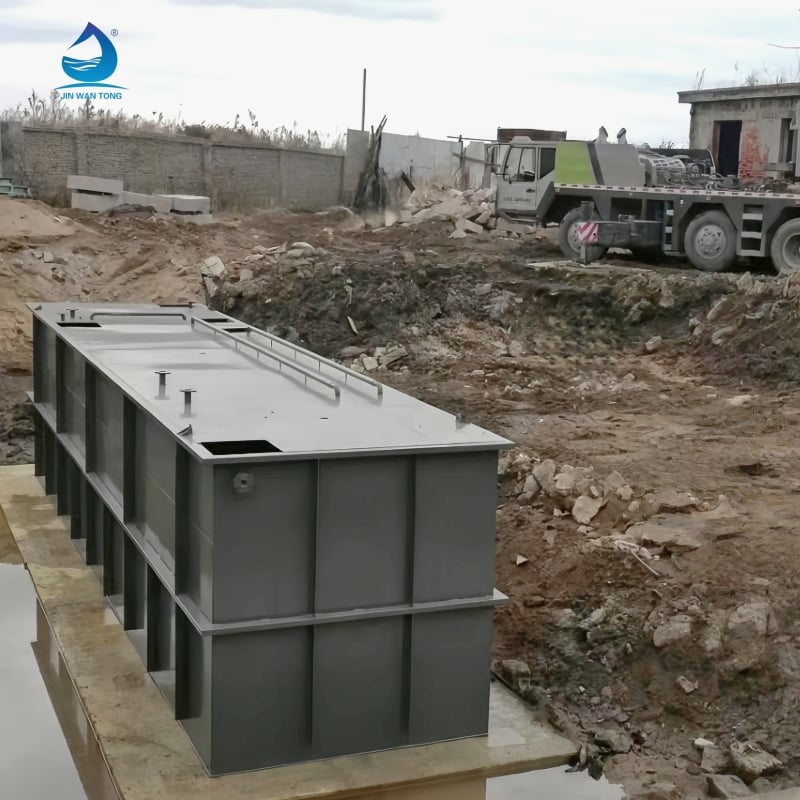
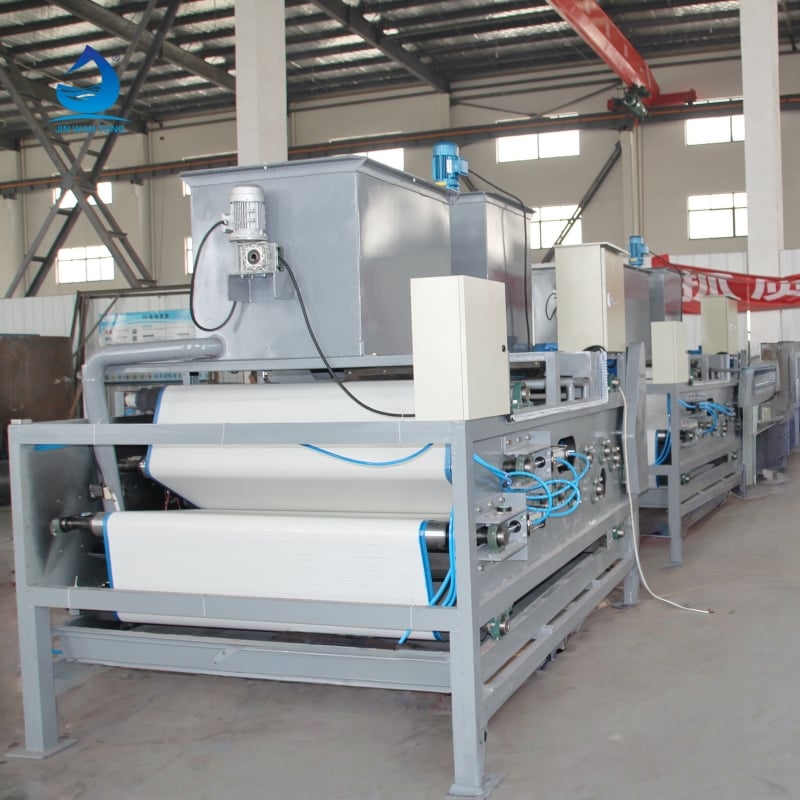
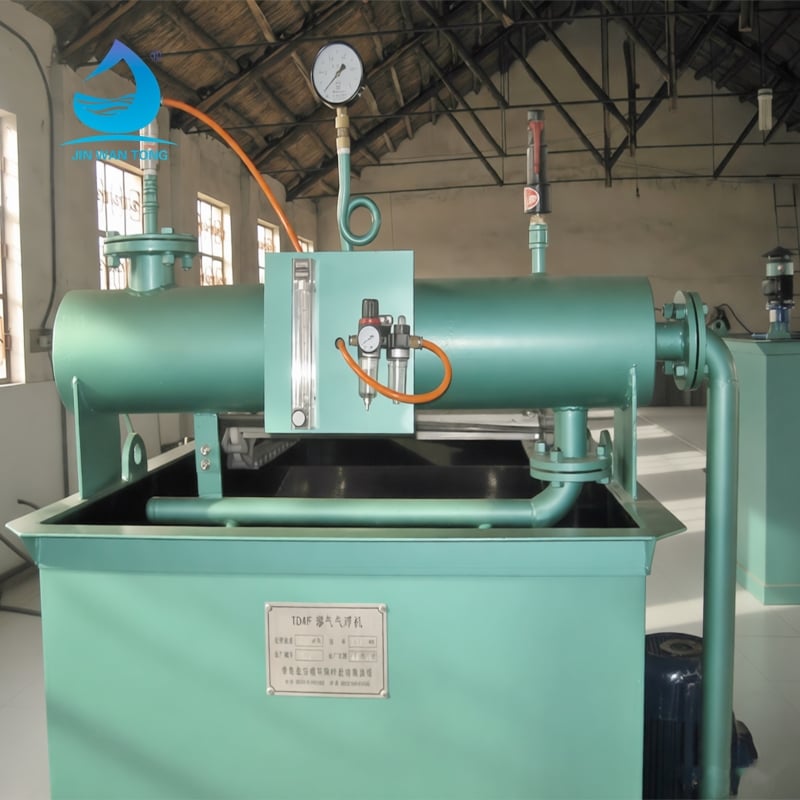
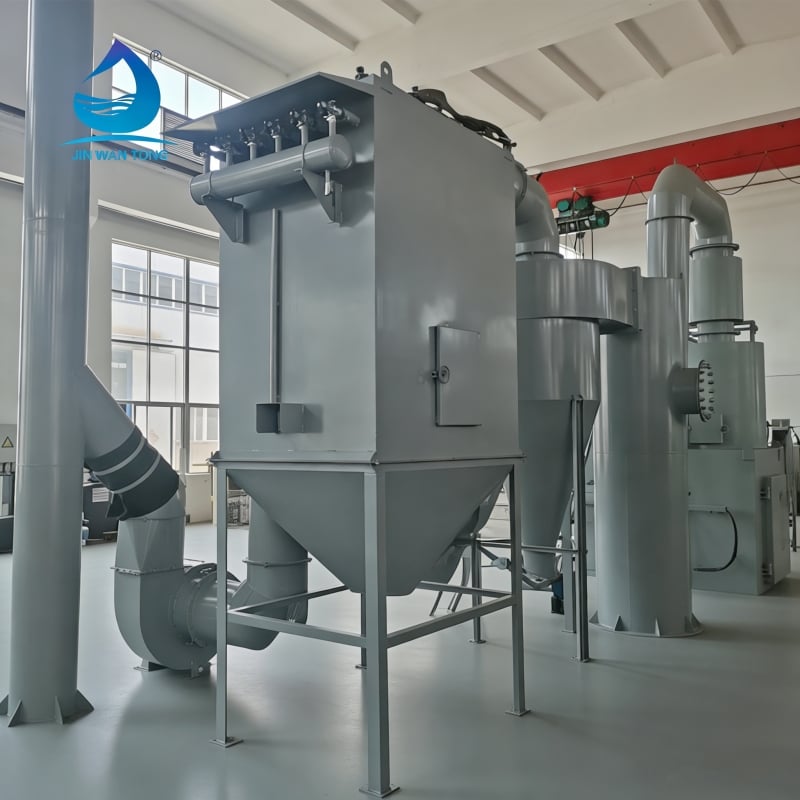
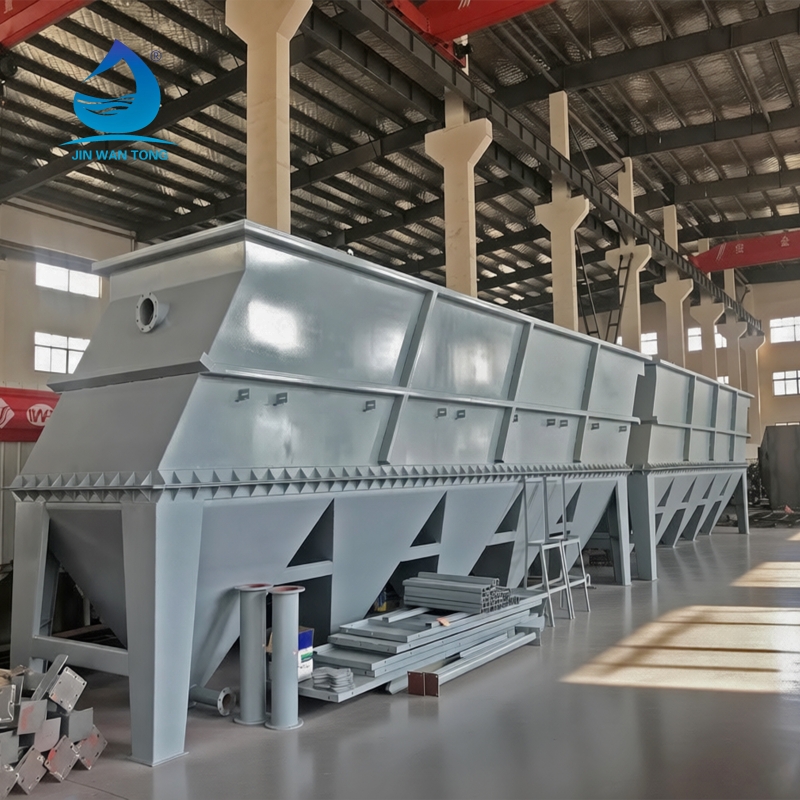
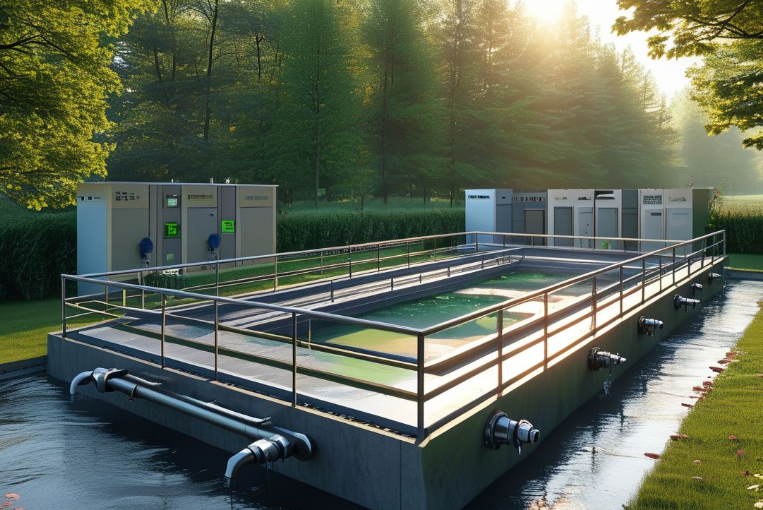
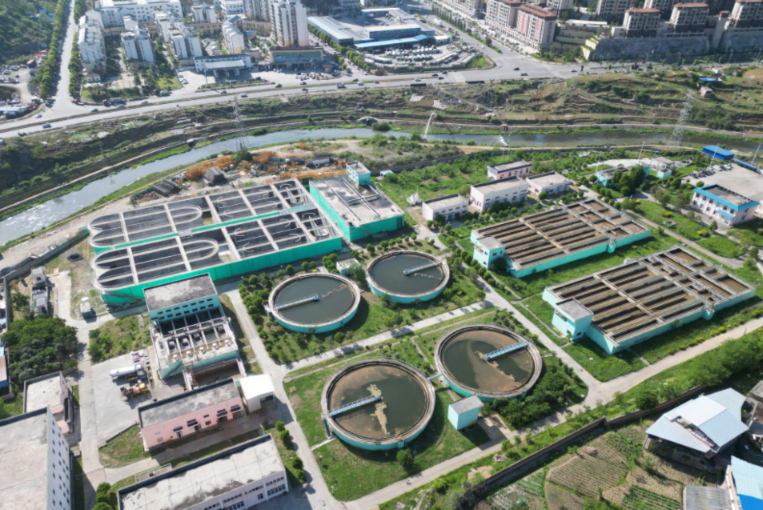
Conventional wastewater treatment represents the foundational approach to cleaning and purifying contaminated water before it returns to the environment or gets reused for various purposes. This time-tested methodology employs a systematic sequence of physical, chemical, and biological processes designed to remove contaminants, pollutants, and harmful substances from residential, commercial, and industrial wastewater streams. The main functions of conventional wastewater treatment encompass the elimination of suspended solids, organic matter, pathogens, nutrients like nitrogen and phosphorus, and various chemical compounds that could pose environmental or health risks. The treatment process typically consists of three primary stages: preliminary treatment removes large debris and grit, primary treatment allows solids to settle and separate from liquids through sedimentation, and secondary treatment utilizes biological processes to break down remaining organic matter. Technologically, conventional wastewater treatment facilities feature robust infrastructure including screening equipment, clarifiers, aeration tanks, and disinfection systems that work together to achieve comprehensive water purification. These systems demonstrate remarkable reliability and consistency in performance, making them suitable for communities of all sizes. Applications span across municipal sewage treatment plants, industrial facilities, commercial buildings, and residential developments where consistent water quality standards must be maintained. The technology incorporates proven engineering principles that have been refined over decades, ensuring predictable outcomes and manageable operational requirements. Modern conventional wastewater treatment systems integrate monitoring technologies and automated controls that enhance efficiency while maintaining strict compliance with environmental regulations. These facilities serve as critical infrastructure components that protect public health, preserve water resources, and support sustainable community development by ensuring that treated effluent meets or exceeds discharge standards before release into natural water bodies.

New Product Recommendations

Conventional wastewater treatment offers numerous practical benefits that make it an attractive solution for organizations seeking reliable water management systems. The technology delivers consistent performance across varying operational conditions, ensuring that treated water consistently meets regulatory standards regardless of seasonal fluctuations or changes in influent characteristics. This reliability translates into predictable operational costs and reduced risk of compliance violations, providing peace of mind for facility managers and environmental officers. The system demonstrates exceptional versatility in handling different types of wastewater streams, from domestic sewage to various industrial effluents, making it suitable for diverse applications without requiring extensive modifications. Implementation costs remain reasonable compared to alternative treatment technologies, with well-established supply chains for equipment and components ensuring competitive pricing and readily available replacement parts. Operating expenses stay manageable through energy-efficient designs and straightforward maintenance requirements that existing staff can typically handle with basic training. The technology supports scalable expansion, allowing facilities to increase treatment capacity as demand grows without completely rebuilding existing infrastructure. Conventional wastewater treatment systems produce high-quality effluent that often exceeds minimum regulatory requirements, creating opportunities for water reuse in irrigation, industrial processes, or groundwater recharge applications. The treatment process generates minimal waste byproducts, with sludge often suitable for beneficial use as soil conditioner or biosolids after proper processing. Environmental benefits include significant reduction of waterborne diseases, protection of aquatic ecosystems, and prevention of groundwater contamination. The established nature of this technology means extensive documentation, standardized procedures, and readily available technical expertise support smooth operations. Regulatory agencies understand and approve these systems quickly, expediting permitting processes and reducing project timelines. Long-term durability ensures decades of reliable service with proper maintenance, making conventional wastewater treatment a sound investment for sustainable water management strategies that protect both public health and environmental resources while supporting economic development goals.

Practical Tips

Overview of the Agricultural Wastewater Treatment Market

17

Dec

Overview of the Agricultural Wastewater Treatment Market

View More
Global Real-Time Wastewater Treatment Update

17

Dec

Global Real-Time Wastewater Treatment Update

View More
Navigating the Waters: The Role of an Industrial Wastewater Treatment Plant

17

Dec

Navigating the Waters: The Role of an Industrial Wastewater Treatment Plant

View More

Get a Free Quote

Our representative will contact you soon.
Email
Name
Company Name
Message
0/1000

conventional wastewater treatment

Proven Reliability and Consistent Performance Standards

Proven Reliability and Consistent Performance Standards

Conventional wastewater treatment systems have established an unmatched track record for reliable performance across diverse operating conditions and geographic locations worldwide. This proven reliability stems from decades of technological refinement and operational experience that have identified and resolved potential failure points, resulting in systems that consistently deliver high-quality treated effluent. The technology employs well-understood biological and physical processes that remain stable under varying influent conditions, seasonal temperature changes, and fluctuating flow rates that characterize real-world wastewater treatment scenarios. Facility operators benefit from predictable system behavior that allows for accurate planning, budgeting, and resource allocation without concerns about unexpected performance variations or treatment failures. The standardized design principles underlying conventional wastewater treatment ensure that systems perform according to established parameters, making it possible to guarantee specific treatment outcomes and effluent quality standards. This consistency proves invaluable for organizations that must maintain strict environmental compliance, as regulatory agencies recognize and trust the proven capabilities of conventional treatment technology. The reliability extends to equipment longevity, with properly maintained conventional wastewater treatment facilities operating effectively for thirty years or more, providing exceptional return on investment through sustained performance over extended operational periods. Maintenance requirements follow established protocols that prevent system failures before they occur, utilizing preventive care strategies that keep equipment running smoothly and minimize unexpected downtime. The predictable nature of conventional wastewater treatment operations enables accurate long-term planning for capital improvements, operational expenses, and regulatory compliance activities. This reliability factor becomes particularly important for communities and businesses that depend on continuous wastewater treatment capacity to support ongoing operations, public health protection, and environmental stewardship obligations that cannot tolerate system interruptions or performance degradation.
Cost-Effective Implementation and Operation

Cost-Effective Implementation and Operation

Conventional wastewater treatment presents compelling economic advantages that make it accessible to organizations with varying budget constraints and financial priorities. The initial capital investment remains competitive compared to alternative treatment technologies, with well-established manufacturing processes and supply chains that keep equipment costs reasonable and delivery schedules predictable. Construction expenses benefit from standardized designs that contractors understand thoroughly, reducing the risk of cost overruns or delays that often accompany more complex or experimental treatment approaches. Operating costs stay manageable through energy-efficient process designs that minimize electricity consumption while maintaining optimal treatment performance, resulting in lower utility bills and reduced environmental impact from energy usage. Maintenance expenses remain predictable and affordable because conventional wastewater treatment systems utilize proven components with established replacement schedules and readily available spare parts from multiple suppliers. The straightforward nature of these systems means that existing facility staff can typically handle routine maintenance tasks with appropriate training, reducing the need for specialized technicians or expensive service contracts. Labor costs stay reasonable because conventional wastewater treatment operations follow well-documented procedures that standard utility workers can master without extensive specialized education or certification requirements. The technology offers excellent value through high treatment efficiency that often produces effluent quality exceeding regulatory minimums, potentially reducing discharge fees or creating opportunities for beneficial reuse that generates additional revenue streams. Long-term financial benefits include stable operational costs that facilitate accurate budget planning, extended equipment life that delays capital replacement expenses, and proven reliability that minimizes emergency repair costs and system downtime. Organizations appreciate the transparent cost structure of conventional wastewater treatment, where expenses remain predictable and manageable without hidden costs or unexpected financial surprises that could strain budgets or compromise other operational priorities essential for organizational success.
Environmental Protection and Regulatory Compliance

Environmental Protection and Regulatory Compliance

Conventional wastewater treatment systems excel at protecting environmental resources while ensuring consistent compliance with increasingly stringent regulatory requirements that govern water quality and discharge standards. The comprehensive treatment process effectively removes a broad spectrum of contaminants including organic matter, suspended solids, pathogens, nutrients, and various chemical compounds that could otherwise harm aquatic ecosystems, contaminate groundwater supplies, or pose risks to public health and safety. Environmental benefits extend beyond basic compliance to include significant improvements in receiving water quality that support healthy fish populations, recreational water use, and downstream water supply sources that communities depend upon for drinking water and economic activities. The biological treatment processes inherent in conventional wastewater treatment systems naturally break down organic pollutants without generating harmful byproducts, utilizing beneficial bacteria and other microorganisms to convert waste materials into harmless substances that integrate safely into natural water cycles. Nutrient removal capabilities help prevent eutrophication in lakes, rivers, and coastal waters, protecting valuable ecosystems from oxygen depletion and algae blooms that can devastate aquatic life and compromise water resources for future generations. Regulatory agencies consistently approve conventional wastewater treatment systems because the technology demonstrates measurable, reliable performance that meets or exceeds established discharge limits for key parameters including biochemical oxygen demand, total suspended solids, and pathogen concentrations. The established nature of these systems means that monitoring protocols, sampling procedures, and reporting requirements are well-defined and straightforward to implement, reducing regulatory compliance burdens while ensuring accurate documentation of environmental protection achievements. Advanced conventional wastewater treatment configurations can achieve effluent quality suitable for various reuse applications, supporting water conservation goals and reducing demand on freshwater resources while maintaining strict environmental protection standards that preserve ecosystem integrity and public health safeguards essential for sustainable community development.
Conventional Wastewater Treatment Solutions: Reliable, Cost-Effective Water Management Systems

Get a Free Quote

Our representative will contact you soon.
Email
Name
Company Name
Message
0/1000