Advanced Activated Sludge Wastewater Treatment: Efficient, Cost-Effective Biological Water Treatment Solutions

All Categories

Get a Free Quote

Our representative will contact you soon.
Email
Name
Company Name
Message
0/1000

activated sludge wastewater treatment

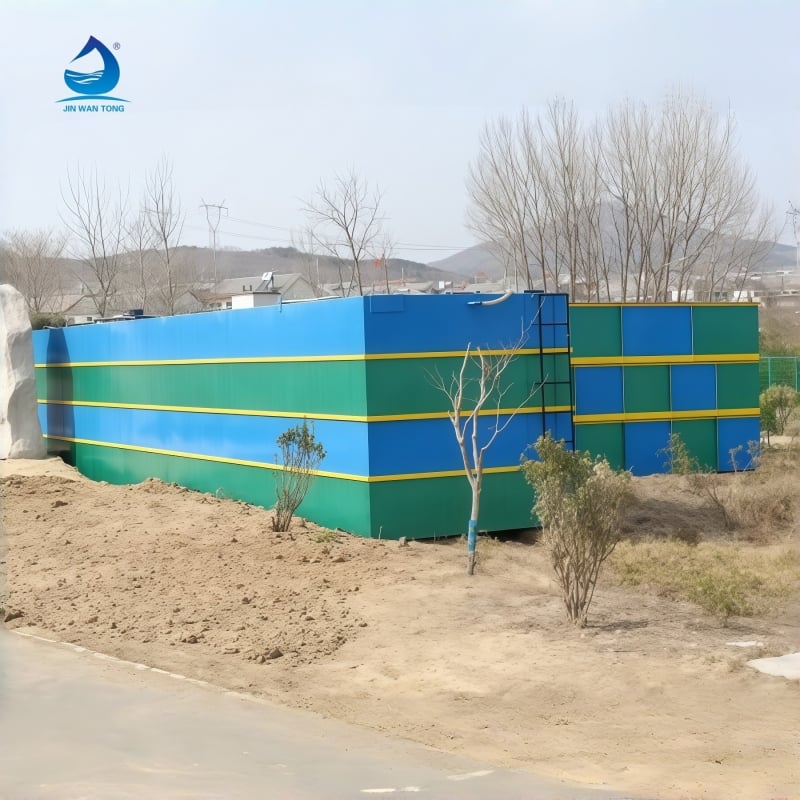
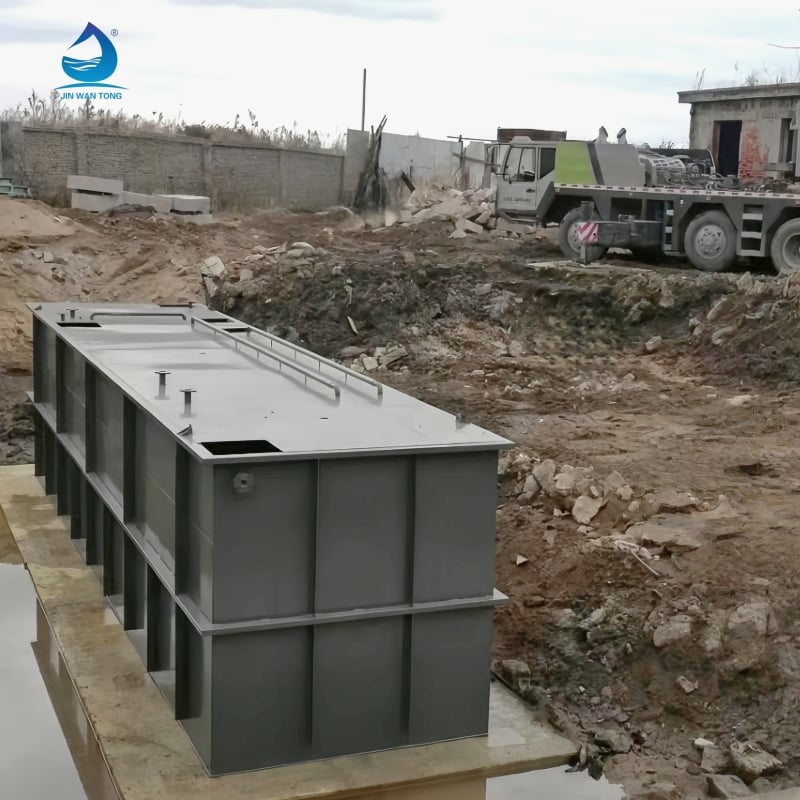
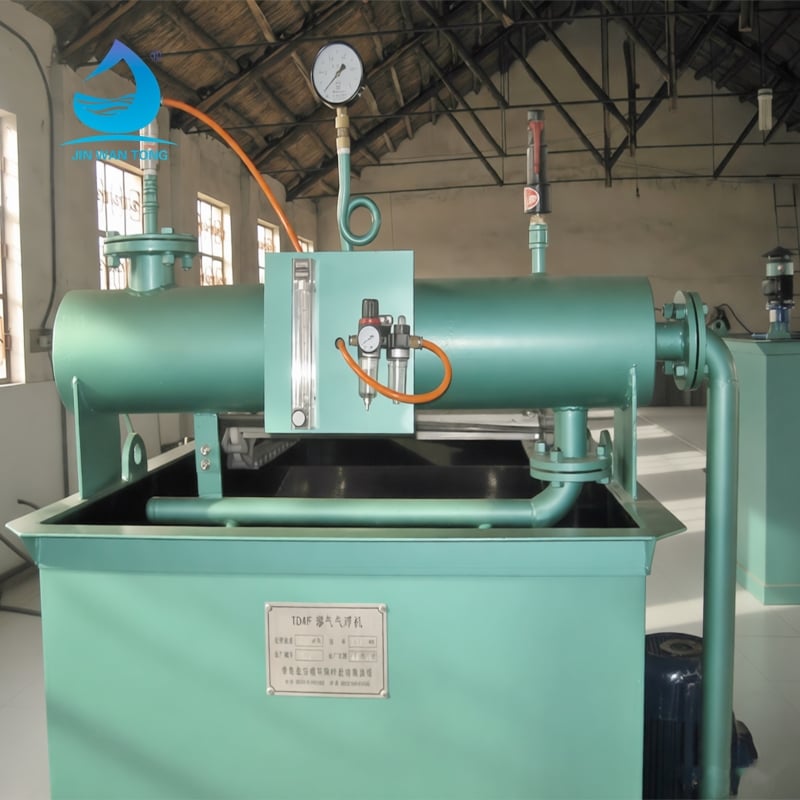
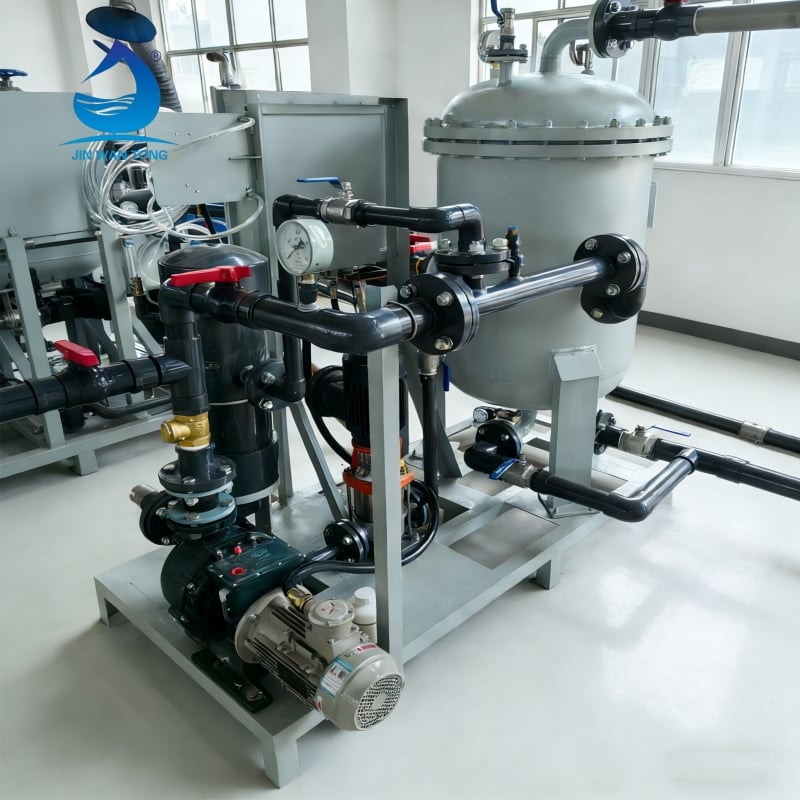
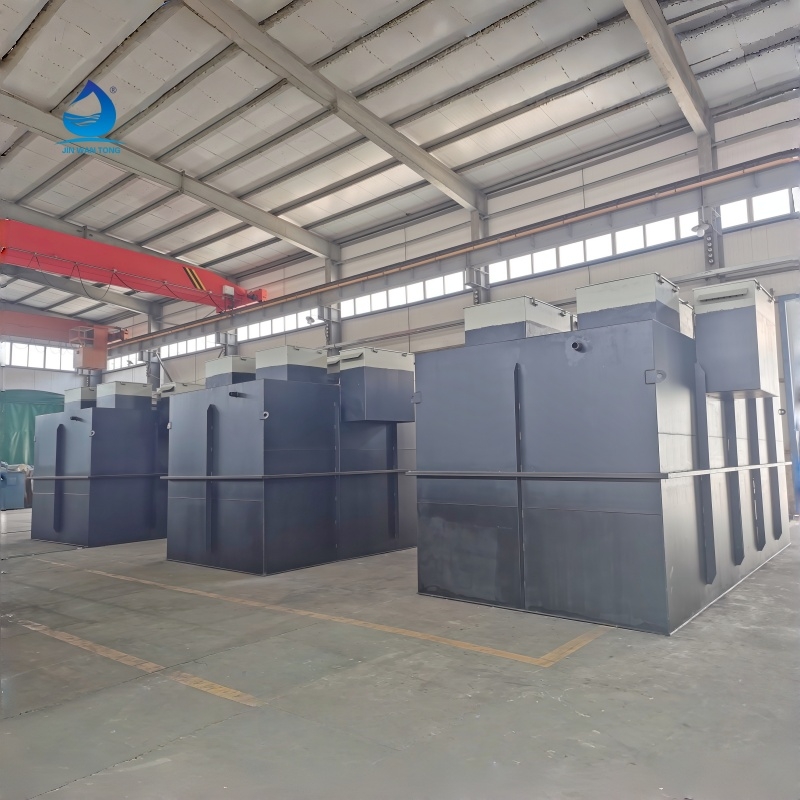
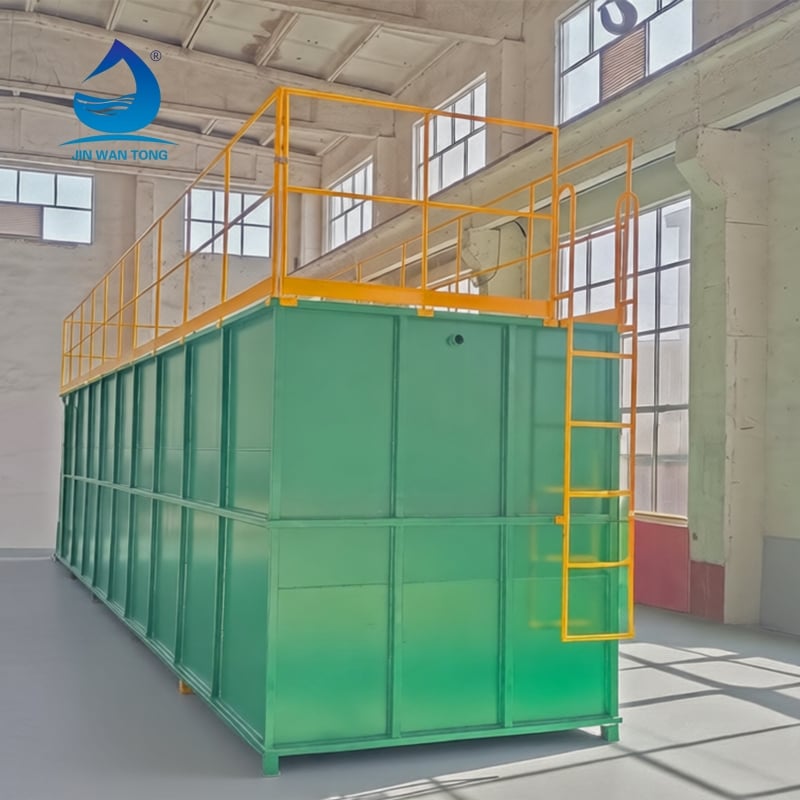
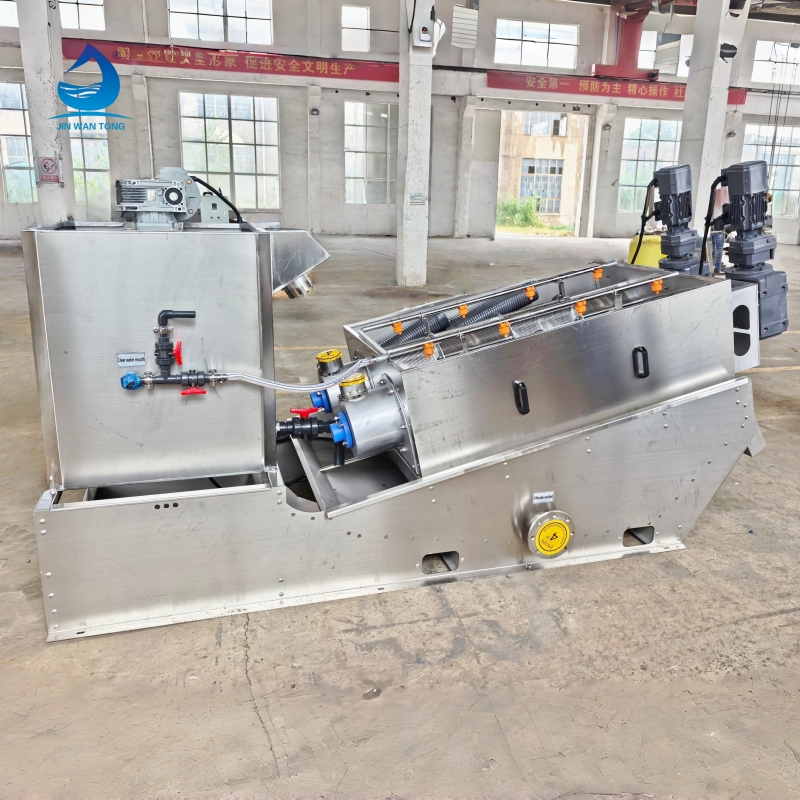
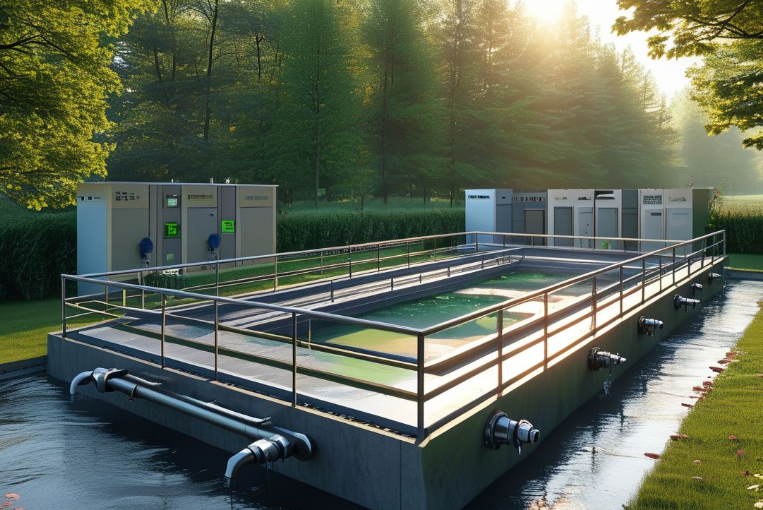
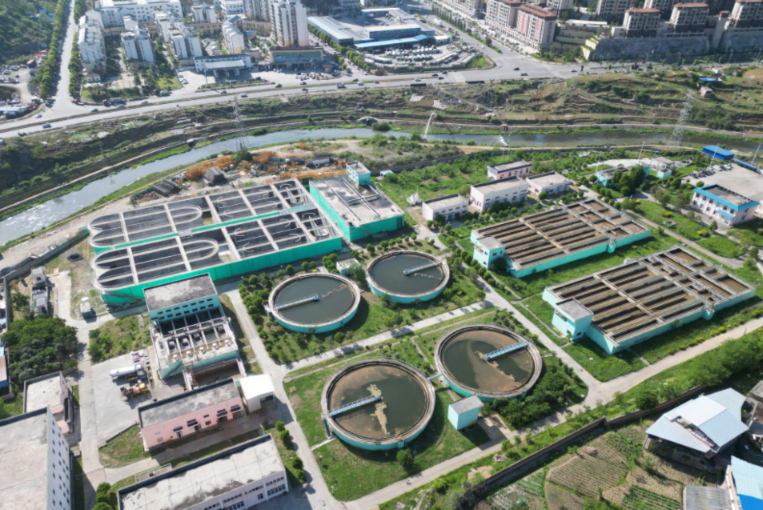
Activated sludge wastewater treatment represents one of the most effective and widely implemented biological treatment processes in modern water management systems. This sophisticated technology harnesses the natural power of microorganisms to break down organic pollutants and contaminants in wastewater, transforming potentially harmful effluent into clean, safe water that can be discharged or reused. The activated sludge wastewater treatment process operates through a carefully controlled biological ecosystem where beneficial bacteria and microorganisms consume organic matter, converting it into harmless byproducts. The main functions of this treatment system encompass the removal of biochemical oxygen demand (BOD), suspended solids, nitrogen compounds, and phosphorus from wastewater streams. The process achieves remarkable efficiency rates, typically removing 85-95% of organic pollutants while maintaining cost-effective operations. Technological features of activated sludge wastewater treatment include aeration tanks where mixed liquor containing activated sludge is continuously circulated and oxygenated, secondary clarifiers for biomass separation, and return sludge systems that maintain optimal microbial populations. Advanced control systems monitor dissolved oxygen levels, sludge age, and food-to-microorganism ratios to ensure peak performance. The treatment process accommodates various operational modes including conventional plug flow, complete mix, sequencing batch reactors, and membrane bioreactors. Applications span across municipal wastewater treatment plants, industrial facilities, commercial developments, and residential communities. Industries such as food processing, pharmaceuticals, chemicals, and textiles rely on activated sludge wastewater treatment to meet stringent discharge standards and environmental regulations. The versatility of this technology allows customization for specific contaminant profiles and flow rates, making it suitable for treating diverse wastewater characteristics while maintaining consistent performance standards and regulatory compliance.

New Product Recommendations

Activated sludge wastewater treatment delivers exceptional benefits that make it the preferred choice for facilities seeking reliable, cost-effective water treatment solutions. This proven technology achieves superior contaminant removal rates, consistently eliminating 90-98% of organic pollutants from wastewater streams while maintaining stable performance across varying load conditions. The biological nature of the process creates a self-sustaining ecosystem that naturally adapts to changing influent characteristics, ensuring continuous treatment effectiveness without requiring frequent chemical additions or expensive consumables. Operational flexibility stands as a major advantage, allowing facility managers to adjust treatment parameters based on seasonal variations, industrial discharge patterns, or regulatory requirements. The activated sludge wastewater treatment system operates efficiently at different temperatures and pH levels, accommodating diverse wastewater compositions without compromising treatment quality. Economic benefits include lower long-term operating costs compared to chemical treatment alternatives, reduced sludge disposal expenses through biological conversion processes, and minimal energy consumption when properly optimized. The technology generates valuable biogas through anaerobic digestion of excess sludge, creating opportunities for energy recovery and reduced utility costs. Environmental advantages encompass significant reduction of carbon footprint through biological processes that naturally mineralize organic compounds, eliminating the need for harsh chemicals that could harm aquatic ecosystems. The treated effluent often exceeds discharge standards, providing opportunities for water reuse in irrigation, industrial processes, or groundwater recharge applications. Activated sludge wastewater treatment systems demonstrate remarkable durability and longevity, with properly maintained facilities operating effectively for decades with minimal equipment replacement. The technology supports sustainable development goals by protecting water resources, reducing pollution loads, and enabling circular economy principles through nutrient recovery and water recycling. Regulatory compliance becomes straightforward as the process consistently meets or exceeds environmental standards, reducing risks of violations and associated penalties while maintaining community trust and environmental stewardship.

Tips And Tricks

Overview of the Agricultural Wastewater Treatment Market

17

Dec

Overview of the Agricultural Wastewater Treatment Market

View More
Global Real-Time Wastewater Treatment Update

17

Dec

Global Real-Time Wastewater Treatment Update

View More
Navigating the Waters: The Role of an Industrial Wastewater Treatment Plant

17

Dec

Navigating the Waters: The Role of an Industrial Wastewater Treatment Plant

View More

Get a Free Quote

Our representative will contact you soon.
Email
Name
Company Name
Message
0/1000

activated sludge wastewater treatment

Advanced Biological Treatment Efficiency

Advanced Biological Treatment Efficiency

The cornerstone advantage of activated sludge wastewater treatment lies in its exceptional biological treatment efficiency, which surpasses conventional treatment methods through sophisticated microbial processes that naturally degrade complex organic compounds. This biological powerhouse creates a thriving ecosystem of beneficial bacteria, protozoa, and other microorganisms that work synergistically to consume organic pollutants, converting them into harmless carbon dioxide, water, and biomass. The process achieves remarkable removal efficiencies of 95-99% for biochemical oxygen demand, 85-95% for suspended solids, and significant reductions in nitrogen and phosphorus compounds, making it ideal for meeting stringent environmental discharge standards. The activated sludge wastewater treatment system maintains consistent performance through automatic adaptation to varying pollutant loads, ensuring stable treatment outcomes regardless of seasonal fluctuations or industrial discharge variations. Advanced process control mechanisms monitor key parameters including dissolved oxygen levels, mixed liquor suspended solids, and sludge volume index, optimizing biological activity for maximum treatment efficiency. The technology excels in handling shock loads and toxic compounds through its diverse microbial community, which can metabolize a wide range of organic substances while maintaining system stability. This biological resilience translates to reduced operational disruptions and consistent compliance with regulatory requirements. The process generates minimal chemical waste since treatment relies primarily on biological mechanisms rather than chemical precipitation or coagulation, reducing environmental impact and disposal costs. Enhanced biological phosphorus removal and nitrification-denitrification processes can be integrated seamlessly, providing comprehensive nutrient removal capabilities without additional chemical inputs. The self-regulating nature of the biological system reduces the need for constant operator intervention, while automated monitoring systems provide real-time performance data for optimal process management and predictive maintenance scheduling.
Cost-Effective Long-Term Operations

Cost-Effective Long-Term Operations

Activated sludge wastewater treatment delivers exceptional long-term economic value through its inherently cost-effective operational characteristics that minimize ongoing expenses while maximizing treatment performance over extended periods. The biological nature of the process eliminates the need for expensive chemical additives, coagulants, and flocculants that chemical treatment systems require continuously, resulting in significant savings on consumable materials and chemical storage infrastructure. Energy efficiency represents a major cost advantage, as modern activated sludge wastewater treatment systems incorporate advanced aeration technologies, variable frequency drives, and process optimization controls that reduce power consumption by 20-40% compared to older treatment methods. The process generates valuable biogas through anaerobic sludge digestion, creating opportunities for on-site energy production that can offset facility power costs and provide energy independence. Maintenance requirements remain minimal due to the robust biological processes that naturally resist system upsets and recover quickly from operational disturbances, reducing downtime and associated repair costs. The activated sludge wastewater treatment system produces less waste sludge volume compared to physical-chemical treatment alternatives, significantly reducing disposal costs and transportation expenses while supporting environmental sustainability goals. Equipment longevity exceeds industry standards, with properly maintained systems operating effectively for 20-30 years with routine maintenance and periodic upgrades, providing excellent return on investment for facility owners. Operator training costs remain reasonable as the standardized nature of activated sludge processes allows technicians to develop transferable skills applicable across different installations. The technology supports modular expansion capabilities, enabling facility owners to increase treatment capacity incrementally as demand grows, avoiding large capital expenditures for oversized systems. Regulatory compliance costs decrease substantially as the reliable performance of activated sludge wastewater treatment reduces risks of permit violations, environmental fines, and costly emergency remediation measures, while providing documentation for regulatory reporting requirements.
Environmental Sustainability and Compliance

Environmental Sustainability and Compliance

The environmental sustainability profile of activated sludge wastewater treatment positions it as the premier choice for organizations committed to responsible water stewardship and regulatory compliance, delivering measurable environmental benefits that extend far beyond basic pollution control requirements. This biological treatment process operates as a carbon-neutral technology that harnesses natural microbial processes to mineralize organic compounds without producing harmful chemical byproducts, significantly reducing the overall environmental footprint of wastewater treatment operations. The activated sludge wastewater treatment system excels in protecting receiving water bodies by removing nutrients that cause eutrophication, preventing algae blooms and oxygen depletion that threaten aquatic ecosystems and biodiversity. Advanced nutrient removal capabilities eliminate nitrogen and phosphorus compounds that contribute to environmental degradation, while the biological treatment process produces high-quality effluent suitable for beneficial reuse applications including irrigation, industrial cooling, and groundwater recharge. The technology supports circular economy principles through resource recovery opportunities, enabling facilities to capture valuable nutrients for fertilizer production, generate renewable energy through biogas recovery, and produce reclaimed water for non-potable applications. Environmental compliance becomes streamlined as activated sludge wastewater treatment consistently achieves effluent quality that meets or exceeds regulatory standards, reducing regulatory risks and supporting long-term operational permits. The process demonstrates remarkable resilience against climate change impacts, maintaining stable performance across varying temperature ranges and seasonal conditions while adapting naturally to changing influent characteristics. Greenhouse gas emissions remain minimal compared to energy-intensive chemical treatment alternatives, supporting corporate sustainability initiatives and carbon reduction goals. The biological treatment process eliminates the need for hazardous chemical storage and handling, reducing risks of accidental releases and associated environmental liability concerns. Life cycle assessments consistently demonstrate superior environmental performance compared to alternative treatment technologies, making activated sludge wastewater treatment the preferred choice for environmentally conscious organizations seeking sustainable, compliant, and effective water treatment solutions that protect both human health and ecological systems.
Advanced Activated Sludge Wastewater Treatment: Efficient, Cost-Effective Biological Water Treatment Solutions

Get a Free Quote

Our representative will contact you soon.
Email
Name
Company Name
Message
0/1000