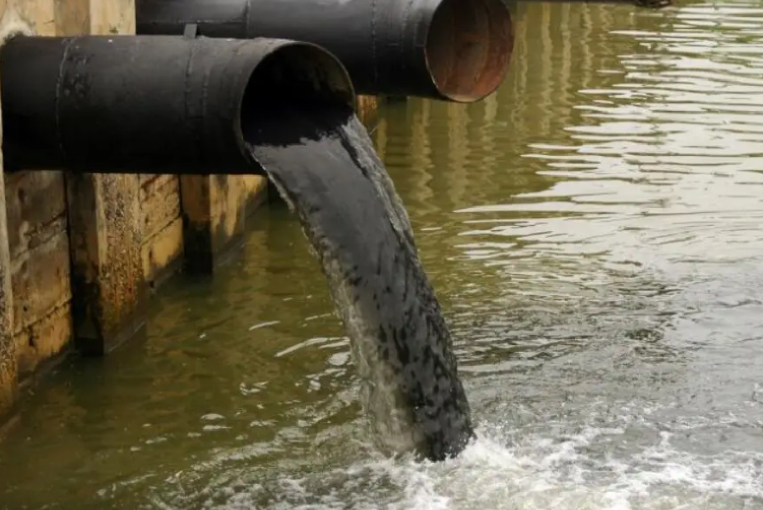
Industrial Sludge Dewatering Machine | 60% Volume Reduction

All Categories

Get a Free Quote

Our representative will contact you soon.
Email
WhatsApp
Name
Company Name
Message
0/1000

Industrial Sludge Dewatering Machine for Efficient Sludge Volume Reduction

An industrial sludge dewatering machine is used to reduce sludge moisture content and sludge volume by separating free water from industrial or municipal sludge. It is widely applied in wastewater treatment plants, food processing, chemical plants, textile dyeing, paper mills, electroplating, slaughterhouses and other industrial effluent systems. A proper sludge dewatering solution helps reduce sludge transportation cost, improve disposal efficiency and support cleaner plant operation. Qingdao Jinwantong Environmental Science And Technology Co., Ltd., founded in 2006 in Shandong, China, manufactures wastewater treatment equipment including sludge dewatering machines, automatic dosing systems, DAF dissolved air flotation machines, lamella clarifiers, CPI oil-water separators, MBR and MBBR systems and packaged sewage treatment plants.

Why Choose Us

Sludge-Based Equipment Selection

We help select suitable dewatering configurations according to sludge source, solids concentration, viscosity, oil content and disposal requirements.

Integrated Dosing and Dewatering

Polymer dosing systems can be matched with the dewatering machine to improve floc formation and enhance sludge-water separation.

Complete Wastewater Equipment Supply

We can supply sludge dewatering units together with DAF, clarifiers, dosing systems, MBR/MBBR plants and packaged treatment systems.

Manufacturer Since 2006

Qingdao Jinwantong supports B2B buyers with equipment manufacturing, customization, technical communication, quotation support and project supply.

New Products

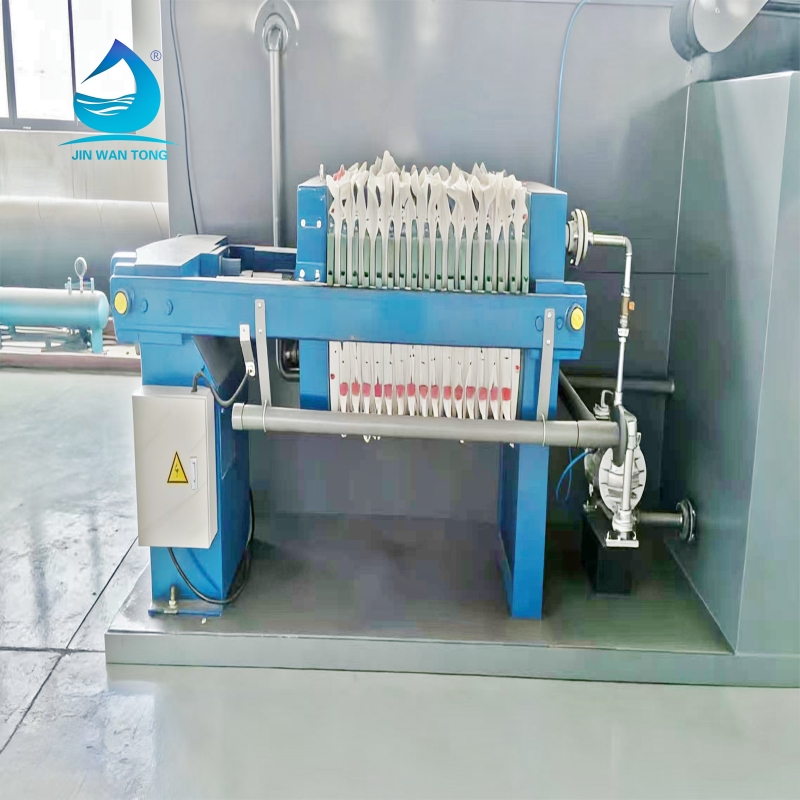
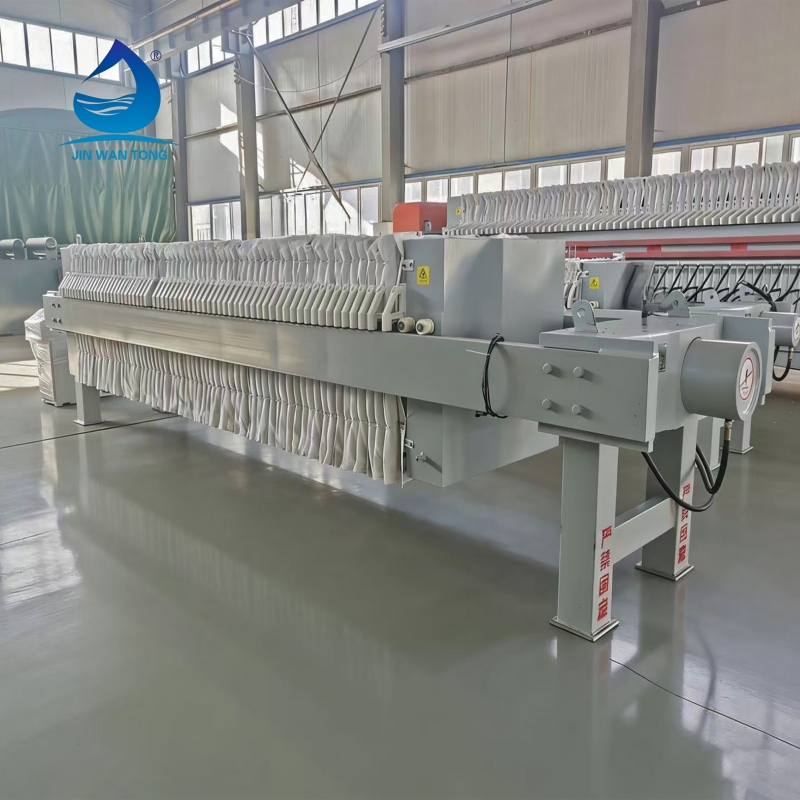
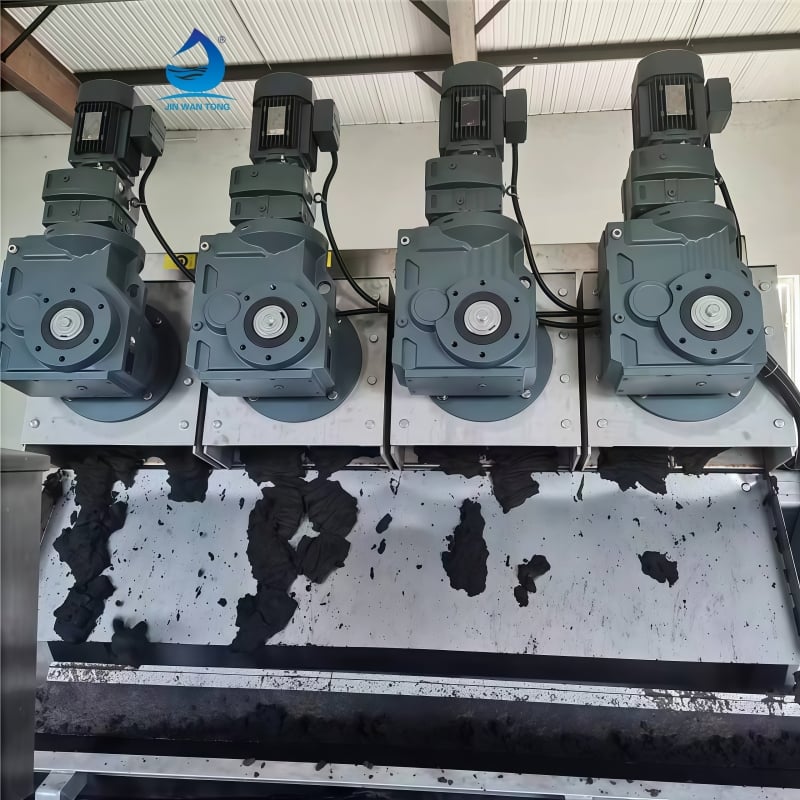
An industrial sludge dewatering machine is used to reduce the water content of sludge produced by wastewater treatment processes. In industrial and municipal treatment plants, sludge often contains a large amount of water, making it heavy, difficult to transport and costly to dispose of. Dewatering equipment separates part of this water and turns liquid or semi-liquid sludge into a more manageable sludge cake.

The basic principle is mechanical solid-liquid separation. Before dewatering, sludge is usually conditioned with polymer or other chemicals to form stronger flocs. Then the conditioned sludge enters the dewatering machine, where water is removed through gravity drainage, screw pressing, filtration, compression or centrifugal force, depending on the selected equipment type.

A typical sludge dewatering process is:

Sludge Storage → Polymer Dosing → Flocculation → Mechanical Dewatering → Sludge Cake Discharge → Filtrate Return

Common sludge dewatering equipment includes screw press dewatering machines, belt filter presses, plate and frame filter presses, chamber filter presses and centrifuges. Each type has different advantages. Screw press machines are often selected for continuous operation, lower noise and easier maintenance. Filter presses can achieve relatively lower cake moisture in some applications but may require batch operation and more labor. Belt presses are suitable for continuous treatment but need stable washing water and maintenance. Centrifuges have high processing capacity but may require higher power and maintenance control.

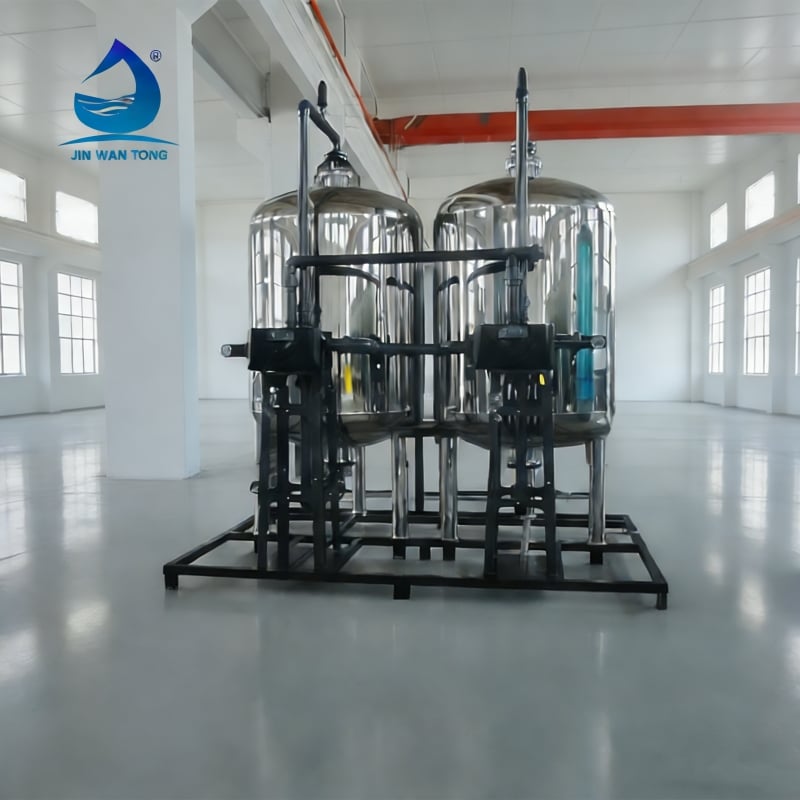
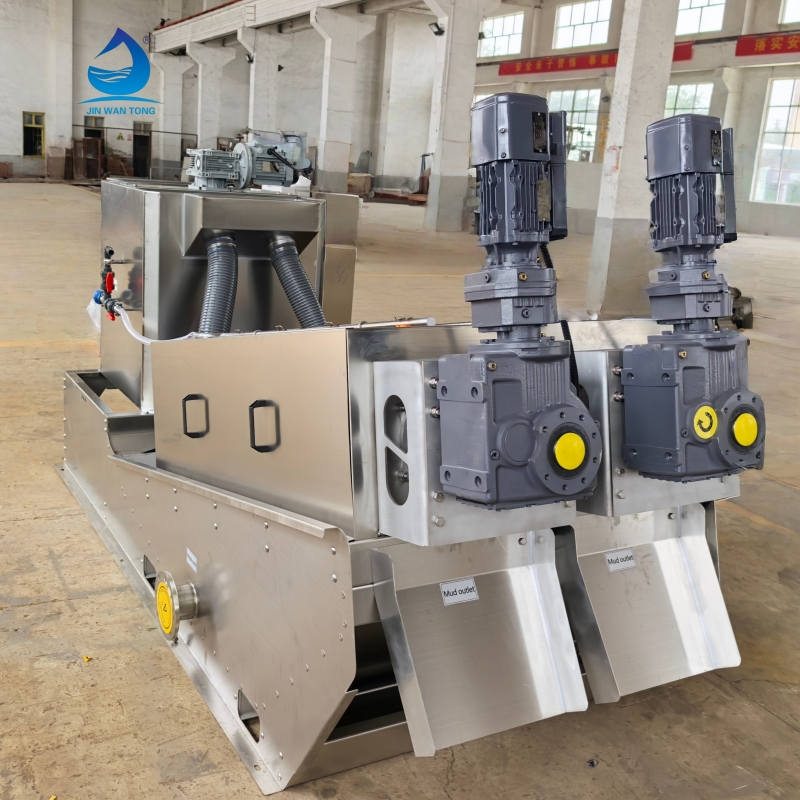
A complete industrial sludge dewatering system may include a sludge feed pump, polymer preparation and dosing unit, flocculation tank, dewatering machine body, screw shaft or filter structure, filtrate collection system, sludge cake outlet, control cabinet, sensors, valves and optional conveyor. Material selection is important because industrial sludge may contain chemicals, oil, salts, abrasive particles or corrosive components.

For B2B buyers, selecting a dewatering machine should not depend only on nominal capacity. Key parameters include sludge source, sludge volume per day, solids concentration, organic or inorganic content, oil and grease level, particle size, pH, temperature, required cake moisture, operating hours, polymer consumption, installation space and disposal method. A small change in sludge properties can strongly affect dewatering performance.

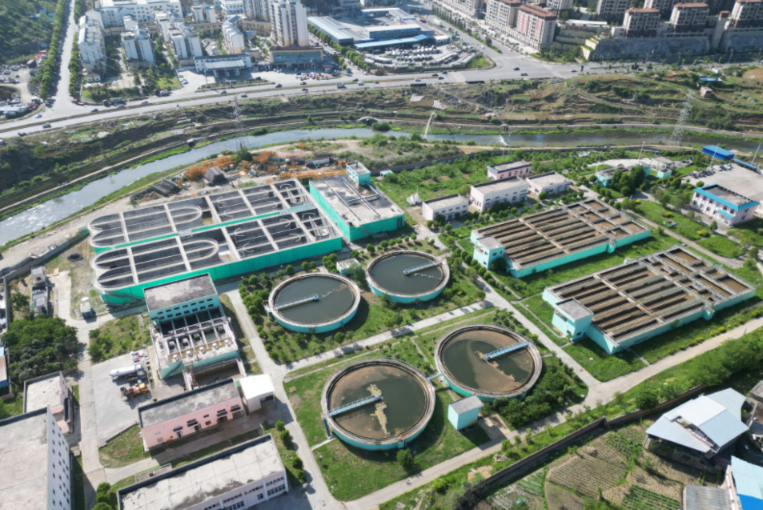
Industrial sludge dewatering machines are commonly used after DAF systems, clarifiers, biological treatment units, chemical precipitation systems and other wastewater treatment processes. The filtrate or separated water usually returns to the wastewater treatment system for further treatment, while the sludge cake is transported for disposal, landfill, incineration, composting or further processing according to local regulations.

However, sludge dewatering does not eliminate sludge completely. It only reduces water content and volume. If sludge contains hazardous substances, heavy metals or toxic chemicals, disposal must follow local environmental regulations.

Qingdao Jinwantong can provide customized sludge dewatering machines and supporting wastewater treatment equipment. Buyers can send sludge source, daily sludge volume, solids content, target moisture, site layout and operation requirements for technical selection and quotation.
Frequently Asked Questions

What is an industrial sludge dewatering machine?

An industrial sludge dewatering machine is equipment used to separate water from sludge and reduce sludge volume, making sludge easier and more economical to transport and dispose of.
Selection depends on sludge type, daily sludge volume, solids concentration, organic content, oil content, target cake moisture, operating hours, polymer use and site space.
Yes. We can customize machine capacity, material, dosing system, flocculation tank, control cabinet, sludge feed system, filtrate collection and skid-mounted layout.
Price depends on treatment capacity, machine type, material, automation level, polymer dosing system, accessories, control requirements, order quantity and shipping conditions.
Routine maintenance includes checking sludge feed, polymer dosing, flocculation effect, screw or filter components, filtrate discharge, sludge cake outlet, bearings, valves and control system.

Tips And Tricks

Overview of the Agricultural Wastewater Treatment Market

17

Dec

Overview of the Agricultural Wastewater Treatment Market

View More
Global Real-Time Wastewater Treatment Update

17

Dec

Global Real-Time Wastewater Treatment Update

View More
Navigating the Waters: The Role of an Industrial Wastewater Treatment Plant

17

Dec

Navigating the Waters: The Role of an Industrial Wastewater Treatment Plant

View More

Applications

Industrial Wastewater Treatment Plants

Used in chemical, textile, printing and dyeing, paper, electroplating, food processing and manufacturing wastewater systems to reduce sludge volume after treatment.

Municipal and Domestic Sewage Treatment

Applied in municipal wastewater plants, rural sewage stations and packaged treatment systems for dewatering biological sludge or mixed sludge.

DAF and Clarifier Sludge Handling

Installed after DAF machines, lamella clarifiers or sedimentation tanks to process floated sludge, settled sludge or chemical precipitation sludge.

Get a Free Quote

Our representative will contact you soon.
Email
WhatsApp
Name
Company Name
Message
0/1000

industrial sludge dewatering machine

Easier Operation With Integrated Support Equipment

Easier Operation With Integrated Support Equipment

A sludge dewatering machine works best when the surrounding system is properly configured. Sludge feed pumps, polymer preparation units, flocculation tanks, control cabinets, filtrate return pipelines and sludge cake discharge devices all affect operation. If these supporting parts are not matched, common problems may include poor floc formation, unstable feed, wet sludge cake, blocked discharge or excessive chemical use. Qingdao Jinwantong can provide sludge dewatering equipment together with automatic dosing systems and related wastewater treatment units, helping buyers build a more complete sludge handling line. For contractors and plant owners, integrated configuration reduces procurement coordination, improves installation compatibility and makes commissioning easier.
Process Matching for Different Industrial Sludge Types

Process Matching for Different Industrial Sludge Types

Industrial sludge is not the same across all plants. Food sludge, oily sludge, chemical precipitation sludge, biological sludge, dyeing sludge and electroplating sludge may behave very differently during dewatering. Some sludge requires stronger flocculation, some needs corrosion-resistant materials, and some may contain oil or fine particles that reduce separation efficiency. A practical sludge dewatering solution should consider sludge source, pH, solids concentration, organic content, oil and grease, abrasive particles and target cake moisture. Qingdao Jinwantong can match dewatering equipment with polymer dosing systems, DAF units, clarifiers and other wastewater treatment equipment. This helps buyers avoid selecting a generic machine that cannot handle their actual sludge properties.
Lower Sludge Disposal Cost Through Volume Reduction

Lower Sludge Disposal Cost Through Volume Reduction

Sludge disposal is often one of the most expensive long-term operating costs in wastewater treatment. Untreated sludge contains a high percentage of water, which increases transport weight, storage space and disposal fees. A properly selected industrial sludge dewatering machine helps reduce sludge volume by removing free water and producing a more manageable sludge cake. This can simplify storage, transportation and downstream disposal. For B2B buyers, the real value is not only the machine price but also the long-term reduction in handling cost. Dewatering performance depends on sludge characteristics, polymer conditioning, feed concentration, machine configuration and operator control. Therefore, equipment should be selected based on actual sludge data rather than only rated capacity.
Industrial Sludge Dewatering Machine | 60% Volume Reduction

Get a Free Quote

Our representative will contact you soon.
Email
WhatsApp
Name
Company Name
Message
0/1000