Industrial Waste Water Treatment Plant Solutions - Advanced Technology for Environmental Compliance

All Categories

Get a Free Quote

Our representative will contact you soon.
Email
Name
Company Name
Message
0/1000

industrial waste water treatment plant

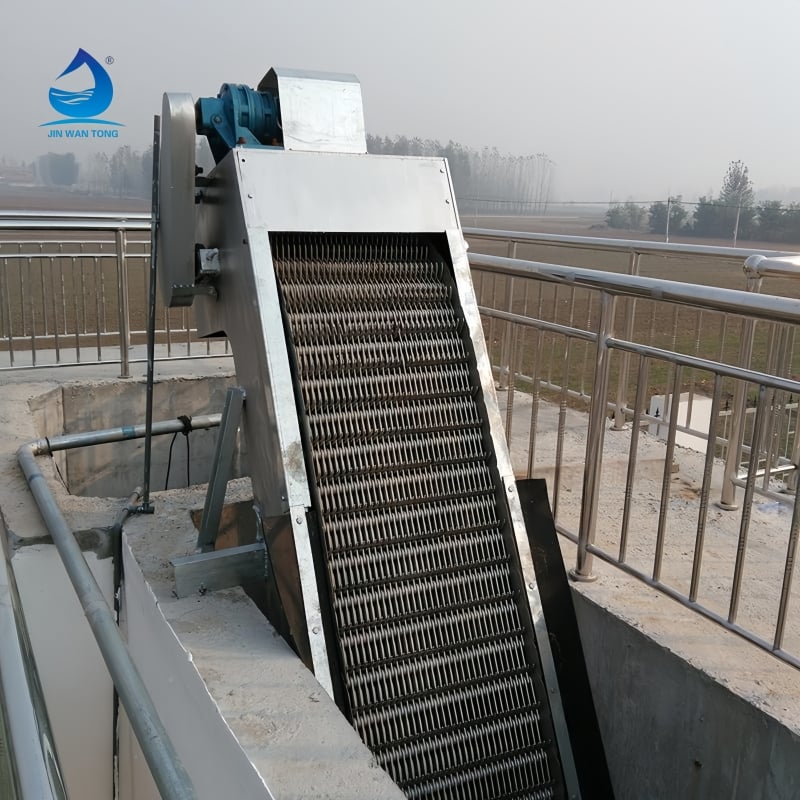
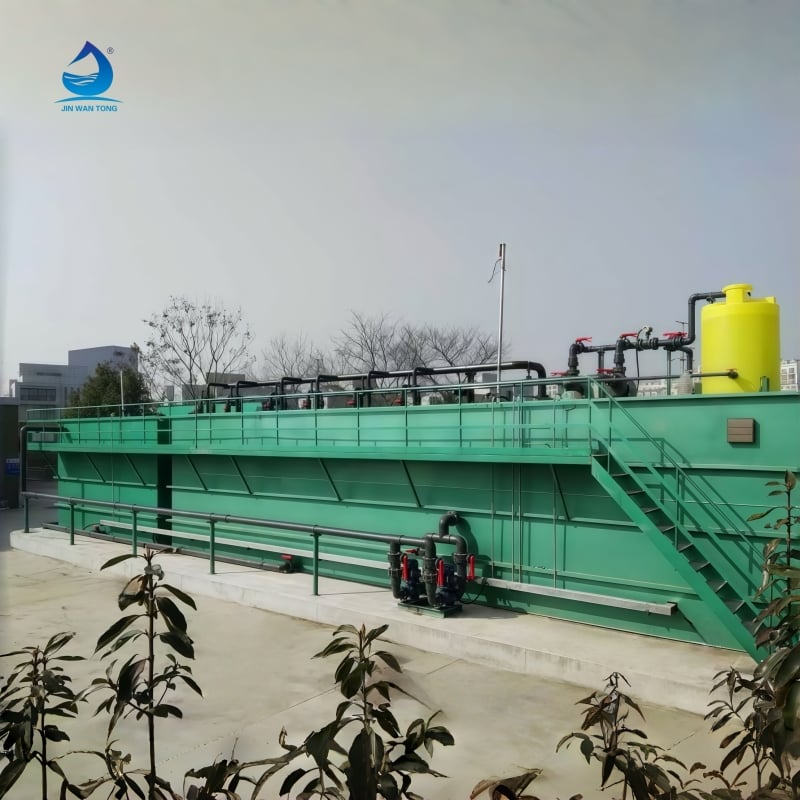
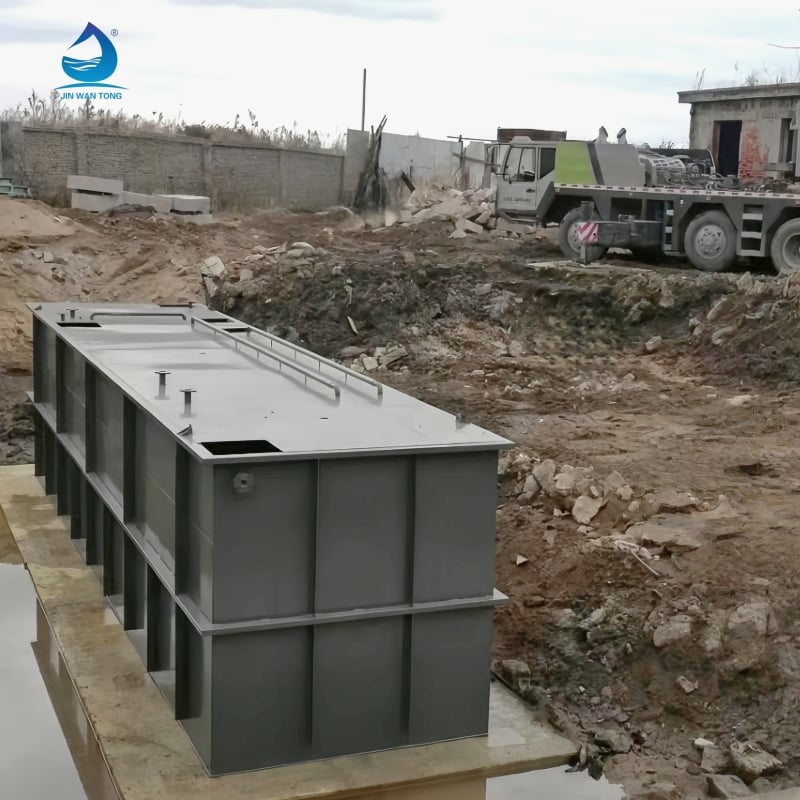
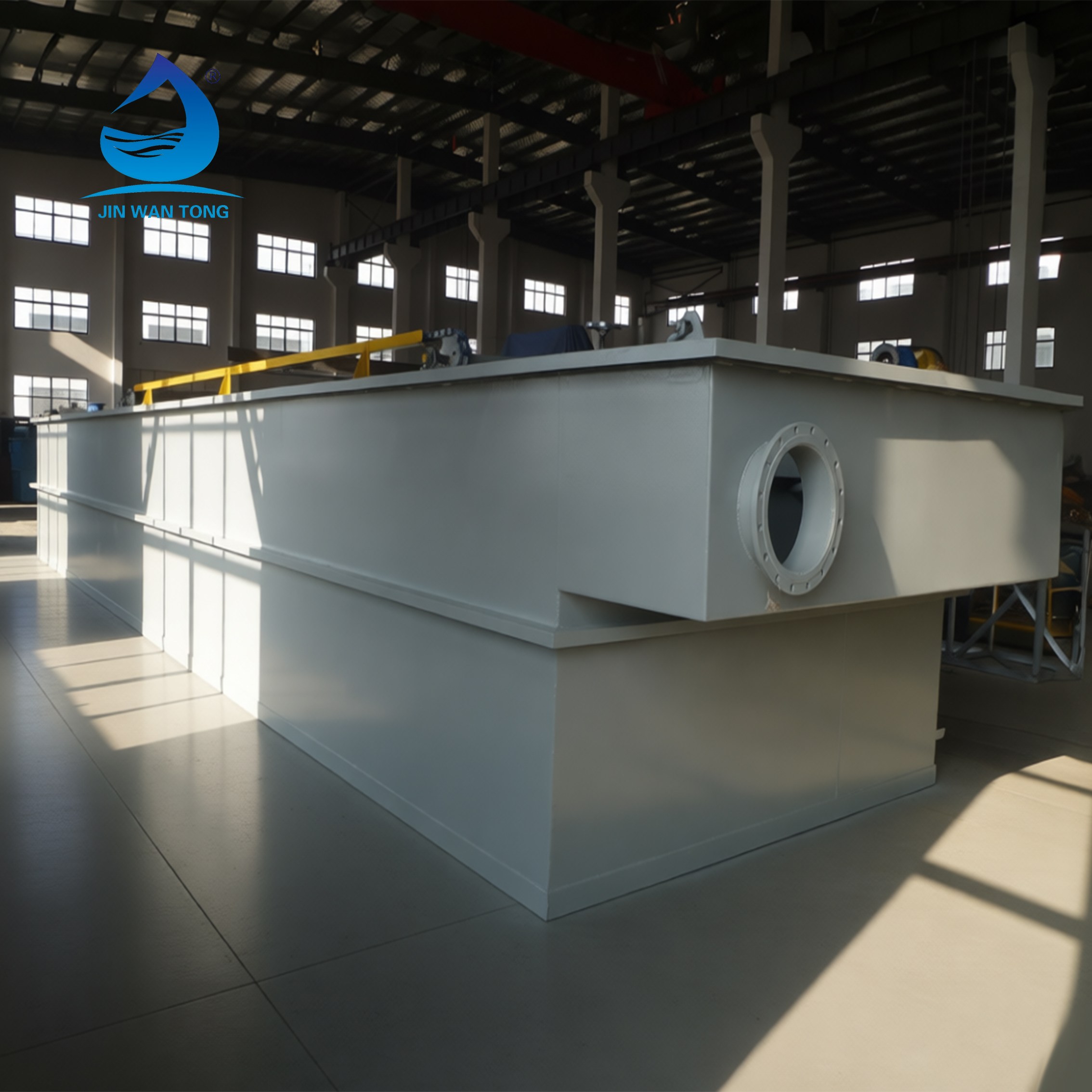
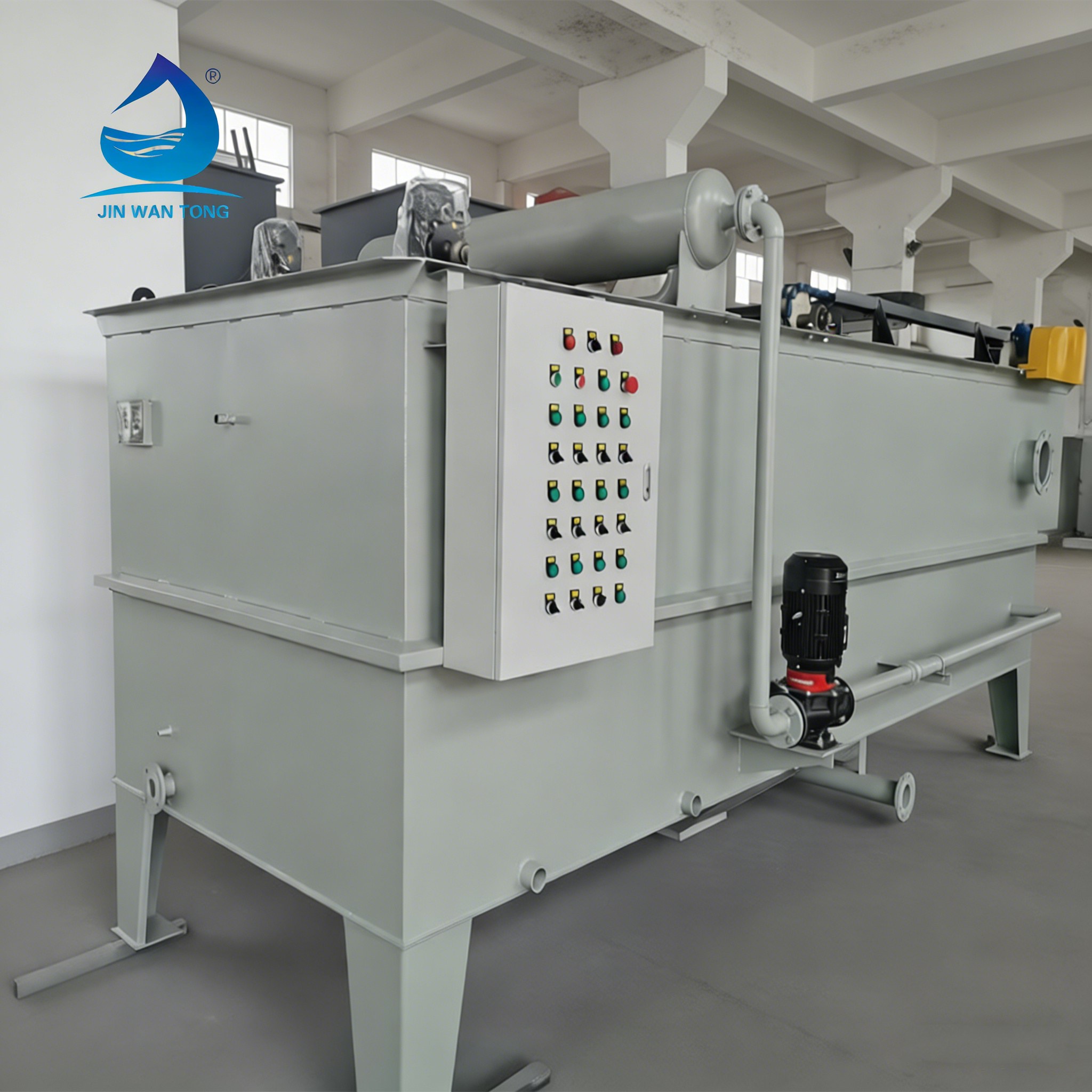
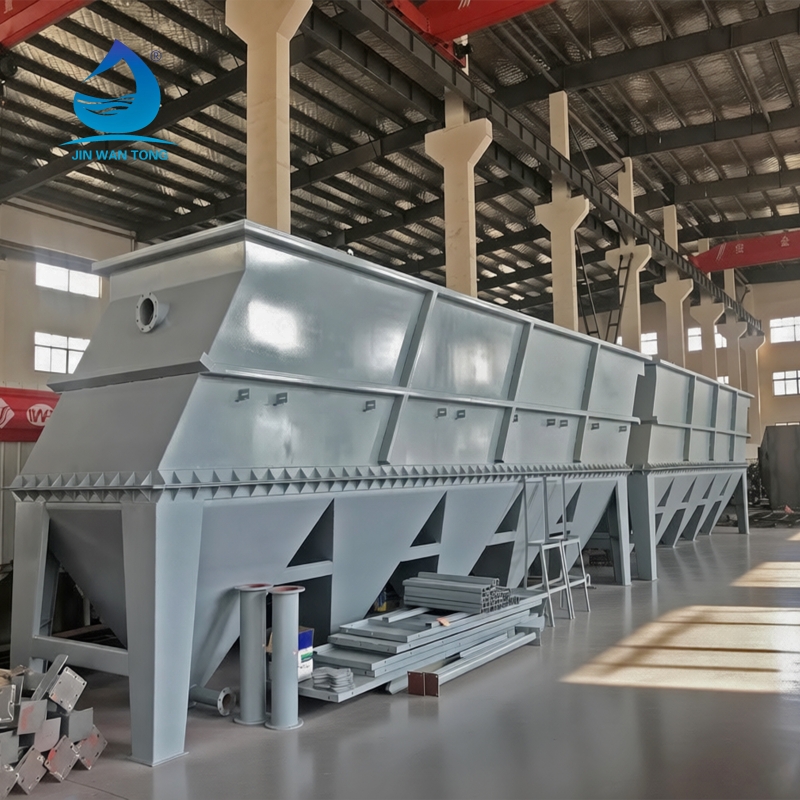
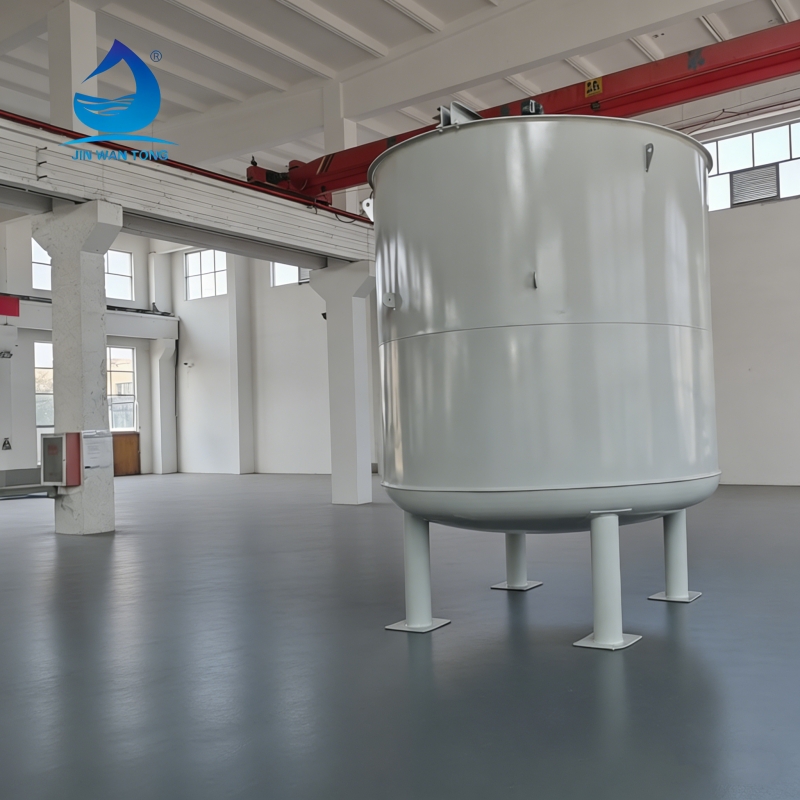
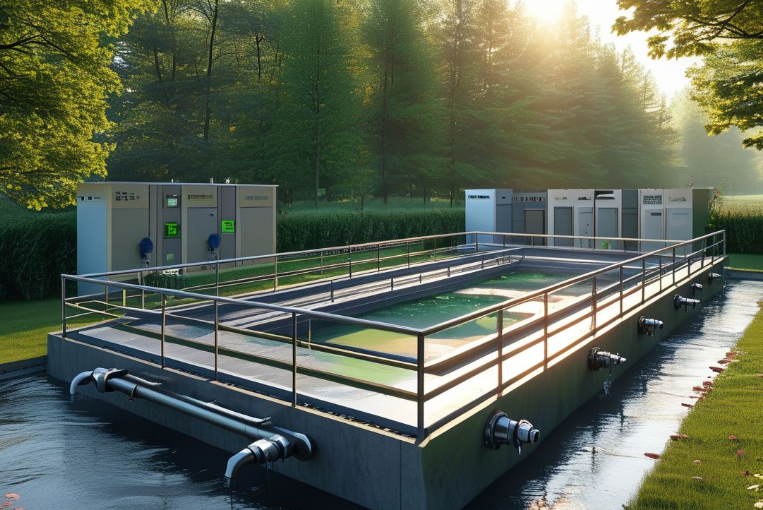
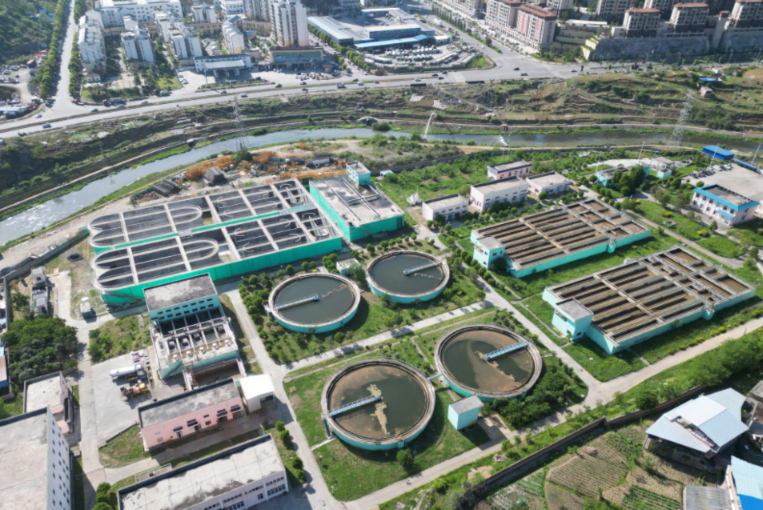
An industrial waste water treatment plant serves as a critical infrastructure facility designed to process and purify contaminated water generated from manufacturing operations, chemical processes, and various industrial activities. These sophisticated systems remove harmful pollutants, toxins, and contaminants from wastewater before discharge or reuse, ensuring compliance with environmental regulations and protecting public health. The industrial waste water treatment plant operates through multiple treatment stages, including preliminary screening, primary clarification, secondary biological treatment, and tertiary advanced processing. Primary functions encompass removing suspended solids, organic matter, heavy metals, chemicals, and pathogenic microorganisms from industrial effluent streams. The technological framework integrates physical, chemical, and biological treatment methods to achieve optimal purification results. Key components include screening equipment, sedimentation tanks, aeration systems, membrane bioreactors, chemical dosing systems, and advanced filtration units. Modern industrial waste water treatment plants incorporate automated monitoring systems that continuously track water quality parameters such as pH levels, dissolved oxygen, chemical oxygen demand, and total suspended solids. These facilities process diverse waste streams from industries including pharmaceuticals, textiles, food processing, petrochemicals, metal finishing, and paper manufacturing. The treatment capacity ranges from small-scale operations handling thousands of gallons daily to large installations processing millions of gallons per day. Advanced industrial waste water treatment plants feature energy recovery systems, sludge management facilities, and resource recovery capabilities that extract valuable materials from waste streams. The integration of smart technologies enables remote monitoring, predictive maintenance, and real-time optimization of treatment processes. These plants play an essential role in sustainable manufacturing practices by enabling water reuse, reducing freshwater consumption, and minimizing environmental impact while supporting industrial growth and regulatory compliance.

New Product Recommendations

Industrial waste water treatment plants deliver substantial cost savings by reducing water consumption and minimizing discharge fees imposed by municipalities and regulatory agencies. Companies operating these facilities significantly lower their operational expenses through water recycling and reuse programs that can reduce fresh water purchases by up to 80 percent. The investment in an industrial waste water treatment plant generates long-term financial returns through reduced utility costs, avoided penalties for non-compliance, and increased operational efficiency. These systems protect businesses from regulatory violations and potential lawsuits by ensuring consistent adherence to environmental standards and discharge permits. The reliability of treatment processes safeguards companies against unexpected shutdowns due to environmental infractions that could cost millions in lost production time. Industrial waste water treatment plants enhance corporate reputation and sustainability credentials, attracting environmentally conscious customers and investors who prioritize responsible business practices. The technology enables companies to meet increasingly stringent environmental regulations while maintaining competitive operations in their respective markets. Resource recovery capabilities within these plants create additional revenue streams by extracting valuable materials such as metals, chemicals, and biogas from waste streams that would otherwise require costly disposal. The consistent water quality output from industrial waste water treatment plants supports stable manufacturing processes, reducing product defects and improving overall production quality. These facilities provide operational flexibility by treating various waste streams simultaneously, accommodating changes in production schedules and product lines without compromising treatment effectiveness. The automated monitoring and control systems reduce labor requirements while improving treatment consistency and reducing human error risks. Industrial waste water treatment plants contribute to community relations by demonstrating environmental stewardship and reducing the burden on municipal treatment facilities. The technology supports business expansion opportunities by providing the infrastructure necessary to increase production capacity without proportionally increasing environmental impact. Emergency response capabilities built into these systems protect against accidental spills and contamination events that could result in catastrophic environmental damage and associated liabilities.

Latest News

Overview of the Agricultural Wastewater Treatment Market

17

Dec

Overview of the Agricultural Wastewater Treatment Market

View More
Global Real-Time Wastewater Treatment Update

17

Dec

Global Real-Time Wastewater Treatment Update

View More
Navigating the Waters: The Role of an Industrial Wastewater Treatment Plant

17

Dec

Navigating the Waters: The Role of an Industrial Wastewater Treatment Plant

View More

Get a Free Quote

Our representative will contact you soon.
Email
Name
Company Name
Message
0/1000

industrial waste water treatment plant

Advanced Multi-Stage Purification Technology

Advanced Multi-Stage Purification Technology

The cornerstone of any effective industrial waste water treatment plant lies in its sophisticated multi-stage purification technology that systematically removes contaminants through carefully engineered processes. This comprehensive approach begins with preliminary treatment stages that remove large debris, oil, and grease through screening and flotation systems, followed by primary clarification that eliminates suspended solids and settles heavy materials. The secondary treatment phase employs advanced biological processes, including activated sludge systems, membrane bioreactors, and moving bed biofilm reactors that consume organic pollutants through controlled microbial activity. These biological systems achieve removal efficiencies exceeding 95 percent for biochemical oxygen demand and total suspended solids, ensuring superior water quality output. The tertiary treatment stage incorporates cutting-edge technologies such as reverse osmosis, ultrafiltration, electrocoagulation, and advanced oxidation processes that eliminate trace contaminants, dissolved metals, and persistent organic compounds. This multi-barrier approach guarantees that even the most challenging industrial waste streams meet or exceed discharge standards and reuse specifications. The integration of real-time monitoring systems throughout each treatment stage enables precise control of operational parameters, optimizing performance while minimizing chemical consumption and energy usage. Automated feedback loops continuously adjust treatment processes based on incoming water quality variations, ensuring consistent output regardless of industrial production fluctuations. The modular design of these purification systems allows for easy expansion and modification to accommodate changing industrial requirements or upgraded environmental standards. This technological sophistication translates directly into operational reliability, regulatory compliance assurance, and long-term cost effectiveness for industrial facilities investing in comprehensive waste water treatment solutions.
Intelligent Automation and Remote Monitoring Capabilities

Intelligent Automation and Remote Monitoring Capabilities

Modern industrial waste water treatment plants incorporate state-of-the-art automation and remote monitoring technologies that revolutionize operational efficiency and treatment reliability through continuous oversight and intelligent process control. These sophisticated systems utilize industrial-grade sensors, programmable logic controllers, and advanced software platforms that monitor critical parameters including flow rates, chemical concentrations, temperature variations, and treatment performance metrics in real-time. The intelligent automation capabilities enable predictive maintenance scheduling based on equipment performance data, preventing costly breakdowns and extending system lifespan while minimizing operational disruptions. Remote monitoring functionality allows facility managers and operators to oversee treatment processes from any location using secure internet connections, smartphones, and tablet devices, providing unprecedented operational flexibility and rapid response capabilities. The integration of artificial intelligence and machine learning algorithms enables these systems to optimize treatment processes automatically by analyzing historical data patterns and adjusting operational parameters to achieve maximum efficiency while minimizing resource consumption. Automated alarm systems immediately notify operators of any deviation from normal operating conditions, enabling swift corrective action before problems escalate into costly failures or regulatory violations. The comprehensive data logging capabilities provide detailed documentation for regulatory reporting, performance analysis, and continuous improvement initiatives that demonstrate environmental compliance and operational excellence. These intelligent systems also facilitate energy optimization through automated scheduling of pumps, blowers, and other equipment based on demand patterns and electricity pricing, resulting in substantial cost savings over time. The user-friendly interface design enables operators of varying technical backgrounds to effectively manage complex treatment processes while maintaining safety and performance standards. This technological advancement represents a significant competitive advantage for businesses seeking to maximize return on investment while ensuring reliable waste water treatment performance that supports sustainable industrial operations and environmental stewardship goals.
Comprehensive Resource Recovery and Sustainability Features

Comprehensive Resource Recovery and Sustainability Features

Progressive industrial waste water treatment plants excel through integrated resource recovery systems that transform waste streams into valuable resources while advancing sustainability objectives and generating additional revenue streams for industrial operations. These innovative facilities incorporate advanced technologies for biogas capture and utilization, where organic matter decomposition produces methane that powers on-site generators, reducing external energy requirements and operational costs significantly. The sludge processing capabilities convert biological waste into valuable soil amendments and fertilizers through controlled composting and dewatering processes, eliminating disposal costs while creating marketable products. Metal recovery systems utilize electrowinning, ion exchange, and selective precipitation technologies to extract valuable metals such as copper, nickel, chromium, and zinc from industrial waste streams, converting environmental liabilities into profitable commodities. Water reclamation features produce high-quality recycled water suitable for cooling systems, boiler feed water, irrigation, and various industrial processes, dramatically reducing freshwater consumption and associated costs. The integrated approach to resource recovery includes heat recovery systems that capture thermal energy from waste streams and treatment processes, reducing heating and cooling requirements throughout the facility. Nutrient recovery capabilities extract phosphorus and nitrogen compounds from waste water for use as agricultural fertilizers, addressing critical global nutrient supply challenges while generating revenue. These sustainability features align with circular economy principles by minimizing waste generation, maximizing resource utilization, and reducing environmental footprint across all operational aspects. The economic benefits of resource recovery often offset treatment costs within five to seven years, making these systems financially attractive investments for forward-thinking industrial enterprises. Carbon footprint reduction achieved through energy recovery, reduced transportation requirements, and decreased need for virgin materials contributes to corporate sustainability goals and environmental reporting requirements. The comprehensive approach to resource recovery positions industrial facilities as environmental leaders in their respective industries while demonstrating commitment to sustainable development and responsible resource management practices that benefit both business operations and broader environmental conservation efforts.
Industrial Waste Water Treatment Plant Solutions - Advanced Technology for Environmental Compliance

Get a Free Quote

Our representative will contact you soon.
Email
Name
Company Name
Message
0/1000