Advanced Waste Water Treatment Systems: Comprehensive Solutions for Environmental Protection and Water Reuse

All Categories

Get a Free Quote

Our representative will contact you soon.
Email
Name
Company Name
Message
0/1000

waste water treatment systems

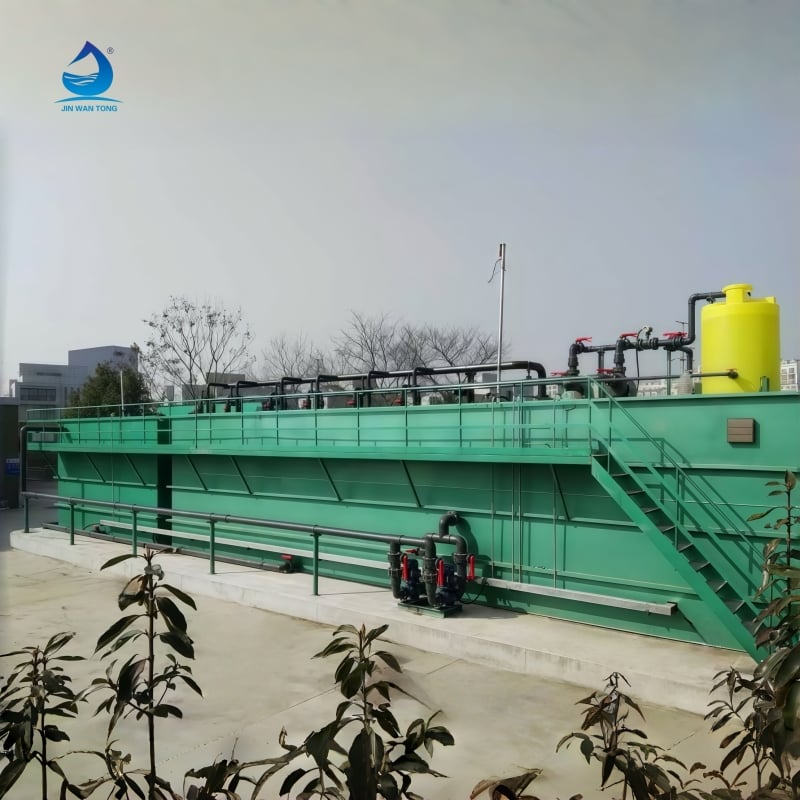
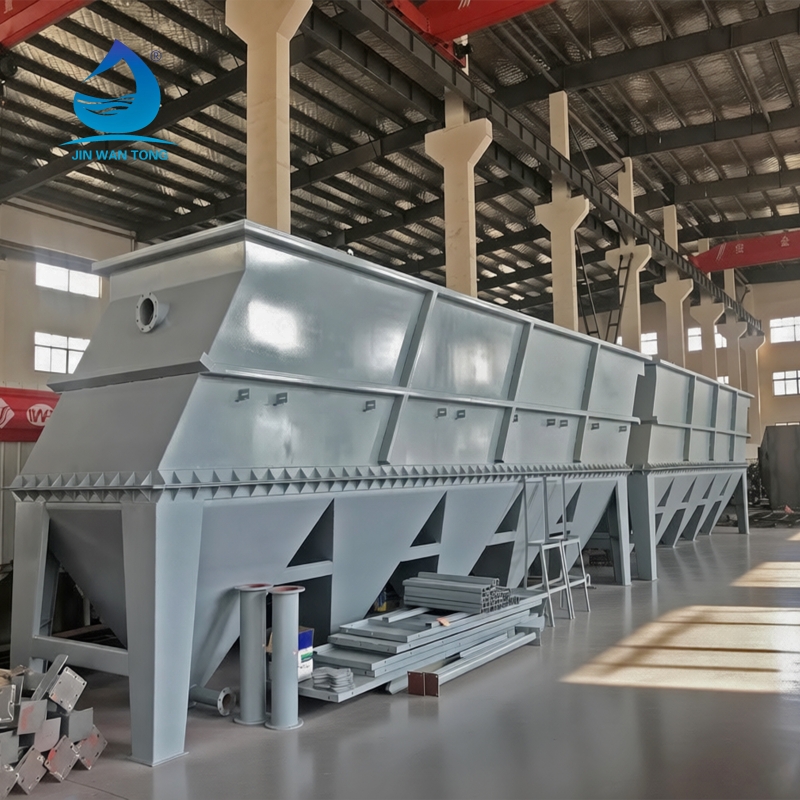
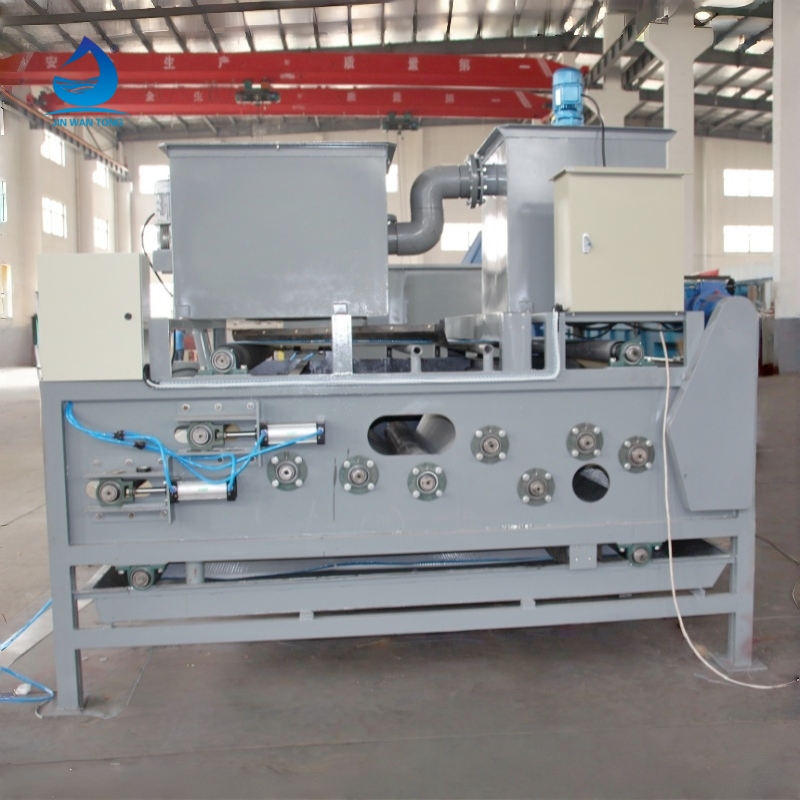
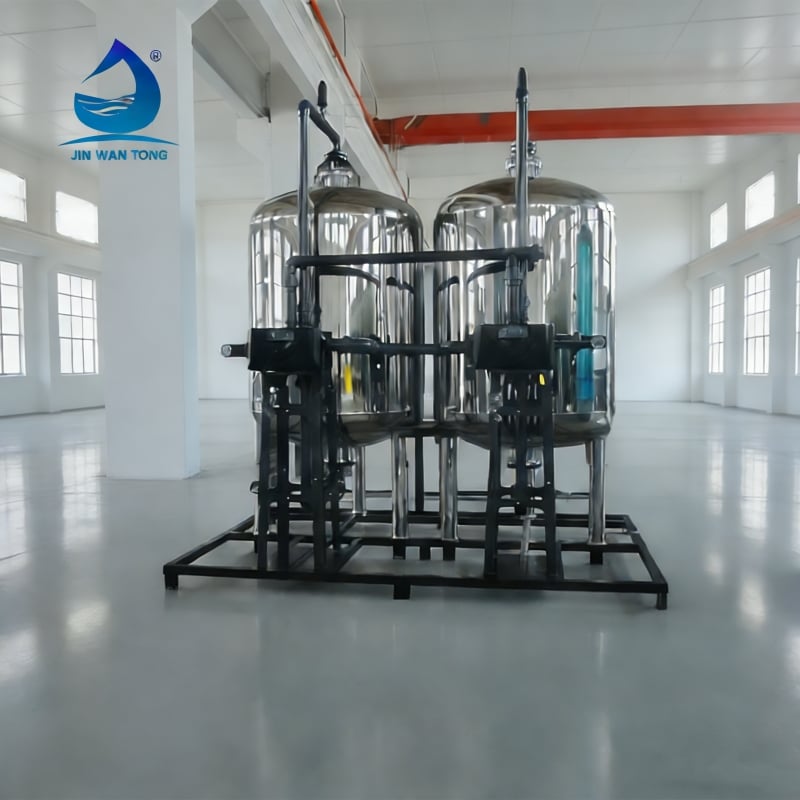
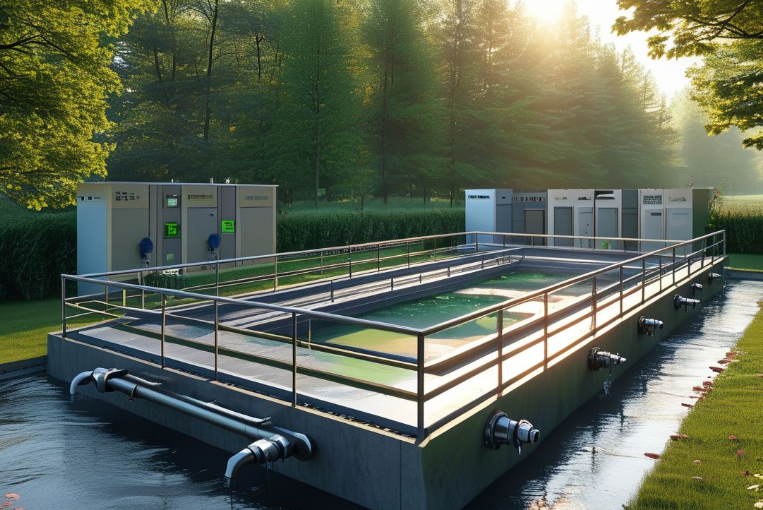
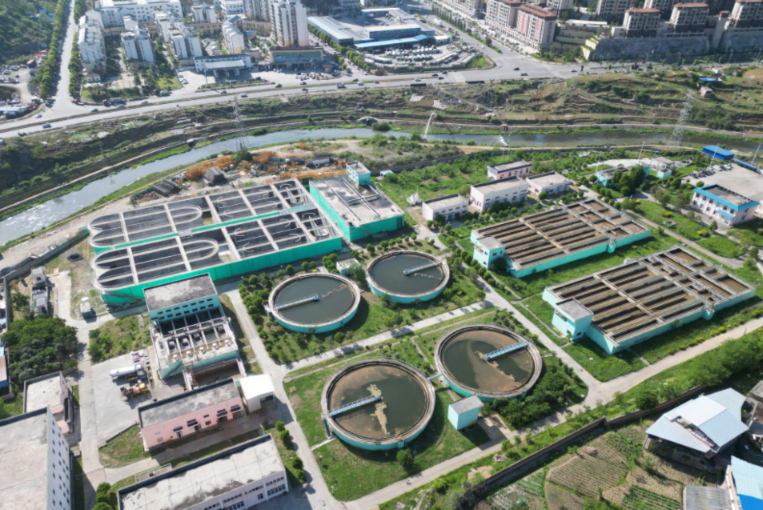
Waste water treatment systems represent sophisticated technological solutions designed to purify contaminated water from residential, commercial, and industrial sources before returning it safely to the environment or reusing it for various applications. These comprehensive systems employ multiple treatment stages to remove physical, chemical, and biological contaminants through advanced engineering processes. The primary function of waste water treatment systems involves the systematic removal of suspended solids, dissolved organic matter, nutrients, pathogens, and toxic substances that could harm aquatic ecosystems and human health. Modern waste water treatment systems utilize cutting-edge technologies including biological treatment processes, membrane filtration, chemical precipitation, and advanced oxidation methods. These systems incorporate primary treatment phases that remove large debris and settleable solids, secondary treatment processes that employ biological methods to break down organic pollutants, and tertiary treatment stages that polish effluent to meet stringent discharge standards. The technological features of contemporary waste water treatment systems include automated monitoring and control systems, energy-efficient equipment, modular designs for scalability, and integrated data management platforms. Applications span across municipal sewage treatment facilities, industrial processing plants, residential communities, commercial complexes, and specialized facilities requiring customized treatment solutions. These systems serve critical roles in protecting public health, preserving water resources, supporting sustainable development, and ensuring regulatory compliance. Waste water treatment systems can be configured as centralized facilities serving large populations or decentralized units for smaller communities and individual properties. Advanced waste water treatment systems now incorporate smart technology features, remote monitoring capabilities, and predictive maintenance systems that optimize performance while reducing operational costs and environmental impact.

Popular Products

Waste water treatment systems deliver substantial environmental protection benefits by preventing harmful pollutants from contaminating natural water bodies, groundwater reserves, and sensitive ecosystems. These systems significantly reduce the risk of waterborne diseases and public health hazards by eliminating pathogens, bacteria, viruses, and toxic chemicals from contaminated water sources. Property owners and municipalities gain considerable cost savings through efficient waste water treatment systems that minimize regulatory penalties, reduce water consumption through recycling capabilities, and lower long-term infrastructure maintenance expenses. Modern waste water treatment systems offer exceptional operational reliability with automated controls that maintain consistent treatment performance while requiring minimal manual intervention from facility operators. The implementation of waste water treatment systems creates opportunities for water reuse and resource recovery, transforming waste streams into valuable resources such as reclaimed water for irrigation, industrial processes, and even potable water applications. These systems enhance property values and community attractiveness by eliminating odors, reducing environmental liability, and demonstrating commitment to sustainable practices that appeal to environmentally conscious residents and businesses. Waste water treatment systems provide regulatory compliance assurance by meeting or exceeding local, state, and federal discharge standards, protecting organizations from costly violations and legal consequences. Energy efficiency improvements in modern waste water treatment systems reduce operational costs while supporting corporate sustainability goals and carbon footprint reduction initiatives. The scalable nature of waste water treatment systems allows for flexible expansion and modification as community needs grow or treatment requirements change over time. Advanced waste water treatment systems incorporate real-time monitoring and data analytics that enable proactive maintenance, optimize chemical usage, and prevent system failures before they occur. These systems create local employment opportunities in construction, operation, maintenance, and technical support sectors while supporting economic development in surrounding communities. The installation of waste water treatment systems often qualifies for government incentives, grants, and favorable financing options that reduce initial investment costs and accelerate return on investment for property owners and municipalities.

Practical Tips

Overview of the Agricultural Wastewater Treatment Market

17

Dec

Overview of the Agricultural Wastewater Treatment Market

View More
Global Real-Time Wastewater Treatment Update

17

Dec

Global Real-Time Wastewater Treatment Update

View More
Navigating the Waters: The Role of an Industrial Wastewater Treatment Plant

17

Dec

Navigating the Waters: The Role of an Industrial Wastewater Treatment Plant

View More

Get a Free Quote

Our representative will contact you soon.
Email
Name
Company Name
Message
0/1000

waste water treatment systems

Advanced Biological Treatment Technology

Advanced Biological Treatment Technology

The biological treatment component of waste water treatment systems represents one of the most sophisticated and environmentally sustainable approaches to removing organic pollutants and nutrients from contaminated water. This advanced technology harnesses the natural metabolic processes of carefully cultivated microorganisms to break down complex organic compounds into harmless byproducts such as carbon dioxide, water, and biomass. Modern biological treatment processes in waste water treatment systems utilize activated sludge systems, membrane bioreactors, moving bed biofilm reactors, and sequencing batch reactors that can be customized to address specific contaminant profiles and treatment objectives. The biological treatment process begins with the introduction of specially selected microbial communities that consume organic pollutants as their food source, effectively converting waste materials into energy for cellular growth and reproduction. These waste water treatment systems maintain optimal environmental conditions including temperature, pH, dissolved oxygen levels, and nutrient ratios to maximize biological activity and treatment efficiency. The biological treatment technology offers significant advantages over chemical treatment methods by producing minimal secondary waste, reducing chemical consumption, and creating stable treatment performance that adapts to varying influent conditions. Advanced biological treatment in waste water treatment systems can achieve remarkable removal efficiencies exceeding 95 percent for biochemical oxygen demand, suspended solids, and ammonia nitrogen while simultaneously reducing phosphorus levels through enhanced biological phosphorus removal processes. The integration of membrane technology with biological treatment creates hybrid waste water treatment systems that deliver superior effluent quality suitable for direct reuse applications or discharge to sensitive receiving waters. This biological approach significantly reduces the environmental footprint of waste water treatment systems by eliminating the need for harsh chemicals, reducing energy consumption compared to physical-chemical treatment methods, and producing beneficial biosolids that can be used as soil amendments or renewable energy sources through anaerobic digestion processes.
Intelligent Monitoring and Control Systems

Intelligent Monitoring and Control Systems

Contemporary waste water treatment systems incorporate sophisticated intelligent monitoring and control systems that revolutionize facility operations through real-time data collection, automated process optimization, and predictive maintenance capabilities. These advanced control systems utilize networks of sensors, analyzers, and monitoring equipment strategically positioned throughout waste water treatment systems to continuously measure critical parameters including flow rates, water quality indicators, chemical dosages, equipment performance metrics, and energy consumption patterns. The intelligent control technology enables waste water treatment systems to automatically adjust operational parameters in response to changing influent characteristics, weather conditions, and treatment objectives without requiring constant operator intervention. Machine learning algorithms integrated into modern waste water treatment systems analyze historical performance data to identify patterns, predict potential equipment failures, and recommend optimal operational strategies that maximize treatment efficiency while minimizing operating costs. The centralized control interface of intelligent waste water treatment systems provides operators with comprehensive dashboards displaying real-time system status, performance trends, alarm notifications, and diagnostic information accessible from both on-site control rooms and remote locations through secure internet connections. These smart control systems enable waste water treatment systems to maintain consistent effluent quality even during peak loading conditions, equipment malfunctions, or operator absence by automatically implementing backup procedures and emergency protocols. The predictive maintenance capabilities of intelligent waste water treatment systems analyze equipment vibration patterns, motor current signatures, and performance trends to schedule maintenance activities before failures occur, reducing unplanned downtime and extending equipment lifespan. Advanced data analytics in waste water treatment systems generate detailed performance reports, regulatory compliance documentation, and operational optimization recommendations that help facility managers make informed decisions about system upgrades, process modifications, and resource allocation. The integration of artificial intelligence in waste water treatment systems continues to evolve, offering possibilities for autonomous operation, energy optimization, and enhanced treatment performance that surpass traditional manual control methods.
Modular and Scalable System Design

Modular and Scalable System Design

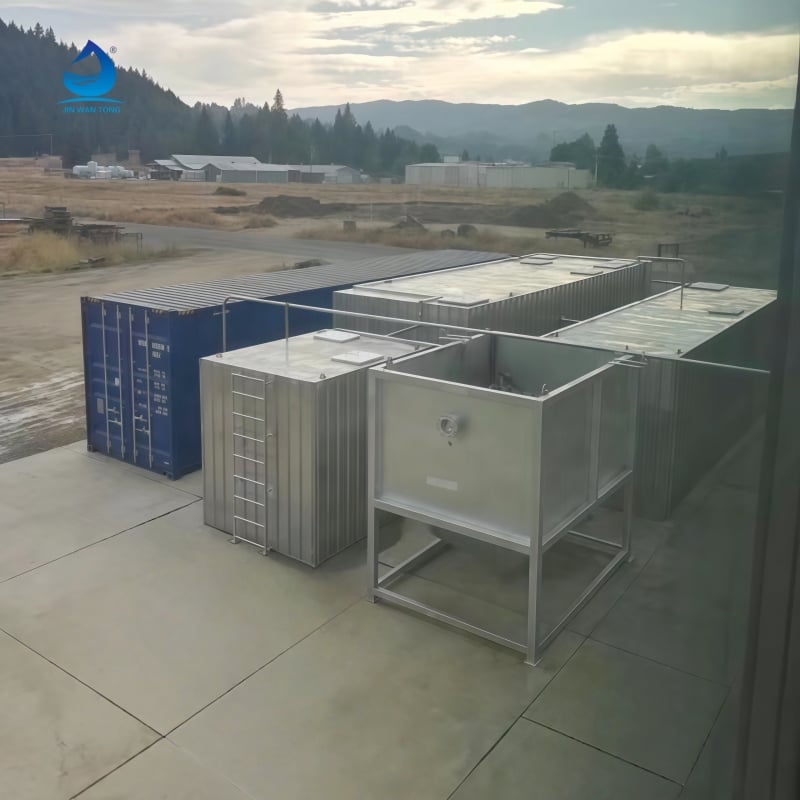
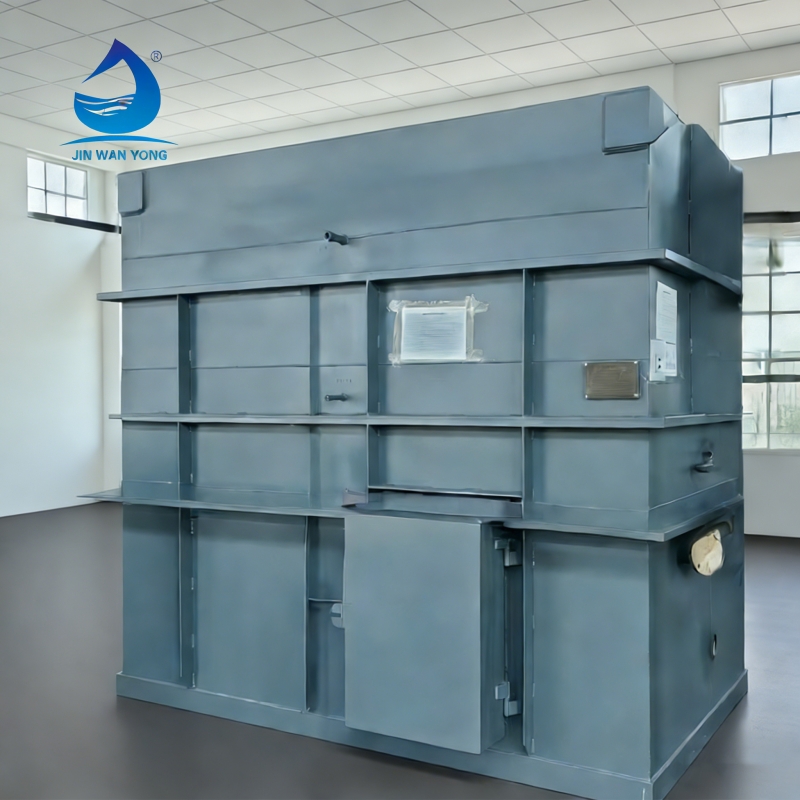
The modular and scalable design philosophy of modern waste water treatment systems provides unprecedented flexibility for installations ranging from small residential developments to large municipal facilities, allowing organizations to implement treatment solutions that precisely match current needs while accommodating future growth and changing requirements. This innovative approach to waste water treatment systems utilizes standardized treatment modules that can be combined, expanded, or reconfigured to create customized treatment trains tailored to specific site conditions, regulatory requirements, and performance objectives. The modular construction of waste water treatment systems significantly reduces installation time and costs by enabling off-site prefabrication of major components in controlled manufacturing environments where quality control measures ensure consistent performance and reliability. Each module in scalable waste water treatment systems incorporates complete treatment processes with integrated controls, allowing facilities to begin operations with minimal capacity and gradually add treatment modules as demand increases or treatment standards become more stringent. This phased implementation approach enables organizations to spread capital investments over time while maintaining continuous treatment operations throughout expansion projects. The standardized interfaces between modules in waste water treatment systems ensure seamless integration and consistent hydraulic profiles that maintain treatment efficiency across all operational configurations. The modular design of waste water treatment systems facilitates easier maintenance and component replacement by providing accessible service areas, standardized spare parts inventory, and simplified troubleshooting procedures that reduce operational complexity and training requirements for facility staff. Transportation advantages of modular waste water treatment systems include the ability to ship complete treatment modules to remote locations, reducing on-site construction time and minimizing disruption to surrounding communities during installation projects. The scalable architecture of waste water treatment systems supports adaptive management strategies that allow facilities to respond quickly to changing regulations, population growth, industrial development, or seasonal variations in waste water characteristics. Quality assurance benefits of modular waste water treatment systems result from factory testing and optimization of individual modules before shipment, ensuring that each component meets performance specifications and integrates properly with existing infrastructure. This modular approach to waste water treatment systems represents a paradigm shift from traditional monolithic designs toward flexible, efficient, and cost-effective treatment solutions that meet the evolving needs of modern communities and industries.
Advanced Waste Water Treatment Systems: Comprehensive Solutions for Environmental Protection and Water Reuse

Get a Free Quote

Our representative will contact you soon.
Email
Name
Company Name
Message
0/1000