Advanced Biological Waste Water Treatment Solutions - Eco-Friendly & Cost-Effective Water Purification Systems

All Categories

Get a Free Quote

Our representative will contact you soon.
Email
Name
Company Name
Message
0/1000

biological waste water treatment

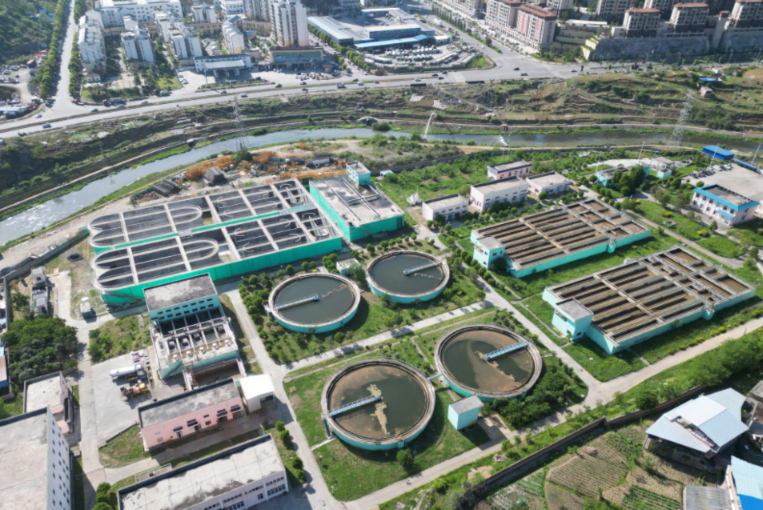
Biological waste water treatment represents a revolutionary approach to purifying contaminated water through natural biological processes. This sophisticated yet environmentally friendly technology harnesses the power of living microorganisms to break down organic pollutants, transforming harmful substances into harmless byproducts. The main functions of biological waste water treatment include removing organic matter, reducing biochemical oxygen demand, eliminating nitrogen and phosphorus compounds, and neutralizing toxic substances present in wastewater streams. The process operates through carefully controlled environments where beneficial bacteria, fungi, and other microorganisms consume organic contaminants as their food source. This natural degradation process effectively converts complex pollutants into simple, non-toxic compounds such as carbon dioxide, water, and biomass. Technological features of biological waste water treatment systems include activated sludge processes, trickling filters, rotating biological contactors, and membrane bioreactors. These systems maintain optimal conditions for microbial activity through precise control of oxygen levels, temperature, pH balance, and nutrient ratios. Advanced monitoring systems continuously track treatment efficiency and adjust operational parameters to ensure maximum pollutant removal rates. The applications of biological waste water treatment span across numerous industries including municipal sewage treatment facilities, food processing plants, pharmaceutical manufacturing, chemical production, textile industries, and agricultural operations. Municipal treatment plants rely heavily on biological processes to handle residential and commercial wastewater, processing millions of gallons daily while meeting strict environmental discharge standards. Industrial facilities utilize customized biological treatment systems designed specifically for their unique waste streams and contamination profiles. The versatility of biological waste water treatment makes it suitable for treating various types of organic pollutants, from simple sugars and proteins to complex synthetic compounds, providing comprehensive solutions for diverse contamination challenges.

New Products

Biological waste water treatment offers numerous compelling advantages that make it the preferred choice for organizations seeking effective and sustainable water purification solutions. The most significant benefit is its exceptional environmental compatibility, as this natural process generates minimal harmful byproducts while effectively removing pollutants without introducing additional chemicals into the ecosystem. Unlike chemical treatment methods that often create secondary pollution concerns, biological waste water treatment produces only harmless end products that safely integrate back into natural water cycles. Cost effectiveness represents another major advantage, as biological systems typically require lower operational expenses compared to alternative treatment technologies. These systems consume less energy than physical or chemical treatment methods, reducing electricity costs substantially over time. The biological process naturally regenerates itself through microbial reproduction, eliminating the need for constant chemical replenishment that characterizes other treatment approaches. Maintenance requirements remain relatively low, as properly designed biological waste water treatment systems operate with minimal intervention once established. The self-regulating nature of biological communities means these systems adapt automatically to varying pollution loads and maintain consistent performance without constant manual adjustments. This reliability translates into reduced labor costs and operational complexity for facility managers. Biological waste water treatment systems demonstrate remarkable flexibility in handling fluctuating waste compositions and volumes. Microbial communities naturally adjust their metabolism to process different types of organic pollutants, making these systems highly adaptable to changing industrial processes or seasonal variations in waste characteristics. This adaptability eliminates the need for multiple specialized treatment systems, simplifying overall facility management. The treatment efficiency of biological systems consistently achieves high pollutant removal rates, often exceeding 95 percent for organic contaminants when properly operated. This superior performance ensures compliance with stringent environmental regulations while protecting downstream water resources. Additionally, biological treatment processes can simultaneously remove multiple types of pollutants, including organic carbon, nitrogen compounds, and phosphorus, providing comprehensive treatment in a single system. The scalability of biological waste water treatment systems accommodates facilities ranging from small commercial operations to large industrial complexes, making this technology accessible to organizations of all sizes.

Practical Tips

Overview of the Agricultural Wastewater Treatment Market

17

Dec

Overview of the Agricultural Wastewater Treatment Market

View More
Global Real-Time Wastewater Treatment Update

17

Dec

Global Real-Time Wastewater Treatment Update

View More
Navigating the Waters: The Role of an Industrial Wastewater Treatment Plant

17

Dec

Navigating the Waters: The Role of an Industrial Wastewater Treatment Plant

View More

Get a Free Quote

Our representative will contact you soon.
Email
Name
Company Name
Message
0/1000

biological waste water treatment

Superior Environmental Sustainability and Ecosystem Protection

Superior Environmental Sustainability and Ecosystem Protection

Biological waste water treatment stands as the pinnacle of environmentally responsible water purification technology, offering unmatched sustainability benefits that protect natural ecosystems while delivering exceptional treatment results. This innovative approach works in harmony with natural biological cycles, utilizing indigenous microorganisms to break down contaminants through processes that mirror those found in healthy aquatic environments. The environmental advantages begin with the complete absence of harmful chemical additives that characterize traditional treatment methods. While chemical treatment systems rely on chlorine, ozone, or other reactive substances that can create dangerous byproducts, biological waste water treatment depends entirely on natural microbial metabolism, eliminating the risk of secondary contamination. This fundamental difference ensures that treated water contains no residual chemicals that could harm aquatic life or disrupt downstream ecological balance. The carbon footprint of biological treatment systems remains significantly lower than alternative technologies, as these systems require minimal energy input while naturally sequestering carbon through biomass production. Microorganisms convert organic pollutants into cellular material and carbon dioxide, effectively removing carbon from the waste stream rather than simply transferring it to another medium. This natural carbon sequestration contributes to overall greenhouse gas reduction efforts while achieving superior treatment outcomes. Biological waste water treatment systems also promote biodiversity by creating controlled environments that support diverse microbial communities. These ecosystems develop complex food webs and symbiotic relationships that enhance treatment efficiency while maintaining ecological balance. The resulting biomass can often be beneficially reused as soil conditioner or fertilizer, creating a closed-loop system that eliminates waste generation. Furthermore, biological treatment processes naturally adapt to seasonal variations and changing environmental conditions, demonstrating resilience that ensures consistent performance without requiring energy-intensive adjustments or chemical interventions that might disrupt local ecosystems.
Exceptional Cost Efficiency and Long-Term Economic Benefits

Exceptional Cost Efficiency and Long-Term Economic Benefits

The economic advantages of biological waste water treatment extend far beyond initial installation costs, delivering substantial long-term financial benefits that make this technology the most cost-effective solution for sustainable water purification. Operating expenses remain consistently lower than alternative treatment methods due to the self-sustaining nature of biological processes that require minimal external inputs once established. Energy consumption represents one of the most significant cost factors in water treatment operations, and biological systems excel in this area by utilizing natural microbial metabolism rather than energy-intensive physical or chemical processes. While conventional treatment methods may require substantial electricity for pumping, heating, or powering chemical reaction systems, biological waste water treatment operates efficiently at ambient temperatures with minimal mechanical intervention. This reduced energy demand translates into dramatically lower monthly utility bills and decreased operational overhead throughout the system's lifespan. Chemical costs, which can represent a major ongoing expense in traditional treatment facilities, become virtually eliminated with biological systems. The microorganisms responsible for pollutant removal reproduce naturally within the system, creating a self-renewing treatment medium that requires no external chemical replenishment. This biological regeneration eliminates recurring purchases of expensive treatment chemicals while maintaining consistent treatment performance over extended periods. Maintenance requirements and associated labor costs remain minimal due to the robust, self-regulating nature of established biological communities. These systems naturally balance themselves and adapt to varying pollution loads without requiring constant monitoring or manual adjustments. Routine maintenance typically involves simple monitoring of basic parameters and occasional biomass management, activities that require significantly less specialized expertise and time compared to complex chemical dosing systems or high-maintenance physical treatment equipment. The longevity of biological waste water treatment systems provides additional economic benefits through extended operational lifespans that often exceed twenty years with proper management, delivering exceptional return on investment while maintaining peak performance throughout their service life.
Advanced Treatment Efficiency and Versatile Pollution Control

Advanced Treatment Efficiency and Versatile Pollution Control

Biological waste water treatment systems deliver unparalleled treatment efficiency through sophisticated microbial processes that achieve superior pollutant removal rates while handling diverse contamination challenges with remarkable versatility. The treatment effectiveness of properly designed biological systems consistently exceeds industry standards, routinely achieving removal efficiencies greater than 95 percent for organic pollutants, biochemical oxygen demand reduction, and suspended solids elimination. This exceptional performance stems from the complex metabolic capabilities of diverse microbial communities that work synergistically to break down even the most challenging organic compounds. The biological treatment process operates through multiple simultaneous mechanisms that provide comprehensive pollution control beyond what single-approach treatment methods can achieve. Aerobic microorganisms consume dissolved organic matter while converting it into harmless byproducts, anaerobic bacteria process complex organic compounds that resist conventional treatment, and specialized microbial populations target specific pollutants such as nitrogen compounds and phosphorus. This multi-pathway approach ensures thorough treatment of complex waste streams containing various types of contamination. Biological waste water treatment systems demonstrate remarkable adaptability to changing pollution characteristics, automatically adjusting their microbial composition and metabolic activity to process new or varying contaminants. This biological flexibility eliminates the need for system modifications or additional treatment stages when industrial processes change or seasonal variations affect waste composition. The microbial communities naturally evolve and optimize their pollution-processing capabilities over time, often improving treatment efficiency as the system matures. Advanced biological treatment configurations can simultaneously achieve multiple treatment objectives, including organic carbon removal, nitrification and denitrification for nitrogen control, enhanced biological phosphorus removal, and pathogen reduction. This comprehensive treatment capability simplifies facility design while ensuring compliance with multiple regulatory requirements through a single integrated system. The treatment consistency of biological systems remains stable across varying operating conditions, maintaining high efficiency despite fluctuations in flow rates, pollution loads, or environmental factors that might compromise other treatment technologies, providing reliable long-term performance for critical water treatment applications.
Advanced Biological Waste Water Treatment Solutions - Eco-Friendly & Cost-Effective Water Purification Systems

Get a Free Quote

Our representative will contact you soon.
Email
Name
Company Name
Message
0/1000