A filter press helps WWTPs and industrial wastewater plants turn high-moisture sludge into drier cake, reducing sludge volume, transport frequency, disposal cost, and solid-liquid separation problems. This guide explains when a filter press makes business sense and how B2B buyers should select one.
Why a Filter Press Directly Reduces Sludge Disposal Cost
A filter press reduces cost because it removes water from sludge before transport, landfill, incineration, or further treatment. For most wastewater projects, sludge disposal cost is calculated by weight, volume, or handling frequency. The more water left in the sludge, the more the buyer pays to move and treat material that has little value.
In practical operation, a sludge filter press compresses conditioned sludge between filter plates. Water passes through the filter cloth as filtrate, while solids remain inside the chambers and form a cake. Compared with storing liquid sludge or relying on drying beds, this mechanical process gives operators better control over sludge volume and site hygiene.
For B2B buyers, the key value is not only “drier sludge.” The real value is lower total operating cost. A suitable dewatering filter press can reduce truckloads, storage area, odor issues, leachate risk, and downstream fuel demand if the sludge is later sent to an incinerator.
|
|
|
| Buyer Pain Point |
How a Filter Press Helps |
Business Impact |
| High sludge moisture |
Produces drier sludge cake |
Lower disposal weight |
| Large sludge volume |
Compresses solids into compact cake |
Less storage space |
| Frequent transport |
Reduces hauling frequency |
Lower logistics cost |
| Poor filtrate quality |
Improves solid-liquid separation |
Easier water return or reuse |
| Manual handling burden |
Supports mechanical discharge options |
Cleaner site operation |
This is why many WWTP and ETP projects treat sludge dewatering equipment as a cost-control investment rather than only an auxiliary machine.
How a Filter Press Improves Solid-Liquid Separation Efficiency
A filter press improves solid-liquid separation by combining pressure, filter cloth selection, and chemical conditioning. Instead of waiting for solids to settle naturally, the system forces water out through controlled filtration, making it suitable for fine particles, industrial sludge, and wastewater with difficult suspended solids.
The performance of a filter press machine depends on four practical factors: sludge characteristics, conditioning chemicals, filtration pressure, and cycle time. If the sludge contains fine particles or colloidal matter, chemical conditioning with polymer, PAC, lime, or other agents may be needed before feeding. Without proper conditioning, even good solid liquid separation equipment can suffer from slow filtration, sticky cake, or cloudy filtrate.
A well-selected industrial filter press can be used in many applications, including municipal sludge, food processing wastewater, chemical sludge, paper mill sludge, textile wastewater, mining slurry, stone cutting wastewater, and oily wastewater pretreated by DAF or sedimentation.
However, buyers should avoid one common mistake: expecting the same cake moisture for every sludge type. Final dryness varies by solids concentration, organic content, particle size, viscosity, and chemical dosage. The correct decision is to test or estimate based on actual sludge data, not only on catalogue values.
Filter Press Selection Starts With Sludge Data
A filter press should be selected based on sludge data first, not plate size or machine price. Many procurement failures happen because the buyer asks for a capacity quotation before confirming sludge concentration, daily sludge quantity, operating hours, and required cake dryness.
Before selecting a sludge dewatering machine, buyers should prepare the following information:
1. Sludge source: municipal WWTP, industrial ETP, DAF sludge, biological sludge, chemical sludge, or mixed sludge.
2. Feed solids concentration: this affects required chamber volume and cycle time.
3. Daily wet sludge volume: needed to calculate real processing capacity.
4. Target cake dryness: based on transport, landfill, reuse, or incineration requirements.
5. Chemical conditioning plan: polymer type, dosage, mixing method, and dosing system.
6. Operation schedule: one shift, two shifts, batch operation, or continuous plant operation.
7. Automation requirement: manual plate pulling, automatic plate shifting, automatic cloth washing, or higher-level control.
For example, a small plant may choose a simple filter press with manual operation if labor cost is low and sludge volume is limited. A larger industrial wastewater plant may need an automatic filter press machine to reduce labor, shorten discharge time, and keep production wastewater treatment stable.
Qingdao
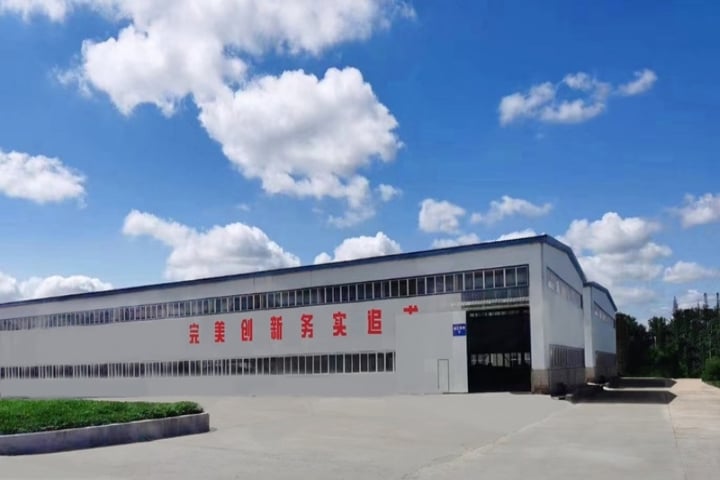
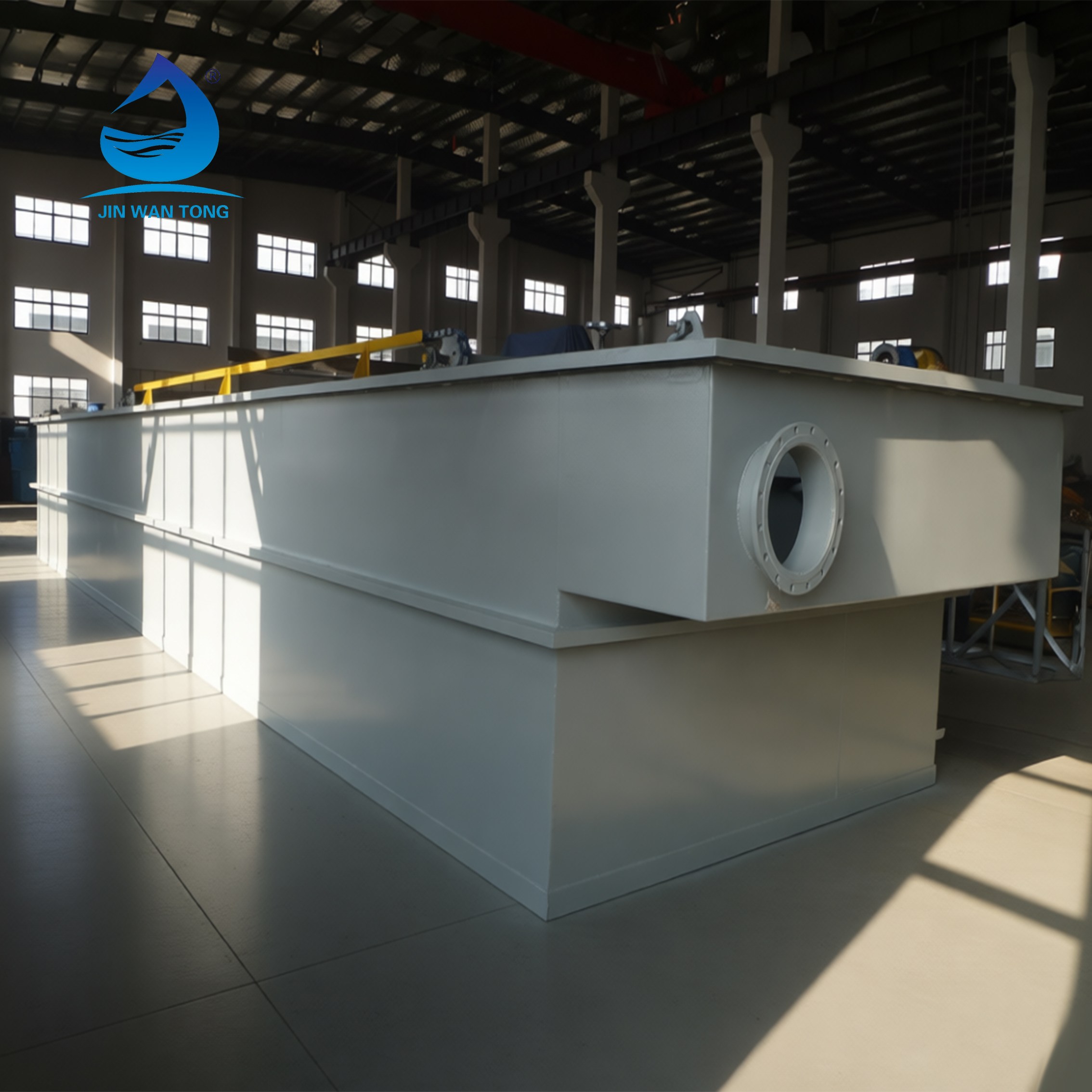
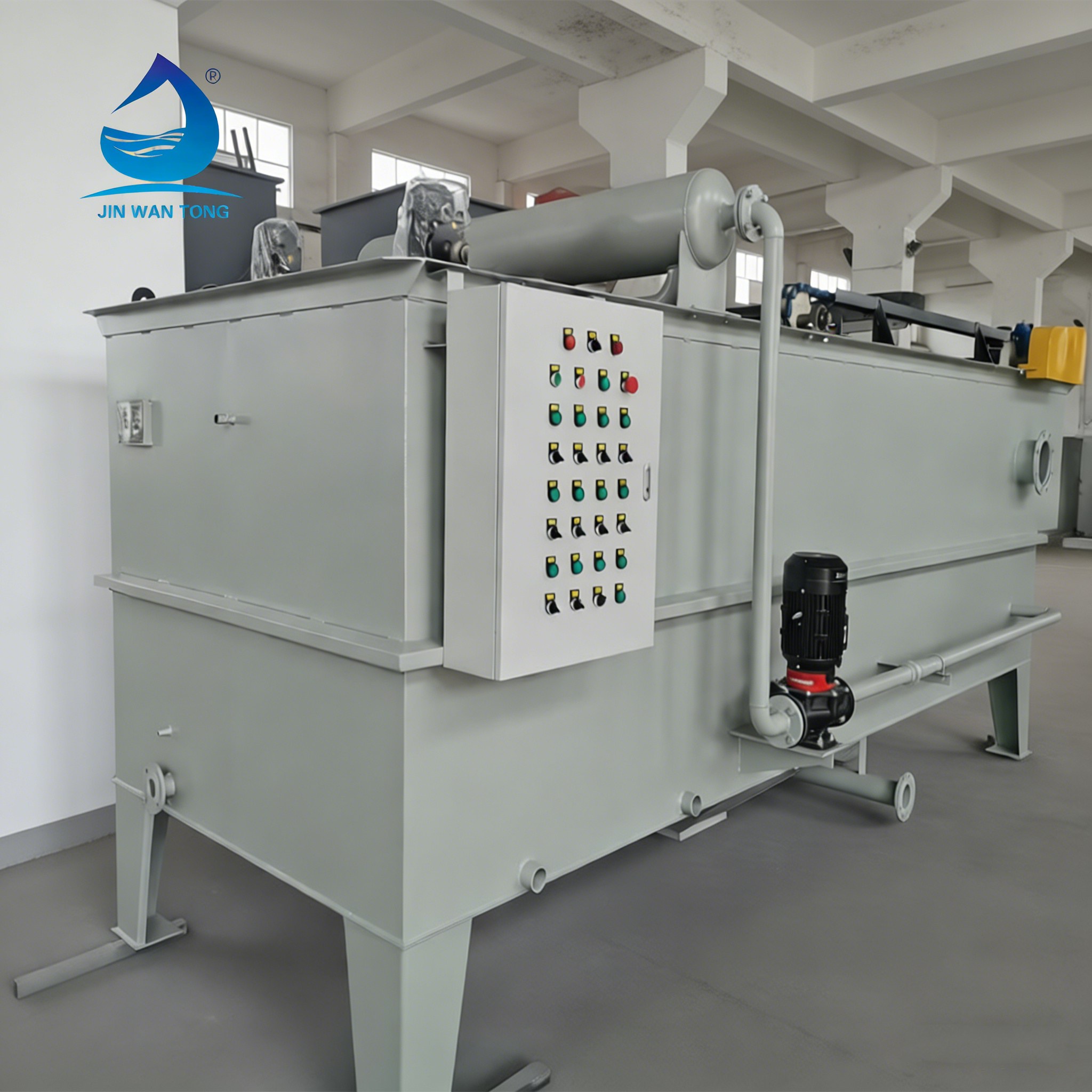
Jinwantong Environmental Science And Technology Co., Ltd. can customize sludge dewatering equipment according to sludge type, capacity, site layout, automation level, and downstream disposal method. This is especially useful when the filter press needs to work with DAF systems, lamella clarifiers, dosing systems, or packaged wastewater treatment plants.
Filter Press vs Other Sludge Dewatering Equipment
A filter press is often chosen when the project needs higher cake dryness and strong solid-liquid separation. But it is not the only option. Buyers should compare it with screw press, belt filter press, centrifuge, and drying beds based on operating conditions.
|
|
|
| Dewatering Method |
Main Advantage |
Typical Limitation |
| Filter press |
High cake dryness, clear filtrate |
Batch operation, cycle time required |
| Screw press |
Low-speed, simple operation |
Usually lower cake dryness |
| Belt filter press |
Continuous processing |
Requires more washing water and space |
| Centrifuge |
Compact and automated |
Higher energy and maintenance cost |
| Drying bed |
Low equipment cost |
Weather-dependent and slow |
A dewatering filter press is suitable when disposal cost is high, filtrate clarity matters, or downstream incineration requires lower moisture. A screw press may be better when continuous low-maintenance operation is the priority. A belt filter press may be practical for large-volume sludge with suitable site space. The best choice depends on cost structure, manpower, water quality, and disposal route.
For B2B buyers, the question should be: “Which sludge dewatering equipment gives the lowest total cost for my sludge?” not simply “Which machine is cheapest?”
How a Filter Press Supports WWTP and Industrial ETP Operation
A filter press supports overall plant stability by making sludge handling predictable. In many WWTPs, operators focus on biological treatment, COD removal, ammonia reduction, or DAF performance, but sludge handling becomes the hidden bottleneck. When sludge cannot be dewatered on time, tanks fill up, odor increases, and operators lose flexibility.
In industrial projects, a filter press can also improve water recycling and reduce secondary pollution. Clearer filtrate can often be returned to the treatment system, while compact cake is easier to collect, store, and transport. For wastewater sludge dewatering in chemical, food, textile, and stone processing plants, this can reduce both environmental risk and production interruption.
The industrial filter press also plays an important role before thermal treatment. If sludge is sent to an incinerator with too much water, the burner must consume more fuel to evaporate moisture. By reducing water content first, wastewater sludge dewatering helps improve incineration efficiency and reduce handling difficulty.
Key Design Details That Affect Filter Press Performance
A filter press performs well only when its main design details match the sludge. Buyers should check more than frame size and plate quantity. Plate material, chamber volume, hydraulic pressure, filter cloth, feeding pump, discharge method, and control system all influence daily results.
For sticky sludge, filter cloth selection is critical. For abrasive sludge, wear resistance matters. For corrosive industrial sludge, material compatibility must be reviewed carefully. For high-volume plants, automatic plate shifting and cloth washing can reduce downtime and manual labor.
The feeding pump is another practical detail. If feed pressure is unstable, the filter press may have long cycles or uneven cake formation. If chemical dosing is poorly controlled, the cake may remain wet or stick to the cloth. Therefore, a filter press machine should be considered together with the dosing system, sludge tank, mixer, pump, and discharge conveyor.
Common Mistakes When Buying a Filter Press
Most filter press problems are caused by poor selection, not by the dewatering principle itself. Buyers should avoid these mistakes:
1. Choosing only by the lowest price.
2. Ignoring sludge moisture and solids concentration.
3. Not testing polymer or chemical conditioning.
4. Selecting too small a chamber volume.
5. Forgetting filtrate return design.
6. Underestimating labor for cake discharge.
7. Comparing quotations without checking automation level.
8. Ignoring spare parts, cloth replacement, and service support.
A good filter press supplier should ask for sludge data before recommending a model. If a supplier quotes immediately without discussing sludge type, capacity, disposal method, and site conditions, the solution may not be reliable.
Qingdao Jinwantong provides solid liquid separation equipment and customized wastewater treatment solutions for global projects. For sludge treatment applications, its team can help match the filter press with upstream treatment units and practical operating requirements.
Conclusion
A filter press helps wastewater projects reduce sludge moisture, decrease sludge volume, lower disposal cost, and improve solid-liquid separation efficiency. For WWTPs and industrial ETPs, the right filter press should be selected according to sludge data, cake dryness targets, automation needs, and downstream disposal plans.
If you are evaluating sludge dewatering equipment for a new or upgraded project, share your sludge source, daily volume, solids concentration, and disposal method with Qingdao Jinwantong. Our team can help recommend a practical filter press configuration for stable operation and long-term cost control.
 EN
EN

 Hot News