A chemical dosing system helps WWTP operators stabilize effluent quality, reduce chemical waste, cut manual work, and improve the performance of coagulation, flocculation, pH adjustment, sludge dewatering, and disinfection. This article explains how to make practical dosing decisions for more reliable wastewater treatment.
Why a Chemical Dosing System Controls WWTP Stability
A chemical dosing system is critical because small dosing errors can quickly become large treatment problems. In a wastewater treatment plant, chemicals are not added simply to “improve” water quality; they are used to control key reactions at the right time, in the right concentration, and at the right dosing point.
When dosing is too low, suspended solids may not settle, phosphorus removal may fail, pH may drift, or sludge may become difficult to dewater. When dosing is too high, the plant wastes chemicals, produces extra sludge, increases operating cost, and may even disturb downstream biological treatment.
For operators, the practical question is not “Do we need chemical dosing?” but “How accurately can we control it under changing flow and water quality?”
|
|
|
| WWTP Problem |
Likely Dosing Issue |
Practical Result |
| Unstable effluent turbidity |
Coagulant or flocculant underdosing |
Poor settling or flotation |
| High chemical cost |
Overdosing or fixed manual dosing |
Higher OPEX |
| Poor sludge dewatering |
Incorrect polymer preparation or dosage |
Wet sludge cake |
| pH fluctuation |
Slow acid/alkali response |
Lower treatment efficiency |
| Excessive manual work |
Manual preparation and feeding |
Labor dependence |
In real WWTP operation, stable dosing is often the difference between a system that only works under ideal conditions and a system that performs reliably every day.
How a Chemical Dosing System Works in Daily Operation
A chemical dosing system works by preparing, mixing, storing, and accurately feeding chemicals into selected treatment points. The core purpose is to convert chemical use from manual guesswork into controlled process management.
A typical system includes chemical storage tanks, solution preparation tanks, mixers, dosing pumps, pipelines, valves, flow meters, control cabinets, and sometimes online instruments such as pH meters or ORP sensors. In automated configurations, dosing can be adjusted according to flow rate, pH value, turbidity, or process signals.
A practical dosing process usually follows these steps:
Identify the treatment target:
Decide whether the system is used for coagulation, flocculation, pH adjustment, phosphorus removal, disinfection, or sludge conditioning.
Select the proper chemical:
Common chemicals include PAC, PAM, ferric chloride, lime, sodium hydroxide, sulfuric acid, sodium hypochlorite, or other agents depending on wastewater quality.
Prepare the required concentration:
The chemical solution must be diluted or dissolved correctly. Poor preparation can reduce reaction efficiency even if the dosing pump is accurate.
Feed at the correct point:
Dosing location matters. For example, coagulants often need rapid mixing, while flocculants require gentler mixing to avoid breaking the flocs.
Adjust based on operation data:
Operators should monitor pH, turbidity, sludge condition, chemical consumption, and effluent quality to optimize dosage.
This is why wastewater treatment chemical dosing should be designed around actual process needs, not just tank volume or pump capacity.
Where WWTP Chemical Dosing Creates the Most Value
WWTP chemical dosing creates the most value in process points where water quality changes frequently or where treatment performance depends heavily on reaction control. These areas usually include pretreatment, clarification, flotation, sludge dewatering, and final disinfection.
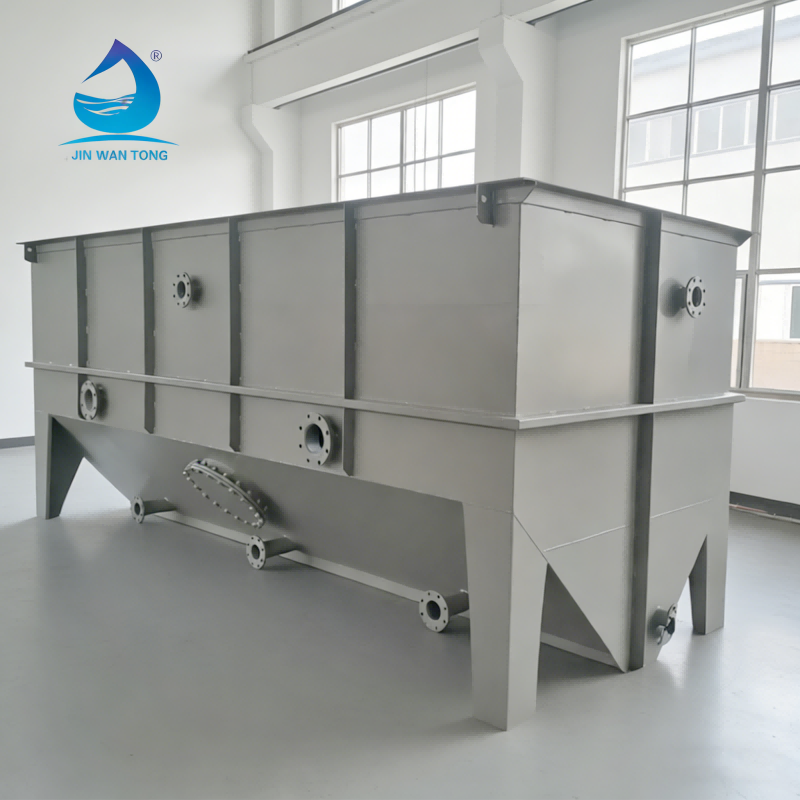
For example, in a DAF dissolved air flotation system, coagulant and flocculant dosing directly affect the formation of floatable flocs. If the dosage is unstable, oil, grease, and suspended solids may remain in the effluent. In a
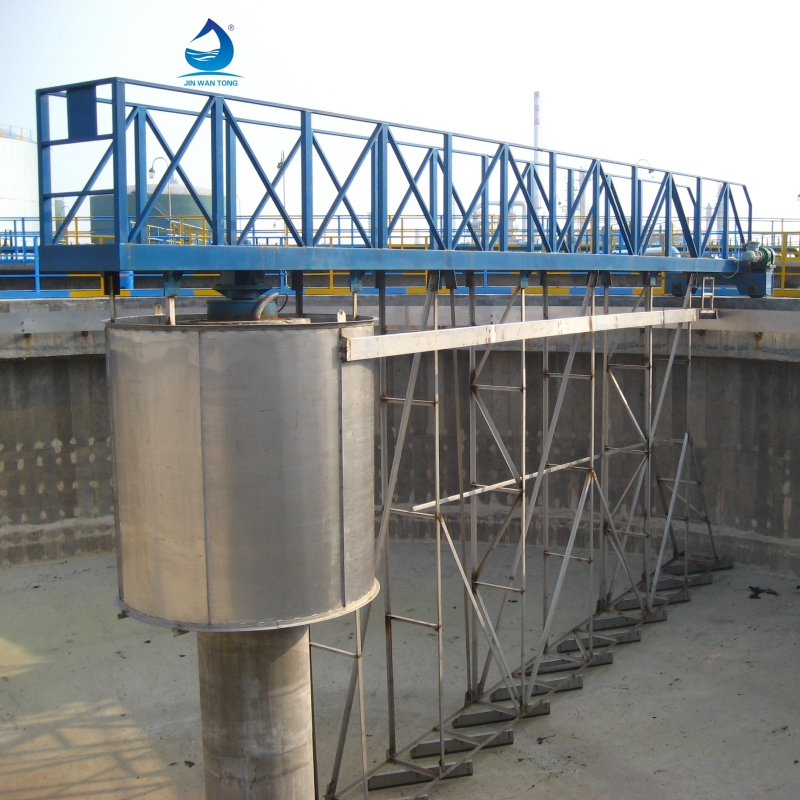
lamella clarifier, correct dosing improves settling performance and allows better separation in a smaller footprint.
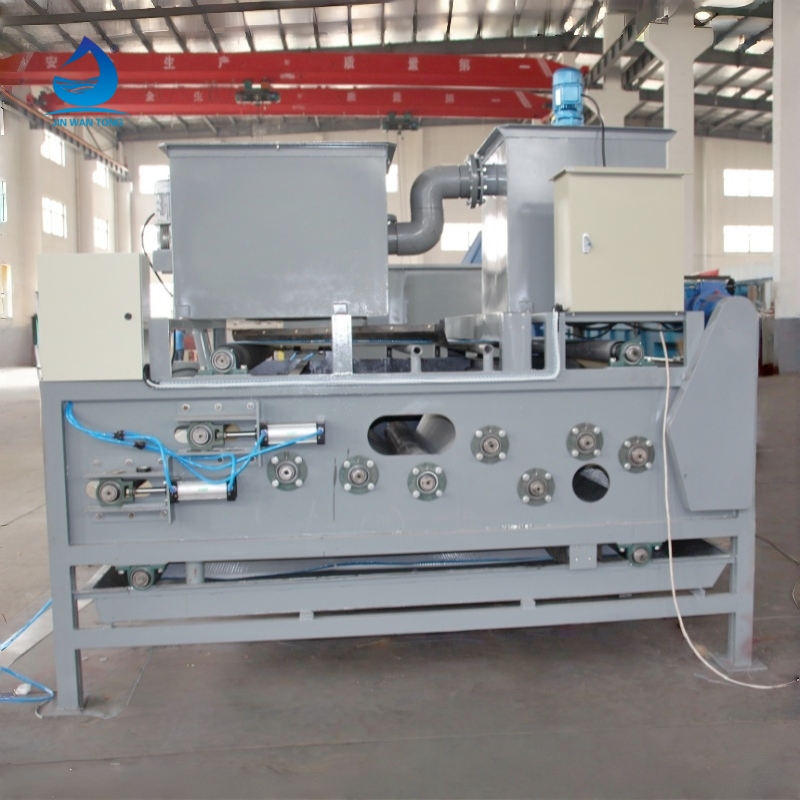
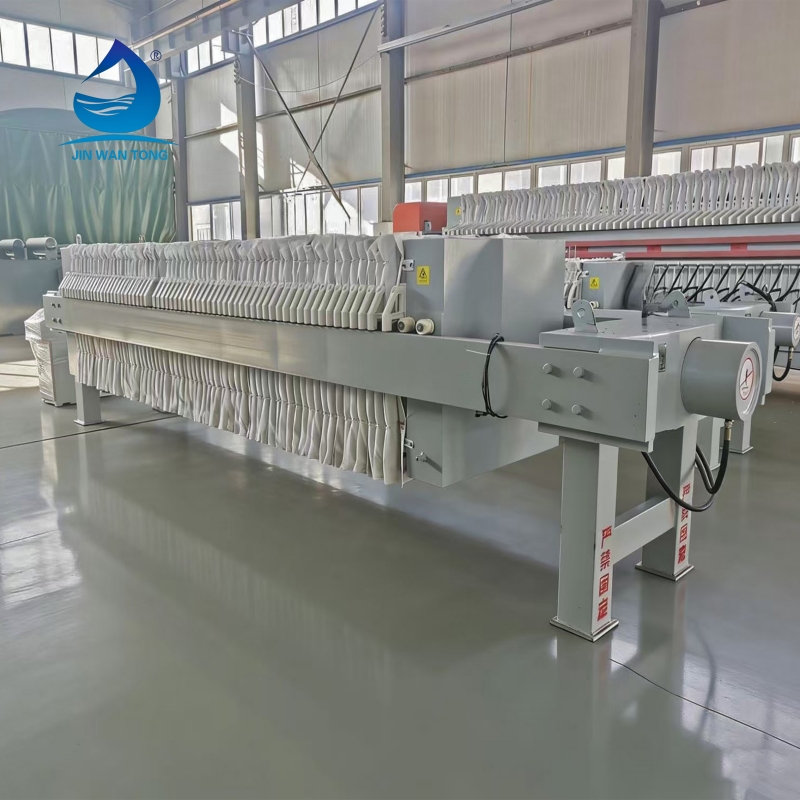
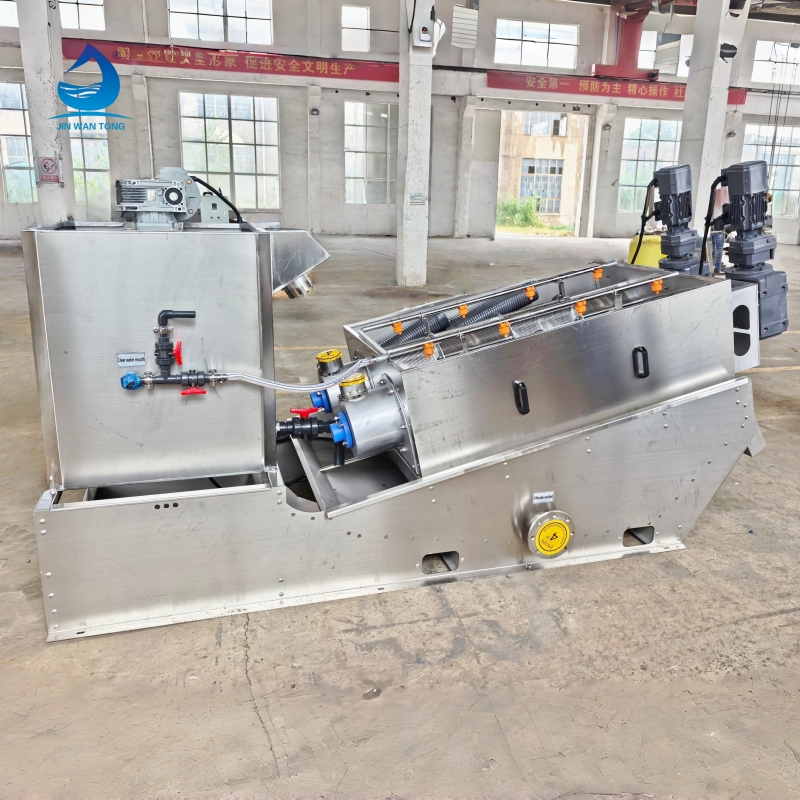
In sludge treatment, chemical control is even more sensitive. A polymer dosing system helps prepare and feed polymer solution before screw press dewatering, belt filter press operation, or other sludge dewatering processes. If polymer concentration is too weak, the sludge will not form strong flocs. If it is too high, the plant wastes polymer and may create sticky sludge that is harder to process.
|
|
|
| Application Point
|
Chemical Used |
Key Decision Factor |
| Coagulation tank |
PAC, ferric salts |
Mixing intensity and reaction time |
| Flocculation tank |
PAM/polymer |
Gentle mixing and correct concentration |
| pH adjustment |
Acid or alkali |
Online pH control and response speed |
| DAF unit |
Coagulant + flocculant |
Floc size and flotation performance |
| Sludge dewatering |
Polymer |
Sludge type and dry solids content |
| Disinfection |
Chlorine-based agents |
Contact time and residual control |
The best dosing strategy is not always the highest dosage. It is the lowest stable dosage that still maintains treatment performance and discharge compliance.
When to Choose an Automatic Dosing System
An automatic dosing system is the better choice when wastewater flow, pollutant concentration, or operating hours are not stable. Manual dosing may be acceptable for very small or simple treatment units, but most WWTPs benefit from automation because wastewater rarely stays constant.
Automatic control is especially useful in these situations:
Flow changes throughout the day:
Hotels, communities, food plants, and industrial parks often have peak and low-flow periods. Fixed dosing causes underdosing at peak flow and overdosing at low flow.
Influent quality fluctuates:
Industrial wastewater may change by production batch, cleaning cycle, or raw material. Automatic adjustment helps keep the process stable.
The plant requires unattended operation:
Remote sites, containerized WWTPs, and packaged sewage treatment plants often need lower labor dependence.
Chemical cost is significant:
In large plants, even a small reduction in chemical waste can save substantial operating cost over time.
Compliance risk is high:
If effluent standards are strict, accurate and documented dosing control becomes more important.
An automatic dosing system can be equipped with PLC control, level alarms, flow-paced dosing, pH feedback control, and remote operation functions depending on the project requirement.
Selecting a Chemical Dosing System for Practical WWTP Decisions
Selecting a chemical dosing system should start with process data, not equipment appearance. Buyers often compare tank size, pump brand, or cabinet design first, but the more important issue is whether the system matches the wastewater characteristics and treatment objective.
Before ordering, a plant owner or EPC contractor should confirm:
1. Wastewater type: domestic sewage, industrial wastewater, oily wastewater, food wastewater, chemical wastewater, or mixed effluent.
2. Design flow rate and peak flow rate.
3. Chemical type, concentration, viscosity, and corrosiveness.
4. Required dosing accuracy.
5. Manual, semi-automatic, or fully automatic control.5. Available site space and installation conditions.
6. Whether the system must connect with DAF, lamella clarifier, MBR, MBBR, or sludge dewatering equipment.
7. Required material: PE, stainless steel, carbon steel with coating, or other anti-corrosion materials.
For a polymer dosing system, extra attention should be paid to powder feeding accuracy, solution maturation time, mixer design, and dilution water quality. Polymer must be fully dissolved before use; otherwise, undissolved particles can block pipes, reduce flocculation effect, and increase maintenance work.
Qingdao
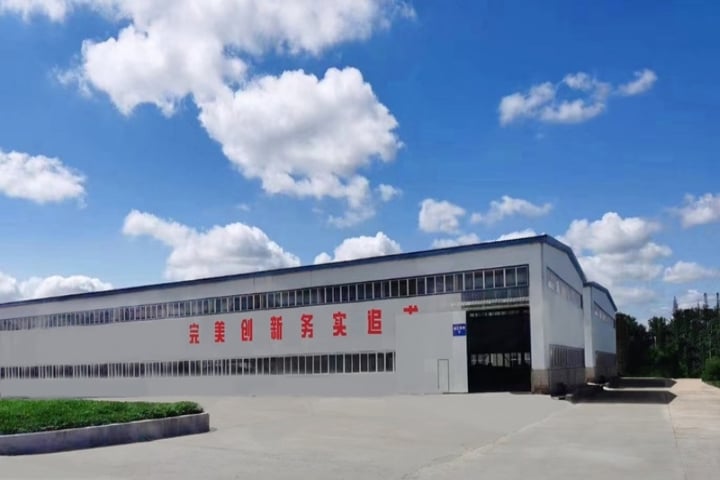
Jinwantong Environmental Science And Technology Co., Ltd. provides dosing equipment that can be customized according to chemical type, dosing capacity, control mode, and project layout. The company’s dosing systems can be integrated with packaged sewage treatment plants, DAF machines, lamella clarifiers, and sludge dewatering equipment.
Common Mistakes That Increase Chemical Use
Most dosing problems come from poor matching between process needs and operation control. A well-built unit still performs poorly if the dosing point, chemical concentration, or adjustment method is wrong.
Common mistakes include using a fixed dosage for highly variable wastewater, preparing polymer too quickly, placing the dosing point too close to the separation unit, ignoring mixing conditions, and selecting pump capacity without considering actual adjustment range.
Another frequent mistake is judging performance only by chemical consumption. Lower chemical use is valuable only when effluent quality remains stable. If chemical savings cause discharge failure, sludge problems, or process recovery costs, the plant loses more money than it saves.
For wastewater treatment chemical dosing, operators should regularly check chemical concentration, pump calibration, valve status, tank level, and treatment results. Simple daily records can help identify whether problems come from influent changes, wrong chemical selection, pump failure, or operator adjustment.
Integrating a Chemical Dosing System With Other WWTP Equipment
A chemical dosing system delivers the best value when it is designed as part of the whole WWTP process. It should not be treated as an isolated accessory. The dosing system must match the hydraulic flow, mixing conditions, reaction time, and downstream separation equipment.
For example, a DAF system may need rapid coagulation before flocculation, while a lamella clarifier depends on stable floc formation and good settling characteristics. A sludge screw press needs properly conditioned sludge before dewatering. In each case, dosing directly affects the performance of the main equipment.
For packaged MBR or MBBR sewage treatment plants, dosing may be used for phosphorus removal, pH adjustment, disinfection, or sludge conditioning. In industrial ETP projects, chemical dosing is often more complex because wastewater composition changes with production processes.
This is where project-based customization matters. A standard machine may look economical at first, but a customized solution can reduce long-term chemical waste, maintenance issues, and compliance risks.
Conclusion
A chemical dosing system is one of the most important control units in a WWTP because it directly affects effluent stability, chemical consumption, labor demand, and treatment efficiency. Choosing the right automatic dosing system or polymer dosing system helps operators move from reactive troubleshooting to predictable process control.
If you are planning a new WWTP or upgrading an existing dosing unit, Qingdao Jinwantong can help evaluate your flow rate, chemical type, automation needs, and equipment integration. Contact our team to discuss a customized solution for your wastewater treatment project.
 EN
EN

 Hot News