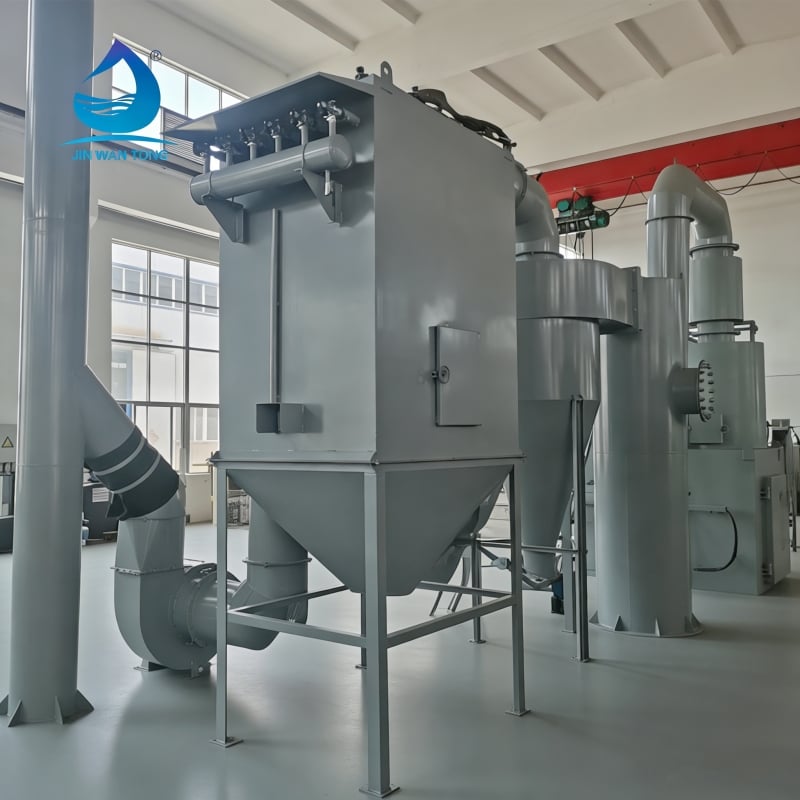
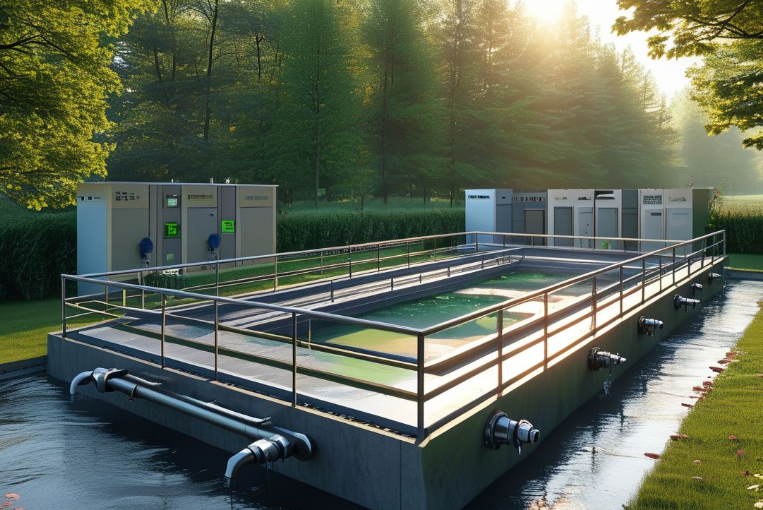
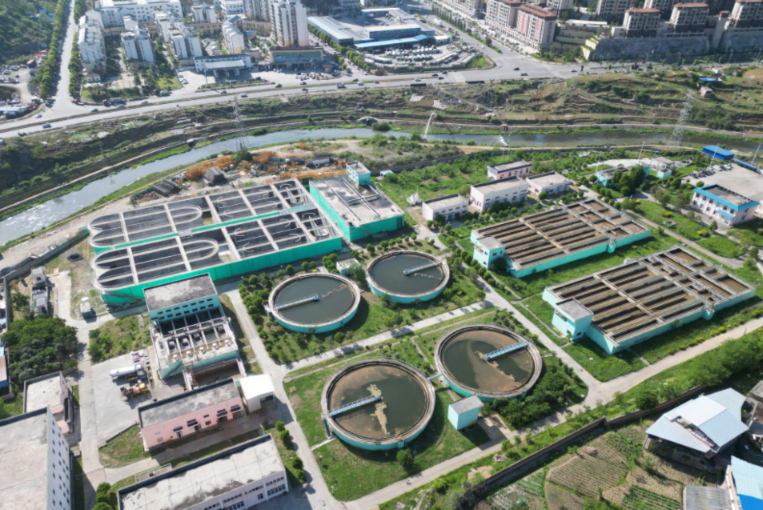
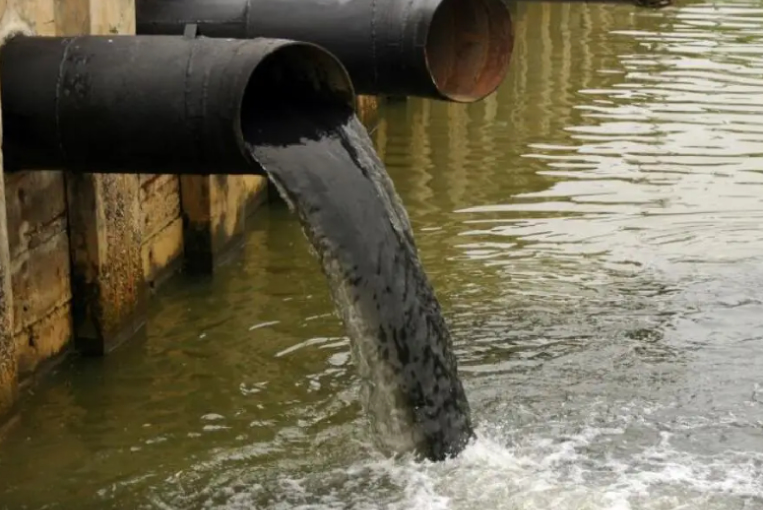
Food industry wastewater treatment is essential for factories that discharge wastewater from washing, cutting, cooking, processing, fermentation, packaging and cleaning operations. Compared with ordinary domestic sewage, food processing wastewater usually contains high organic matter, suspended solids, oil and grease, starch, sugar, protein, salt, detergents and variable pH. If discharged without proper treatment, it may cause odor, pipeline blockage, excessive sludge, biological system shock and failure to meet local effluent standards.
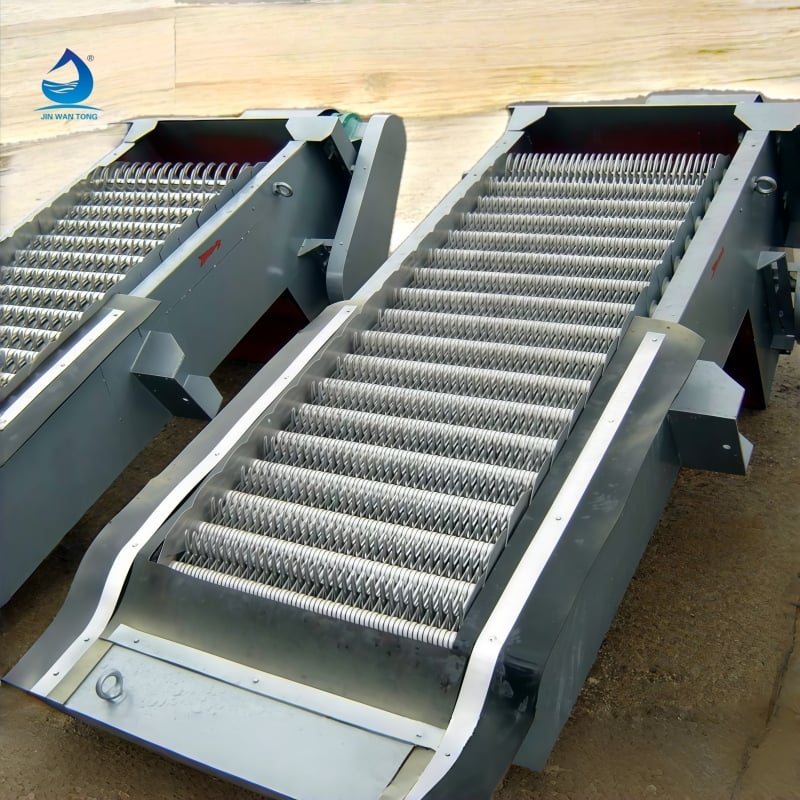
A typical food processing wastewater treatment system begins with pretreatment. Mechanical grilles or screens are used to remove large impurities such as vegetable residues, meat scraps, fibers, packaging particles and floating solids. For wastewater with uneven discharge during production shifts or cleaning periods, an equalization tank is often recommended to balance flow and pollutant concentration.
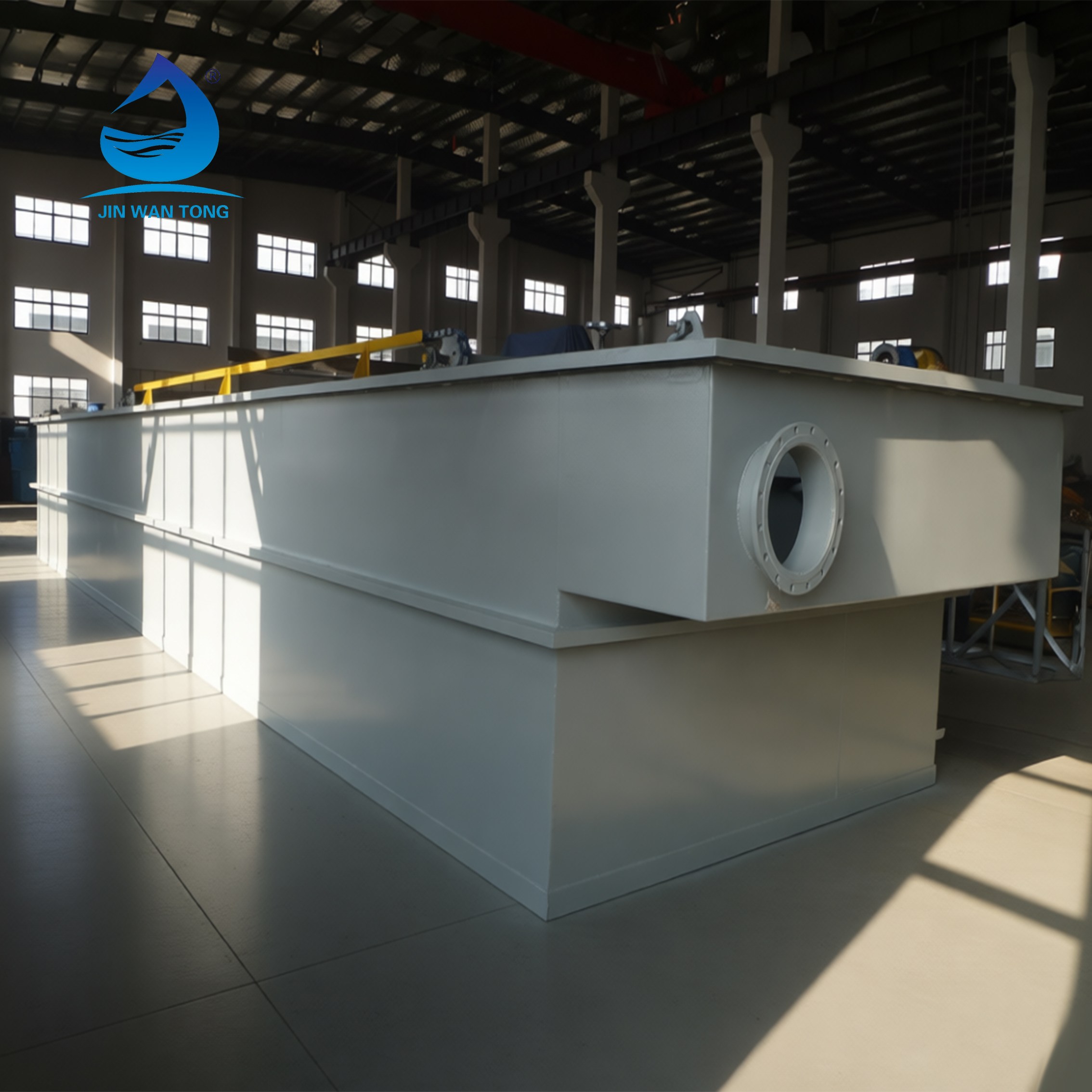
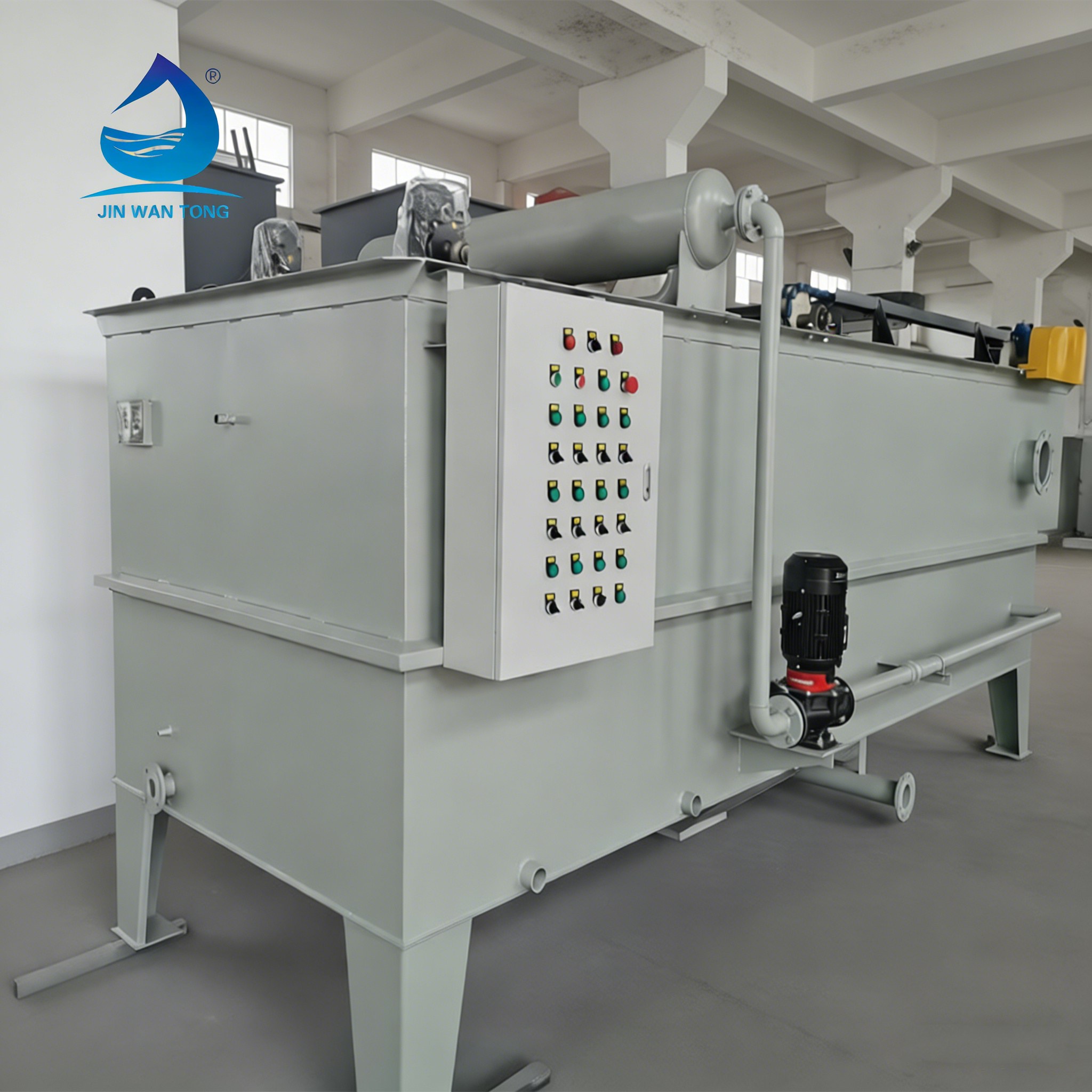
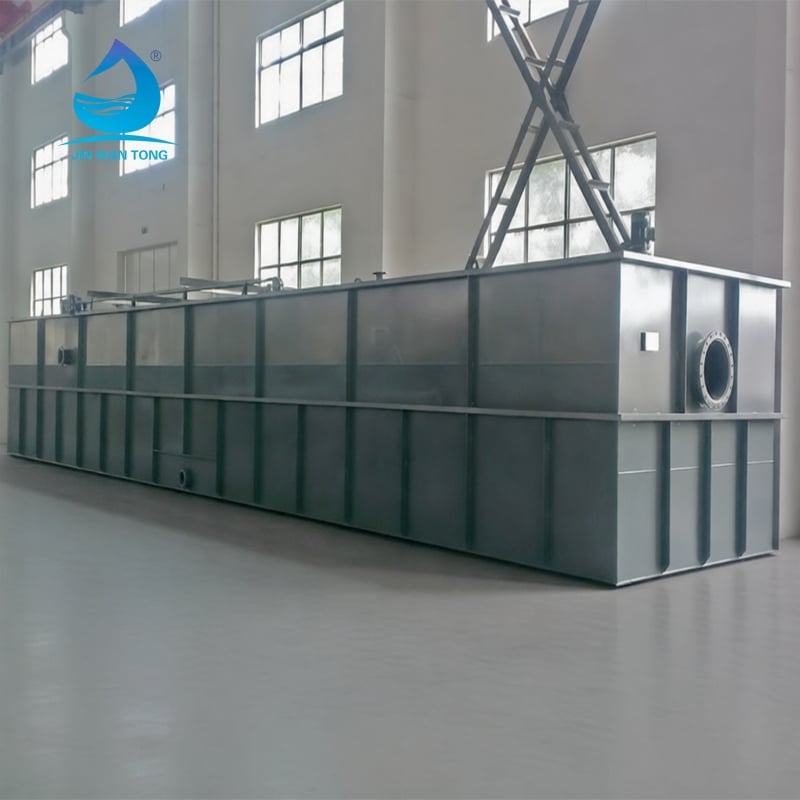
For many food factories, oil, grease and suspended solids removal is a key step. A DAF dissolved air flotation machine can separate floating oil, fine suspended solids and flocs after chemical coagulation and flocculation. This is especially useful for meat processing, dairy, fried food, seafood and other applications with high fat or protein content. An automatic dosing system can be used to prepare and dose coagulants, flocculants, acid, alkali or other chemicals to improve treatment stability.
After pretreatment, biological treatment is commonly used to reduce COD, BOD and ammonia nitrogen. MBBR wastewater treatment systems use biofilm carriers to support microbial growth and are suitable for projects requiring flexible operation and load resistance. MBR sewage treatment systems combine biological degradation with membrane filtration and are often selected when the project needs compact installation or higher effluent quality.
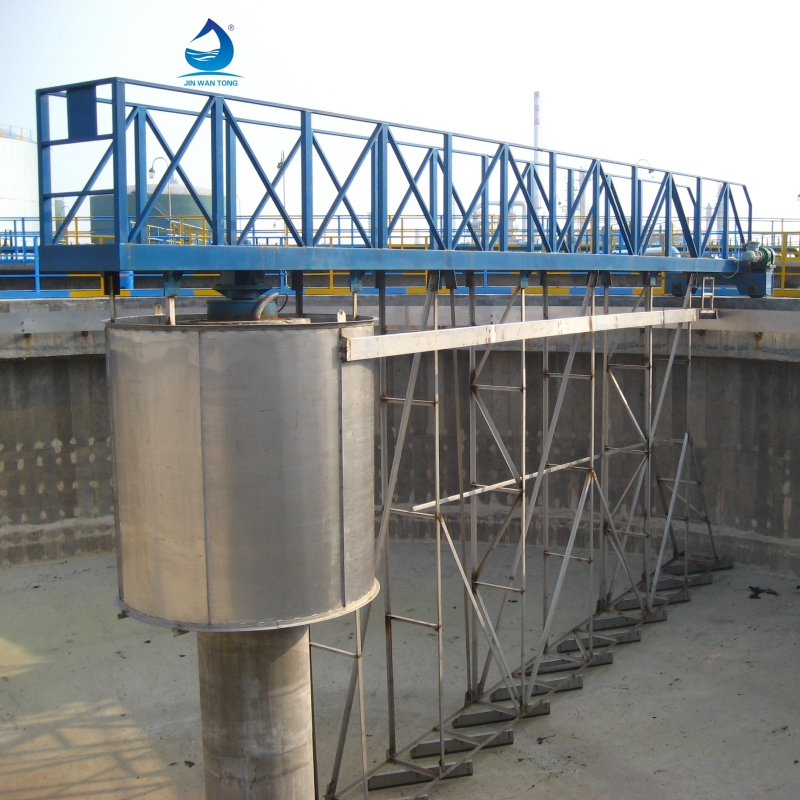
Clarification and sludge treatment should not be ignored. A lamella clarifier can improve solid-liquid separation while saving space. Sludge from DAF, biological treatment and clarification can be processed by a screw press sludge dewatering machine or other sludge treatment equipment to reduce moisture content and disposal volume.
For B2B buyers, the correct system should be selected based on wastewater source, daily flow, peak flow, COD, BOD, TSS, oil and grease, pH, temperature, discharge limit, land area and automation preference. Qingdao Jinwantong can supply single machines or combined treatment systems for food industry wastewater projects. Buyers can send water quality data and site requirements to receive a customized technical proposal and quotation.
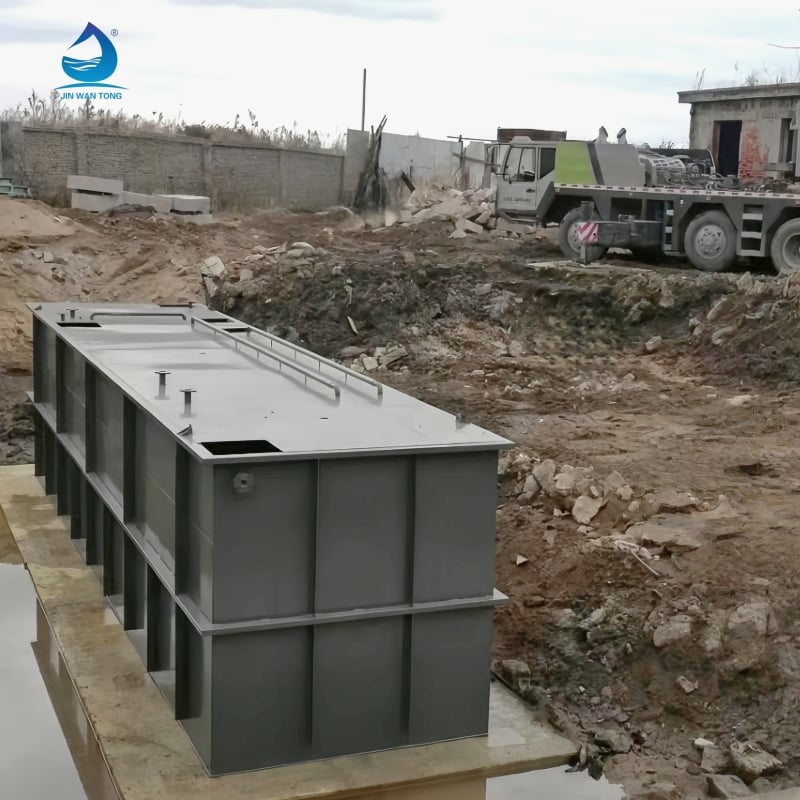
Qingdao Jinwantong provides industrial sewage treatment equipment for global clients. Our MBR, DAF, STP, and oil-water separation systems ensure compliance with national discharge standards. Trusted across 6 continents. Contact us today.
43,Cangnan Road, Cangma Town, Qingdao, Shandong, China
Copyright © 2026 Qingdao Jinwantong Environmental Science And Technology Co., Ltd. All rights reserved. Privacy Policy
 EN
EN