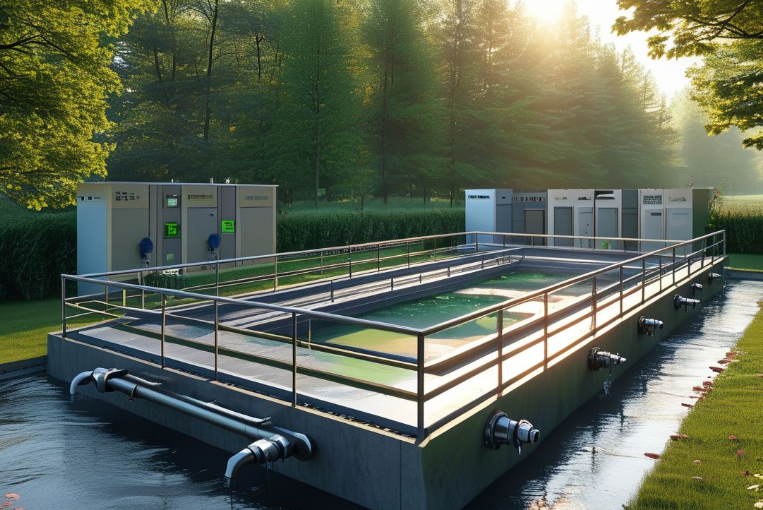
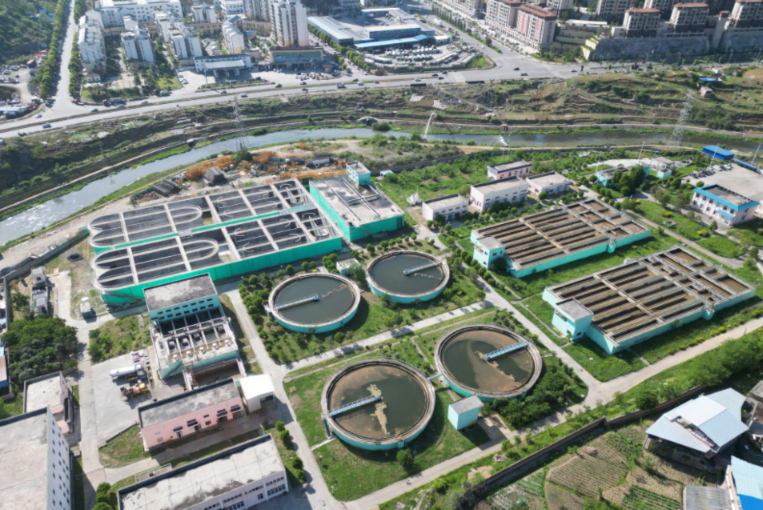
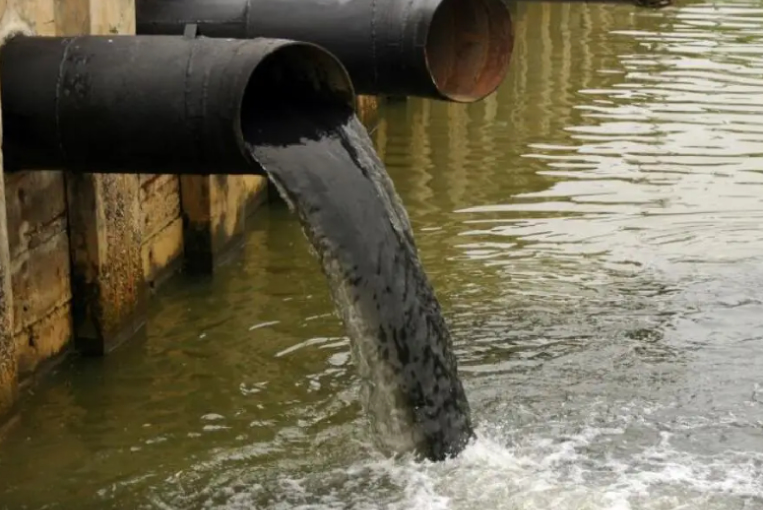
Food and beverage wastewater treatment is essential for factories that discharge organic-rich wastewater from washing, production, fermentation, cooking, filling, packaging and cleaning processes. Compared with ordinary domestic sewage, food industry wastewater usually contains higher COD, BOD, suspended solids, oil and grease, proteins, sugars, starch, detergents and sometimes fluctuating pH. If not properly treated, it may cause odor, pipe blockage, high sludge production, biological system shock and discharge non-compliance.
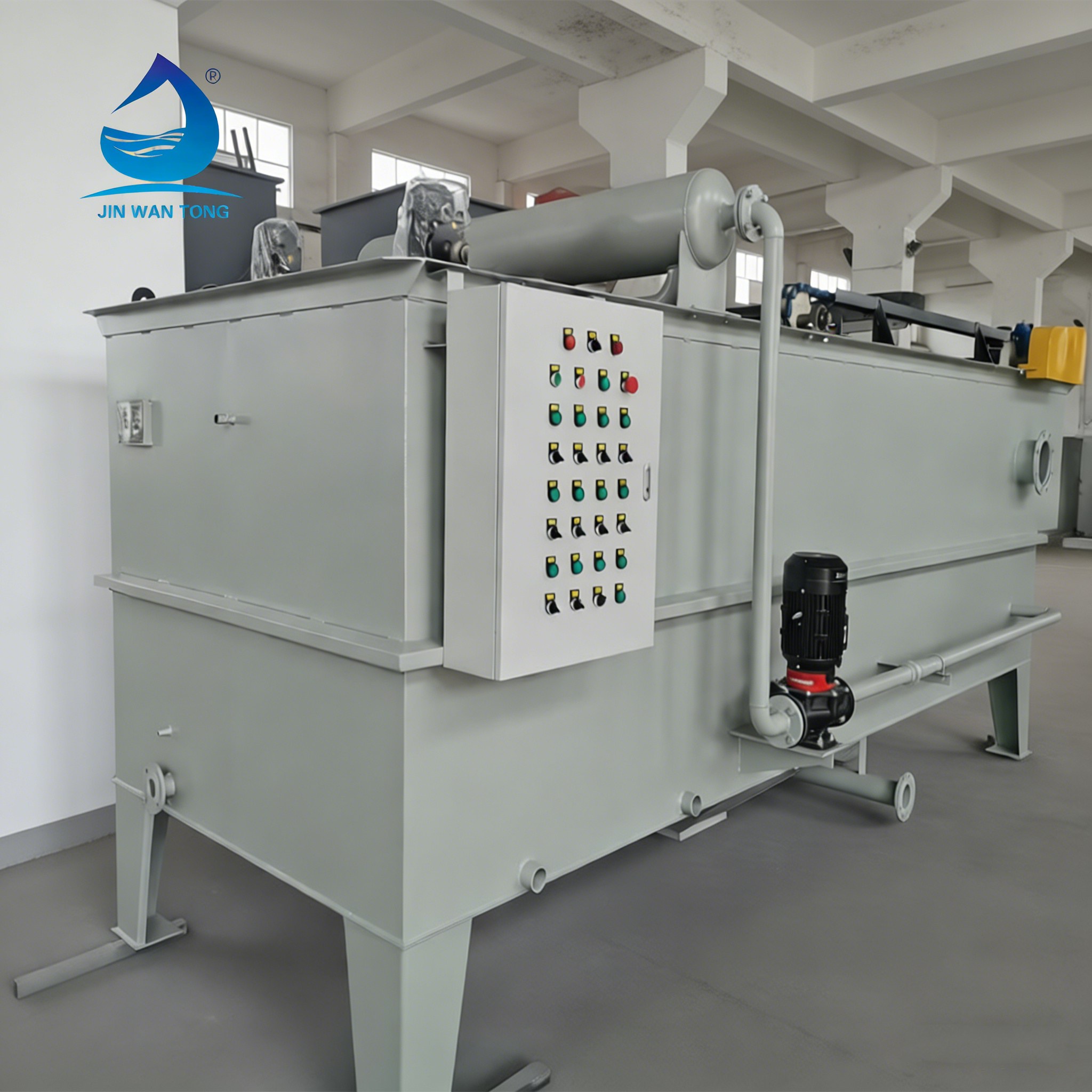
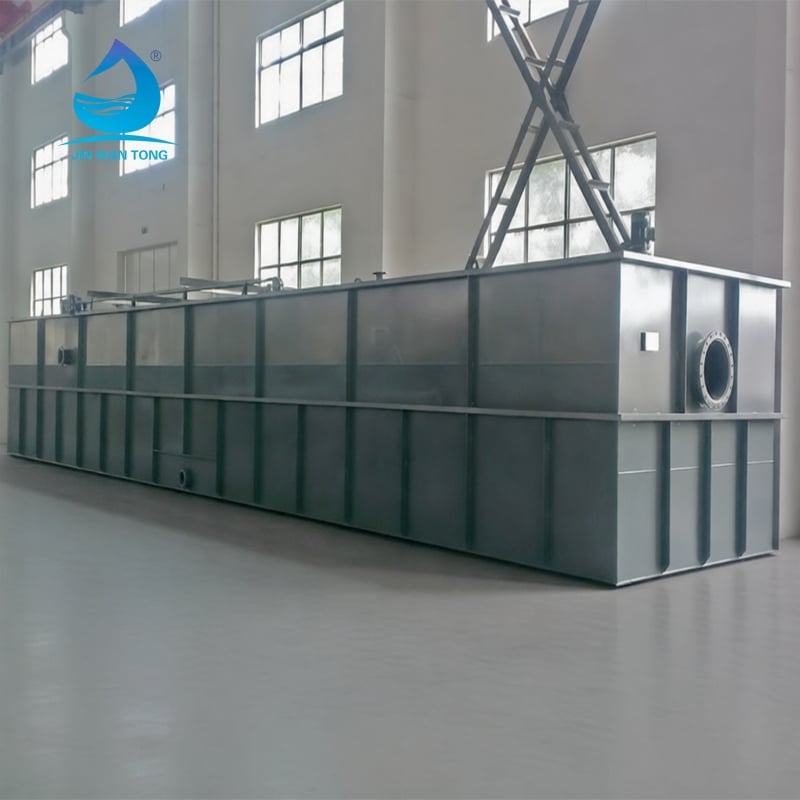
A complete treatment solution normally starts with pretreatment. Mechanical grilles or screens remove large particles such as vegetable residues, packaging fragments, fibers and food scraps. An equalization tank is often used to balance flow and pollutant concentration, especially when wastewater discharge varies during production shifts or cleaning cycles. For wastewater containing oil, grease, floating solids or emulsified contaminants, a DAF dissolved air flotation machine is commonly used. With the help of coagulation and flocculation, DAF separates suspended matter and grease efficiently before biological treatment.
After pretreatment, the wastewater can enter a biological treatment stage. MBBR wastewater treatment systems are suitable for projects requiring stable biological degradation with flexible operation. MBR sewage treatment systems combine biological treatment with membrane separation, producing clearer effluent and saving space compared with traditional sedimentation. For factories with stricter discharge or reuse requirements, MBR can be a practical option, depending on the water quality target and budget.
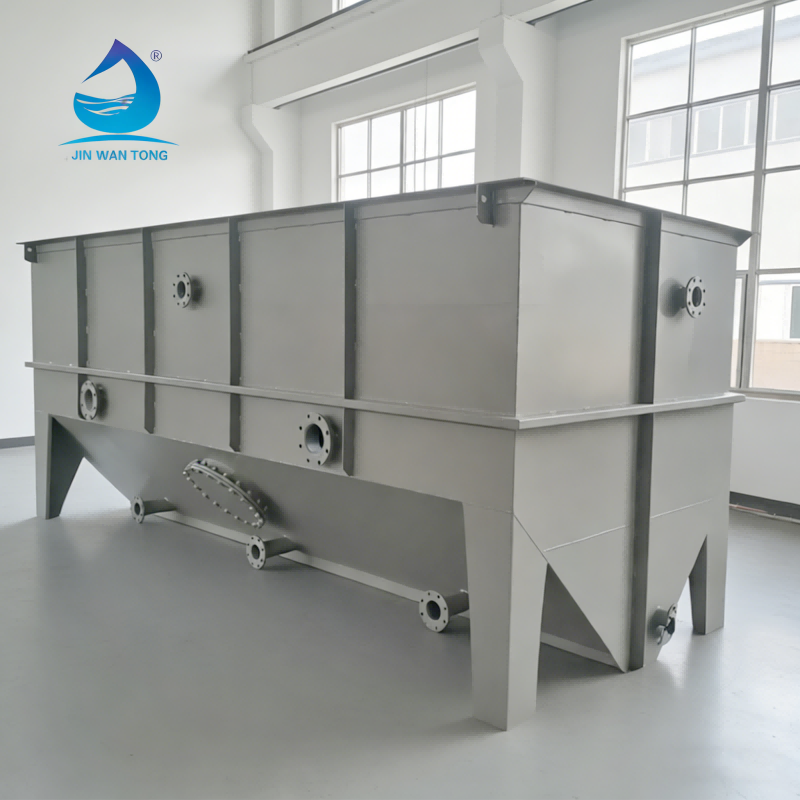
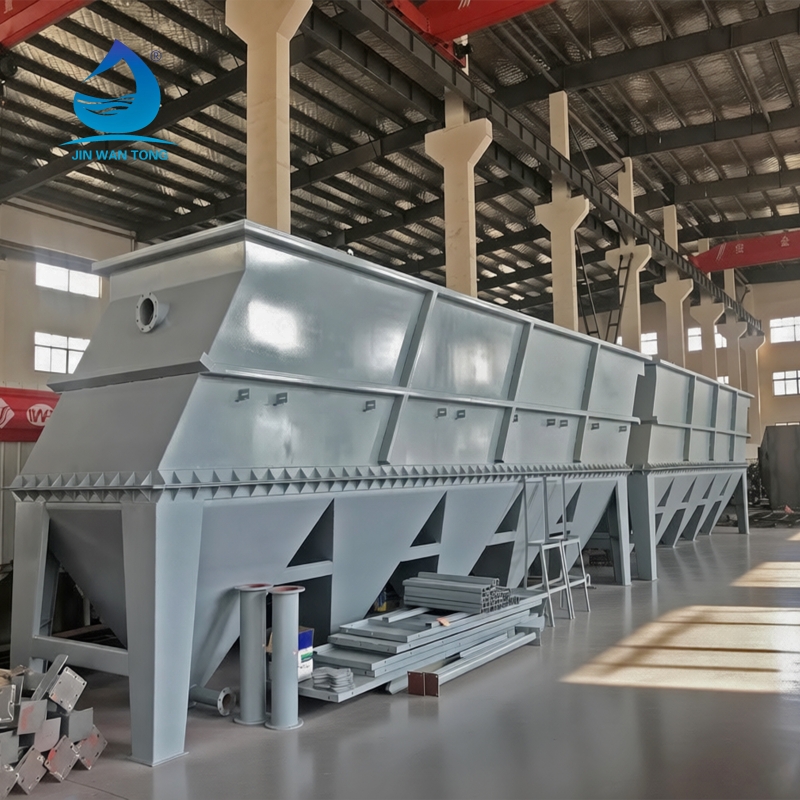
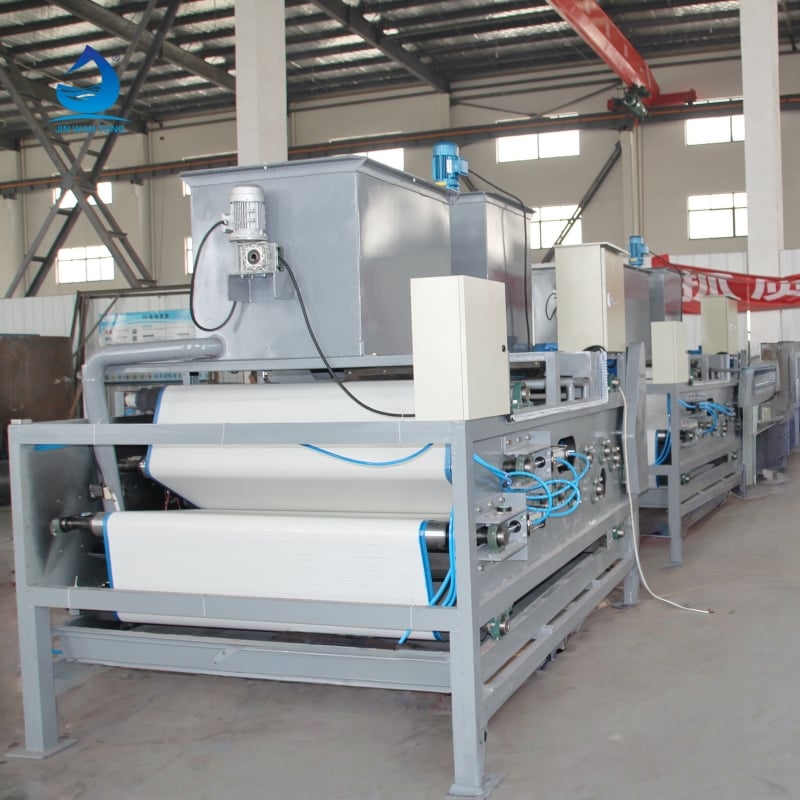
Clarification and sludge handling are also important. A lamella clarifier can reduce the footprint of sedimentation while improving solid-liquid separation. Sludge generated from DAF, biological treatment and clarification can be processed by a screw press sludge dewatering machine or other sludge treatment equipment to reduce moisture content and disposal volume. An automatic dosing system can prepare and dose coagulants, flocculants, alkali, acid or other chemicals to keep treatment performance stable.
For B2B buyers, the right system should not be selected only by equipment name. Key parameters include influent COD/BOD, TSS, oil and grease, pH, temperature, daily flow, peak flow, required discharge standard, available land area, automation level and local operating conditions. Qingdao Jinwantong can provide process configuration and equipment customization for food plants, beverage factories and related industrial effluent treatment projects.
Whether you need a single DAF unit, a sludge dewatering machine, an automatic dosing system or a complete packaged wastewater treatment plant, we can help design a practical solution based on project requirements.
Qingdao Jinwantong provides industrial sewage treatment equipment for global clients. Our MBR, DAF, STP, and oil-water separation systems ensure compliance with national discharge standards. Trusted across 6 continents. Contact us today.
43,Cangnan Road, Cangma Town, Qingdao, Shandong, China
Copyright © 2026 Qingdao Jinwantong Environmental Science And Technology Co., Ltd. All rights reserved. Privacy Policy
 EN
EN