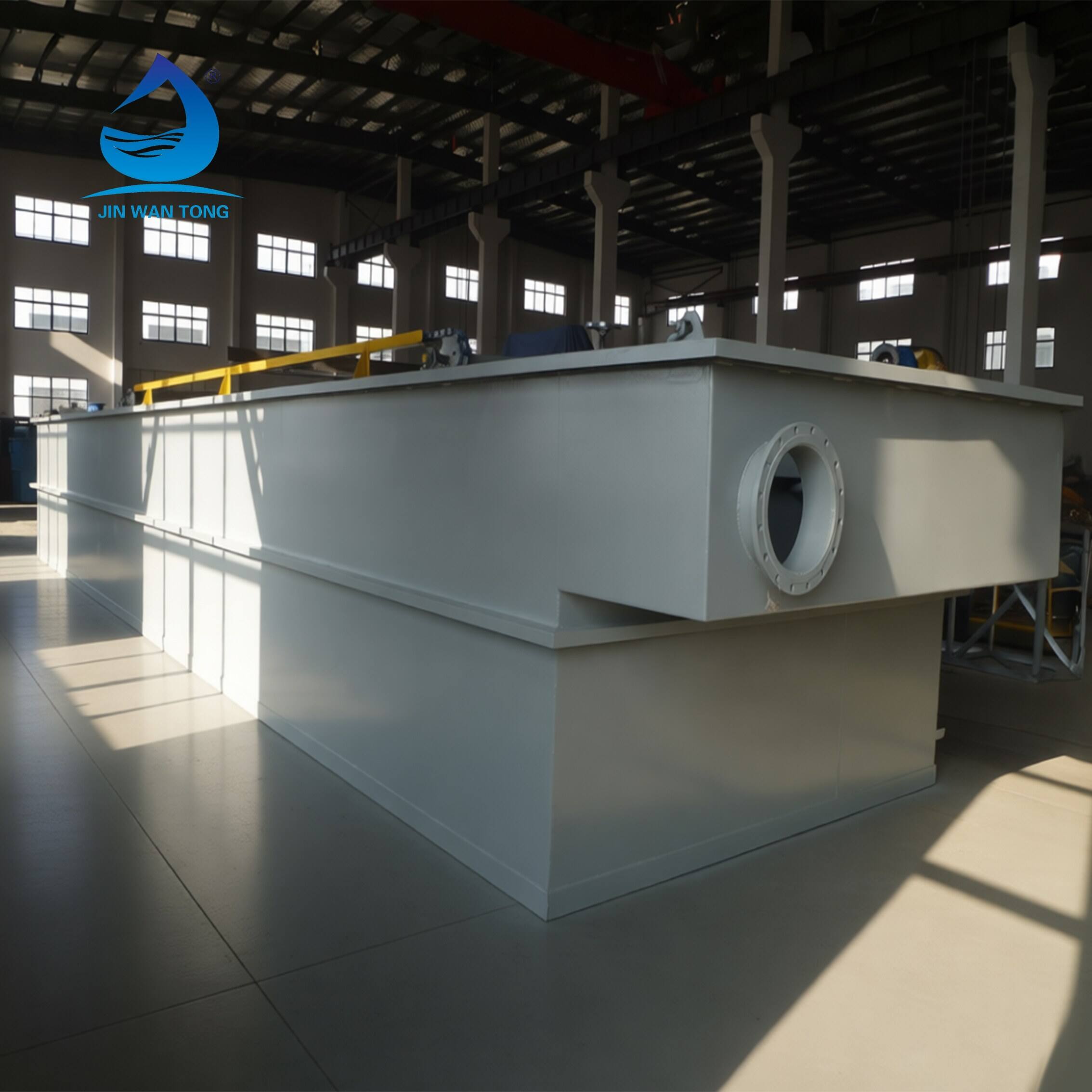
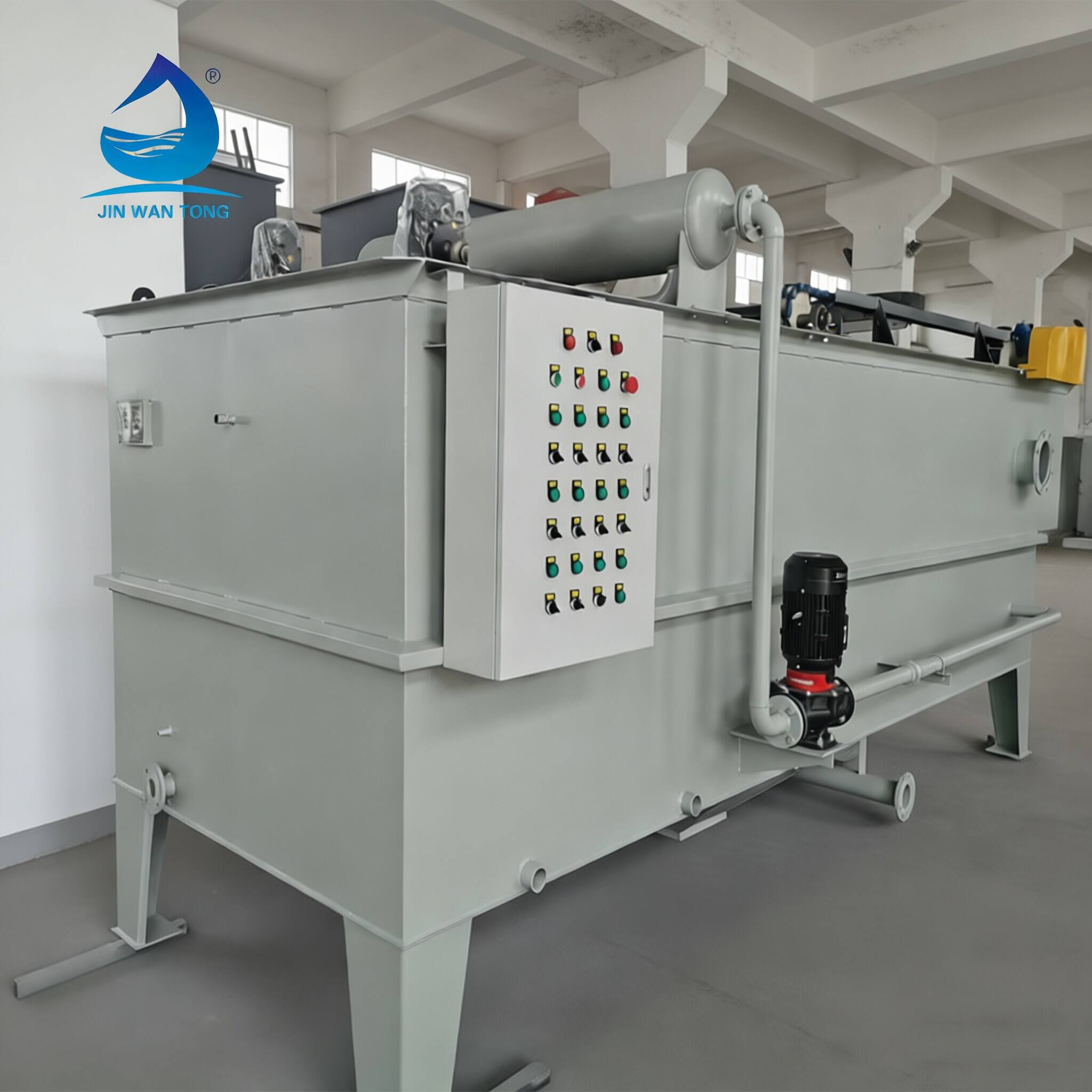
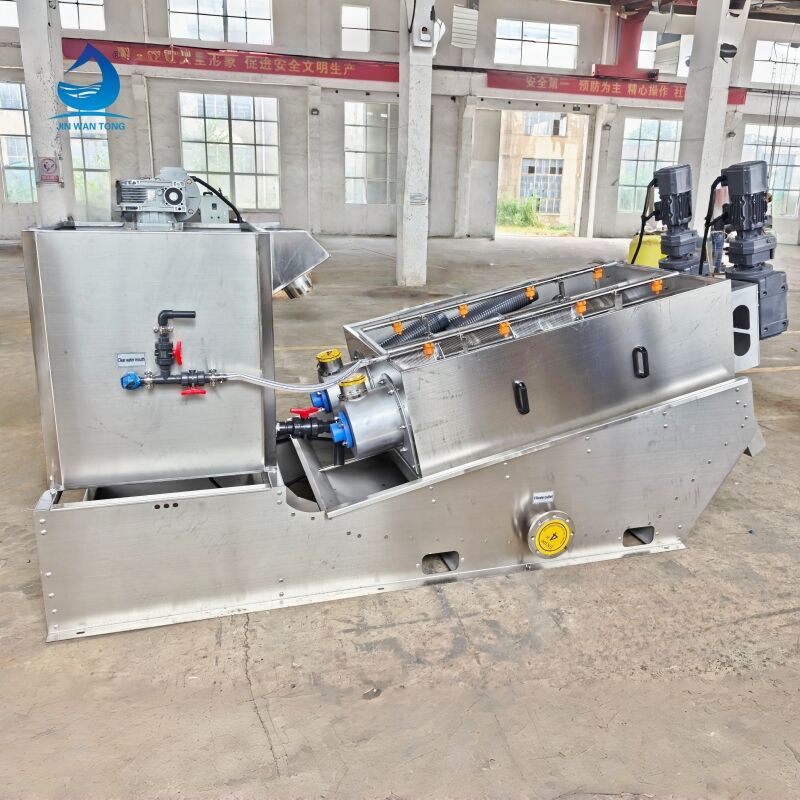
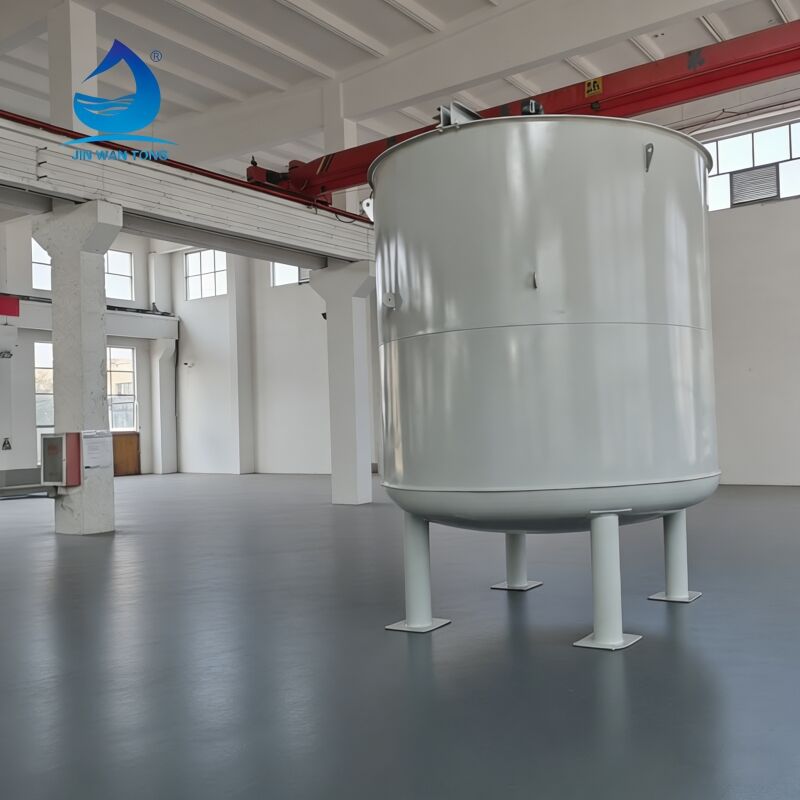
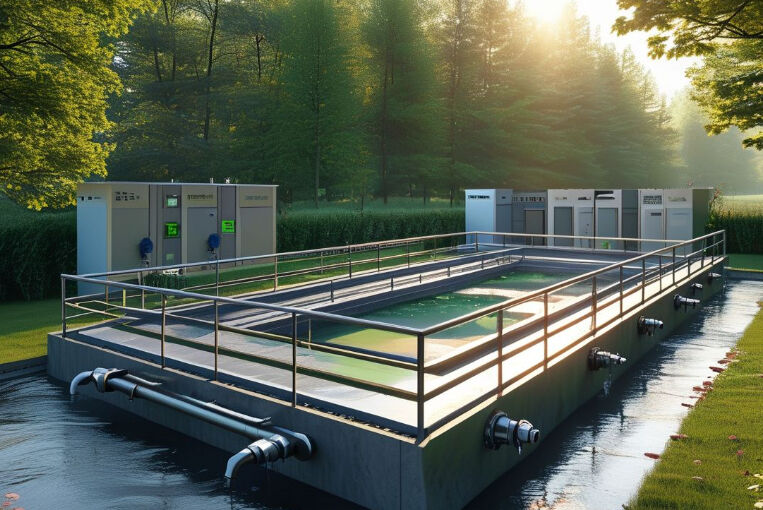
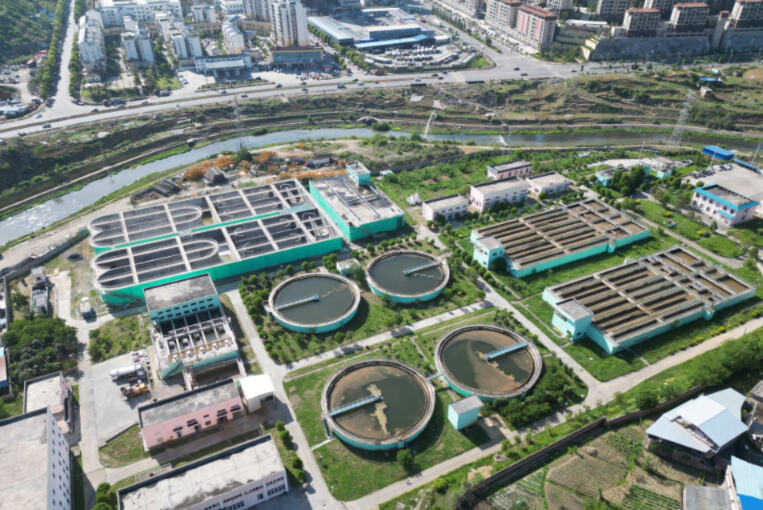
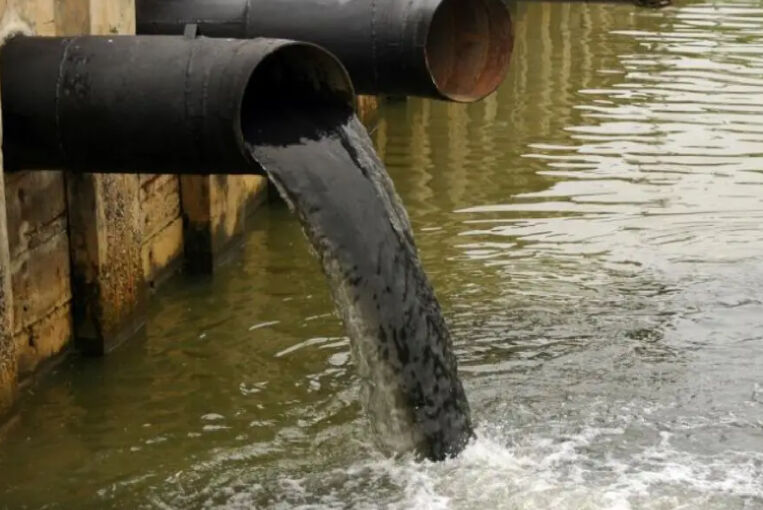
dosing system in water treatment plant
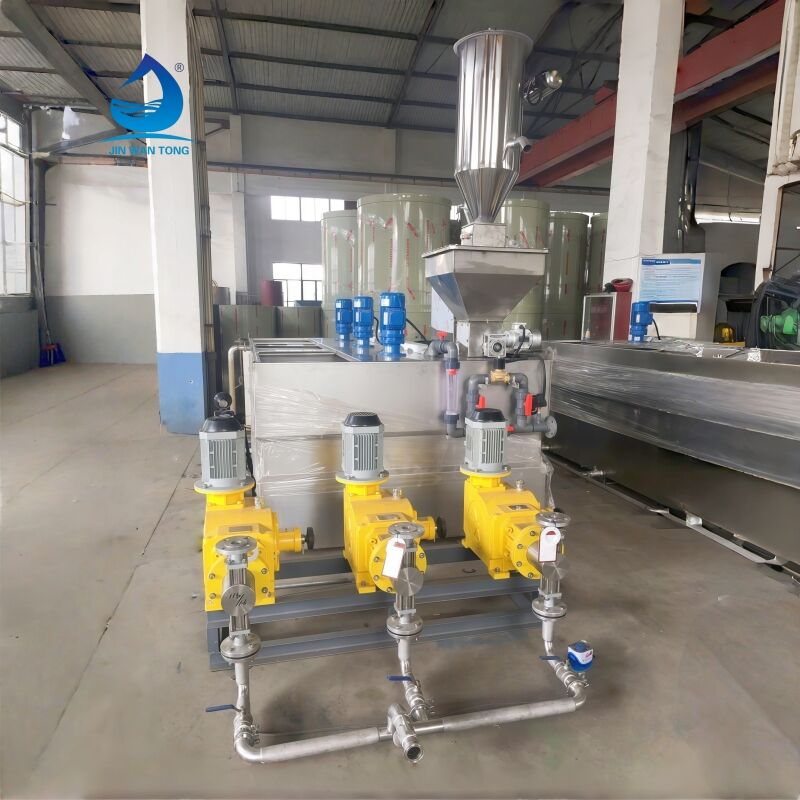
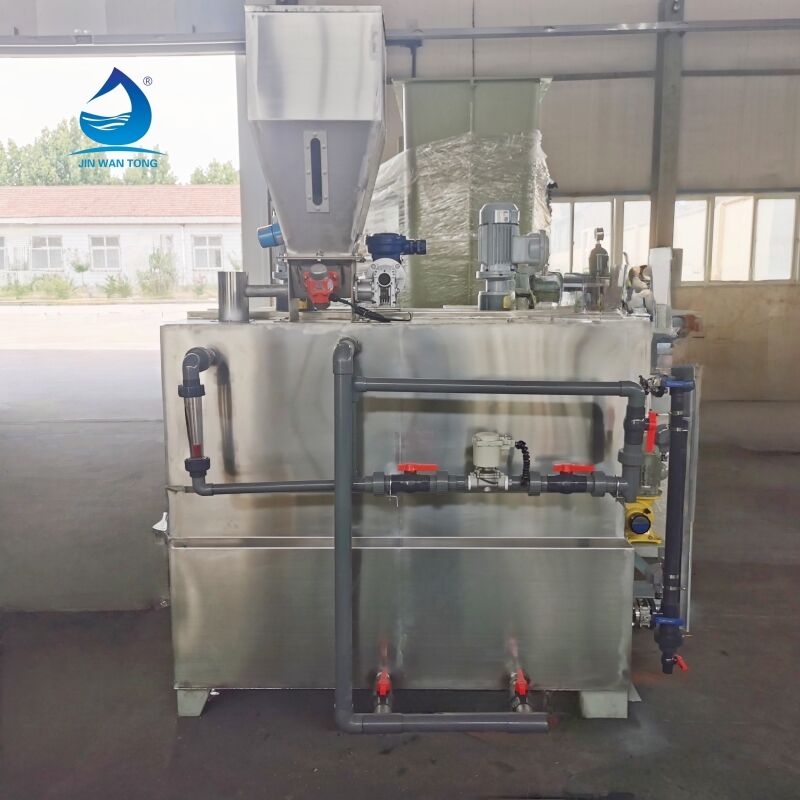
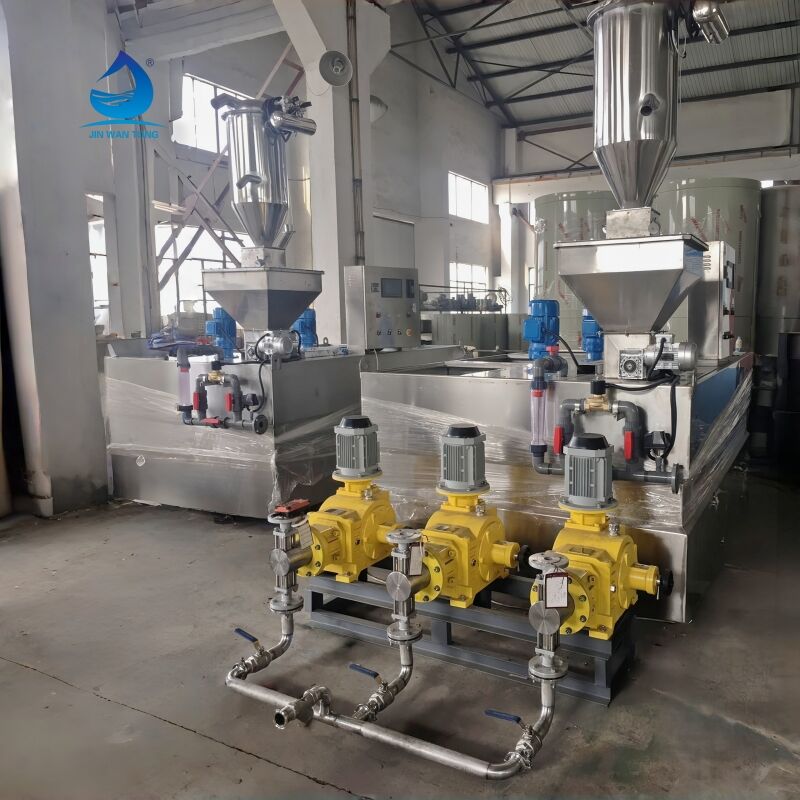
The dosing system in water treatment plant represents a critical component that ensures precise chemical injection throughout the water purification process. This sophisticated technology operates by automatically measuring, controlling, and delivering exact quantities of treatment chemicals such as chlorine, coagulants, pH adjusters, and disinfectants into the water stream. The dosing system in water treatment plant functions through a network of pumps, sensors, controllers, and storage tanks that work together to maintain optimal water quality standards. Modern dosing systems utilize advanced metering pumps, electromagnetic flowmeters, and programmable logic controllers to achieve exceptional accuracy in chemical delivery. The technological features of a dosing system in water treatment plant include real-time monitoring capabilities, automated feedback control loops, and remote operation interfaces. These systems can handle multiple chemical types simultaneously while maintaining separate injection points for different treatment stages. The primary functions encompass coagulation enhancement, disinfection processes, pH stabilization, and corrosion control throughout the treatment cycle. Digital interfaces allow operators to program dosing schedules, monitor chemical consumption, and receive alerts for maintenance requirements. The dosing system in water treatment plant applications extend across municipal water facilities, industrial treatment operations, and specialized purification processes. Safety features include leak detection systems, emergency shutdown protocols, and containment measures for hazardous chemicals. Integration capabilities allow these systems to communicate with plant-wide SCADA networks, enabling centralized control and data logging. The modular design of contemporary dosing systems facilitates easy expansion and modification as treatment requirements evolve, making them adaptable to changing water quality conditions and regulatory standards.

 EN
EN