Advanced Waste Water Treatment Facilities - Efficient Water Purification Solutions

All Categories

Get a Free Quote

Our representative will contact you soon.
Email
Name
Company Name
Message
0/1000

waste water treatment facilities

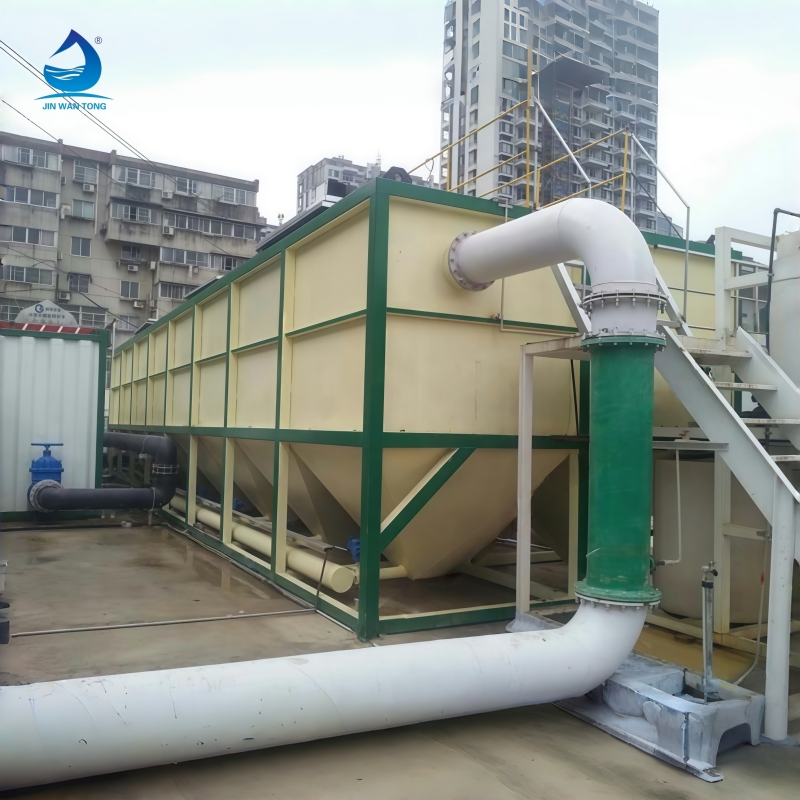
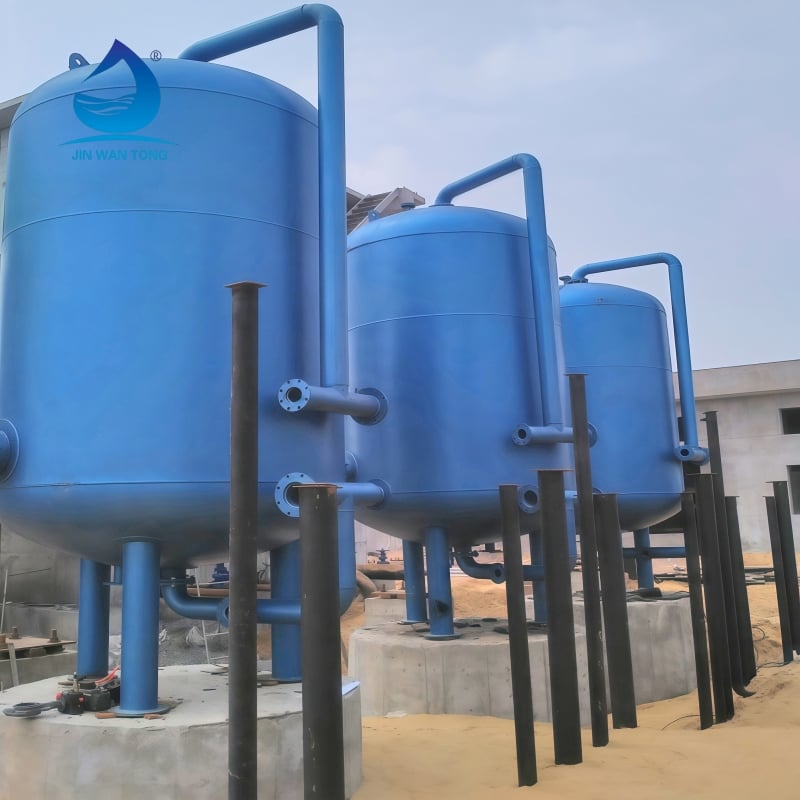
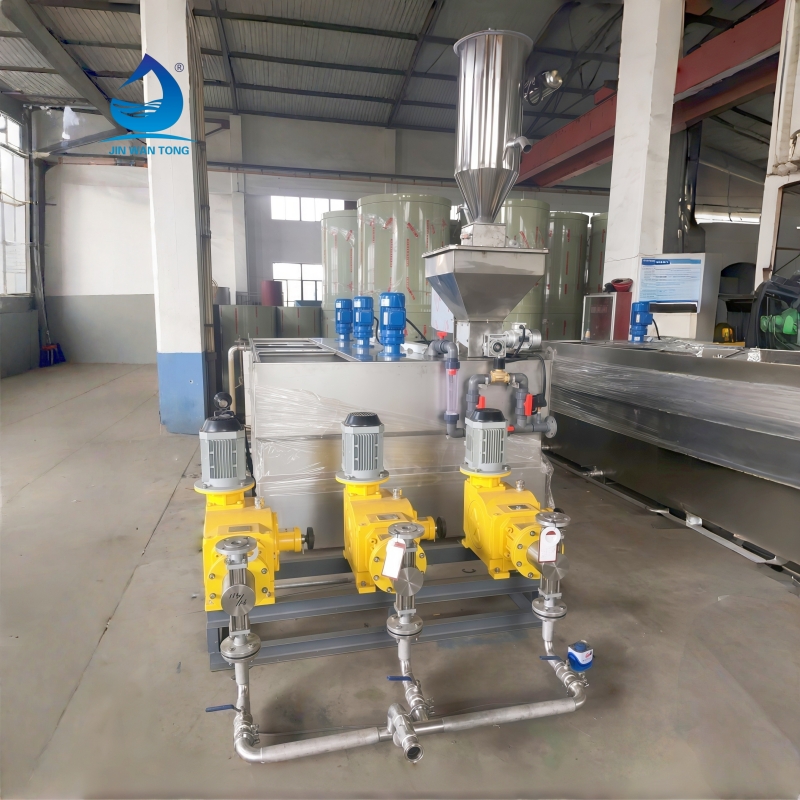
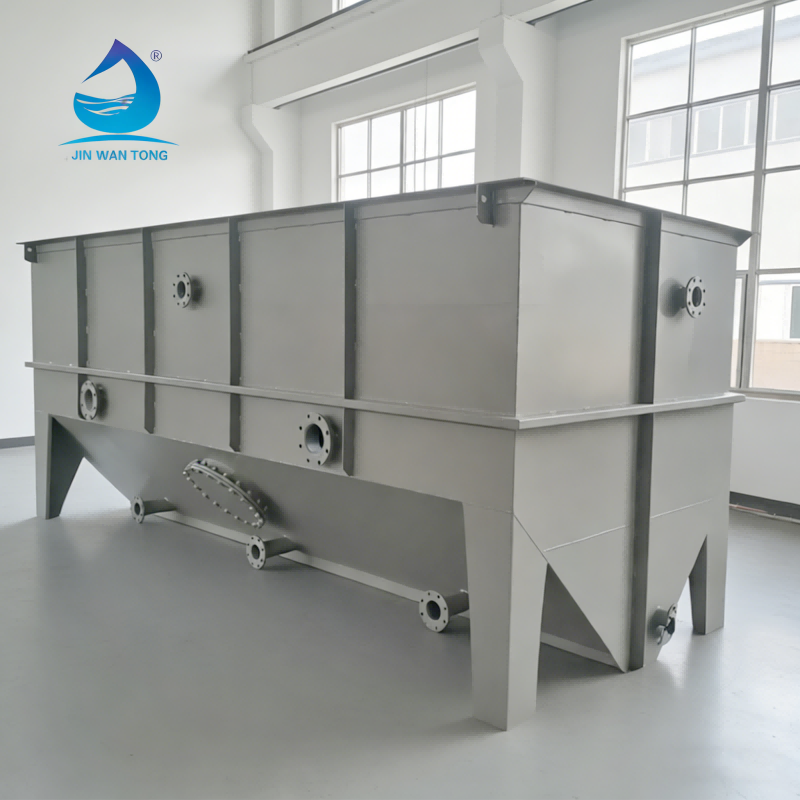
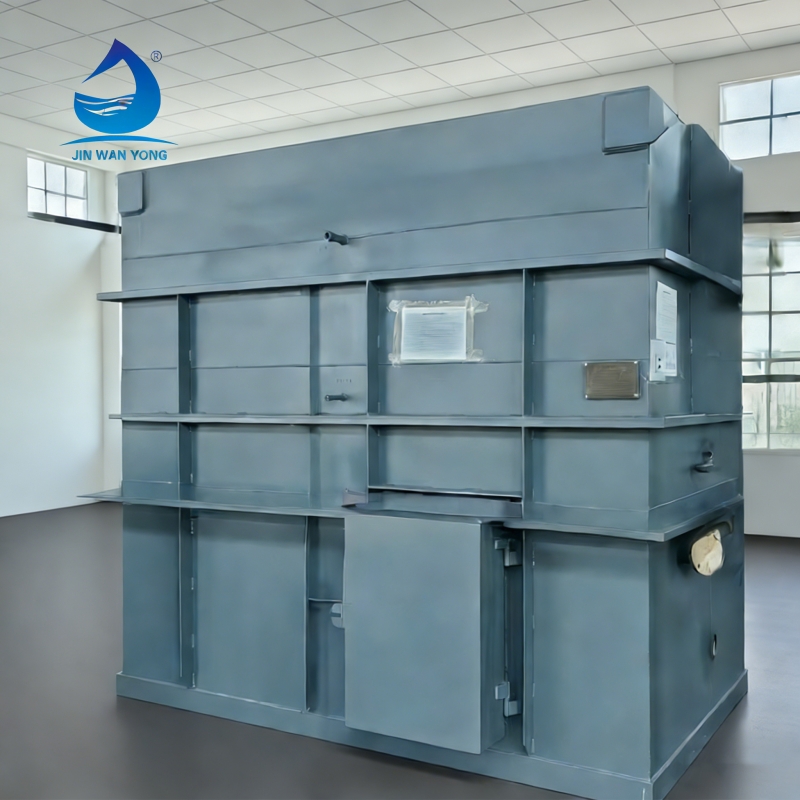
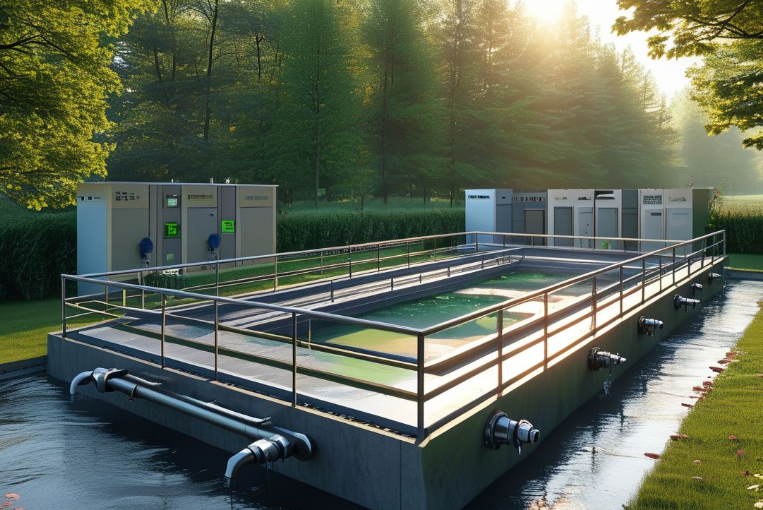
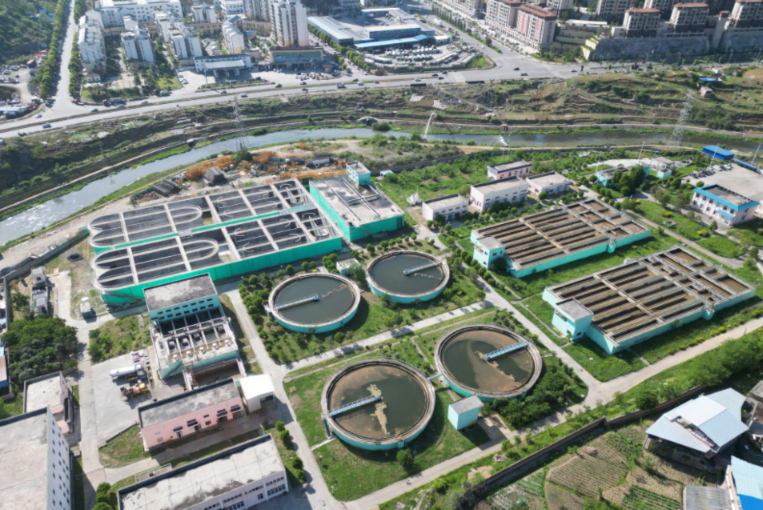
Waste water treatment facilities represent sophisticated infrastructure systems designed to transform contaminated water into clean, reusable resources through comprehensive purification processes. These essential installations serve municipalities, industries, and commercial enterprises by removing harmful pollutants, chemicals, and biological contaminants from sewage and industrial discharge. Modern waste water treatment facilities employ multi-stage treatment protocols that include preliminary screening, primary sedimentation, secondary biological treatment, and advanced tertiary processes. The primary function centers on protecting public health by eliminating disease-causing pathogens while simultaneously safeguarding environmental ecosystems from toxic substances. Technological features within contemporary waste water treatment facilities incorporate automated monitoring systems, advanced membrane filtration, biological nutrient removal, and energy recovery mechanisms. These systems utilize activated sludge processes, membrane bioreactors, and reverse osmosis technologies to achieve exceptional purification standards. Applications span residential communities, manufacturing plants, hospitals, food processing operations, and agricultural facilities requiring specialized treatment solutions. The facilities process millions of gallons daily through carefully orchestrated treatment sequences that transform hazardous waste streams into potable water or safe discharge effluent. Advanced waste water treatment facilities integrate smart sensors and computerized control systems that continuously monitor water quality parameters, ensuring optimal performance and regulatory compliance. Energy-efficient designs incorporate renewable power sources and biogas recovery systems that convert organic waste into valuable energy resources. These installations feature modular construction allowing scalable expansion to accommodate growing population demands and changing industrial requirements. Environmental monitoring capabilities track discharge quality in real-time, providing immediate feedback for operational adjustments and maintaining strict adherence to environmental protection standards throughout the treatment process.

New Products

Waste water treatment facilities deliver substantial cost savings by reducing municipal water procurement expenses and eliminating costly regulatory penalties associated with environmental violations. Property owners benefit from increased real estate values when connected to reliable treatment infrastructure that ensures consistent water quality and environmental compliance. These systems generate significant operational efficiencies by automating treatment processes, reducing manual labor requirements, and minimizing maintenance interventions through predictive monitoring technologies. Energy recovery features transform waste materials into renewable power sources, creating additional revenue streams while reducing overall operational costs for facility owners and municipalities. Waste water treatment facilities provide enhanced regulatory compliance assurance, protecting businesses from expensive fines and legal complications through continuous monitoring and automated reporting capabilities. The environmental benefits translate directly into community health improvements, reducing waterborne disease transmission and creating safer living conditions for residents. Industrial applications gain competitive advantages through water recycling programs that reduce raw water consumption and manufacturing costs while demonstrating corporate environmental responsibility. Advanced treatment technologies enable water reuse applications, transforming waste streams into valuable resources for irrigation, industrial cooling, and non-potable applications. Modern facilities offer exceptional scalability, allowing communities and businesses to expand treatment capacity incrementally without complete system replacement or major infrastructure overhauls. Automated operation reduces staffing requirements and human error risks while maintaining consistent treatment performance regardless of seasonal variations or demand fluctuations. The facilities provide reliable backup systems and redundant equipment ensuring continuous operation during maintenance periods or equipment failures. Long-term durability features minimize replacement costs through robust construction materials and proven treatment technologies designed for decades of reliable service. Remote monitoring capabilities enable proactive maintenance scheduling and rapid response to operational issues, preventing costly system failures and ensuring uninterrupted treatment performance for connected communities and industrial users.

Tips And Tricks

Overview of the Agricultural Wastewater Treatment Market

17

Dec

Overview of the Agricultural Wastewater Treatment Market

View More
Global Real-Time Wastewater Treatment Update

17

Dec

Global Real-Time Wastewater Treatment Update

View More
Navigating the Waters: The Role of an Industrial Wastewater Treatment Plant

17

Dec

Navigating the Waters: The Role of an Industrial Wastewater Treatment Plant

View More

Get a Free Quote

Our representative will contact you soon.
Email
Name
Company Name
Message
0/1000

waste water treatment facilities

Advanced Biological Treatment Technology

Advanced Biological Treatment Technology

Waste water treatment facilities utilize cutting-edge biological treatment systems that harness natural microbial processes to eliminate organic pollutants and harmful pathogens from contaminated water streams. These sophisticated biological reactors create controlled environments where beneficial bacteria colonies thrive, consuming organic waste materials and converting them into harmless byproducts. The technology employs multiple treatment stages including activated sludge processes, membrane bioreactors, and moving bed biofilm reactors that optimize bacterial activity for maximum contaminant removal efficiency. Advanced biological treatment systems within waste water treatment facilities achieve removal rates exceeding 95 percent for organic pollutants while simultaneously reducing nitrogen and phosphorus levels that contribute to environmental eutrophication. The process requires minimal chemical additives, making it environmentally sustainable and cost-effective compared to traditional chemical treatment methods. Automated control systems continuously monitor dissolved oxygen levels, pH balance, and nutrient concentrations to maintain optimal conditions for biological activity. These systems adapt automatically to varying waste loads and seasonal changes, ensuring consistent treatment performance throughout the year. The biological treatment technology generates valuable biogas as a byproduct, which facilities capture and convert into renewable energy for operational power needs. Advanced monitoring equipment tracks microbial health and population dynamics, enabling operators to optimize treatment conditions and prevent system upsets. The technology demonstrates exceptional reliability with properly designed systems operating continuously for years without major interventions. Energy efficiency remains a primary advantage, as biological processes require significantly less power consumption compared to physical-chemical treatment alternatives. The biological treatment approach eliminates the need for extensive chemical storage and handling, reducing operational risks and regulatory compliance requirements for facility operators.
Smart Monitoring and Automation Systems

Smart Monitoring and Automation Systems

Modern waste water treatment facilities incorporate sophisticated smart monitoring and automation systems that revolutionize operational efficiency and treatment reliability through real-time data collection and intelligent process control. These advanced systems deploy thousands of sensors throughout treatment processes, continuously measuring critical parameters including flow rates, chemical concentrations, temperature variations, and effluent quality indicators. Machine learning algorithms analyze historical data patterns to predict optimal treatment conditions and automatically adjust system parameters for maximum efficiency and compliance assurance. The smart monitoring technology enables predictive maintenance capabilities that identify potential equipment failures before they occur, preventing costly downtime and ensuring uninterrupted treatment operations. Remote access capabilities allow operators to monitor and control waste water treatment facilities from any location, providing immediate response to operational changes or emergency situations. Automated reporting systems generate comprehensive compliance documentation for regulatory agencies, eliminating manual data collection and reducing administrative burdens. The integration of artificial intelligence enables these systems to learn from operational patterns and continuously improve treatment performance through adaptive control strategies. Energy optimization algorithms automatically adjust pump operations, aeration systems, and chemical dosing to minimize power consumption while maintaining treatment effectiveness. Real-time alarm systems immediately alert operators to any deviations from normal operating parameters, enabling rapid response to prevent treatment failures or environmental violations. Data visualization dashboards provide intuitive interfaces for operators to monitor complex treatment processes and make informed decisions based on comprehensive system analytics. The automation systems integrate seamlessly with existing infrastructure, allowing facilities to upgrade gradually without complete system replacement. Cybersecurity features protect critical infrastructure from digital threats while maintaining secure data transmission and storage protocols for sensitive operational information.
Modular Design and Scalability Solutions

Modular Design and Scalability Solutions

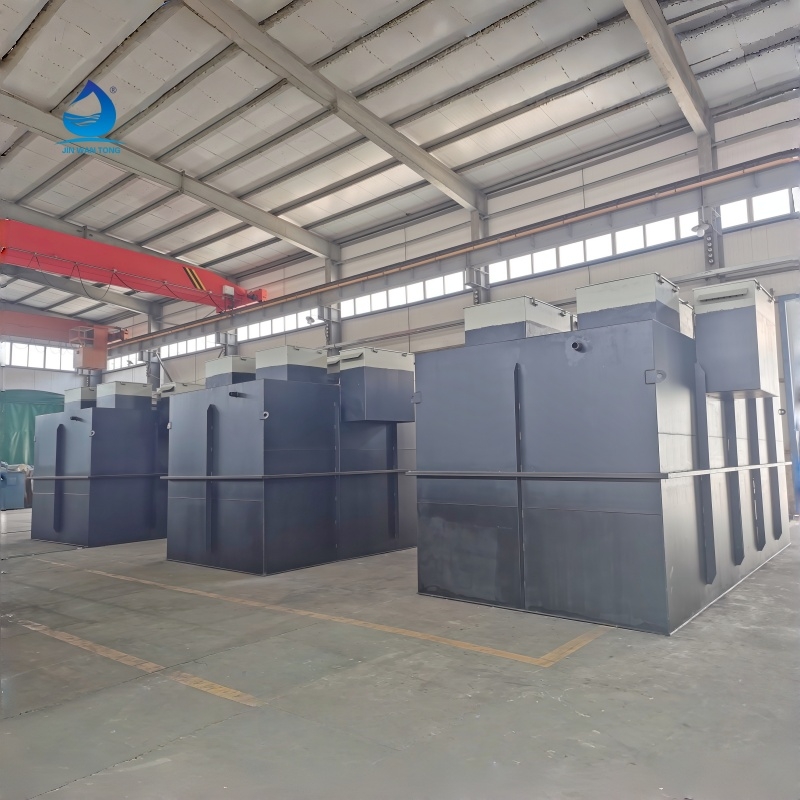
Waste water treatment facilities feature innovative modular design architectures that provide unprecedented flexibility and scalability for growing communities and expanding industrial operations. These modular systems utilize standardized treatment components that can be manufactured off-site and assembled rapidly, reducing construction timelines and minimizing disruption to existing operations. The modular approach enables facilities to start with essential treatment capacity and expand systematically as demand increases, avoiding the substantial upfront investments required for oversized traditional systems. Each module operates independently while integrating seamlessly with existing infrastructure, allowing operators to maintain continuous treatment during expansion phases. The standardized design reduces manufacturing costs and ensures consistent quality across all system components, providing reliable performance and simplified maintenance procedures. Modular waste water treatment facilities can be relocated or reconfigured as operational requirements change, offering exceptional adaptability for temporary installations or evolving industrial processes. Transportation advantages allow these systems to reach remote locations where traditional construction would be impractical or economically unfeasible. Factory-controlled manufacturing environments ensure superior quality control compared to field construction, resulting in more reliable equipment and reduced startup complications. The modular design facilitates rapid deployment for emergency situations, disaster recovery, or temporary capacity increases during peak demand periods. Standardized connections and interfaces simplify system integration and reduce engineering costs associated with custom design requirements. Pre-engineered modules undergo comprehensive testing before shipment, ensuring optimal performance from initial startup and minimizing commissioning time requirements. The approach enables cost-effective pilot testing of advanced treatment technologies before full-scale implementation, reducing investment risks for facility owners. Maintenance benefits include simplified component replacement and the ability to service individual modules without affecting overall system operation, maximizing uptime and treatment reliability for connected users.
Advanced Waste Water Treatment Facilities - Efficient Water Purification Solutions

Get a Free Quote

Our representative will contact you soon.
Email
Name
Company Name
Message
0/1000