Advanced Urban Waste Water Treatment Solutions: Comprehensive Environmental Protection & Resource Recovery

All Categories

Get a Free Quote

Our representative will contact you soon.
Email
Name
Company Name
Message
0/1000

urban waste water treatment

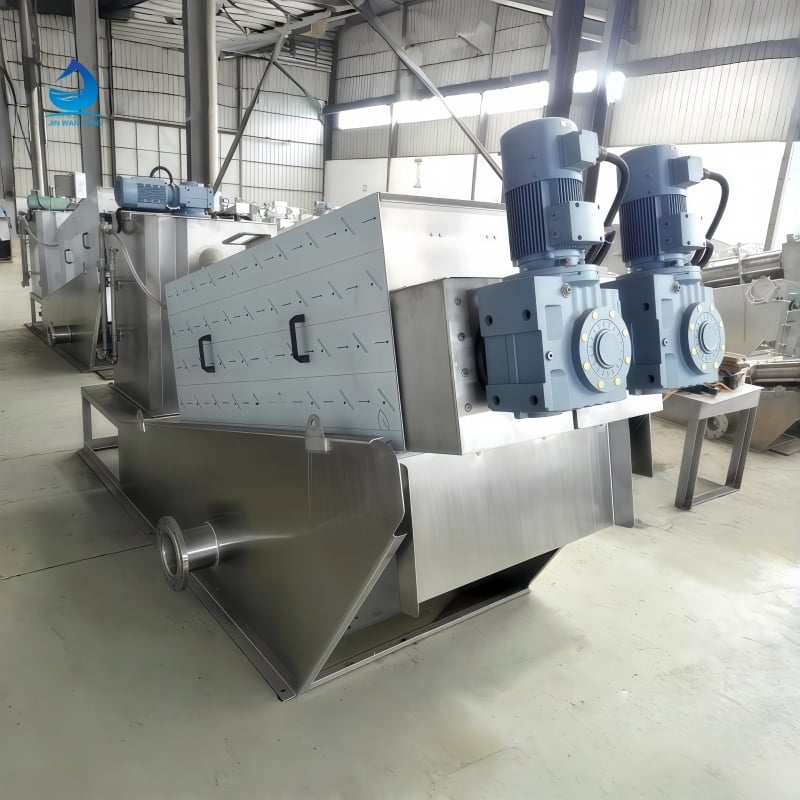
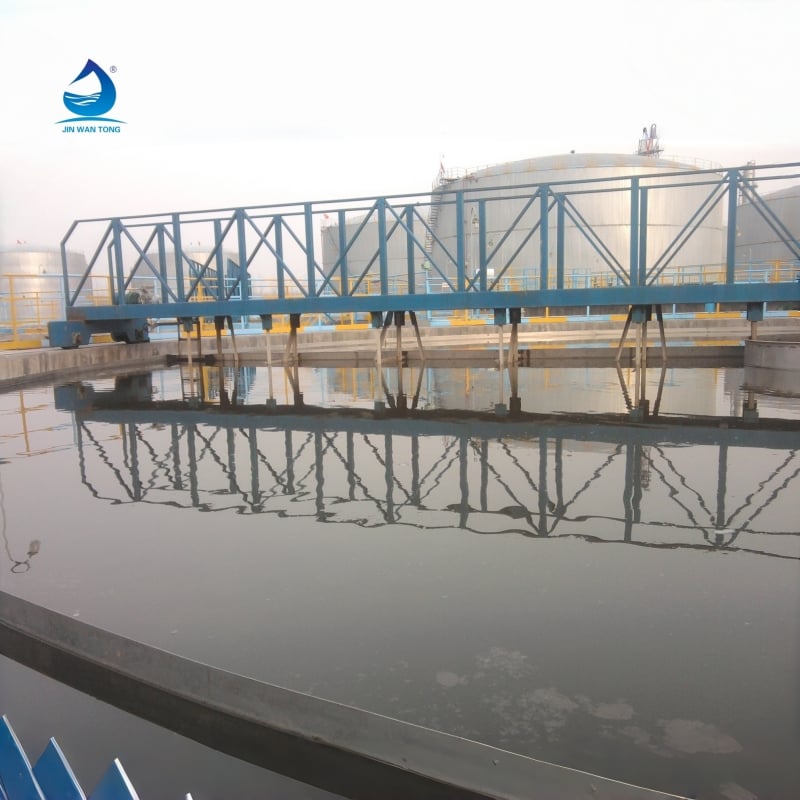
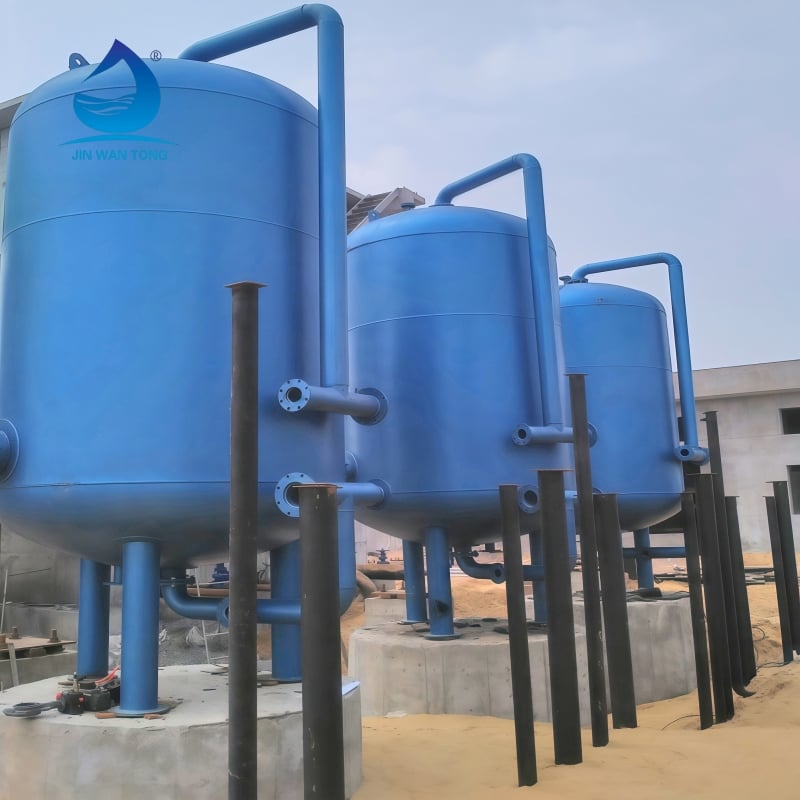
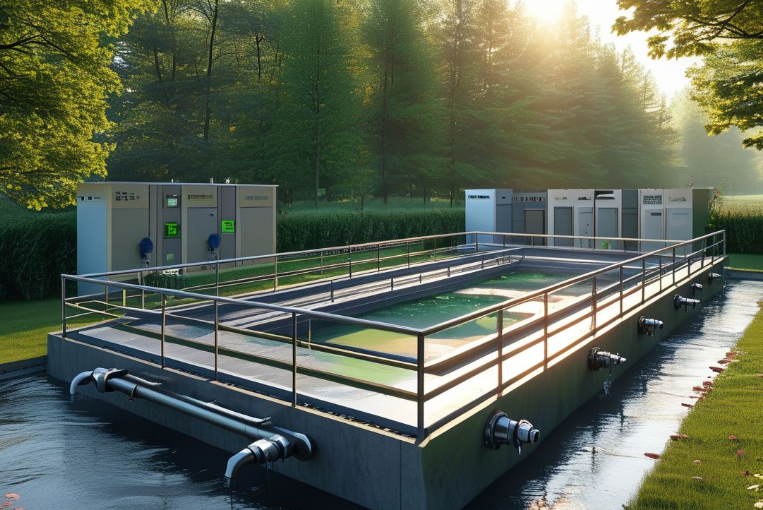
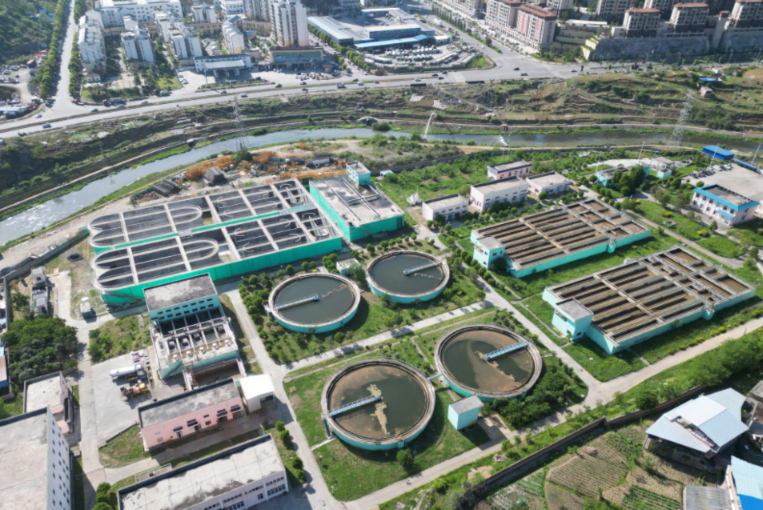
Urban waste water treatment represents a critical infrastructure system designed to process and purify contaminated water from residential, commercial, and industrial sources within metropolitan areas. This sophisticated process transforms potentially harmful wastewater into clean, safe water that can be safely discharged into the environment or reused for various purposes. The primary function of urban waste water treatment involves removing physical, chemical, and biological contaminants through a multi-stage purification process. The system typically begins with preliminary treatment, where large debris and solid materials are filtered out using screens and grit chambers. Primary treatment follows, utilizing sedimentation tanks to separate suspended solids from the water stream. Secondary treatment employs biological processes, where beneficial microorganisms break down organic pollutants and nutrients. Advanced tertiary treatment may include chemical precipitation, filtration, and disinfection to achieve the highest water quality standards. Technological features of modern urban waste water treatment facilities incorporate automated monitoring systems, energy-efficient equipment, and smart sensors that optimize operational performance. These systems utilize membrane bioreactors, activated sludge processes, and advanced oxidation techniques to maximize treatment efficiency. The applications of urban waste water treatment extend beyond basic sanitation, encompassing water recycling for irrigation, industrial processes, and groundwater replenishment. Municipal facilities serve millions of residents daily, protecting public health by preventing waterborne diseases and environmental contamination. Industrial applications include treating specific waste streams from manufacturing processes, ensuring compliance with environmental regulations. The technology also supports sustainable development goals by enabling water conservation and reducing the strain on freshwater resources in densely populated urban environments.

Popular Products

Urban waste water treatment delivers substantial environmental protection by preventing harmful pollutants from contaminating rivers, lakes, and groundwater sources. This protection safeguards aquatic ecosystems and maintains biodiversity in water bodies that support both wildlife and human communities. The treatment process removes dangerous bacteria, viruses, and parasites that cause serious health issues, directly protecting public health and reducing healthcare costs for municipalities. Economic benefits emerge through job creation in the construction, operation, and maintenance of treatment facilities, stimulating local economies while providing stable employment opportunities. Property values in areas served by effective urban waste water treatment systems typically remain higher due to improved environmental quality and reduced health risks. The technology enables water reuse and recycling, creating valuable resources for agricultural irrigation, industrial cooling, and landscape maintenance, reducing dependence on scarce freshwater supplies. Energy recovery opportunities exist through biogas production from sludge digestion, converting waste materials into renewable energy that powers treatment operations and reduces operational costs. Regulatory compliance benefits help municipalities avoid costly fines and legal penalties while maintaining good standing with environmental agencies. The systems provide scalable solutions that can expand with growing urban populations, ensuring long-term sustainability for developing communities. Advanced monitoring capabilities offer real-time data on water quality parameters, enabling proactive management and rapid response to potential issues before they impact public health or environmental safety. Cost savings accumulate over time through reduced water importation needs, lower healthcare expenses, and decreased environmental remediation costs. Tourism and recreational activities benefit from cleaner waterways, supporting local businesses and improving quality of life for residents. The treatment infrastructure attracts businesses and industries that require reliable water services, promoting economic development and urban growth while maintaining environmental stewardship standards.

Practical Tips

Overview of the Agricultural Wastewater Treatment Market

17

Dec

Overview of the Agricultural Wastewater Treatment Market

View More
Global Real-Time Wastewater Treatment Update

17

Dec

Global Real-Time Wastewater Treatment Update

View More
Navigating the Waters: The Role of an Industrial Wastewater Treatment Plant

17

Dec

Navigating the Waters: The Role of an Industrial Wastewater Treatment Plant

View More

Get a Free Quote

Our representative will contact you soon.
Email
Name
Company Name
Message
0/1000

urban waste water treatment

Advanced Multi-Stage Purification Technology

Advanced Multi-Stage Purification Technology

Modern urban waste water treatment systems employ cutting-edge multi-stage purification technology that delivers unparalleled water quality results through scientifically proven processes. The primary stage removes large debris and suspended solids using sophisticated screening equipment and sedimentation tanks that operate continuously to handle varying flow rates throughout the day. Secondary biological treatment utilizes carefully cultivated microorganisms in activated sludge processes or membrane bioreactors, where beneficial bacteria consume organic pollutants and convert them into harmless byproducts. This biological stage achieves remarkable efficiency rates, typically removing 95-98% of biochemical oxygen demand and suspended solids from the influent stream. Tertiary treatment incorporates advanced filtration systems, chemical precipitation, and disinfection processes using ultraviolet light, ozone, or chlorination to eliminate remaining pathogens and trace contaminants. The technology includes automated control systems that monitor key parameters such as dissolved oxygen levels, pH values, turbidity, and nutrient concentrations in real-time, ensuring optimal performance under all operating conditions. Membrane filtration technology, including microfiltration and reverse osmosis, provides additional purification capabilities for applications requiring ultra-high water quality standards. The integrated approach ensures comprehensive contaminant removal across physical, chemical, and biological categories, meeting or exceeding all regulatory requirements while providing flexibility for future upgrades. Energy-efficient equipment design minimizes operational costs while maximizing treatment effectiveness, incorporating variable frequency drives, high-efficiency blowers, and optimized hydraulic designs that reduce power consumption by up to 30% compared to conventional systems. This technological sophistication translates into reliable, consistent performance that municipal operators can depend upon for decades of continuous service, protecting both public health and environmental resources through proven scientific methods.
Comprehensive Environmental Protection System

Comprehensive Environmental Protection System

Urban waste water treatment functions as a comprehensive environmental protection system that safeguards entire ecosystems while supporting sustainable urban development practices. The system prevents nutrient pollution in receiving waters by removing nitrogen and phosphorus compounds that cause harmful algal blooms and oxygen depletion in lakes, rivers, and coastal areas. Advanced biological nutrient removal processes specifically target these compounds, using specialized bacteria cultures that convert ammonia to nitrogen gas and precipitate phosphorus for safe disposal. Heavy metal removal capabilities protect aquatic life from toxic contamination, utilizing chemical precipitation and specialized filtration media that capture mercury, lead, cadmium, and other dangerous substances before they enter natural water bodies. The treatment process eliminates endocrine-disrupting compounds, pharmaceuticals, and personal care products that accumulate in the environment and affect wildlife reproduction and development. Pathogen removal through disinfection processes prevents the spread of waterborne diseases that devastate aquatic ecosystems and threaten human health through recreational water contact or consumption of contaminated seafood. Sludge treatment and stabilization processes convert organic waste materials into beneficial biosolids that can be safely applied to agricultural lands as soil amendments, creating a circular economy approach to waste management. The system reduces greenhouse gas emissions compared to untreated discharge by controlling methane production and incorporating energy recovery technologies that capture biogas for beneficial use. Water temperature control prevents thermal pollution that disrupts aquatic habitats and fish spawning cycles, ensuring that treated effluent discharge maintains natural temperature ranges. Continuous monitoring and reporting systems provide transparency and accountability, demonstrating environmental compliance and enabling adaptive management strategies that respond to changing conditions and emerging contaminants. This comprehensive protection extends beyond immediate treatment benefits to support long-term ecological health, biodiversity conservation, and sustainable resource management for future generations.
Economic Value and Resource Recovery Platform

Economic Value and Resource Recovery Platform

Urban waste water treatment systems function as sophisticated economic value and resource recovery platforms that transform waste streams into valuable commodities while generating substantial cost savings for municipalities and communities. Biogas production through anaerobic digestion of organic sludge creates renewable energy that significantly reduces facility operating costs, with many treatment plants achieving energy neutrality or even becoming net energy producers. The biogas can power on-site generators, provide heating for digesters and buildings, or be upgraded to renewable natural gas for injection into commercial pipelines, creating revenue streams that offset treatment expenses. Treated water reclamation creates high-value recycled water suitable for irrigation, industrial cooling, toilet flushing, and groundwater recharge, reducing demand for expensive potable water supplies and providing drought-resilient water sources. Biosolids recovery converts waste organic matter into nutrient-rich soil amendments that replace costly commercial fertilizers, providing agricultural benefits while generating revenue through sales to farmers and landscaping companies. Phosphorus recovery technology extracts valuable phosphorus compounds from waste streams, creating fertilizer-grade materials that address global phosphorus scarcity while generating additional income. Advanced treatment systems can recover precious metals, rare earth elements, and other valuable materials from industrial waste streams, creating unexpected revenue opportunities. The economic benefits extend to property tax increases in served areas, higher property values, and increased business attraction due to reliable infrastructure and environmental quality improvements. Job creation spans construction, engineering, operations, maintenance, and management positions, providing stable employment opportunities that support local economies. Avoided costs include reduced healthcare expenses from improved public health, eliminated environmental cleanup costs from prevented contamination, and decreased water importation expenses. Long-term economic modeling demonstrates that comprehensive urban waste water treatment systems provide positive return on investment through reduced environmental liabilities, improved public health outcomes, resource recovery revenues, and enhanced community economic development opportunities that attract sustainable industries and improve overall quality of life.
Advanced Urban Waste Water Treatment Solutions: Comprehensive Environmental Protection & Resource Recovery

Get a Free Quote

Our representative will contact you soon.
Email
Name
Company Name
Message
0/1000